REVIEW · SAN JOSE
Chocolate Making and Tasting at a Local Factory in San José
Book on Viator →Operated by Tapir Chocolates · Bookable on Viator
Chocolate has a backstory you can taste. In San José at Tapir Chocolates, the workshop walks you through cacao from fruit to finished bar while you taste what each stage creates. I like that it feels like a hands-on lab class, not a quick demo.
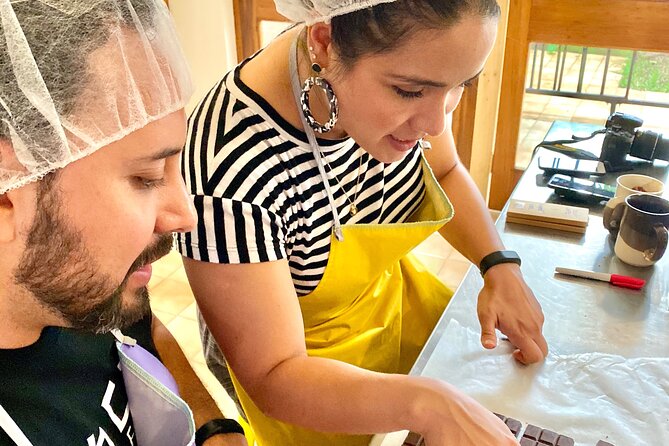
The second part is where it gets fun: you’ll make your own chocolate bars and customize them with a big menu of fillings and toppings. You also leave with eco-friendly packaging you assemble yourself, which makes the whole thing feel like something you actually brought into the world.
One thing to consider: this is designed for small groups, but if the room is fuller on your time slot, you may get a little less personal coaching during the hands-on chocolate-making step.
In This Review
- Key highlights
- Tapir Chocolates in Barrio Escalante: what this workshop feels like
- The 3 pm flow: how your two hours are structured
- Cocoa fruit to chocolate bar: the tasting flight that makes it click
- Hands-on chocolate making: building bars with local mix-ins
- Personalized take-home packaging with eco-friendly materials
- Price and value: what you’re actually paying for at $57.50
- Who should book this chocolate workshop in San José
- Practical tips: group size, language flow, and what to bring
- Should you book Tapir Chocolates in San José?
- FAQ
- Where is the workshop in San José, and what’s the meeting point?
- What time does the chocolate making and tasting tour start?
- How long is the experience?
- What do I get to taste during the workshop?
- Do I make chocolate, and can I take it home?
- What’s included in the price?
- Is transportation included?
- FAQ
- Are service animals allowed?
- How many people are in the group?
Key highlights
- Fruit-to-bar tasting flight: cocoa fruit, staged seeds, nibs, powder, butter, and chocolate drinks
- Make-your-own bars: you mix cocoa concentrations and build bars using your own choices
- Lots of mix-ins: more than 15 fillings and toppings to combine with your chocolate
- Eco-friendly take-home packaging: boxes, wrapping paper, stickers, and tools to pack your bars
- Runs like a small workshop: capped at a low number of people for better attention
Tapir Chocolates in Barrio Escalante: what this workshop feels like
This is a cacao and chocolate workshop in San José’s Barrio Escalante area, a neighborhood many people use as a base for dinner and casual outings. The setting is set up like a small chocolate workspace, where you’re not just watching from the side.
What I like about the format is that it’s built around the real “before chocolate” stuff. Instead of only talking about chocolate as a finished product, the class treats cacao like ingredients with changing flavors and textures at every stage. That’s why the tasting portion matters so much here—you’re learning by tasting, not by memorizing.
The host (often Mauricio is named in the class experience) leads the group with a clear, step-by-step flow. If you care about process—how cacao turns into what ends up in a bar—that attention to practical method is the point of the workshop.
The class runs about 2 hours, starting at 3:00 pm, so it also works well as a late-afternoon activity before dinner.
The 3 pm flow: how your two hours are structured
The workshop moves in a logical order, and that helps you understand why each step changes flavor. You start with a quick orientation, then you work through a tasting sequence, and finally you get to production mode to make your own bars.
Here’s the rhythm you can expect:
- Tasting and process talk first: you’ll learn a bit about cacao history in the Americas and how chocolate evolved from cacao’s early uses.
- A staged tasting flight: fresh cacao fruit first, then seeds at different processing points.
- Cocoa concentration comparisons: you’ll taste different strengths so you can learn the impact of cocoa percentage and how it changes intensity.
- Hands-on chocolate making: you mix chocolate with chosen local ingredients and build bars based on your preferences.
- Packing and wrap-up: you package your creations using eco-friendly materials so they travel home better.
Because the class is short, it’s not the place for dawdling. You’ll be guided, but you’ll still have choices—especially during bar creation with fillings, toppings, and drink pairings during the snack portion.
Cocoa fruit to chocolate bar: the tasting flight that makes it click
If you’re doing this class for one reason, make it this part: the workshop includes a full tasting of cocoa by-products in stages. That means you’ll taste cacao in forms most chocolate tastings never include.
You’ll go step-by-step through what the cacao plant becomes:
- Fresh cocoa fruit (the start of the story)
- Seeds in different stages of processing (so you can notice changes as the bean develops)
- Nibs
- Cocoa powder
- Cocoa butter
- Chocolate drinks
This is one of the most praised aspects of the experience, and it’s easy to see why. Chocolate can taste smooth and familiar, but its ingredients don’t taste anything like a candy bar at first. Once you taste the fruit and the seeds, the later “bar flavor” feels like a destination you can actually track.
It also helps you learn something practical for future tastings. After you compare fruit, seed, nib, and processed products, it’s easier to describe what you like: whether you prefer more roast-like depth, brighter cacao notes, or richness from cocoa butter.
You’ll also get a tasting of different concentrations of cocoa, which is a great shortcut to understanding what “more cocoa” means in flavor terms. This isn’t just a lecture—it’s you tasting the differences with your own palate.
Hands-on chocolate making: building bars with local mix-ins
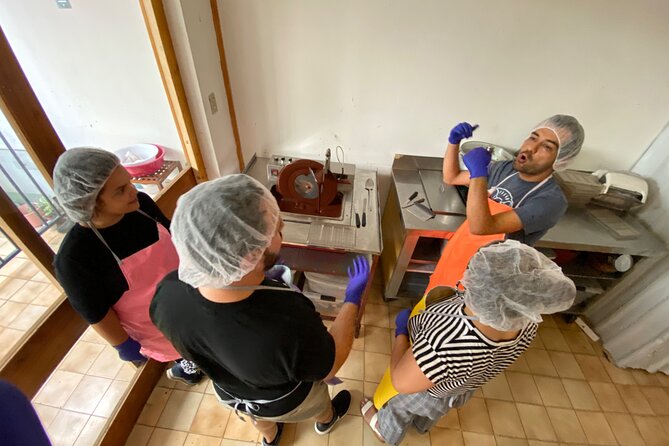
Once the tasting is done, the workshop switches from learning to doing. This is where you get to make multiple chocolate creations and leave with bars you shaped yourself.
You’re given the tools and materials needed to work safely and efficiently, including items like aprons, gloves, and a cap, plus the equipment for bar-making such as molds and mixing tools. The goal is to take you through the modern chocolate-making approach while still connecting it back to the earlier tasting stages.
Here’s what makes this part feel more than a craft project:
- You don’t just pick from pre-made options. You mix and build your own combinations based on what you learned in the tasting.
- You can choose from more than 15 fillings and toppings, giving you plenty of room to design two different bars.
- You’re encouraged to use your creativity with what’s available locally.
From the way the class is described, the host pays attention to how people work under instruction. Some people like step-by-step pacing. Others want to move quickly and ask questions. The workshop is set up to handle both styles, which is why so many people highlight the hands-on nature and how supported they feel.
Two things to set expectations correctly:
- The class is only about 2 hours, so you’ll focus on bar creation rather than a long, slow production process.
- You’ll likely do best if you like following instructions closely. If you jump ahead, the bars won’t set how you expect.
Personalized take-home packaging with eco-friendly materials
This is one of those details that sounds small until you’re holding your final creation. You don’t just leave with chocolate—you package it.
You’ll get eco-friendly packaging materials such as boxes, wrapping paper, stickers, and other supplies for assembling your take-home gift setup. You’ll also use included materials specifically intended for personal organization and presentation, so your bars don’t just end up loose in a bag.
I like this because it turns the class into a complete experience: learn the ingredient story, taste the stages, make the bars, and then build the presentation. It also makes it easier to carry your bars through the rest of your trip day.
If you’re shopping for a food souvenir, this is also a big value angle. Many food tours end with something you eat on the spot. Here, you’re leaving with chocolate you created, packaged, and ready to share—or hoard responsibly.
Price and value: what you’re actually paying for at $57.50
At $57.50 per person for about 2 hours, it’s reasonable to ask: what’s included besides the tasting?
For this class, the value is tied to four buckets:
- A full staged tasting of cocoa products (fruit through processed forms)
- Cocoa concentration tastings that teach you how strength changes flavor
- Hands-on bar-making with equipment and structured guidance
- Mix-ins plus take-home packaging so your work leaves the workshop in good shape
The included snack component matters here too. You get a tasting setup that goes beyond a single bite: cacao drink, water, and tasting materials for beans to bar-style exploration. You also get access to a menu of fillings and toppings, so the bar you take home reflects your choices—not a single standard version.
Compared with food experiences that feel like a quick stop, this workshop is built to be complete: you learn, you taste, you make, you pack. That completeness is why the class is often booked in advance (the average booking window listed is about 14 days).
Who should book this chocolate workshop in San José
This fits best if you like hands-on learning, food science-ish experiences, or simply want a memorable, flavorful evening.
You’ll probably enjoy it most if:
- You want to understand cacao beyond the usual chocolate bar story
- You enjoy choosing mix-ins and building something personal
- You like workshops where you can ask questions and stay active through the whole class
- You want a family-friendly activity option that’s structured and fun
It also works well as a solo activity. The format is interactive, and the small-group setup is meant to make you part of the process, not a spectator. Couples like it because it’s shared work—making your own bars together tends to create easy conversation.
If you’re the type who wants a slow, unstructured visit to a large factory, this might feel more like a classroom. It’s fast-paced by design, focused on tasting and making.
Practical tips: group size, language flow, and what to bring
The experience is positioned as a small-group workshop. The highlights mention a maximum of 8 travelers for a more personalized class feel, while the additional info lists a maximum of 12 people. Either way, it’s not meant to be huge—so ask yourself if you want more attention versus more social chaos.
One practical consideration: the class can involve explanations in more than one language. If you’re sensitive to that, you might prefer to communicate your language needs ahead of time when you book. That way you can get the clearest instructions during the bar-making steps.
Also plan for the basics:
- Transportation isn’t included, so you’ll want a plan to get to Tapir Chocolates on your own.
- The tour starts at 3:00 pm, so schedule dinner nearby. Barrio Escalante makes that easy.
- Bring a little patience. Chocolate needs time to work through steps, even when you’re moving quickly.
Finally, the workshop requires good weather. If conditions are off, expect the provider to adjust the schedule (and treat it like a normal weather-dependent activity rather than a sure thing).
Should you book Tapir Chocolates in San José?
Yes, if your idea of a great San José food moment is: tasting cacao in real stages, learning what changes along the way, and walking out with bars you made yourself. The standout value here is the combination of fruit-to-bar tasting, hands-on bar creation, and take-home eco packaging.
I’d especially book it if you’re the type who likes food experiences that teach you something you can use later—like understanding cocoa strength through actual taste comparisons.
Skip it only if you want a purely observational tour or if you need private, one-on-one instruction. The workshop’s power is its guided structure and group format, not free-roaming factory time.
FAQ
Where is the workshop in San José, and what’s the meeting point?
The workshop starts at Tapir Chocolates, located at 10101 San José, Barrio Escalante, San José, Costa Rica.
What time does the chocolate making and tasting tour start?
It starts at 3:00 pm.
How long is the experience?
The duration is approximately 2 hours.
What do I get to taste during the workshop?
You’ll taste fresh cocoa fruit, seeds at different stages, cocoa nibs, cocoa powder, cocoa butter, and chocolate drinks, plus a tasting that includes cocoa beans to bars.
Do I make chocolate, and can I take it home?
Yes. You’ll make your own different chocolates and take them home in eco-friendly packaging materials.
What’s included in the price?
The price includes creative materials for eco-friendly packaging, personal-use items like caps/aprons/gloves, equipment needed to make chocolates, snacks, cocoa bean-to-bar tastings, more than 15 fillings and toppings, a cacao drink, and water.
Is transportation included?
No. Private transportation is not included.
FAQ
Are service animals allowed?
Yes, service animals are allowed.
How many people are in the group?
The experience lists a maximum of 12 people, and it’s described as an intimate small-group workshop.