REVIEW · TAMARINDO
Coffee & Chocolate Tour+Sloths Park & Llanos de Cortez Waterfall
Book on Viator →Operated by On The Road Costa Rica · Bookable on Viator
Sloths, coffee, and a waterfall in one day. I like the coffee-and-cacao tasting (and the hands-on parts) and the chance to spot rainforest animals near the Miravalles–Tenorio volcano corridor. The main consideration: you’ll spend a big chunk of the day in the van, and if it rains, wildlife can stay hidden.
This is a private, full-day outing built for people who want Costa Rica beyond the beach. You’ll start early (around 6:30am) and move through four distinct stops: a sloth-focused rainforest preserve, a coffee and cacao experience in Bijagua, the Llanos de Cortes waterfall, and a classic Costa Rican lunch stop with a butterfly garden.
If you’re the type who loves real farms, real food, and real nature timing, you’ll probably have a great day. Just plan for wet conditions, bring proper shoes, and don’t treat sloth sightings as guaranteed—rain forest wildlife follows its own schedule.
In This Review
- Key highlights you’ll feel right away
- How this Tamarindo day strings together three kinds of Costa Rica
- Spring Paradise Bijagua Tours: your sloth-and-frog rainforest entrance
- Cafe & Cacao Tour Bijagua: turning coffee and chocolate into a process you remember
- Llanos de Cortes waterfall: the fun swim stop with real footing
- El Sabor de Doña Carmen lunch and the butterfly garden pause
- Guides and pacing: why the people matter as much as the itinerary
- Price and logistics: is $210 good value for this mix?
- Practical packing list for sloths, cacao, and slippery steps
- Who should book this tour (and who should think twice)
- Should you book this Tamarindo Coffee, Chocolate, Sloths & Waterfall tour?
- FAQ
- FAQ
- How long is the tour from Tamarindo?
- What time does the experience start?
- Is this a private tour?
- What’s included in the $210 price?
- Do I need to bring bug spray?
- What should I wear for the waterfall stop?
- Is the tour dependent on weather?
- Can I get a full refund if I cancel?
Key highlights you’ll feel right away
- Early start from Tamarindo helps you arrive before crowds at the rainforest and waterfall stops
- Sloths + rainforest animals in a park setting between the Miravalles and Tenorio volcanoes
- Hands-on coffee and cacao tasting with clear steps from cacao pods to your cup
- Waterfall time with wading and a short walk, plus changing rooms and bathrooms
- A lunch stop with a butterfly garden that breaks up the day nicely
- Private transportation and air-conditioning for the long drive portions
How this Tamarindo day strings together three kinds of Costa Rica
This tour is basically three themes tied into one route: rainforest wildlife, Costa Rican agriculture (coffee and cacao), and a waterfall swim break. That mix matters. You’re not stuck doing one “thing” all day. You get variety, but the stops are still close enough in spirit that the day feels coherent.
The timing is also smart. Starting at 6:30am means you’re more likely to catch active animal behavior and you’re less likely to hit peak crowds at key sites. Even the pace can feel adjustable. Multiple guides mentioned slowing down when someone really wants to linger, which helps when your main goal is seeing wildlife.
Value-wise, the price is $210 per person, and the tour bundles a lot: lunch, air-conditioned private transport, bottled water, and admission included at the stops. That reduces hassle and cost compared with piecing together four separate activities.
The one catch is the day length. It’s about 8 hours total, and there’s significant driving. In one account, the ride was roughly two hours each way, plus additional time moving between stops. If you hate van time, you’ll feel it.
Spring Paradise Bijagua Tours: your sloth-and-frog rainforest entrance
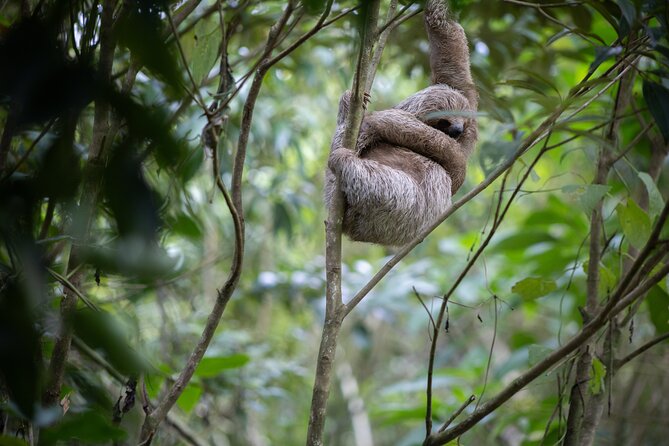
Stop 1 is Spring Paradise Bijagua Tours, located between two volcanoes—Miravalles and Tenorio—in a rainforest setting near Bijagua. This matters because it frames what the park is: a working rainforest path where animals live their normal lives around you, not an indoor zoo experience.
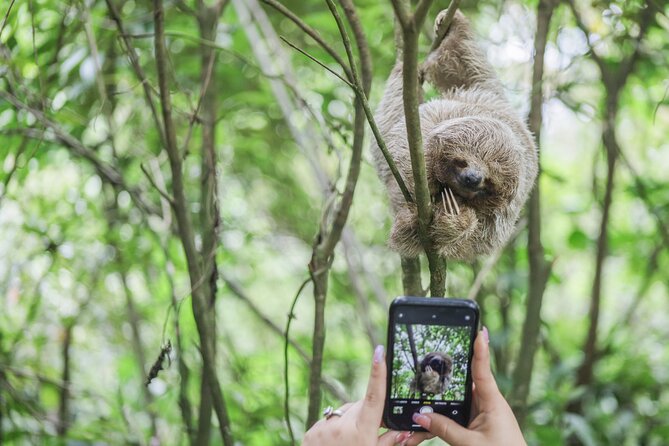
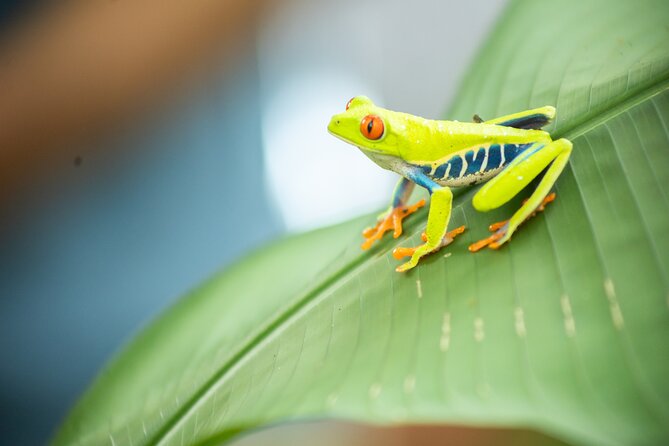
The walking here is described as not difficult, with trails that are manageable for casual hikers. In practical terms, that’s good news if you want nature without needing to train for it first. You’ll be in a lush environment with a focus on spotting animals like sloths, frogs, snakes, and birds (and plenty more depending on what’s active that day).
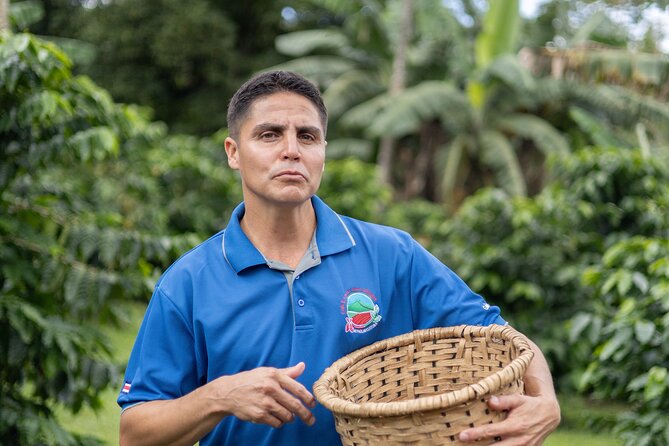
A few guide names came up repeatedly across the experiences, including Julianna and guides such as Christopher and Fernando. That’s useful because it hints at the skill you’re buying: finding animals fast. When someone is good at scanning tree lines and leaf litter, you spend less time guessing and more time watching.
What to expect in the moment:
- You’ll likely move at a relaxed pace along marked paths.
- It helps to have your camera ready but not glued to it. You’ll see more if you pause and watch trunks and canopy edges.
- Snakes and poisonous frogs might be spotted with help from your guide, since your own eyes might skip right past them.
The drawback here is the rainforest reality: wildlife can hide. Rain and heavy clouds can change what you see and how close animals get. One of the few negative experiences described a day where sloths were scarce because the animals were tucked away to avoid bad weather.
My advice: if sloths are your top goal, treat this as a best-chance opportunity, not a guarantee. The guide can improve your odds, but they can’t force animals to show up.
Cafe & Cacao Tour Bijagua: turning coffee and chocolate into a process you remember

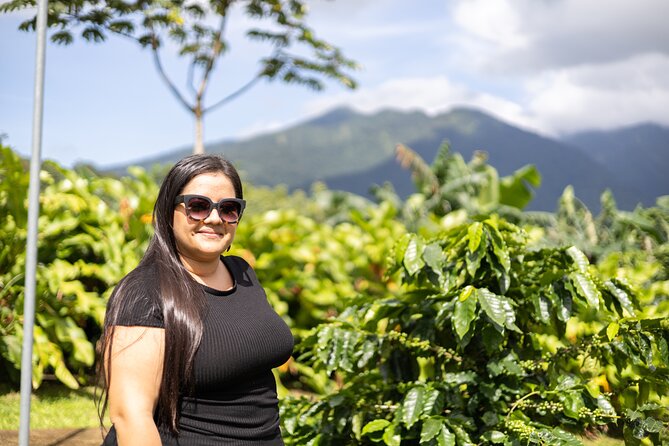
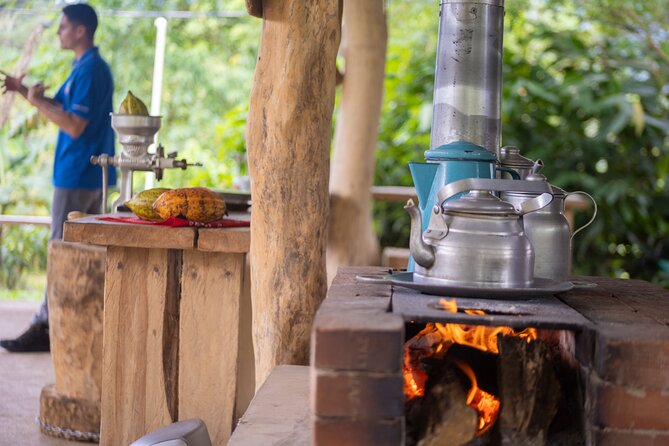
Stop 2 is the coffee and cacao portion in Bijagua, and it’s built around the full chain—from how cacao is grown to how coffee is processed. This is one reason people love the stop: it’s not just tasting. You learn how the product gets made.
You’ll be met with the aromas you’d expect: freshly roasted coffee and cacao. From there, the tour typically explains:
- cultivation basics (how coffee and cacao are grown locally),
- harvesting ripe cacao pods,
- then the production steps you can connect to what you taste,
- including roasting and grinding coffee beans.
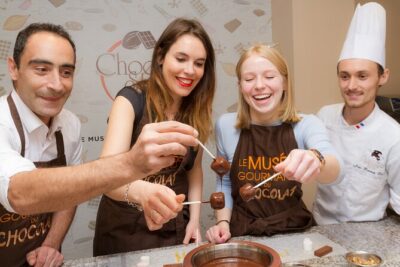
Many descriptions of the experience also include the fun part: sampling and sometimes making your own coffee and chocolate-style drinks. That’s a big deal for value. When you can create something (even simply), you don’t just “pass through” the stop.
Guides mentioned across this part of the day include Christopher, Jostin, Hilary, and others. One person noted that the beans used for tasting were roasted recently—just a couple of weeks before—which helps explain why the coffee tastes different from supermarket versions. Freshness is a quiet hero in food tours.
What I think you should look for while you’re there:
- Notice how the guide explains the difference between cacao form vs. what ends up in chocolate flavor.
- Taste slowly. Coffee brewed at home is usually milder or more uniform than what you’ll notice from a different roast grind and method.
- Ask what locals do with coffee and cacao beyond export. Even if you only get a short answer, it makes the whole thing feel more real.
Time-wise, it’s about 1 hour, so you get a solid dose without turning the day into a classroom. Admission is included here too, so again: fewer separate purchases.
Llanos de Cortes waterfall: the fun swim stop with real footing
Stop 3 is Cataratas Llanos de Cortes. It’s described as an easy natural break accessible from the Liberia area. The trail to the waterfall is generally well-marked and described as suitable for all ages, and you’re encouraged to wade into a pool for a refreshing splash.
But this stop comes with two practical considerations that matter more than photos:
- Shoes are not optional. One experience warned that the steps down to the pool area can be steep and slippery.
- Water conditions vary. Another account mentioned the waterfall being closed or muddy on their day.
So yes, you may get the clear water and the easygoing vibe. Or you may get a day where the waterfall can’t deliver the exact look you expected. That doesn’t mean the trip is wasted—just be prepared to adjust your expectations.
If you want to get the most out of the waterfall time, bring what multiple people recommended:
- wear or pack a swimsuit,
- bring a towel,
- expect a short but moderately intense walk down,
- plan for changing rooms and bathrooms being available (this was specifically mentioned).
Also watch for weather. Costa Rica rain forest weather can turn fast, and the same rain that hides animals can also make the waterfall area wetter and more slippery. One person described heavy rain during the morning part of the day and said it affected what they could see.
My advice: treat this as your main chance to cool off, but keep your balance. Good grip shoes plus steady steps will save you from a lot of stress.
El Sabor de Doña Carmen lunch and the butterfly garden pause
After rainforest and waterfall time, Stop 4 brings you to El Sabor de Doña Carmen, a spot described as one of the best places to try typical Costa Rican cuisine. This is a good placement in the schedule because you’ve already done the active portion, and lunch gives you a reset.
This stop also includes a butterfly garden while you wait to be served. That detail seems small, but it changes the feeling of the day. Instead of rushing from one task to the next, you get a slower, visual break.
What you can realistically expect:
- Costa Rican “typical” food in a sit-down setting,
- a lunch included in your tour price,
- extra enjoyment from the butterfly garden setting.
One standout note from an experience: a guide coordinated with the restaurant staff about a fish allergy to reduce cross-contamination risk in the kitchen. That’s not something every food stop can handle, so it’s worth appreciating and reminding your guide if you have dietary needs.
Lunch duration is about 45 minutes, which is long enough to eat without feeling stuck for hours.
Guides and pacing: why the people matter as much as the itinerary
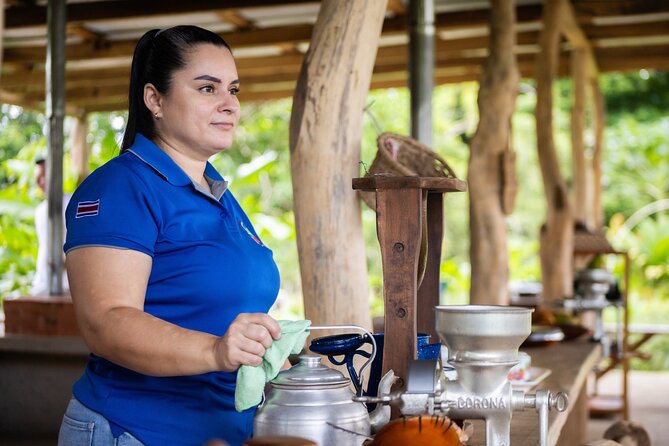
A big reason this tour earns such high marks is the human factor. The names that showed up include Dayvo, Anthony, Fernando, Francisco, Verney, Dido, Hernan, and Julianna. Some guided with a spotting scope, some focused on animal-finding speed, and some were praised for friendliness, attentiveness, and answering questions about Costa Rica.
Here’s what that usually means for you on the ground:
- You’re less likely to miss animals simply because you’re looking in the wrong place.
- Your day feels more personal because it’s private.
- You can ask questions while driving, which turns the long road time into something useful.
It’s also worth noting the day can be flexible. One account specifically said the tour felt self-paced and customizable, letting them spend more time at attractions they cared about.
Still, the drive time is real. If your plan is “I’ll sleep in the van and wake up magically,” this is close to that experience. People described dozing during the ride. Just don’t count on zero fatigue when you’re walking down to the waterfall pool.
Price and logistics: is $210 good value for this mix?
At $210 per person, you’re paying for more than a ticket. You’re paying for:
- admission at multiple stops,
- lunch,
- air-conditioned private transport,
- bottled water,
- and a guide effort across the day.
That bundling can be a real value when you count what it would cost to arrange a rainforest nature reserve visit, a coffee and cacao tour, and a waterfall stop separately—plus the time savings of having someone coordinate the route.
That said, the value depends on conditions. Two specific issues can change the payoff:
- Weather: rain can reduce wildlife sightings and make surfaces slick.
- Waterfall status: one account said the waterfall was closed and muddy, which made that segment feel less worth it.
The best way to think about the price is this: you’re buying a full day of organized access and guidance. The nature part is still nature. Your money supports the structure; the rainforest provides the unpredictable show.
Practical packing list for sloths, cacao, and slippery steps
For a day like this, I’d pack like you’re going rain-ready and shoe-serious. Based on the guidance and warnings tied to the day, consider:
- Raincoat (not just a poncho). One experience emphasized that it can rain hard in the reserve area.
- Waterproof phone/camera cover. If it’s raining, you’ll still want photos.
- Bug spray. It’s not included.
- Good closed-toe shoes with grip for waterfall steps.
- Swimsuit and towel if you want the full waterfall wading experience.
- A small dry bag, if you have one, so your valuables don’t become “new souvenirs” of the rainforest.
Also remember the day starts early. Bring something for sun and heat too, because even rainy places can have bright breaks.
Who should book this tour (and who should think twice)
Book this if you:
- want a one-day snapshot of Costa Rica: rainforest animals, coffee and cacao production, waterfall time, and classic food,
- like guided spotting and learning while you walk,
- prefer private comfort over crowded group logistics,
- don’t mind a long drive if it buys you access to multiple stops.
Think twice if you:
- have limited mobility or struggle with steep stairs, since the waterfall area can involve many steps and slick sections,
- are booking only for guaranteed sloth close-ups, because weather can change animal activity and visibility,
- get stressed by rain and wet conditions, since the experience depends on good weather.
If you’re flexible, this day can be a fun balance between food education and real rainforest time.
Should you book this Tamarindo Coffee, Chocolate, Sloths & Waterfall tour?
Yes, you should book it if you want an organized, private day that mixes animal spotting with hands-on Costa Rican flavors and ends with a waterfall break. The $210 price makes sense because it bundles transport, lunch, admission tickets, and a guide’s time across several different environments.
But book with the right mindset. Plan for rain as a real possibility, wear grippy shoes, and treat wildlife as a best-chance experience, not a vending machine. If the waterfall ends up muddy or closed, you may feel the value squeeze. On a good weather day, though, this is exactly the kind of trip that makes Costa Rica feel lived-in.
FAQ
FAQ
How long is the tour from Tamarindo?
The tour runs about 8 hours (approximately).
What time does the experience start?
The start time is 6:30am.
Is this a private tour?
Yes. It is private, so only your group participates.
What’s included in the $210 price?
Lunch, air-conditioned vehicle, private transportation, bottled water, and admission tickets for the stops are included.
Do I need to bring bug spray?
Bug spray is not included, so you’ll want to bring your own.
What should I wear for the waterfall stop?
Wear good shoes. The walk to the waterfall pool area can involve many steps and slippery sections.
Is the tour dependent on weather?
Yes. It requires good weather. If it’s canceled due to poor weather, you’ll be offered a different date or a full refund.
Can I get a full refund if I cancel?
Yes. You can cancel up to 24 hours in advance for a full refund.