REVIEW · PIEDMONT AND LIGURIA
The Turin Chocolate Factory Guided Tour & Tasting
Book on Viator →Operated by Slow Travel Italia · Bookable on Viator
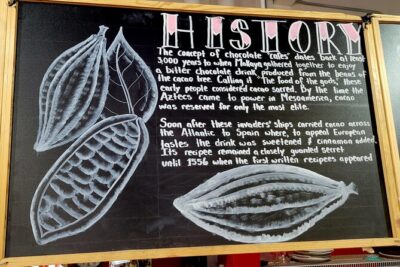
Chocolate, taught like craft.
This guided tour is built around an artisan chocolate production laboratory in Moncalieri, just outside Turin’s orbit, where you see how cocoa turns into their signature gianduiotto. I like that the walk-through covers the real sequence—roasting cocoa beans, tempering, extruding, and the final handcrafted work—so the end result makes sense. I also like the tasting structure: you get a tasting spread that goes beyond just one product, including gianduiotto plus single-origin samples and a spreadable gianduja cream.
One possible drawback: the experience is about 1 hour, so it’s not a long browse-and-chill session in the shop area, and extra chocolate is not included beyond what’s in the tasting.
In This Review
- Key highlights you should know before you go
- Str. Vivero, 75b: where the tour actually starts
- Inside the chocolate laboratory: roasting beans to gianduiotto
- What tempering, extruding, and hand-finishing mean in plain terms
- The tasting session: gianduiotto, single-origin bars, and gianduja cream
- Buying gifts right from the lab: how to make the most of it
- Price and value: what $46.13 buys for a 1-hour lab visit
- Who this chocolate factory tour suits best
- A quick reality check: what you may not get
- Should you book the Turin Chocolate Factory Guided Tour & Tasting?
- FAQ
- Where is the meeting point for the tour?
- How long does the Turin Chocolate Factory Guided Tour & Tasting last?
- Is the tour offered in English?
- How big is the group?
- What will I see during the production laboratory visit?
- What is included in the tasting?
- Is extra chocolate included for purchase?
- What is the cancellation policy?
Key highlights you should know before you go
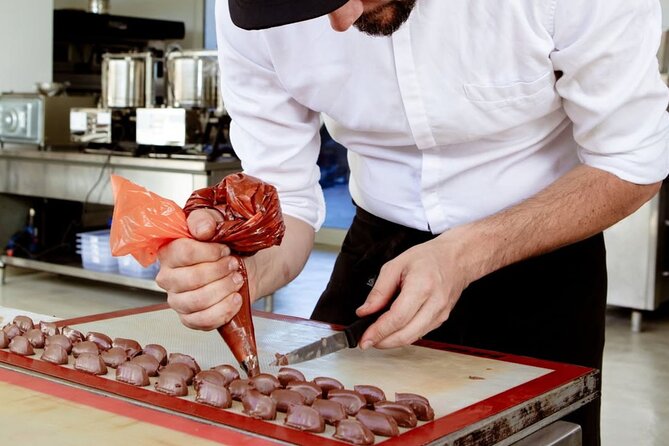
- A full production walkthrough: from roasted cocoa beans to the finished gianduiotto bonbon
- Hands-on process details: tempering and extruding are part of what you’ll learn
- Tasting with range: gianduiotti plus single-origin chocolates in different origins and cocoa percentages
- Gianduja cream included: you’ll sample a spreadable cream along with the bonbons
- Small group size (max 15): more room for questions and a calmer pace
- English mobile-ticket tour: simpler for planning and easy to show up ready
Str. Vivero, 75b: where the tour actually starts
You’ll meet at Str. Vivero, 75b in 10024 Moncalieri TO, and the tour wraps back at the same spot. That end-back-at-the-start detail matters because it keeps the logistics clean. You’re not stitching together multiple stops across town.
This is also a practical location: it’s noted as near public transportation. So if you’re using trains or buses around Turin and Piedmont, you’re not locked into a full taxi-and-wait plan.
The vibe here is clearly local and workshop-based, not a big tourist factory. Expect a real laboratory setting where the process is the point, and the tasting follows that logic.
Inside the chocolate laboratory: roasting beans to gianduiotto
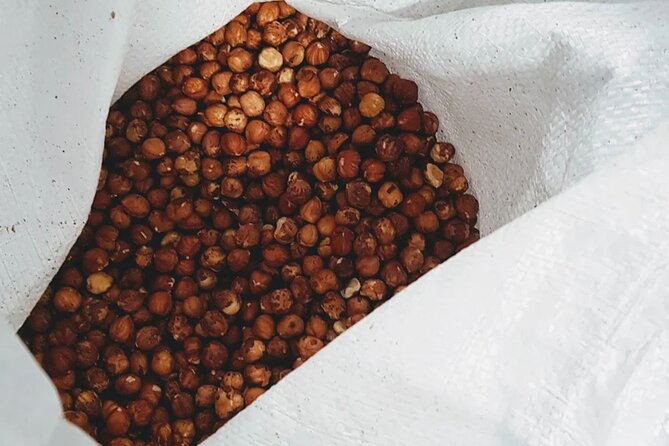
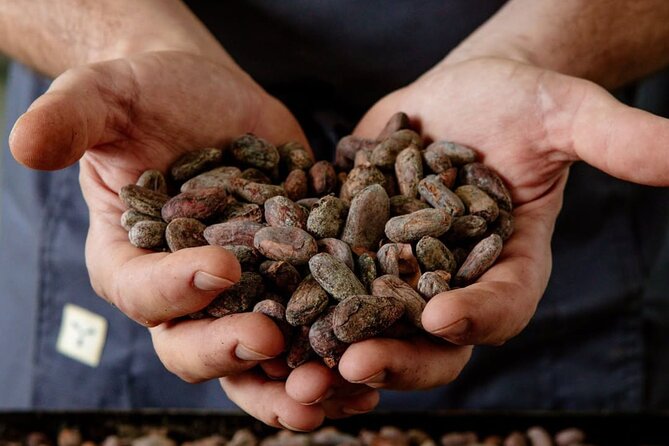
The heart of the experience is the walk-through of the chocolate-making process. You start with cocoa beans and you move forward through the steps that lead to their signature gianduiotto, the Piemonte-style chocolate bonbon made with IGP hazelnuts from Piemonte. That IGP detail is useful because it tells you you’re not just buying a generic hazelnut chocolate; you’re being introduced to a defined regional ingredient story.
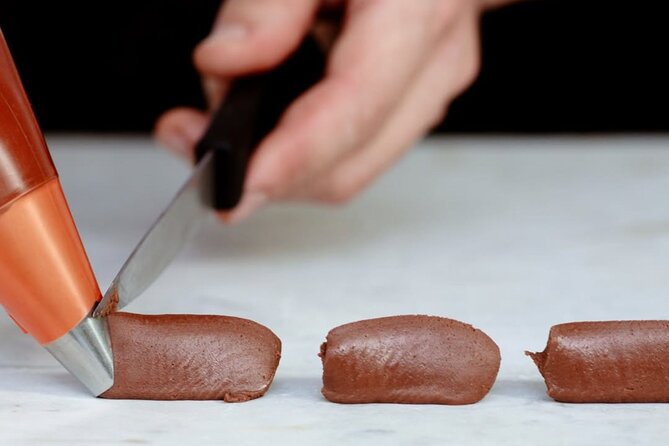
From there, the tour focuses on how the craft turns into consistent results. The description highlights tempering, extruding, and handcrafted finishing—those are exactly the steps that separate good chocolate from chocolate that just tastes sweet. I like that the guide isn’t only telling you what the product is. You learn how it’s shaped and why it matters.
And you’re not stuck at one station. You get a sense of the full chain: cocoa roasting, then the creation of their gianduiotto, and the methods used to make high-quality chocolate from prized cocoa varietals. That flow helps you connect the bean side of chocolate with what ends up on your plate.
One thing to keep in mind: this tour is designed to teach in about an hour. So you’ll get the big picture and the key process moments, but it will still feel like a focused introduction rather than a long, slow atelier visit.
What tempering, extruding, and hand-finishing mean in plain terms
A lot of chocolate tastings are just tasting. This one tries to explain the machinery and the technique behind the flavor. The workshop portion points you toward three process ideas that you can actually remember while you eat.
First is tempering. In practical terms, tempering is about getting the chocolate into the right physical state so it sets with a good snap and a stable texture. If you’ve ever had chocolate that melts awkwardly or turns dull, tempering is the fix people care about.
Second is extruding, which is about shaping the chocolate flow into consistent forms. Even without seeing every detail up close, you’ll come away understanding that consistency isn’t accidental. It’s managed.
Third is the handcrafted part. The tour describes their gianduiotto as carefully handcrafted after the process steps. That matters because it’s where the product identity shows up: not just chocolate as an ingredient, but chocolate as a made item—bonbon shape, finishing, and presentation.
If you enjoy food craft, this structure is the best part. You get a mental map you can take to your tasting. Suddenly the difference between chocolates isn’t only about sweetness. You start noticing texture and how the maker handled the process.
The tasting session: gianduiotto, single-origin bars, and gianduja cream
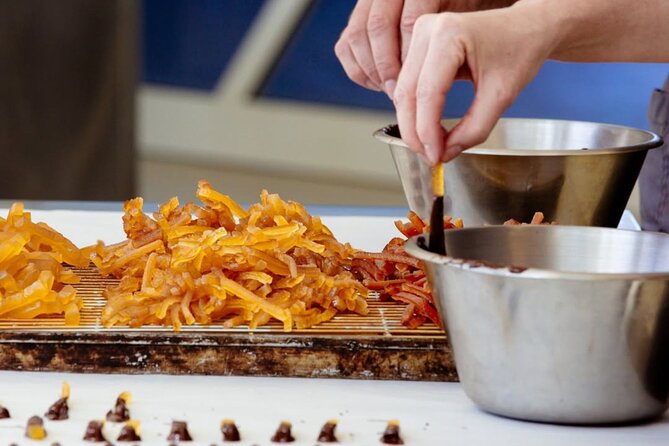
Tasting is included, and it’s laid out like a mini lesson. You start with their handcrafted gianduiotto—so you get the house signature first. That’s a smart order because it sets a baseline for what their style tastes like.
Next, you sample single-origin chocolate. The tasting includes three different origins and multiple cocoa percentages. This is where the tour becomes much more than sweets. You’ll be able to compare how origin and cocoa percentage change the flavor direction. Even if you’re not a chocolate nerd, it’s an easy way to start tasting structure instead of just sugar.
Then there’s the gianduja cream. You’ll get to sample a spreadable cream along with the bonbons. That gives you another texture experience beyond solid chocolate: something meant to spread, scoop, or pair, rather than just bite.
Also note the tasting is designed to be complete within the hour. So you won’t be offered endless refills. You’ll get meaningful variety, then you’ll move on with the rest of the visit.
The people side matters too. One of the strongest signals from the experience is the warm welcome and the willingness to answer questions. The guide experience is described as friendly and helpful, including clear answers when people asked how things work.
Buying gifts right from the lab: how to make the most of it
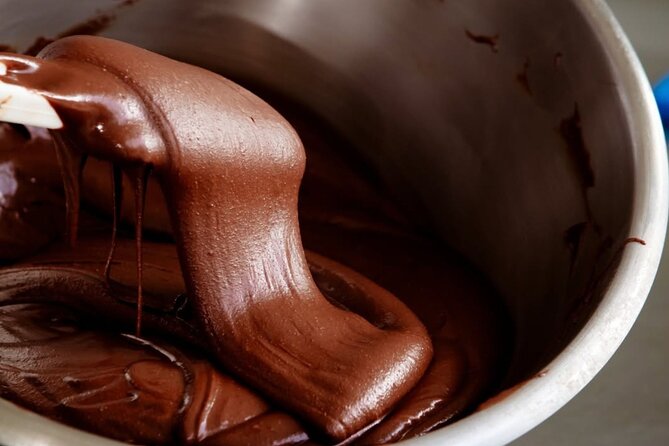
There’s an opportunity to purchase gifts directly from the laboratory. This is where many food tours get it right. You don’t just taste and walk away. You have a chance to bring home the flavors you just understood.
Since extra chocolate is not included, treat the shop time as optional shopping, not a guaranteed discount. If you have a clear target—like a gift set built around the gianduiotto style—this is the moment to decide.
My practical advice: go in ready to choose quickly. The tour is about an hour, and the tasting portion already includes multiple items. If you wait until you’re full, you’ll still be deciding, just more slowly. Better to taste, note what you like, then pick.
Price and value: what $46.13 buys for a 1-hour lab visit
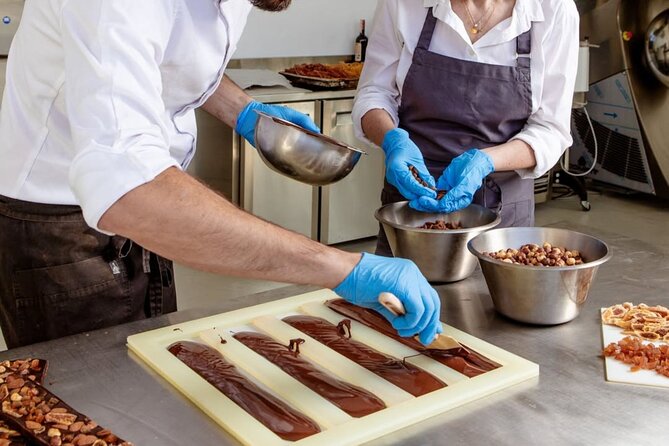
At $46.13 per person for about 1 hour, this is a focused, not-a-bargain experience. But it can still feel like good value because you’re paying for three things at once:
- Access to a real production laboratory, not just a themed showroom
- A guided, step-by-step process explanation, from roasting to gianduiotto making
- A structured tasting, including gianduiotto, single-origin samples across different origins and cocoa percentages, and gianduja cream
For that price, you also benefit from a small group cap of 15 travelers. That number matters. It’s the difference between a quick lecture and a session where your questions can actually get answered.
If your idea of value is maximum volume—lots of tasting, lots of time, lots of freebies—this won’t match that. If your idea of value is learning how the product is made and leaving with a clearer sense of what you’re buying, then the structure justifies the cost.
Offered in English and run with a mobile ticket, it’s also easy to plan. You don’t need a long translation puzzle, and you don’t need paper tickets on hand.
Who this chocolate factory tour suits best
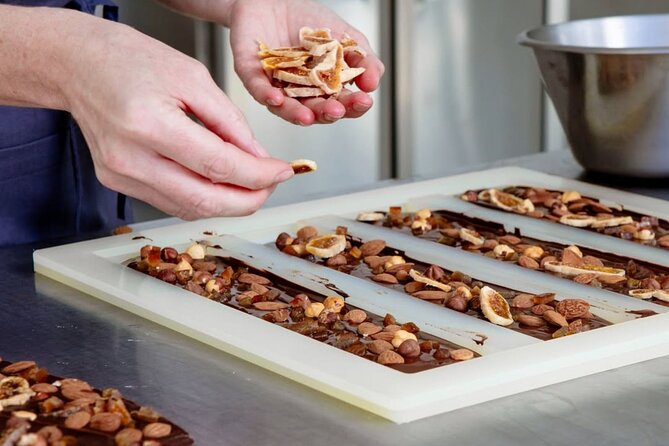
This tour fits best if you like two things: food craft and guided structure. The experience is designed for you if you enjoy understanding the steps behind what you’re eating, not only checking off a sweet stop.
It’s also ideal if you’re traveling with someone who wants variety in the tasting. You won’t just get one item. You’ll taste gianduiotto, compare single-origin chocolates across different origins and cocoa percentages, and sample gianduja cream.
If you’re visiting the Piedmont and Liguria area and you want something local to that identity—IGP Piemonte hazelnuts in particular—this tour gives you a direct connection to the region’s signature flavors. And because it’s near public transportation, it can slot into a broader day without blowing up your schedule.
If you’re short on time, keep expectations realistic. One hour is enough for the big sequence and a useful tasting menu. It’s not enough for deep production-scale tourism or long shopping.
A quick reality check: what you may not get
Because this is a tight, workshop-style session, there are a few things you should expect not to be included. The tasting includes what’s listed, but extra chocolate isn’t included beyond that.
You also won’t get a multi-stop itinerary across several neighborhoods. The entire experience centers on the laboratory itself. If you’re expecting a long walk between multiple factories, adjust your plans.
Finally, it’s offered as an English tour and noted as suitable for most travelers. That’s a good baseline, but if you’re very sensitive to the food aspect, plan your day accordingly. This is a tasting-focused experience.
Should you book the Turin Chocolate Factory Guided Tour & Tasting?
I’d book it if you want a short, well-structured chocolate experience that teaches you how the product is made. The standout parts are the hands-on style process explanation—from roasting to gianduiotto—and the tasting range that includes both house specialties and single-origin chocolate comparisons. The small group size is the kind of detail that makes a difference when you care about asking questions.
I’d skip or look for another option if you want a long factory visit, lots of free extras, or a full half-day plan. This one is meant to be focused: learn the craft, taste the results, then shop if it sparks you.
If you’re staying in Turin or nearby and you want something authentic and food-first in Piedmont, this is a solid choice. It turns chocolate from a treat into a story you can taste.
FAQ
Where is the meeting point for the tour?
The tour starts at Str. Vivero, 75b, 10024 Moncalieri TO, Italy.
How long does the Turin Chocolate Factory Guided Tour & Tasting last?
The duration is about 1 hour.
Is the tour offered in English?
Yes, the tour is offered in English.
How big is the group?
The tour has a maximum of 15 travelers.
What will I see during the production laboratory visit?
You’ll visit a chocolate production laboratory and learn about the chocolate-making process, from roasting cocoa beans to creating the signature gianduiotto.
What is included in the tasting?
The tasting includes handcrafted gianduiotto, single-origin chocolate samples from three different origins with different cocoa percentages, and a spreadable cream (gianduja).
Is extra chocolate included for purchase?
Extra chocolate is not included. You’ll have the chance to buy gifts directly from the laboratory.
What is the cancellation policy?
You can cancel for a full refund up to 24 hours in advance of the experience start time. If you cancel less than 24 hours before, the amount paid is not refunded. If the minimum number of travelers isn’t met, you’ll be offered a different date/experience or a full refund.