REVIEW · QUINTANA ROO
Tulum: Chocolate & Honey Sanctuary Experience with Lunch
Book on GetYourGuide →Operated by Chococacaomaya · Bookable on GetYourGuide
Chocolate, honey, and a cenote swim in Tulum. You start with a shaman blessing, learn Mayan cacao traditions, build your own organic chocolate, eat lunch with honey or chocolate, then cool off in crystal cenote water.
I love the hands-on chocolate process (roasting, peeling, grinding on the metate, then choosing mix-ins). I also love the Maya bee honey part, including a conservation workshop and making natural honey soap you can take home.
One thing to consider: if you’re expecting to personally do every single step, the experience can feel more like watch-and-learn in certain moments, and language differences can change how fast you connect with the group.
In This Review
- Key highlights you should plan for
- Chocolate & honey in the jungle: what you’re really booking
- Meeting point in front of Starbucks: how to start smoothly
- Shaman blessing and Mayan cocoa context before you touch cacao
- Roasting, grinding, and flavor-picking your organic chocolate
- Maya bee conservation and honey soap you can take home
- Lunch built around honey and chocolate, not just a token meal
- Cenote swim with a sacred-water story and practical swim tips
- Pace, group size, and how hands-on the day feels
- What to bring for a comfortable 3-hour jungle visit
- Price and value: is $59 worth it for a chocolate-to-cenote day?
- Who this experience suits best (and who might want a different day)
- Should you book this Tulum Chocolate & Honey Sanctuary experience?
- FAQ
- How long is the Chocolate & Honey Sanctuary Experience?
- Where do I meet the guide for this experience?
- How much does it cost per person?
- What’s included in the price?
- Are drinks included?
- Is a life jacket included for the cenote swim?
- What languages are the guides?
- What should I bring?
- Is the cenote swim required?
- Is it wheelchair accessible?
- Can I cancel and get a refund?
- Can I pay later?
Key highlights you should plan for
- Shaman blessing before the workshops: a short spiritual welcome to enter the jungle sanctuary.
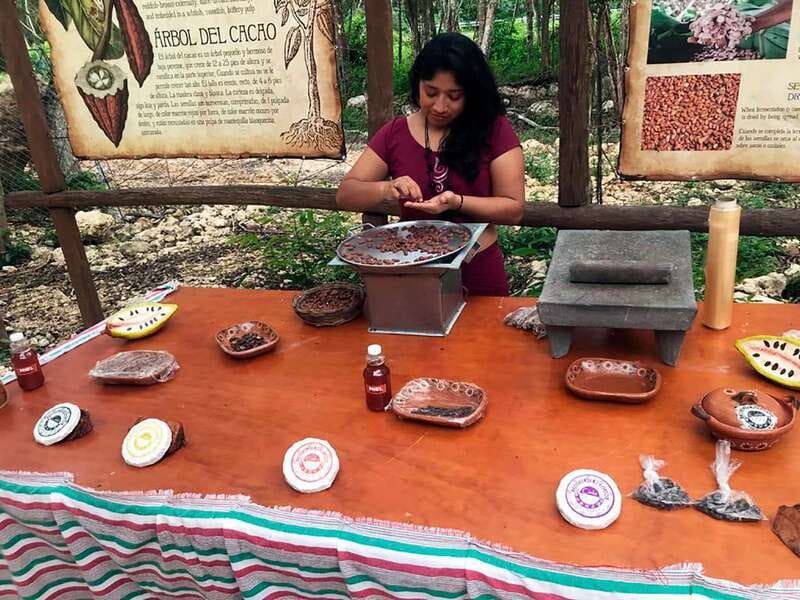
- Cacao to chocolate, step-by-step: roast, peel, grind on metates, and flavor your own organic bar.
- Custom ingredient choices: options can include vanilla, amaranth, coffee, and habanero.
- Maya bee conservation + honey uses: learn why this stingless bee matters and how honey is used medicinally.
- Honey natural soap workshop: make your own soap and take at least one product home.
- Cenote swim with a sacred-water story: crystal water recovery time after lunch.
Chocolate & honey in the jungle: what you’re really booking
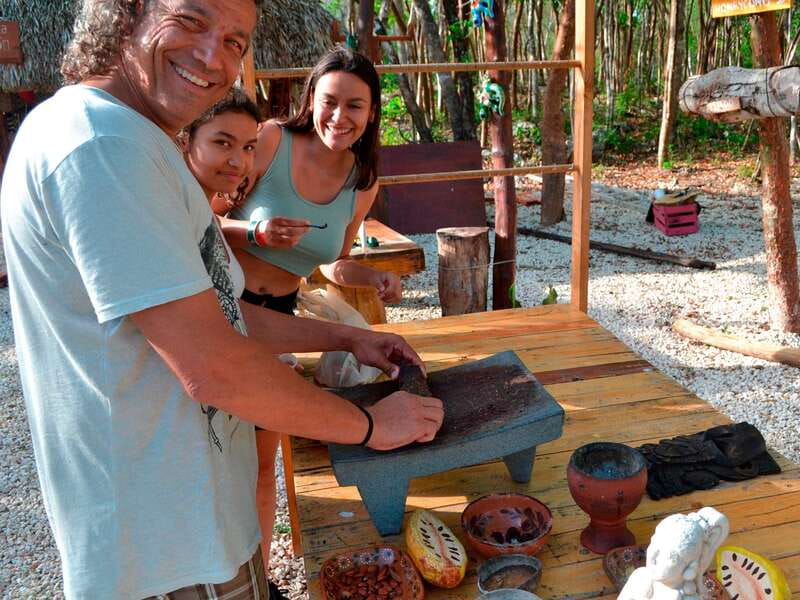
This is not just a chocolate tasting. It’s a 3-hour sanctuary-style experience built around one theme: cacao and honey through a Mayan lens, in a jungle setting outside the Tulum beach strip rhythm.
You’ll move through multiple parts of the day in a simple arc: cacao background → practical chocolate-making → stingless Maya bee and honey → honey soap → honey/chocolate-focused lunch → cenote swim. That flow matters because it turns ingredients into context. By the time you taste, you already understand where they come from and why locals treat them with respect.
If you like experiences that feel human-sized (not a conveyor belt), you’re in the right place. Several people describe it as relaxed, slow-paced, and family-run, with hosts who make the time feel like yours.
Meeting point in front of Starbucks: how to start smoothly
You’ll meet your guide at Chococacao Maya’s entrance, which is in front of the Starbucks Coffee at the Hotel Aldea Coba. Check in at the Shamans’ Palapa.
Why this matters: if you show up late or confused, you’ll miss the warm-up part of the experience. This one starts with intention—there’s a shaman blessing right after arrival—so arriving on time helps you settle in instead of rushing.
Language is Spanish and English, and you’ll have a live guide. Some people report a mild language barrier at times, but the staff tends to be patient, especially when families ask questions.
Shaman blessing and Mayan cocoa context before you touch cacao
The sanctuary begins when you arrive, and the group is guided through a short opening with a shaman. The blessing is described as a way to thank the ancient spirits of chocolate and honey and to prepare you to experience the day with the right mindset.
Then you’ll get an oral-history style tour from local folks. The core topic is Mayan cocoa—how seeds were used as a bargaining chip and how cacao became tied to culture and everyday life.
This is one of the best parts for most people because it changes how you look at chocolate. Instead of thinking of it as candy, you start thinking of it as a cultural tool: food, economy, tradition.
Roasting, grinding, and flavor-picking your organic chocolate
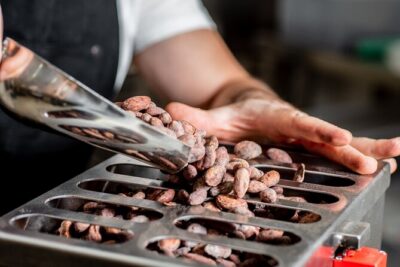
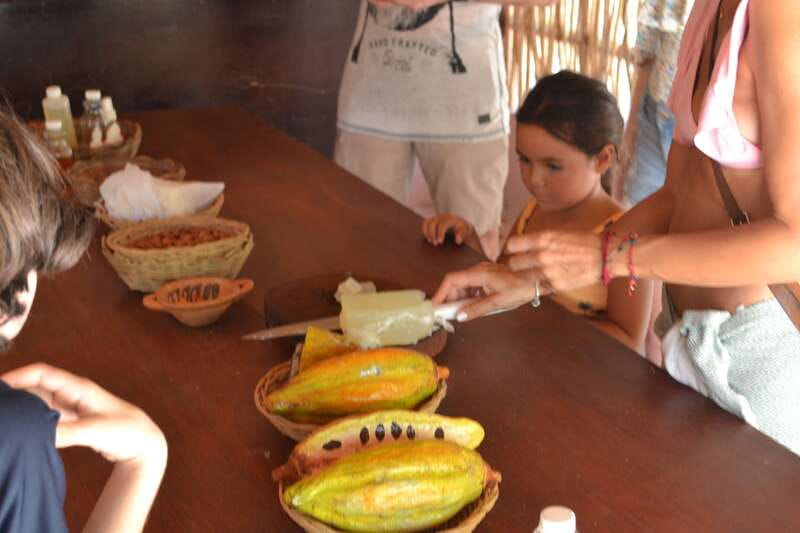
After the context, the day turns practical. You’ll learn the process of creating chocolate from cacao seeds: roasting, peeling, and grinding. You’ll hear about grinding using metates, which is the traditional stone method.
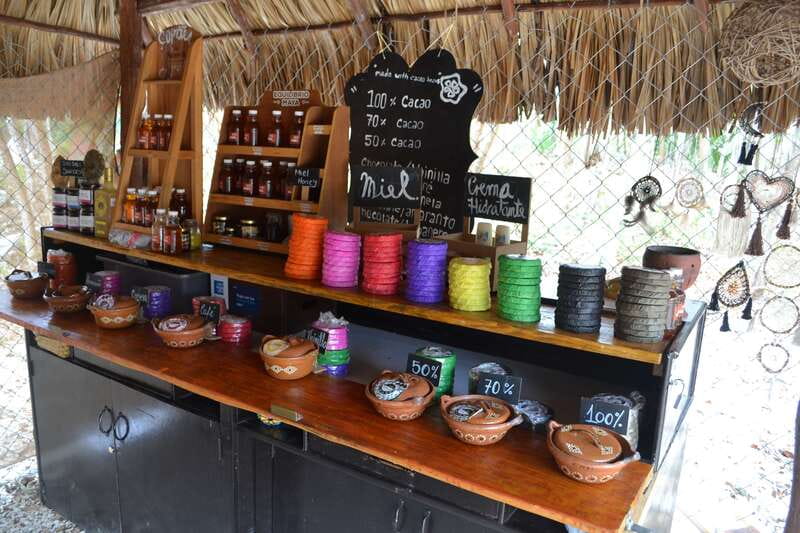
Then comes the part you’ll remember: choosing a personal mix-in and shaping your own organic chocolate. The options shared include flavors like vanilla, amaranth, coffee, and habanero. That range is the point. It shows how one base ingredient can become sweet, earthy, spicy, or aromatic depending on what you add.
A heads-up on expectations: some participants report that certain steps are more guided demonstrations than full DIY. If you’re okay with hands-on time being limited to key moments (and you enjoy learning along the way), you’ll likely love this. If your personal goal is to fully control every step, you might wish you could do more.
Either way, the workshop format is the reason this tour feels different from a quick tasting.
Maya bee conservation and honey soap you can take home
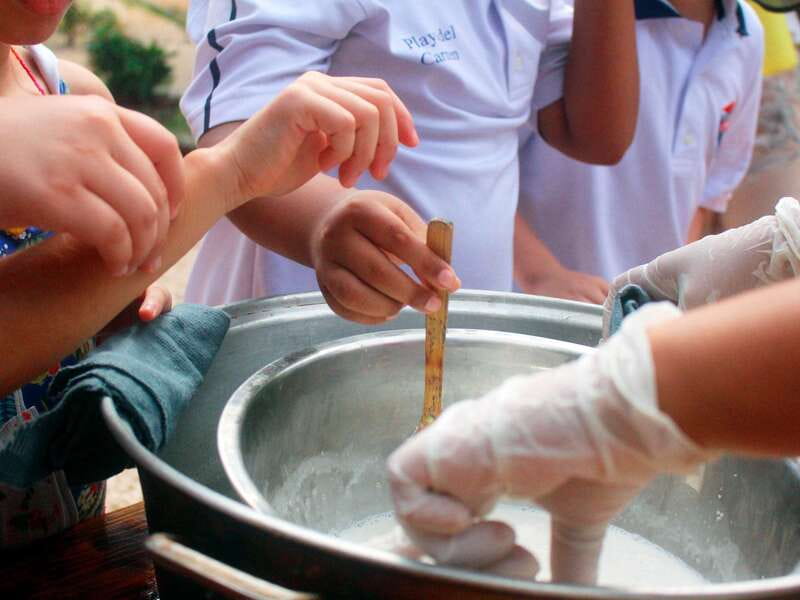
Next you shift from cacao to honey. You’ll take part in a workshop on conservation of the Maya bee, described as the only bee in the world that does not have a stinger.
That detail isn’t just trivia. It’s tied to the sanctuary’s mission: protecting the bee and the honey it produces. The day also frames honey as having unique flavor and medicinal uses, and you’ll learn about its multiple uses throughout the workshop.
Then you move into the honey soap experience. You make honey natural soap using your hands, and you can take a product home after the workshop. Even if you’re not a “soap person,” the activity gives you something practical: you leave with an item that links back to the sanctuary work, not just a souvenir label.
One small note from real experiences: in rare cases, people didn’t get to fully make soap due to ingredient availability. If you’re traveling with kids or have your heart set on soap-making, it’s smart to be enthusiastic about learning, even if the exact hands-on portion varies.
Lunch built around honey and chocolate, not just a token meal
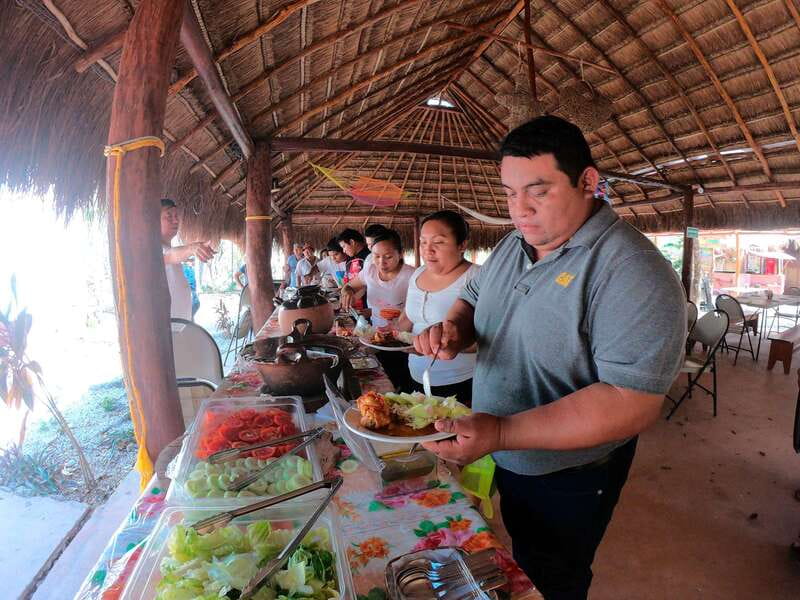
The included meal is one of the strongest value points in this tour. You’re not just offered a snack. You taste a gourmet-style organic meal built around honey and chocolate flavors.
The exact menu can vary, but examples include dishes like chicken with chocolate sauce. That kind of pairing matters because it shows chocolate as savory and honey as an ingredient that can deepen food flavors rather than only sweeten.
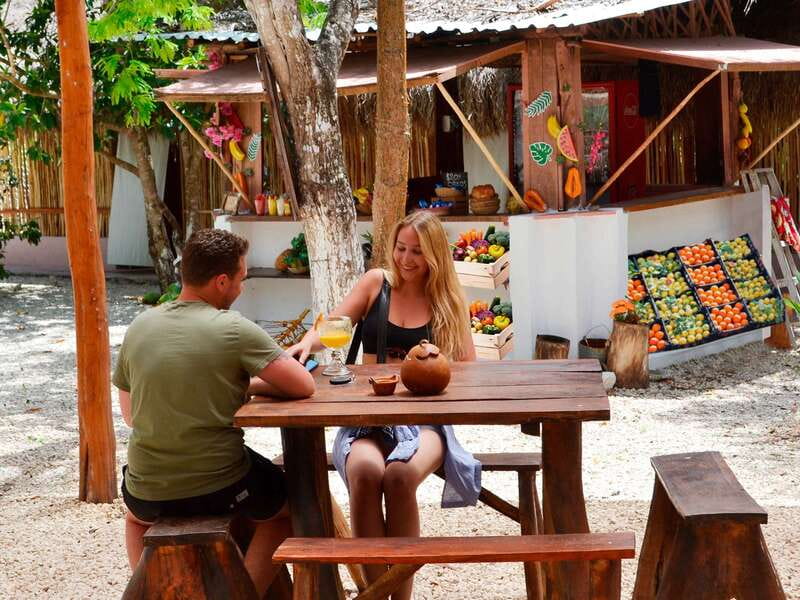
You’ll likely eat in a calm, cared-for way after the workshops. Several people mention feeling well taken care of during the meal, and the pacing here is gentler than most activity-heavy days in the Tulum area.
Also, drinks are not included. If you drink more than a small amount of water during warm jungle activities, plan to buy water or other drinks separately.
Cenote swim with a sacred-water story and practical swim tips
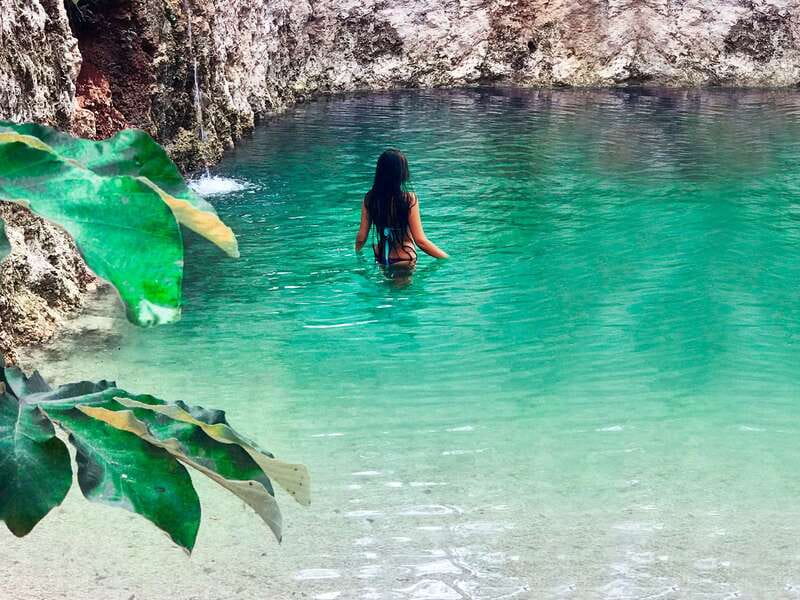
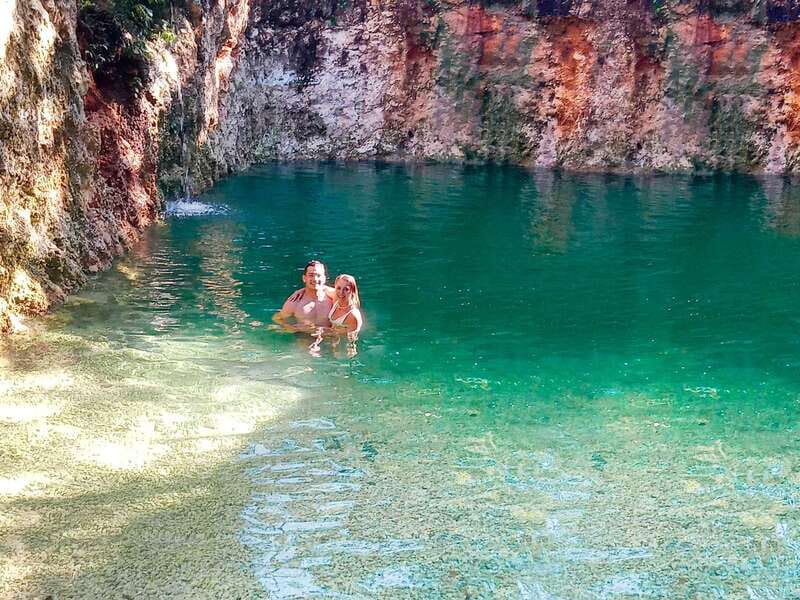
After lunch, you swim in a cenote with crystal water. The tour frames it as sacred waters, with a legend that each swim adds one or two years to your life. I’d treat that as story—what you’ll actually notice is the clean, cool water and the instant reset it gives you after workshops and heat.
Two practical points:
- Bring water shoes. Cenotes can be slippery underfoot, and standard sandals often feel like a bad idea.
- No life jacket is included. Only do the swim if you’re comfortable as a swimmer.
Also bring a towel and a change of clothes. You’ll be happy you planned for the wet part, not just the educational part.
Pace, group size, and how hands-on the day feels
This experience is 3 hours, which is a sweet spot. Long enough to learn and make things, short enough that you’re not exhausted by mid-afternoon.
That said, the balance of hands-on vs watch-and-listen can vary. Some people found it more hands-on than others. A common theme in the feedback: you learn a lot, but you might not grind every single second yourself.
If you prefer a slower, calmer pace, this is a good match. Several experiences describe it as peaceful and not packed or rushed, and in at least one case people even got to choose the order of activities because the group was small.
If you’re traveling as a couple or family, you may get more of that personal attention vibe. For larger groups or busy days, the pace could feel more structured.
What to bring for a comfortable 3-hour jungle visit
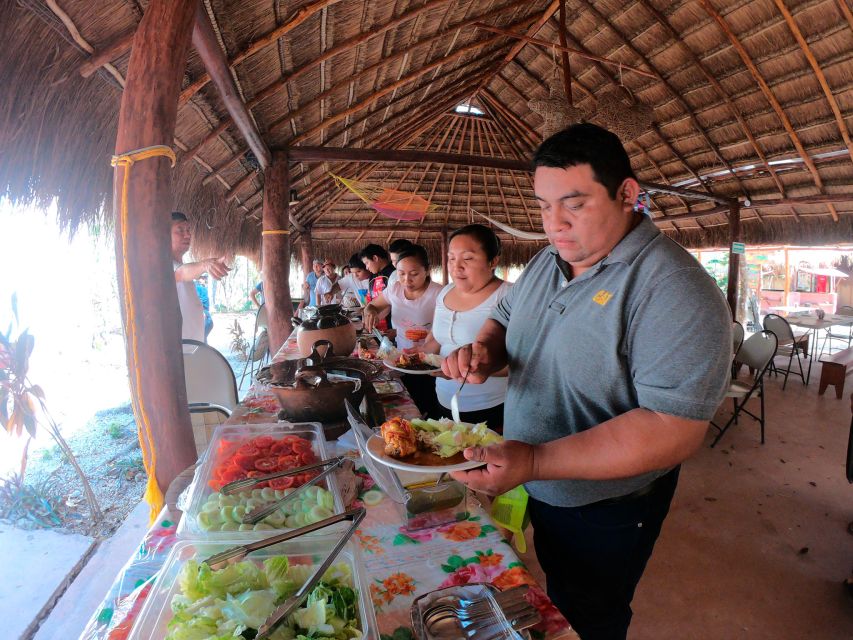
The sanctuary setup is outdoor and warm. Pack for comfort, not just for the photo.
Bring:
- Comfortable shoes
- Swimwear
- Change of clothes
- Towel
- Biodegradable sunscreen
- Comfortable clothes
- Water shoes
- Biodegradable insect repellent
Why this list matters: you’ll be in sun and near water. Repellent helps because you’re in jungle space, and biodegradable products are often the expectation in nature-focused areas.
If you tend to get cold easily after swimming, consider bringing a light layer for the walk back in dry clothes.
Price and value: is $59 worth it for a chocolate-to-cenote day?
At $59 per person, you’re paying for a full package: workshops (chocolate and honey soap), an educational guided experience, a meal, and a cenote swim. That’s important because many “chocolate tours” are just a tasting and maybe a short story session. Here, the emphasis is on making, learning, and eating—plus the cenote finish.
You do need to factor in what’s not included: drinks and a life jacket. But the included items cover most of what you’d normally pay for separately in the Tulum area: a structured food experience, a craft workshop, and the cenote swim element.
Value also comes from what you leave with. Making honey soap and picking a personal chocolate mix-in gives you tangible takeaways, not only memories.
If your goal is a no-stress, educational day that still includes a swim, this price is easier to justify.
Who this experience suits best (and who might want a different day)
This tour fits best if you want:
- A break from beach-party Tulum routines
- Hands-on food learning with cacao and honey
- A calmer, more intimate feeling day
- A unique souvenir you made (honey soap) plus edible takeaways (chocolate tasting and lunch)
It might be less ideal if:
- You want a high-energy, fast-paced attraction with constant action
- You need every workshop step to be fully DIY, without any watch-and-learn moments
- You’re not comfortable swimming without a life jacket
Families can do well here. One parent-focused experience noted a strong host relationship with kids and a welcoming feel.
Should you book this Tulum Chocolate & Honey Sanctuary experience?
I think you should book it if you like food you understand, not just food you taste. The combo of cacao making, Maya bee honey education, honey soap, a proper honey/chocolate lunch, and a cenote swim is a smart use of time in the Tulum area.
Book it sooner if:
- You care about learning why cacao and honey matter
- You want something quieter and less “checklist tourism”
- You’re excited to leave with honey soap and personalized chocolate flavors
Skip it (or set your expectations low on hands-on) if:
- You want constant physical crafting the whole time
- You’re very sensitive to language gaps and need instant conversation flow
- You don’t plan to swim comfortably in the cenote
If you match the vibe, this is the kind of tour that makes Tulum feel more connected to its roots.
FAQ
How long is the Chocolate & Honey Sanctuary Experience?
It lasts about 3 hours.
Where do I meet the guide for this experience?
Meet at Chococacao Maya’s entrance, located in front of the Starbucks Coffee of Hotel Aldea Coba. Check in at the Shamans’ Palapa.
How much does it cost per person?
The price is $59 per person.
What’s included in the price?
The experience includes a host explanation, entrance to the sanctuary, the chocolate experience, honey soap experience, an organic meal, and swimming in a cenote.
Are drinks included?
No. Drinks are not included.
Is a life jacket included for the cenote swim?
No. A life jacket is not included.
What languages are the guides?
The tour guide provides Spanish and English.
What should I bring?
Wear comfortable shoes. Bring swimwear, a change of clothes, a towel, biodegradable sunscreen, comfortable clothes, water shoes, and biodegradable insect repellent.
Is the cenote swim required?
The experience includes swimming in the cenote, so plan around being comfortable in water.
Is it wheelchair accessible?
Yes, the experience is listed as wheelchair accessible.
Can I cancel and get a refund?
Yes. You can cancel up to 24 hours in advance for a full refund.
Can I pay later?
Yes. The booking offers a reserve now & pay later option.