REVIEW · UBUD
Ubud: Chocolate Workshop, Class & Tasting
Book on GetYourGuide →Operated by Bali Performances · Bookable on GetYourGuide
Chocolate starts as cocoa leaves, not bars. This Ubud experience pairs a cacao setting with hands-on chocolate-making and a tasting that teaches you how to notice flavor and texture, not just eat chocolate. I like that the whole thing is relaxed enough for families, yet structured enough for serious chocolate lovers to feel like they learned something.
One consideration: this can feel more like a guided workshop and chocolate molding moment than a slow, full bean-to-bar workshop, depending on the group flow. If you’re the type who wants every single step from cacao pod to finished bar with lots of time walking the plantation, keep expectations flexible.
In This Review
- Key highlights that matter
- Tebasari Coffee & Chocolate: where your day gets its start
- The chocolate class: what you’ll actually make (not just watch)
- How the cacao education stays practical
- The chocolate tasting: your quick training in flavor and texture
- If your booking includes Ayung River rafting: plan your energy
- Price and value: why $24 can be a good deal in Ubud
- Who this chocolate workshop is best for (and who should pass)
- Practical watch-outs: timing, weather, and the “walk vs. class” balance
- Should you book the Ubud chocolate workshop at Tebasari?
Key highlights that matter
- Cacao-to-chocolate basics: you’ll learn the process and why different steps change taste
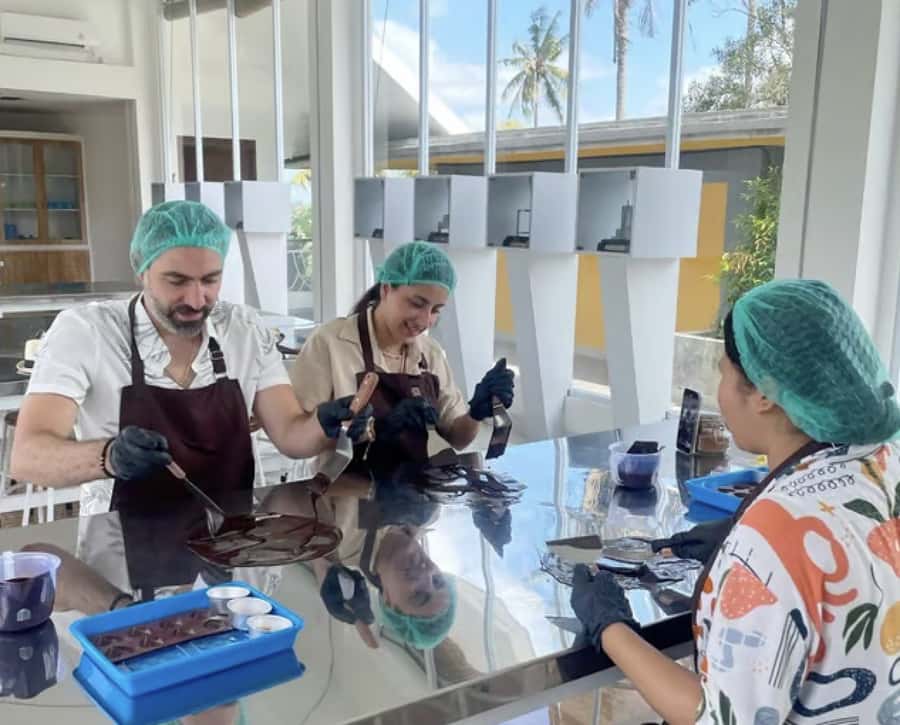
- Make-and-mold class: melting, mixing, and shaping chocolate with toppings
- Guided tasting: you’ll practice noticing flavor profiles and textures
- Kid-friendly chocolate fun: chocolate painting with no mold, plus kid toppings
- Staff that adapt: when weather hits, the team works to keep things pleasant
Tebasari Coffee & Chocolate: where your day gets its start
Most Ubud tours begin with a simple reality: you’re paying for time. This one saves you time by building the start around a single stop at Tebasari Coffee & Chocolate in Ubud’s Lodtunduh area (easy to find on Google Maps). If you choose hotel pickup, round-trip transfers cover Ubud and several popular nearby zones, though Uluwatu costs extra.
When you arrive, expect a mix of photo-time and guidance before you get hands-on. There’s a guided tour component tied to the chocolate experience, and the timing is built to keep you moving without feeling rushed every second. Wear comfortable shoes, because even short walks and outdoor areas can get muddy when Bali weather decides to change its mind.
If you’re pairing this with the longer day option, you’ll be stacking it after the chocolate block with a second activity later that takes up a solid chunk of time. That means you’ll want to plan snacks, water, and a change of shirt if you’re doing anything outdoors after.
The chocolate class: what you’ll actually make (not just watch)
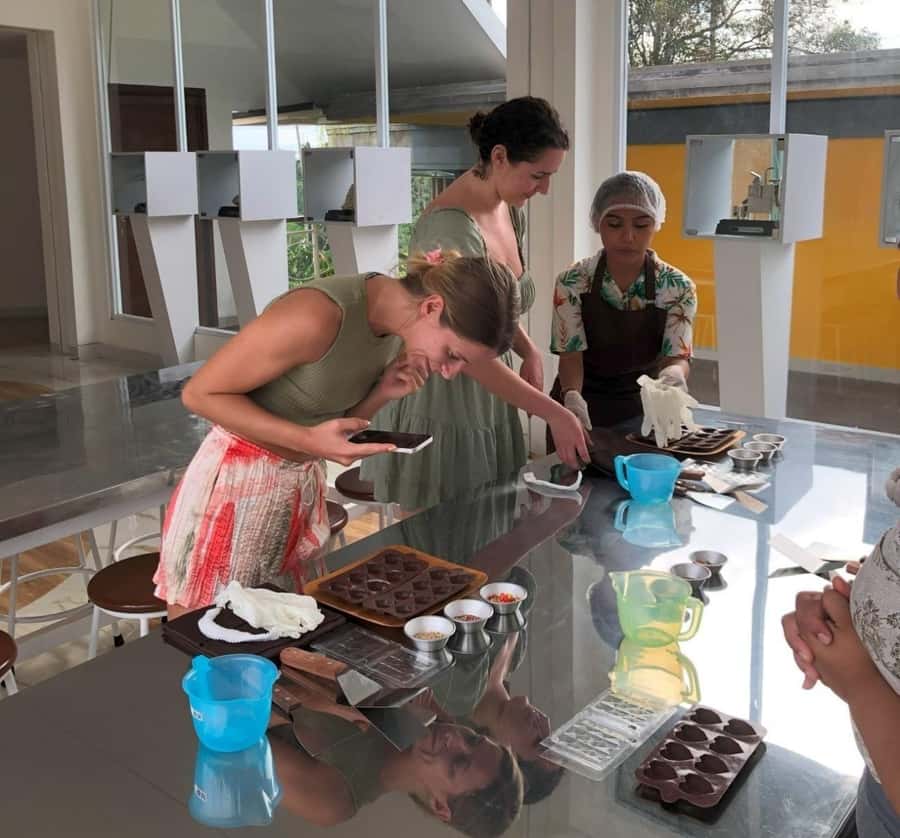
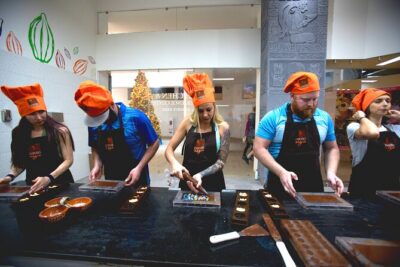
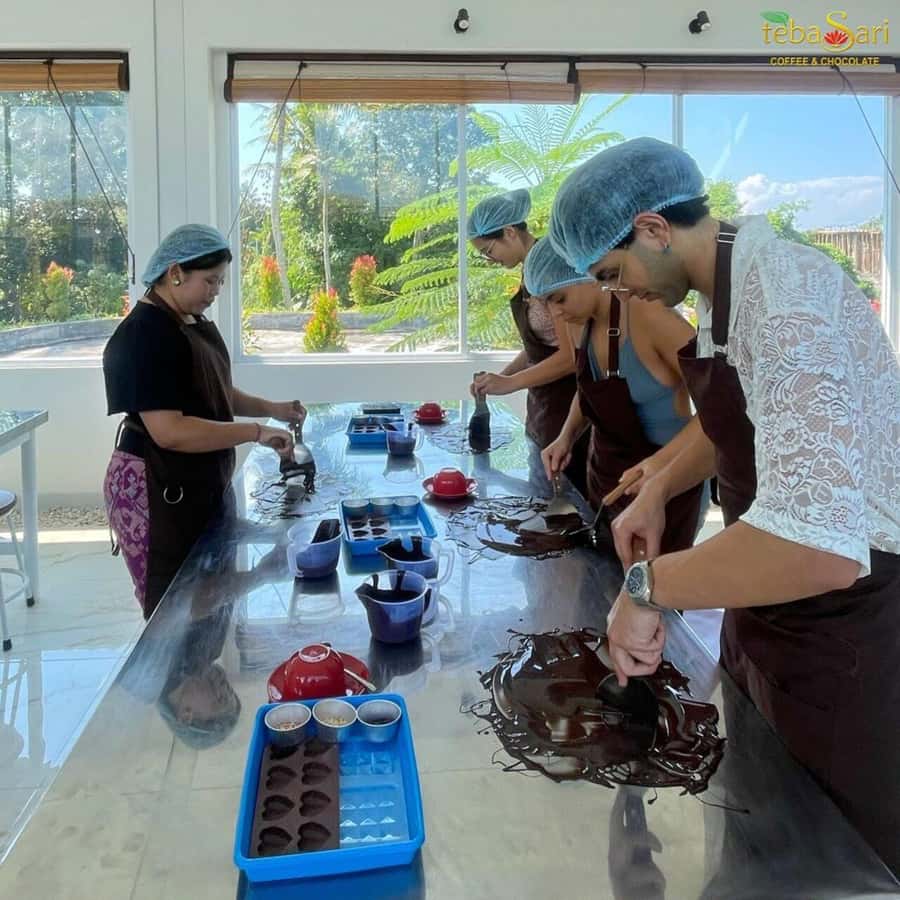
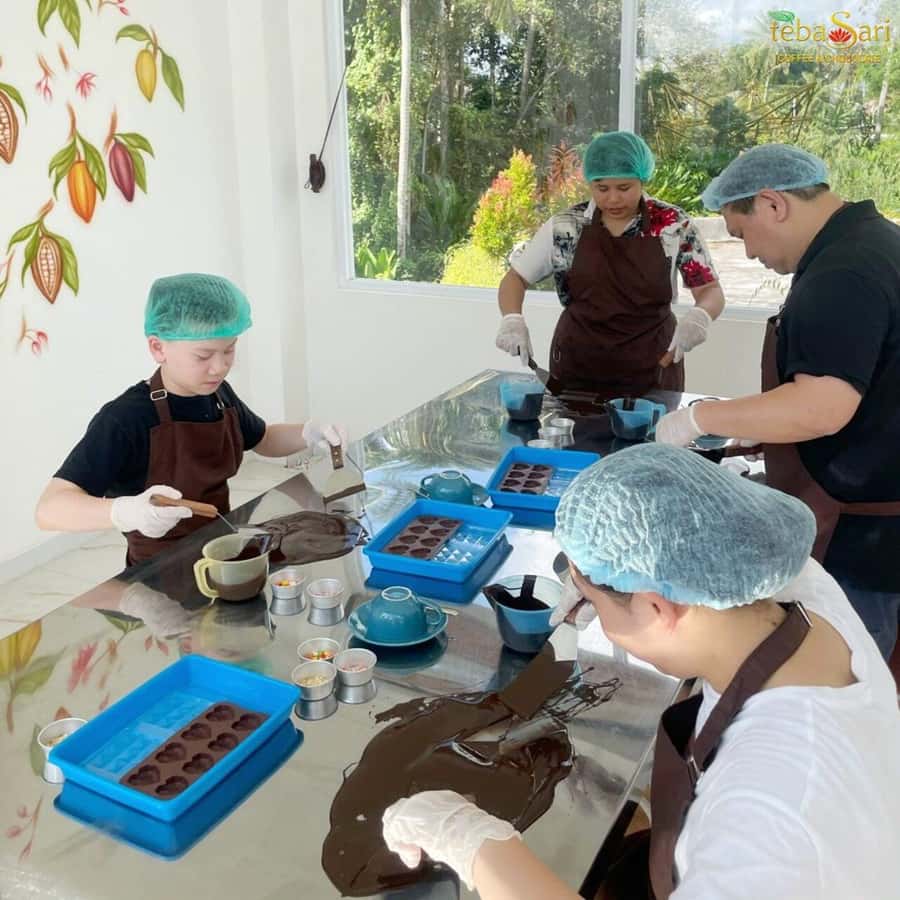
Here’s the big question: will you do real work, or will you mostly stand there? In this class, you’ll actively take part in the key moments: you’ll handle the workflow around chocolate, then participate in steps like melting, mixing, and molding (and yes, you’ll get to take part in finishing touches).
Adults are set up with 150gr of dark chocolate, which helps the workshop feel more than symbolic. You’ll also make a chocolate drink during the session, so you’re not only tasting what others made. That small detail matters—having both a drink and molded chocolate gives you two different ways to learn how sweetness, bitterness, and texture can shift.
The workshop also includes toppings and add-ons. Adults use three topping options: Balinese peanut, chocolate sprinkles, and chocolate chips. Kids get a separate, more playful activity: chocolate painting with no mold. It’s a smart approach when you’re traveling with children, because it reduces the wait-and-set frustration and keeps little hands busy without turning the whole thing into a waiting room.
One thing to note if you’re planning with a food coach mindset: the experience is not recommended for people with a chocolate allergy. It’s also not suitable for people with diabetes, and food allergies are listed as a no-go category. That’s not a minor footnote—if you need strict ingredient control, you should skip this one.
How the cacao education stays practical
The educational part isn’t just trivia. It’s built around how cacao turns into chocolate, and how that process affects what you taste later. You’ll get an intro to cocoa and chocolate basics—ingredients, flavor profiles, and the production process—then you’ll watch and participate as the class moves through the steps.
What I like about this format is that it doesn’t require you to be a chemistry student. You learn what changes when chocolate is heated, mixed, and shaped. Even if you only remember a couple of ideas, that’s enough to make your tasting more focused later.
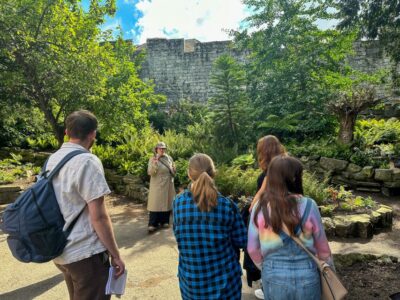
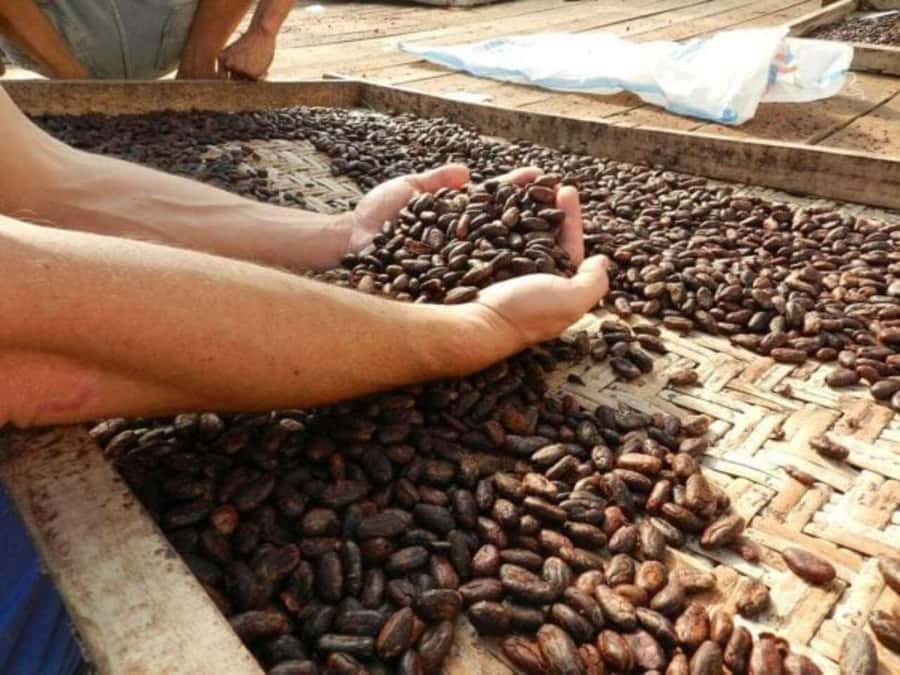
There’s also a cacao cultivation angle. The class is set in a plantation environment, and there’s a guided tour component designed to connect the food to the plant. If you’re hoping for a long, slow, quiet walk through every corner of the farm, you might want to manage expectations because the experience is time-boxed. But for most visitors, it’s a solid primer that makes the workshop feel grounded in place.
And based on real-world moments, the staff’s style is something to consider. In one case, the team stayed mindful of young nieces during a sudden downpour, keeping the experience enjoyable rather than chaotic. That gives you a clue about how they handle real conditions, not just ideal sunshine.
The chocolate tasting: your quick training in flavor and texture
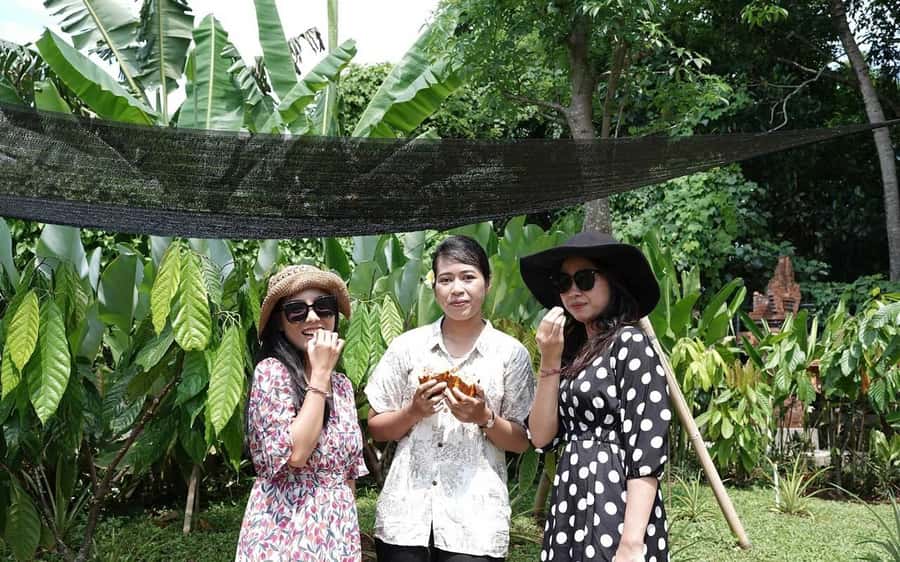
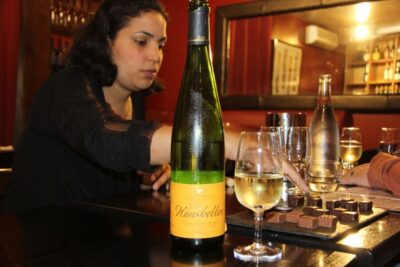
Tasting is where the class turns from fun to useful. You’ll get a guided chocolate tasting where you learn how to identify flavors and textures while sampling freshly made chocolate. The goal is simple: train your mouth to notice what you normally swallow past.
You won’t just be eating chocolate—you’ll be learning how to compare. Texture cues matter here: how it melts, whether it feels smooth or slightly gritty, and how toppings change the bite. Flavor cues matter too: how dark chocolate can taste more bitter and how that bitterness can highlight other notes rather than flatten everything into sweetness.
This is also the moment where you’ll see why the workshop includes a drink. When you taste chocolate and then have it in a beverage form, you can catch differences in how aroma carries and how sweetness balances. It’s a small pairing, but it makes the learning stick.
If your booking includes Ayung River rafting: plan your energy
Your day can include more than chocolate. Some versions of this outing add Ayung River rafting for about two hours. That changes how you should prep, because it turns your afternoon into active outdoors time.
If rafting is in your plan, prioritize comfort and practicality. Comfortable clothing is listed as recommended, and you’ll want shoes that can handle being wet. This matters because you’ll likely be transitioning from a workshop environment to a river setting.
Also think about timing. The chocolate experience is described as 1–3 hours total depending on start times and options, but adding rafting means you should plan on a longer stretch away from your hotel. If you get easily tired after sun and movement, consider whether you want the extra activity that day.
Finally, don’t count on perfect weather. The provider reserves the right to modify or cancel due to extreme weather, and rain is common enough that you should dress as if conditions might flip. One of the best things you can do is arrive early so the team can keep the schedule moving if delays happen.
Price and value: why $24 can be a good deal in Ubud
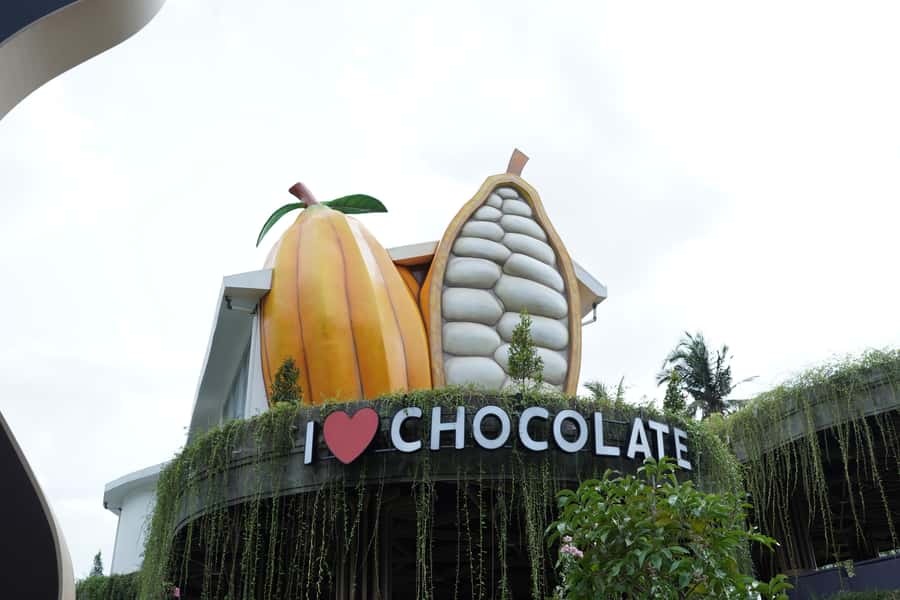
At $24 per person, this isn’t an expensive “see a chocolate factory” tour. It’s closer to a hands-on experience where you pay for instruction, ingredients, and the fact you leave with something you made. In places like Ubud, where many food experiences focus on tasting only, the value here comes from doing.
Look at what’s included:
- admission to Tebasari Coffee & Chocolate
- a 1-hour cocoa plantation and chocolate experience
- a chocolate drink you make
- a guided chocolate tasting
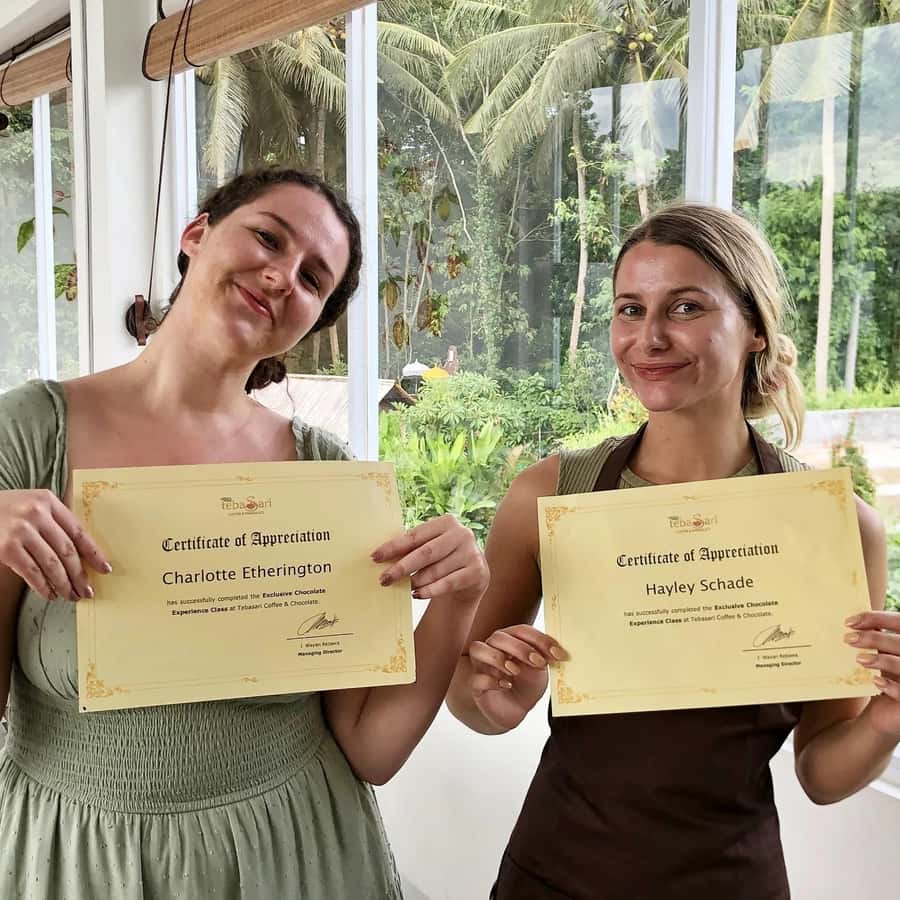
- certificate of appreciation after the class
- chocolate and toppings materials (including the adult 150gr dark chocolate)
- kid chocolate painting activity and toppings
That combination is the value story. You’re paying for a guided process plus consumption plus a take-away product (the chocolate you shape). If you also add hotel transfers, that can make the “effective price” feel even lower, since you’re not paying separately for getting there and back.
That said, one review concern that matters for value is expectation. If you expected a very hands-on, from-scratch, deep plantation-to-bar journey, some people felt disappointed when the workshop felt more like pouring melted chocolate into molds and adding toppings, with less plantation guiding than they hoped. So the value is best if you see it as a chocolate class and tasting experience in a cacao setting—not as a full production reenactment of the entire industry.
Who this chocolate workshop is best for (and who should pass)
This is built for broad appeal. It’s listed as suitable for families, couples, and chocolate lovers of all ages. The kid activity helps a lot—chocolate painting with no mold is designed to keep younger kids engaged without requiring complex timing and set-wait cycles.
If you’re traveling with kids who get bored fast, this format makes more sense than a pure tasting-only tour. If you’re a couple, the class-and-tasting vibe is a nice alternative to another temple stop. It’s also a good choice if you want something educational but not overly formal.
But skip this experience if any of these apply:
- you have a chocolate allergy
- you have food allergies that could be triggered by shared ingredients or handling
- you have diabetes
Those restrictions are included plainly for a reason: you’re eating and handling food in a shared workshop environment, and the provider says it’s not recommended for those situations.
Practical watch-outs: timing, weather, and the “walk vs. class” balance
Arrive 15 minutes early to avoid delays. Chocolate experiences run on a schedule, and time lost early often means you feel rushed later. Comfortable clothes and shoes matter because you’re outdoors part of the time, and weather can change.
Second, have a quick expectation check about the plantation touring. Some people found the experience stressful and felt there wasn’t enough guiding through the plantation, saying they had to ask for guidance. That doesn’t mean you’ll have the same issue, but it does mean you should plan to be proactive: if you want deeper plantation context, ask a clear question early, like what the next step is and what’s included in the guided portion.
Third, weather can matter. The provider can cancel or modify due to extreme weather, and when rain hits, the staff may adjust the flow. In one positive case, the team handled a sudden downpour while staying considerate toward young kids. That tells you they’re used to dealing with the real Bali weather pattern, not pretending it never happens.
Finally, if you’re expecting a heavy “craft” vibe like chocolatiers making everything from scratch, adjust your mindset. This is a class where you participate in key steps, then taste what you made and learn basics along the way. That can still be satisfying, but it’s not the same thing as a long artisan production bootcamp.
Should you book the Ubud chocolate workshop at Tebasari?
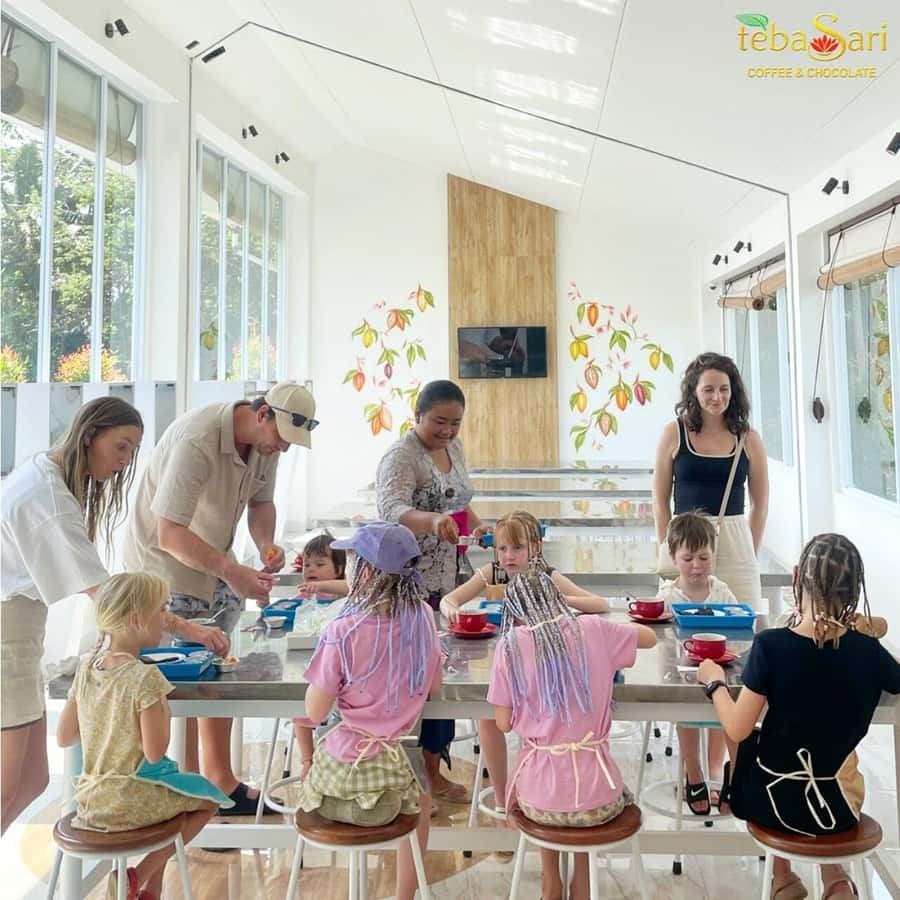
I think it’s a good booking if you want a hands-on chocolate-making class in a cacao setting, plus tasting and a drink, without needing special skills. At $24, the included ingredients, toppings, kid activity, and the certificate add up to solid value—especially if you’re traveling with family or you’d enjoy learning chocolate basics in a relaxed way.
Book with flexibility if you’re the type who expects a long, thorough plantation tour and a very slow, step-by-step bean-to-bar process. Some people have felt the workshop is more of a guided molding and finishing session. You’ll still likely have fun, but your satisfaction will depend on whether you want a class-and-taste experience or a deep production tour.
If your priority is chocolate plus education plus a fun setting, this one fits. Just remember the allergy and food allergy limits, show up early, and be ready for weather-driven schedule changes.