REVIEW · ABURI
Visit Aburi Garden, Tetteh Quarshie Cocoa Farm & Waterfall
Book on GetYourGuide →Operated by MrKindFly Tours and Travel · Bookable on GetYourGuide
Accra to cocoa and waterfall in one day sounds simple. Then you add Aburi Hill views and real cocoa tastings, and it becomes a practical taste of Ghana beyond the city. I love the relaxed walking pace at Aburi Botanical Gardens, and I really like that the cocoa stop is hands-on enough to lead into product tasting. The one drawback to plan for: Asenema Falls may feel small if you’re expecting a massive, postcard-scale cascade, and the stops move on to keep everything within a day.
This tour also has a clear rhythm: early pickup, guided time at each main site, then a return to Accra around 7:00 PM depending on traffic. With MrKindFly Tours and Travel, you’re working with an English live guide, plus the day is set up with entry tickets and a provided lunch. If you want a day with breathing room for photos and short walks (not a sprint), this fits well.
In This Review
- Key highlights worth knowing
- Morning pickup from Accra: why going early matters
- Aburi Botanical Gardens: a calm walk with real scenery
- Craft village finds: useful souvenirs, not clutter
- The extra Aburi hour: views on the way (and why it’s worth it)
- Tetteh Quarshie Cocoa Farm: learn the story, then see the work
- Cocoa tasting: small payoff, big understanding
- A note on expectations
- Lunch in Aburi: a real break, not just fuel
- Asenema Falls: rainforest walking and the truth about size
- Rain and walking comfort
- Price and value: is $180 a fair deal for one day?
- Who should book this day trip (and who might not)
- Final verdict: should you book?
- FAQ
- Where does the tour start and end?
- What’s included in the price?
- Is breakfast included?
- What are the main stops?
- How long is the tour?
- What language is the tour guide?
- Can I cancel for a full refund?
Key highlights worth knowing
- Aburi Botanical Gardens: guided stroll through tropical plants, flowers, and quiet spots for pauses and photos
- Craft village time: a chance to buy local artifacts while you’re already in Aburi
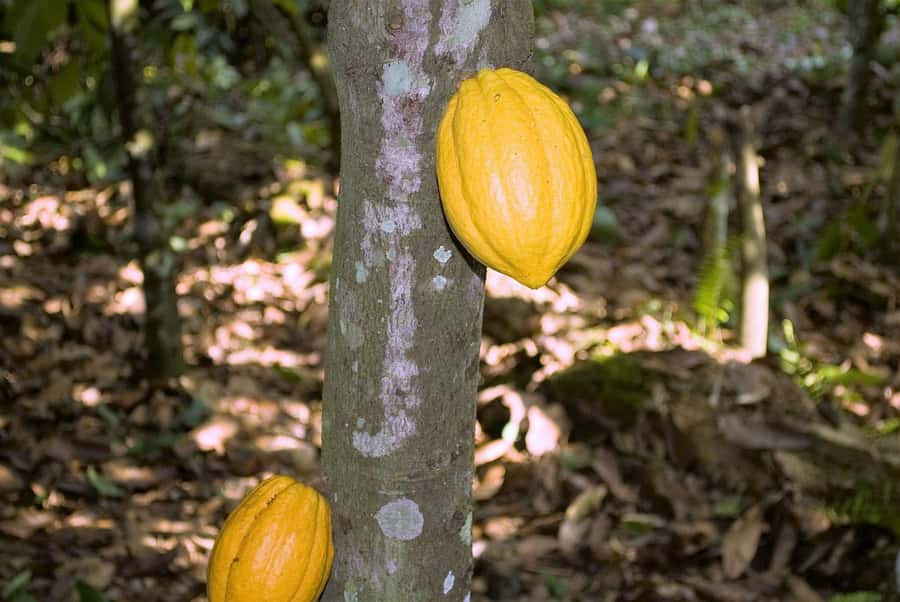
- Tetteh Quarshie Cocoa Farm: history plus the full process from planting to harvesting and drying
- Cocoa tasting: you may taste cocoa powder or chocolate made from what you learn about
- Asenema Falls trails: walk the area around the falls and take time to cool off in the rainforest feel
Morning pickup from Accra: why going early matters
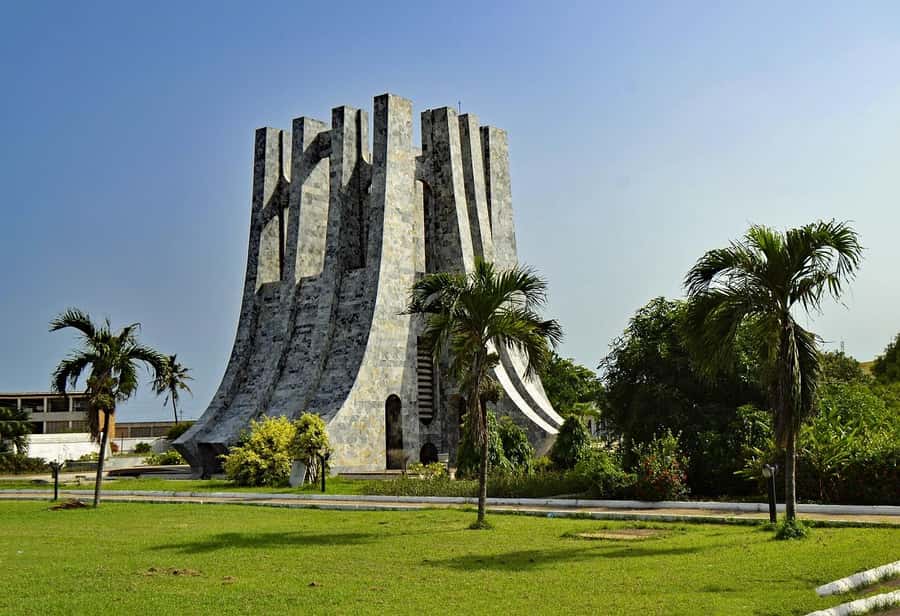
This is a one-day tour, and timing is the whole game. You’ll get picked up from your accommodation in Accra and start early so you actually have daylight for the Aburi Hills views and the waterfall walk later.
That early start also helps you avoid the most exhausting part of Ghana day trips: sitting in traffic. The tour is designed to be efficient without being rushed, with guided time built into each stop.
Aburi Botanical Gardens: a calm walk with real scenery
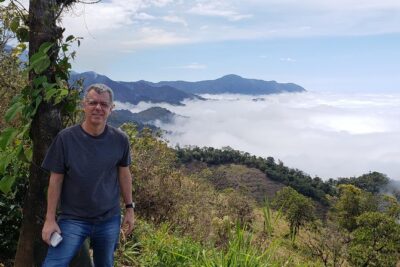
Aburi Botanical Gardens sit in the Aburi Hills, about 30 minutes from Accra. When you arrive, you’ll start with a guided visit (about an hour) that’s focused on plants, flowers, and atmosphere. The garden is known for a peaceful pace, so even if your legs are a bit sleepy after pickup, you can ease in fast.
What I like most is that this isn’t just a photo stop. The guide-style walk helps you understand what you’re looking at, and it gives you places to slow down where the light and views feel better. You also get panoramic overlooks within the gardens, with sights out over the surrounding hills and the city of Accra.
One practical note: Aburi can feel cooler than central Accra, but the walk is still outdoors. Wear something with decent grip, bring water (you’ll have it), and keep a light layer handy if the morning turns breezy.
Craft village finds: useful souvenirs, not clutter
After the gardens, you’ll have time to connect with the Aburi craft village area for local artifacts. This is the part I appreciate, because it’s built into the day instead of being shoehorned in at the end.
If you’re shopping in Ghana for woodwork, textiles, or small handmade items, doing it here has an advantage: you’ll be in the Aburi mood, not rushed from the other side of a city.
The extra Aburi hour: views on the way (and why it’s worth it)
There’s an additional hour in the Aburi area for sightseeing, walking, and scenic views along the route. This is the “in-between” time that many tours skip or replace with a long drive. Here, it matters because Aburi’s best reward is often what you notice when you’re moving through the hills rather than when you’re standing at a single fixed point.
This is also when you can pace your day. If you took lots of photos at the gardens and feel energized, you can stretch your legs a bit more. If you’re tired, you can keep it slower and just soak in the views without forcing extra walking.
Tetteh Quarshie Cocoa Farm: learn the story, then see the work
Next comes one of the strongest parts of the day: Tetteh Quarshie Cocoa Farm. It’s only about 15 minutes from Aburi, so you transition quickly from hills and gardens to working farmland.
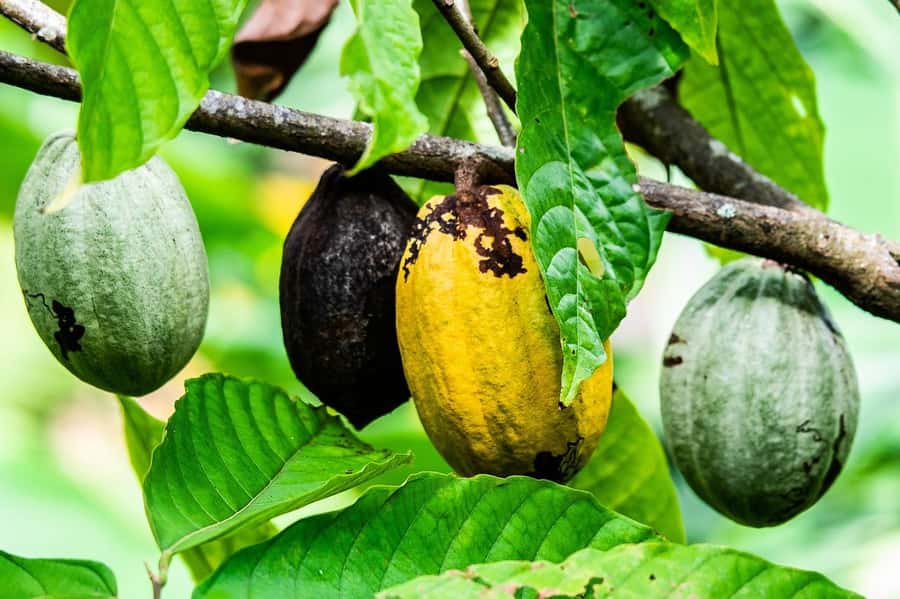
You get about an hour guided at the farm, and the focus is clear: cocoa history in Ghana and how cocoa cultivation actually happens. You’ll learn about the role Tetteh Quarshie played in introducing cocoa to Ghana, and then you’ll see the process from planting through harvesting and drying of cocoa beans.
This is the part where I think the tour earns its value. It’s easy to treat “cocoa” like trivia. Here, you can connect the dots between the plant, the processing steps, and what ends up in chocolate later.
Cocoa tasting: small payoff, big understanding
You may also get a chance to taste fresh cocoa products, such as cocoa powder or chocolate. Even if it’s not a full tasting buffet, it changes the way you remember the farm.
If you care about food origins, this tasting is a quick reality check. It turns cocoa from a general product into something you can picture as an actual crop with specific steps behind it.
A note on expectations
One consideration: some people find the farm highlights to be compact. If you’re hoping for a huge production site tour with lots of separate stations, you might feel the time is tight. Still, for most first-time visitors, the mix of history, process viewing, and tasting is a satisfying snapshot.
Lunch in Aburi: a real break, not just fuel
Lunch is included and lasts about an hour at a local restaurant. You’ll also have juice, snacks, and water provided throughout the day, which is a big help because the day moves between hills and rainforest without you needing to hunt down stops.
I like that the tour doesn’t treat food as an afterthought. When your day includes walking and heat changes, a scheduled meal keeps the experience enjoyable instead of turning into a hangry scavenger hunt.
Try to use lunch strategically. Eat earlier than you think you need if you plan to take more photos after lunch. And keep your pace calm—this day works best when you don’t sprint between stops.
Asenema Falls: rainforest walking and the truth about size
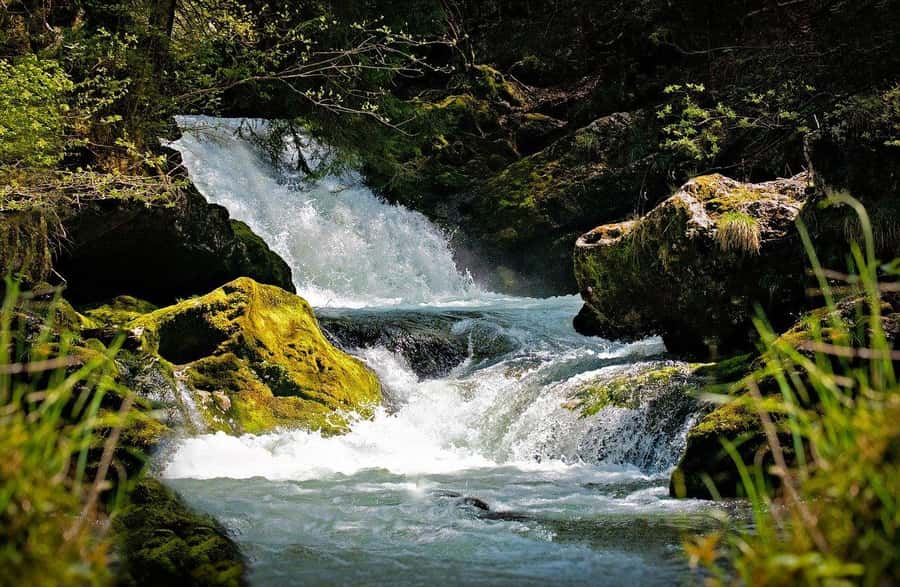
Asenema Falls is the final major highlight. You’ll drive there after lunch, and when you arrive you’re in another kind of environment: tropical rainforest with cascading water.
At the falls, you get time to explore the surroundings, walk trails around the area, and appreciate the scenery. You’ll have a chance to relax and just let the sound and mist do their thing.
Now the honest expectation-setting: Asenema Falls can feel smaller than the biggest waterfalls you might imagine. If you want a towering, wide waterfall experience, you may find it more intimate than you expected. If you’re okay with that, you’ll likely enjoy what the tour offers: a guided, walkable nature stop where you can get close, take photos, and cool down.
Rain and walking comfort
The day includes time on outdoor trails. If weather shifts, you’ll still be walking. In past experiences with this operator style, flexibility around timing can matter, especially when conditions change. So pack footwear you’re comfortable getting a little dirty in, and expect the rainforest can make surfaces slippery.
Price and value: is $180 a fair deal for one day?
At $180 per person for a 1-day tour, you’re paying for three things: transportation from Accra, guided time at each main stop, and meals/snacks. You also get entry tickets covered, which is often where “cheap” day trips quietly turn expensive.
Here’s what makes the pricing feel reasonable for the day:
- Pickup and drop-off in Accra saves you the hassle of figuring out local transport across multiple stops
- Entry tickets + lunch + water/snacks/juice reduce your day-to-day spending
- Two guided sites plus tasting time at the cocoa farm adds up to more than just scenic driving
The value will depend on what you want most. If you’re a “see a few sights with minimal learning” traveler, you might feel the day is more structured than necessary. If you like context—plants, cocoa production, and how landscapes change between Aburi and the falls—this pricing makes more sense.
Also remember: return timing depends on traffic, and that can affect how you feel at the end of the day. With early pickup and a late return around 7:00 PM, it’s not an ultra-lazy outing.
Who should book this day trip (and who might not)
This tour is a good match if you:
- want a first-time Ghana day beyond Accra without needing to plan multiple tickets and routes
- like guided explanations tied to what you’re seeing, especially at the cocoa farm
- enjoy short walks with viewpoints rather than long hikes
You might skip or adjust expectations if you:
- are chasing a massive waterfall experience and want something much larger than what a day-trip site typically offers
- prefer very open-ended wandering with no scheduled guide time
It’s also a smart choice if you’re pairing this with other Ghana programs. A compact one-day format helps you fit more into a short trip without sacrificing quality.
Final verdict: should you book?
I’d book this tour if you want a well-paced day with three distinct experiences: Aburi Gardens, cocoa education with tasting, and a rainforest waterfall walk. The strength is the mix—plants and views in the morning, farming and food in the middle, then nature and cool-down time at the end.
If your top priority is a huge waterfall or you dislike guided structure, go in with realistic expectations about scale. But if you’re the type who likes learning why things matter—especially cocoa—you’ll likely leave feeling like your day had purpose.
FAQ
Where does the tour start and end?
It starts with hotel pickup from Accra and ends with drop-off back in Accra. You arrive back around 7:00 PM, depending on traffic.
What’s included in the price?
Included are hotel pickup and drop-off, entry tickets, lunch, juice, snacks, and water.
Is breakfast included?
No. Breakfast is not included.
What are the main stops?
You’ll visit Aburi Botanical Gardens, Tetteh Quarshie Cocoa Farm, and Asenema Falls, with time for sightseeing in the Aburi area and lunch during the day.
How long is the tour?
The experience is listed as 1 day.
What language is the tour guide?
The live tour guide provides the tour in English.
Can I cancel for a full refund?
You can cancel up to 24 hours in advance for a full refund.