REVIEW · HOI AN
Alluvia Hoi An Chocolate Making Class
Book on Viator →Operated by Alluvia Chocolate-making class Hoi An · Bookable on Viator
Chocolate and cacao in Hoi An, in two hours.
At Alluvia Chocolate House Hội An, you’ll learn the basics of Vietnamese chocolate making, from cacao pod to finished bar, with a hands-on class designed for small groups. I like the small class size (up to 6 people) and the fact you make and take away chocolate you actually shaped yourself. One thing to plan for: the classroom runs cool (around 16–20°C), so bring a light layer.
You’ll start with cocoa tree and cacao production basics in Vietnam, then move straight into making chocolate with local ingredients. The format is short but practical: you’ll get tempering instruction for dark chocolate, make a 30g chocolate bar, and learn how to wrap it neatly. You can also choose other styles like pralines or truffles, and milk chocolate is an option with a small extra charge.
In This Review
- Key highlights to know before you go
- Alluvia Hoi An: what a 2-hour chocolate class really feels like
- From cacao tree to chocolate bar: the Vietnamese lesson you’ll use later
- Tempering dark chocolate: why that step matters for a smooth result
- Making your 30g bar and wrapping it for take-home success
- Pralines and truffles: turning one batch into different textures
- Drinks, breaks, and the no-lunch reality in Hoi An
- Group size, location, and how to plan your afternoon
- Price and value: is $21.76 worth it in Hoi An?
- Who should book this class (and who might skip it)
- Should you book Alluvia’s Hoi An chocolate making class?
- FAQ
- How long is the Alluvia Hoi An chocolate making class?
- What time does the class start?
- Where do I meet for the class?
- What’s included in the price?
- Can I make both dark and milk chocolate?
- Is lunch included, and what should I wear?
Key highlights to know before you go
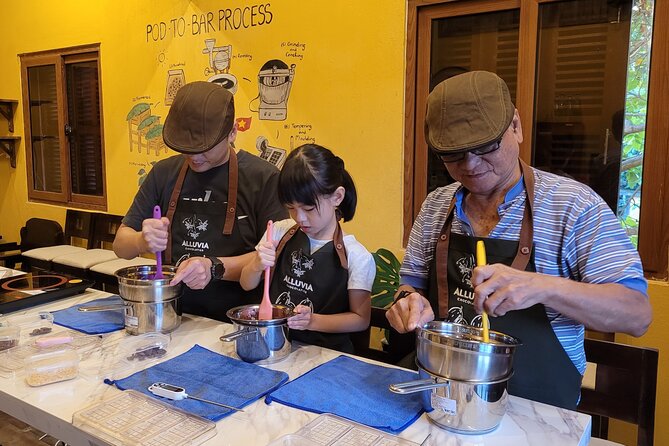
- Pod-to-bar walkthrough focused on Vietnamese cacao and chocolate making
- Dark chocolate tempering with hands-on guidance
- Make a 30g bar and learn simple wrapping technique
- Pralines and truffles practice using chocolate and added ingredients
- Small group setting (maximum 6 travelers) for more attention
- Free drink and water refills included, but no full meal
Alluvia Hoi An: what a 2-hour chocolate class really feels like
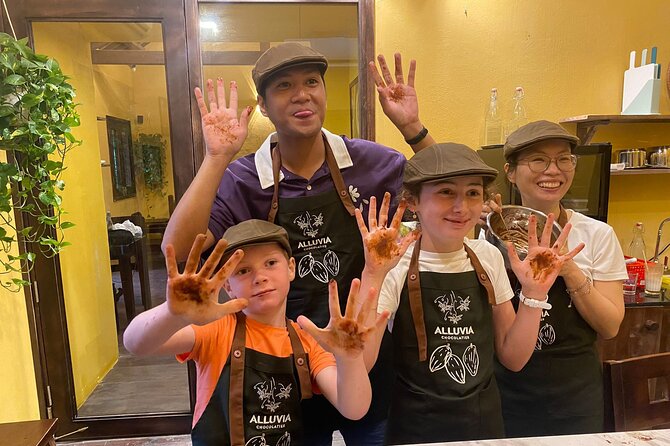
This is the kind of activity that works well when you want something real, not just a quick photo stop. You’re at a working chocolate house setting, and the class is built to move at a pace that keeps you doing the work instead of watching from the sidelines. Expect about 2 hours total, starting at 2:00 pm, and ending back where you meet.
The biggest difference here is that you’re not just learning terms like cacao or tempering. You’re doing the steps that matter: handling ingredients, following technique, and turning it into finished sweets you can share (or keep). With a maximum of 6 people, it’s also easier to ask questions without feeling rushed.
From cacao tree to chocolate bar: the Vietnamese lesson you’ll use later
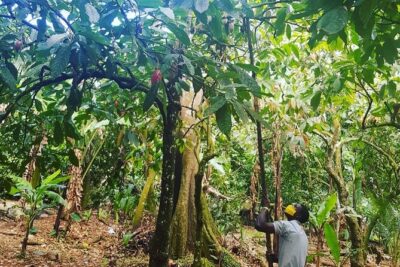
Before you touch chocolate, you get context on what’s actually going on with cacao in Vietnam. The class covers cacao tree characteristics and how cacao is produced there, then ties that to the way Vietnamese chocolate is made from local ingredients.
Why this matters: chocolate “just happens” to a lot of people when they buy it at a store. In this class, you connect the dots from raw material to finished product. Once you understand the basic flow, you’ll know what to look for when you buy chocolate later, like the idea that different processes and ingredients can change texture and flavor.
You also get the kind of practical tips that help you avoid common home mistakes. Tempering, for example, is one of those topics where small errors show up fast in the final result. Learning the steps in a guided setting makes it far less intimidating to try again later.
Tempering dark chocolate: why that step matters for a smooth result
The class includes tempering instruction for dark chocolate. Tempering is the technique used to help chocolate set with the right snap and a smoother finish. If you’ve ever had chocolate turn dull or soft, you already know why this step gets attention.
In this course, tempering isn’t treated like a mysterious chef trick. You’re instructed directly, and you’ll get hands-on time as you work toward a finished bar. For many people, that’s the value: you don’t just hear that tempering is important—you learn what you do differently during that process.
And since the class is short, they keep it focused. You’re not sitting through a long lecture about chocolate science. You’re working through the steps that lead to a real outcome.
Making your 30g bar and wrapping it for take-home success
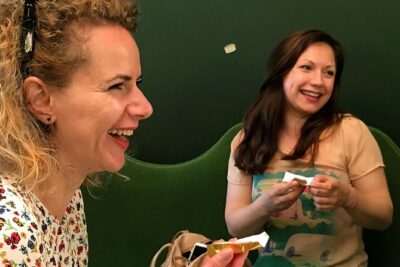
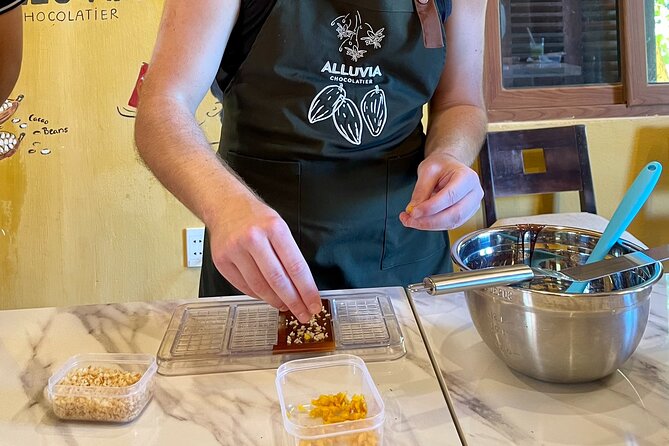
After the tempering guidance, you’ll make a 30g chocolate bar. This is a concrete target, not vague crafting. You learn the process as you form the bar, and then you’re taught how to wrap the bar with paper.
That may sound small, but it’s one of those details that makes the experience feel complete. If you’ve ever made something edible and then had it fall apart or melt before you could bring it home, you’ll understand why packaging matters. Here, the class gives you a simple wrap method so your finished chocolate is easier to transport.
You also get tips related to making chocolate in general. When someone gives you a few “watch for this” notes while you’re actively working, it helps you improve instead of starting over.
Pralines and truffles: turning one batch into different textures
Once you’ve worked on the bar, the class moves into chocolate pralines and truffles. You’re instructed to make these as well, which means you’ll experience another style of chocolate making beyond the clean lines of a bar.
The class also lets you choose your direction with other ingredients to make your own bars and sweets. This is a nice way to tailor the experience if you’re not just a dark-chocolate person.
What I like about the praline/truffle part is the variety it adds in a short class. It gives you a better feel for how texture and shape change depending on technique and ingredients, even when the chocolate base is the same.
Drinks, breaks, and the no-lunch reality in Hoi An
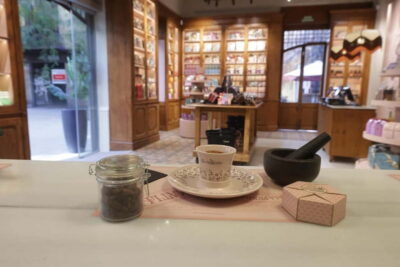
You get a free drink included (coffee and/or tea), and you can choose one drink from the menu. Water is available for refill, which is handy in a hot city like Hoi An.
Here’s the practical catch: no lunch is included. So if you’re taking the 2:00 pm start, think about food earlier. If you usually skip meals until afternoon, you might want a light snack beforehand so you’re not waiting for energy while you’re working with ingredients.
Also, plan for comfort. The classroom is cool, around 16–20°C. That’s a blessing if you’re coming from the heat outdoors, but you’ll still feel it in your hands and shoulders. Bring a light jacket or wear long sleeves so you’re warm enough to focus.
Group size, location, and how to plan your afternoon
The meeting point is at Alluvia Chocolate House Hội An, 36 Đ. Phan Chu Trinh, Phường Minh An, Hội An, Quảng Nam, Vietnam. The start time is 2:00 pm, and the class ends back at the meeting point.
It’s near public transportation, so you don’t need a private transfer to make it work. That’s helpful in Hoi An, where walking is great but streets can shift from easy to crowded quickly.
Booking-wise, this experience is often reserved ahead. On average it’s booked about 22 days in advance, and the class caps at 6 travelers, so if you want a specific day, don’t wait until the last week.
Price and value: is $21.76 worth it in Hoi An?
At $21.76 per person, the price is very reasonable if you look at what’s included, not just the word class.
You’re getting:
- equipment to make the bars, pralines, and truffles
- the chocolate and ingredients used during the lesson
- a free drink (coffee and/or tea from the menu)
- water refills
In other words, you’re not paying just for instruction. You’re paying for a guided path that ends with actual chocolate you shaped yourself. For a two-hour experience, that’s strong value, especially in a city where paid tastings can sometimes feel like you’re paying mostly to observe.
Is it a bargain for absolute chocolate lovers? Yes. But it’s also a good value if you want a learnable skill you can repeat at home. Tempering and making bars are teachable basics, and the class is structured around technique that transfers beyond the room.
Who should book this class (and who might skip it)
This works best if you like any of the following:
- you want a short, hands-on activity instead of a long tour
- you’re curious about Vietnam cacao and how local chocolate is made
- you want to learn a specific skill like tempering dark chocolate
- you like having a clear take-home result: your own 30g bar, plus truffles/pralines
You might consider skipping if:
- you expect a full meal as part of the experience (lunch isn’t included)
- you really dislike cool indoor rooms (the classroom is around 16–20°C)
Should you book Alluvia’s Hoi An chocolate making class?
If you’re choosing between “another casual activity” and something that teaches a real technique, I’d book this. The small group size, the focused pod-to-bar story, and the fact you leave with multiple chocolate creations make it feel complete for the time and price.
Also, if your schedule is flexible, the cancellation terms are friendly: you can cancel up to 24 hours before for a full refund. That reduces the risk if weather or plans shift.
The only real decision point is whether the no-lunch detail fits your day. If you plan a snack or earlier meal and pack a light layer for the cool room, you’ll have a fun, practical afternoon with chocolate you made yourself.
FAQ
How long is the Alluvia Hoi An chocolate making class?
It lasts about 2 hours.
What time does the class start?
The class starts at 2:00 pm.
Where do I meet for the class?
You meet at Alluvia Chocolate House Hội An, 36 Đ. Phan Chu Trinh, Phường Minh An, Hội An, Quảng Nam, Vietnam.
What’s included in the price?
The class includes equipment, the chocolate and other ingredients, and a free drink (coffee and/or tea, one choice from the menu). Water is also available for refill.
Can I make both dark and milk chocolate?
You can make dark chocolate as part of the course. Milk chocolate is an option, but there’s a small extra paid charge for it.
Is lunch included, and what should I wear?
Lunch isn’t included. You may want a snack earlier since the free drink is the only included refreshment besides water. The classroom is cool (about 16–20°C), so bring a light jacket or wear long sleeves.