REVIEW · OAXACA CITY
Cacao, Chocolate Experience in Oaxaca for Small Groups
Book on Viator →Operated by Chimalapa Cacao · Bookable on Viator
Some drinks taste like vacation math. This small-group cacao and chocolate experience in Oaxaca City walks you through how cocoa turns into different flavors, from pure cocoa to traditional-style chocolate.
I like that it’s built around 15 to 20 tastings of cocoa percentages and processes, so you’re not just eating chocolate—you’re learning what changes the taste. I also like the break built into the flow: a cocoa toast snack plus a house drink to wrap it up. One possible drawback: for $80.65, you’ll want to show up hungry for explanation and tasting, because it’s not a hands-off, one-bite show.
In This Review
- Key things I’d bet you’ll care about
- Oaxaca’s cacao lesson starts with flavor, not lectures
- The 15 to 20 tastings: what you’re really comparing
- How the guide connects Oaxaca cacao to what’s in your cup
- What happens in the first hour: cocoa to bars, step by step
- The cocoa toast break: snack time with a point
- Finishing with a house drink: where the flavors land
- Who this is best for (and who should skip it)
- Price and value in Oaxaca City: what you’re paying for
- The English-friendly hosting: why it affects your enjoyment
- Where it meets and ends: keep it simple
- What ratings and recommendations tell you
- Should you book the Oaxaca cacao experience?
- FAQ
- How long is the cacao and chocolate experience?
- How big is the group?
- Where does the experience start in Oaxaca City?
- Where does it end?
- Is it offered in English?
- What will I taste during the class?
- Is this experience suitable for vegans and families?
- Do I need a printed ticket?
- Is there free cancellation?
Key things I’d bet you’ll care about
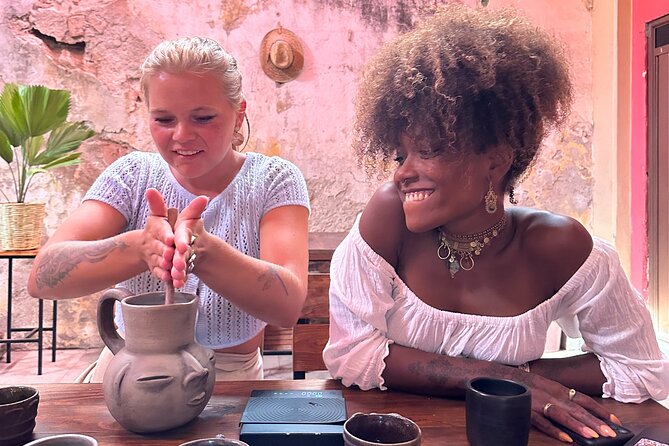
- Max 6 people keeps questions easy and the pacing relaxed
- 15–20 tastings across cocoa percentages, drinks, and bars
- Culture + traceability of cacao in Oaxaca, not just flavor talk
- Cocoa toast break (sourdough with organic ingredients) and a house drink
- English-led sessions (hosts you may meet include Lucy, Martín, Azo, Ruth, Elvia, and Diego)
- Vegans welcome based on the experience’s positioning
Oaxaca’s cacao lesson starts with flavor, not lectures
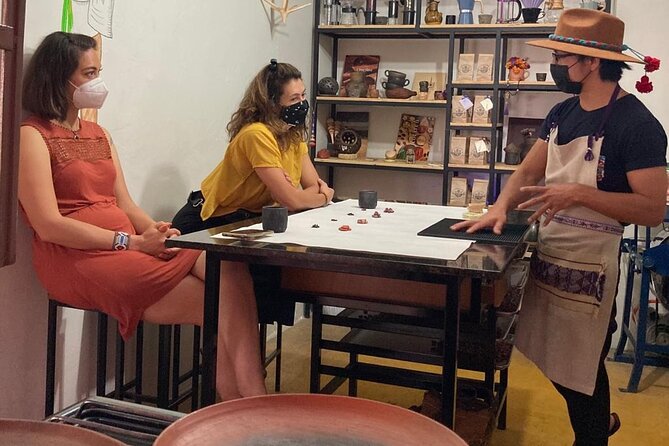
Oaxaca City is one of Mexico’s best places to learn what chocolate actually is. This 2-hour experience from Chimalapa Cacao uses the simplest teaching tool: taste. You’ll sample cocoa and chocolate in enough formats—nibs, powders, bars, and drinks—to start noticing differences right away.
What makes it interesting is the focus on process. You don’t just get a sweet outcome; you learn why natural cocoa, regional cacao, and different percentage profiles taste different. And because the group is capped at 6, the guide can slow down for questions instead of rushing everyone along.
You can also read our reviews of more tours and experiences in Oaxaca City.


The 15 to 20 tastings: what you’re really comparing
The tour is structured around comparing varieties and methods. Expect tastings that move across cocoa percentages, from pure cocoa (0% sugar) up toward more traditional chocolate profiles. You’ll also taste cocoa endemic to the region and natural cocoa, then see how those ingredients show up in drinks and chocolate bars.
Here’s how I’d approach it so you get your money’s worth. Taste in small bites, then switch from taste to smell. Cocoa flavors can be earthy, nutty, fruity, or even slightly floral—often the aroma tells you what your tongue hasn’t caught yet. If you have a sweet tooth, this is still fun, but the real payoff comes from noticing how the flavor changes as sugar changes.
Some sessions also include drinks and tastings that aren’t locked into one style. Reviews mention hot and cold preparations, plus variations made with water versus milk. That means you may get a broader sense of texture and how warmth affects aroma.
How the guide connects Oaxaca cacao to what’s in your cup
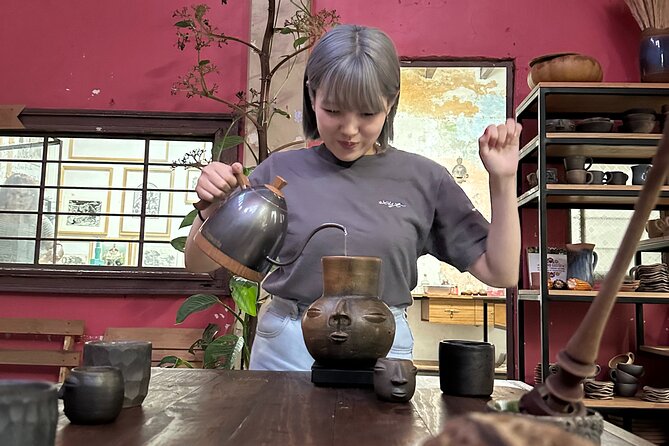
The tasting doesn’t stop at flavor samples. The experience includes a story about the traceability and culture of cocoa in Oaxaca. In plain terms, you’ll hear how cacao moves from plant and farming into production, and why local identity matters.
You’ll also get some science and craft talk mixed in. Multiple guides highlighted by name in reviews—like Elvia and Martín—are described as explaining how fermentation and refining influence what you taste. Even if you’re not chasing chemistry terms, that kind of explanation is useful because it turns random flavor into something you can predict.
If you’re the type who always wonders why one chocolate tastes like fruit and another tastes like smoke, this is your format. The class gives you the vocabulary to talk about it later when you’re buying bars in Oaxaca.
What happens in the first hour: cocoa to bars, step by step
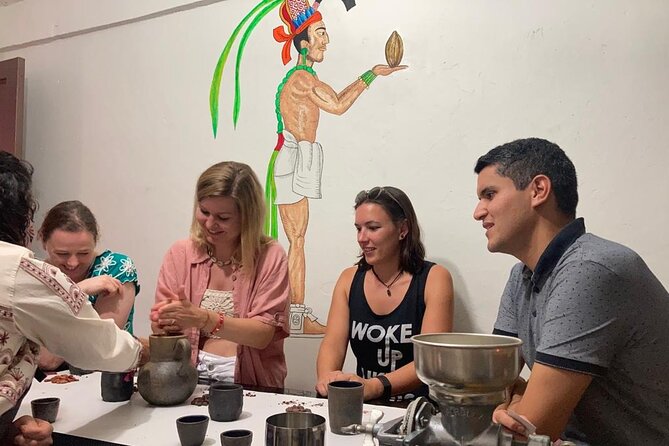
The experience runs about 2 hours total, starting at 5 de Mayo 210, Ruta Independencia, in Oaxaca’s Centro. It ends back at the meeting point, which keeps the logistics simple—no transfer to a far workshop outside the city center.
Early in the session, you can expect a progression from stronger, less processed cocoa toward more traditional chocolate. That’s a smart way to set your palate, because pure cocoa helps you calibrate bitterness and aroma before sugar smooths everything out.
The tastings are described as 15 to 20 different presentations. That’s a lot for two hours, so the pace will likely feel lively. Still, the small group size helps. If you want to ask why a certain nib tastes different from the powder, you’ll have a decent chance of getting an answer.
Also, this is offered in English, and reviews praise hosts for clear communication. That matters in a food class, because the details can get lost if the guide can’t match your language level.
The cocoa toast break: snack time with a point
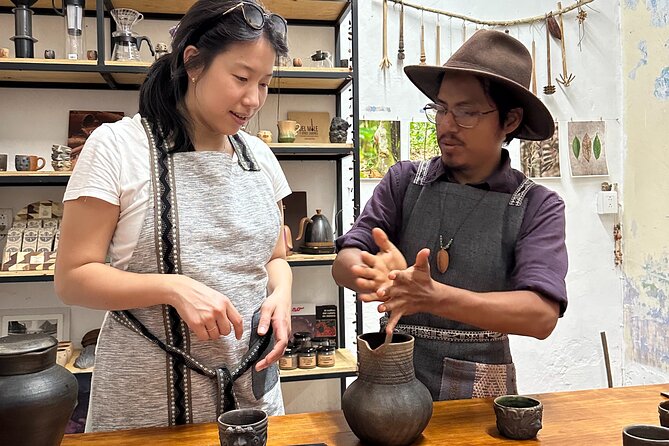
Midway through, there’s a short break with a cocoa-based sandwich. The sample menu lists sourdough bread with organic ingredients, paired with cocoa.
This matters more than it sounds. Chocolate tastings can overwhelm your palate fast, especially when you start with 0% sugar cocoa. The toast gives you a neutral baseline so the next samples don’t all taste like sugar and cocoa dust.
One review mentions additional treats at the end, such as strawberries and an Oaxacan-style affogato. That’s not listed in the sample menu, so treat it as a session-dependent extra. Either way, the structure stays the same: snack, then a finishing drink.
Finishing with a house drink: where the flavors land
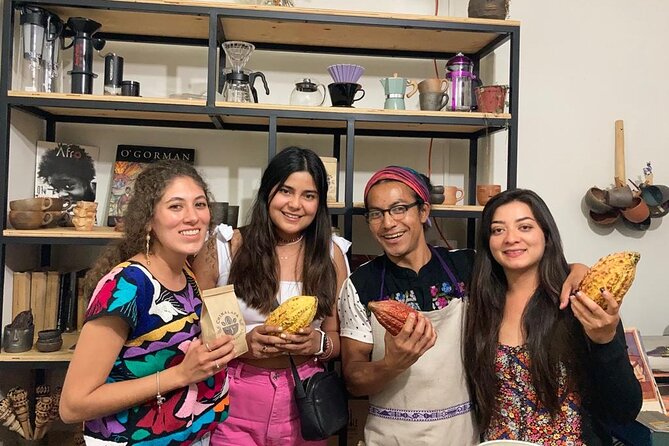
To wrap it up, you’ll finish with a house drink. Reviews describe versions like hot chocolate prepared with water or milk, and choices like hot versus cold.
This is your chance to connect the dots. If one sample earlier tasted more fruity, you can see whether that shows up more clearly in a warm drink. If a bar tasted too bitter for you, you might find a drink format that feels friendlier.
The drink finish also helps the class feel complete. You don’t just leave holding tasting notes; you leave with a cocoa experience you can keep thinking about while you walk around Centro.
Who this is best for (and who should skip it)
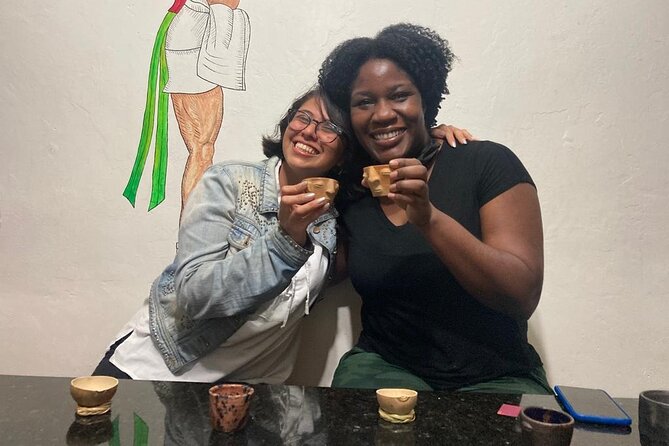
This experience is positioned as ideal for families, vegans, and anyone who wants to understand chocolate beyond the candy aisle. Based on the review notes, it also works well for kids when the guide stays interactive and patient. One family-focused review even described the experience as hands-on and fun for younger travelers.
If you’re a pure chocolate collector who just wants to eat, you might feel impatient with the explanation and the variety-driven pacing. That’s the one potential mismatch. It’s not a long farm visit or a full-day chocolate road trip. It’s a compact, tasting-heavy class.
If you’re vegan, don’t assume every sample is vegan-safe unless the guide confirms it for your session. But since the experience is described as ideal for vegans, it’s at least designed with that in mind. Bring questions at the start so you can enjoy every sample without worry.
Price and value in Oaxaca City: what you’re paying for
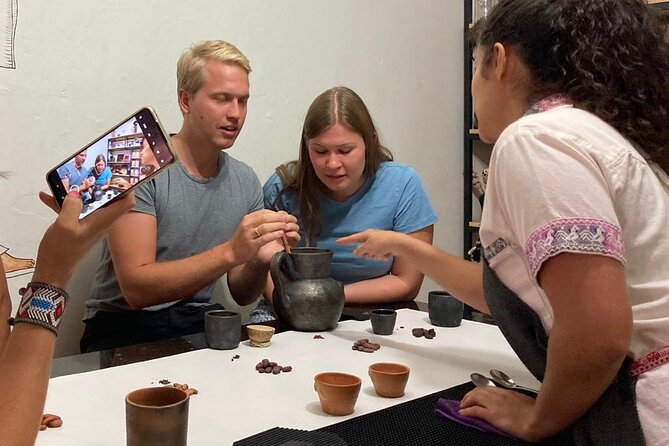
At $80.65 per person for about 2 hours, you might wonder if it’s worth it. Here’s what you’re buying, specifically:
- A maximum 6-person small group format
- 15–20 tastings across cocoa percentages and styles (including drinks and bars)
- A structured lesson connecting cocoa processes to flavor
- A snack break: cocoa toast on sourdough with organic ingredients
- A finishing house drink
- English-led hosting, with multiple named guides praised for clarity and humor
If you tried to copy this yourself—buying multiple cocoa products, finding tastings, and figuring out what differences matter—you’d quickly spend close to or more than the class price without getting the guide’s explanation. The class value is the combination: you taste a lot, then you understand what to taste next time.
The one caution is expectations. If you expect a relaxed browse-and-sip with minimal speaking, this may feel like more of a lesson than a casual snack break. But if you like learning while eating, it’s a strong use of your afternoon.
The English-friendly hosting: why it affects your enjoyment
This tour is offered in English, and reviews consistently highlight that the leaders answer questions clearly and patiently. In named examples, people mentioned Lucy, Martín, Azo, Ruth, Elvia, and Diego as hosts who made the time fun and understandable.
That matters because cacao talks can get picky: fermentation, refining, and why natural versus processed cocoa tastes the way it does. When the guide can explain those differences in plain English, your tasting choices improve instantly.
Also, you’ll likely hear a mix of history and practical production context tied to Oaxaca. Think: where cocoa fits culturally, and what makes local cacao distinct.
Where it meets and ends: keep it simple
The meeting point is 5 de Mayo 210, Ruta Independencia, Centro, 68000 Oaxaca de Juárez, Oax., Mexico. The activity ends back at the meeting point, which means you can plan your day around it without a long trek.
The venue is described as near public transportation, and you can use a mobile ticket. Service animals are allowed.
I’d recommend you plan this earlier in your Oaxaca food day, not as your final stop. After you taste cocoa in so many forms, you’ll want time to process it and make better buying choices at markets.
What ratings and recommendations tell you
The experience shows a 4.9 rating with 92 reviews and a 98% recommendation rate. That lines up with the most praised elements: lots of tastings, guides who answer questions, a beautiful setting, and food that stays part of the experience instead of feeling like an afterthought.
There is one lower rating in the set that complained about it feeling slower and less substantial than expected for the price. That’s a useful flag for you: if you prefer big “wow” production moments or a more active cooking class, this might feel more like a tasting-and-story workshop than a hands-on making session.
Should you book the Oaxaca cacao experience?
Book it if you want a small-group, tasting-focused afternoon where you learn why cocoa changes across processes and percentage levels. I’d especially recommend it if you like food education that stays practical—taste, compare, then learn what to look for when you shop later.
Consider another option if you expect a very interactive cooking class where you fully make a product from start to finish. This one centers on tasting 15 to 20 presentations, plus cocoa toast and a house drink, with culture and process explained along the way.
If you’re traveling with kids or you care about vegan-friendly options, this experience is positioned for that. Just come ready to ask questions so you know which samples fit your needs.
FAQ
How long is the cacao and chocolate experience?
It lasts about 2 hours.
How big is the group?
It’s limited to a maximum of 6 travelers.
Where does the experience start in Oaxaca City?
It starts at 5 de Mayo 210, Ruta Independencia, Centro, Oaxaca de Juárez.
Where does it end?
It ends back at the meeting point.
Is it offered in English?
Yes, the experience is offered in English.
What will I taste during the class?
You’ll taste different cocoa varieties and processes, including samples across cocoa percentages from pure cocoa (0% sugar) to more traditional chocolate, plus drinks and chocolate bars, with about 15 to 20 presentations.
Is this experience suitable for vegans and families?
It’s described as ideal for families and vegans.
Do I need a printed ticket?
No. It uses a mobile ticket, and you should receive confirmation at booking.
Is there free cancellation?
Yes. You can cancel for a full refund up to 24 hours in advance.