REVIEW · LA FORTUNA
Chocolate and Farm Tour with local Tico family
Book on Viator →Operated by Chocolate and Farm Tour · Bookable on Viator
Cacao starts as a tiny flower. This small-group tour in La Fortuna turns that flower into a hands-on lesson on Costa Rican cacao—with tastings, farm time, and a family welcome. You’ll walk the plantation, learn why cacao is treated like a sacred superfood, then drink it their way before you mold your own chocolate.
I especially like how personal this feels for $45. The group stays small (up to 12), and you’re meeting the family-run operation just outside La Fortuna, so it’s not a big bus-and-brochure vibe. The second big win: you get to taste the real cacao experience, including fresh cacao fruit and multiple cacao drinks, plus a hands-on finish with chocolate bar molding.
One thing to keep in mind: the chocolate bar step is participative, but it may depend on timing and how the tour flows. If making bars is a must for you, ask when you book so you show up with the right expectations (and plan your day so you’re not rushed).
In This Review
- Key things I’d circle on your map
- Why a local cacao and farm tour beats the usual chocolate stop
- Meeting point outside La Fortuna: plan your timing like a pro
- Touring the cacao plantation: flower-to-fruit in plain, visual steps
- Learning cacao as a sacred superfood (without the marketing haze)
- The drink lineup: ancient cacao traditions plus everyday hot chocolate
- Hands-on chocolate bars: mold yours and go wild with toppings
- Organic farm time for curious eaters and culture lovers
- Price and value check: why $45 makes sense here
- Who should book this cacao tour (and who might skip it)
- Should you book the Chocolate and Farm Tour?
- FAQ
- How long is the Chocolate and Farm Tour in La Fortuna?
- How much does the tour cost?
- Where do I meet the guide?
- Is this a small-group tour?
- What will I do during the tour?
- What kind of ticket do I get?
- Is free cancellation available?
Key things I’d circle on your map
- Small-group size (max 12) keeps it interactive and easier to ask questions.
- Meet just outside La Fortuna so you get farm time fast, then you’re free for the rest of your day.
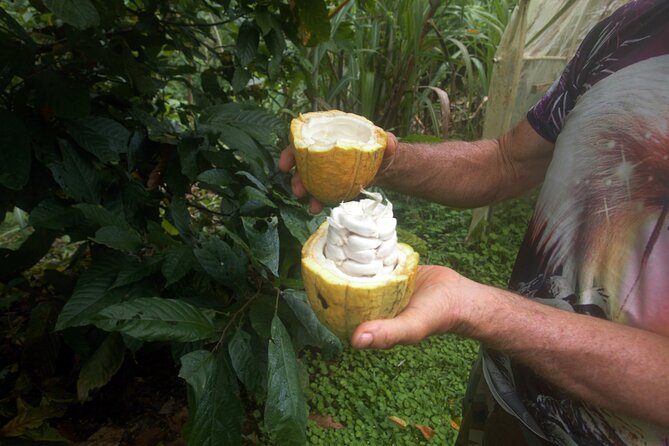
- Harvest-and-taste cacao fruit instead of only nibbling packaged chocolate.
- Ancient-style cacao drinks plus Costa Rican hot chocolate gives you real comparison, not just one version.
- Hands-on chocolate bar molding with toppings so you leave with something made from their cacao.
- Organic farming details include practical talk like fungus control methods they use.
Why a local cacao and farm tour beats the usual chocolate stop
If your mental picture of Costa Rica chocolate is a cup of hot cocoa and a cute souvenir, this tour quietly corrects it. Cacao here is treated as something bigger than dessert. You’ll hear how indigenous groups prepared cacao drinks for centuries, and how cacao is still respected for its medicinal and balancing properties—shared in the way a family talks about their land, not a lecture.
The best part is the mix of learning and doing. You’re not just watching someone else harvest or mix. You’re walking the plantation, tasting fresh cacao fruit, and joining in with drink prep and chocolate making. That’s why it feels more like visiting a working farm than checking off an activity.
And because the group is small, you’ll get enough time with the family to actually understand what you’re seeing. It’s hard to fake that kind of conversation. You’ll also leave with a clearer sense of how cacao becomes chocolate, from flower to fruit to beans to the final treat.
You can also read our reviews of more tours and experiences in La Fortuna.
Meeting point outside La Fortuna: plan your timing like a pro
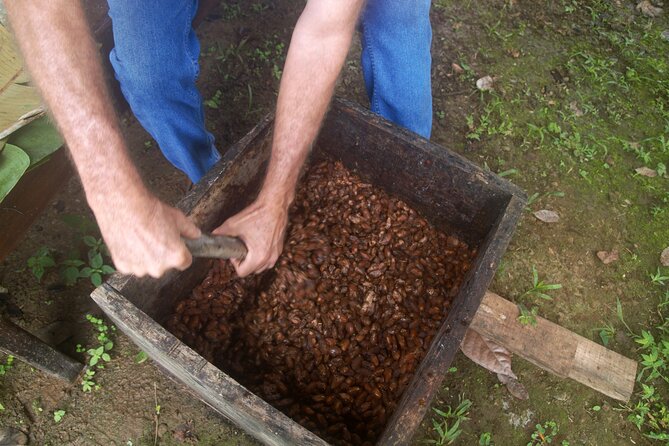
The tour starts at Finca La Esperanza: Coffee and Chocolate Tour, at the Cabaña Blue Jeans area near San Juan, San Isidro, Provincia de Alajuela. It’s described as about 25 minutes outside La Fortuna, and that matters. In practice, it means you should plan to leave La Fortuna early enough that the drive doesn’t turn into a “we’re late” scramble.
Your ticket is mobile, and you’ll get confirmation at booking. The tour includes a meeting and then ends back at the meeting point, which makes your rest-of-day plans easier. Also, the area is noted as being near public transportation—handy if you’re mixing tours without renting a car.
Once you’re there, you’re trading the tourist center shuffle for quiet farm air. That shift alone is worth showing up on time.
Touring the cacao plantation: flower-to-fruit in plain, visual steps
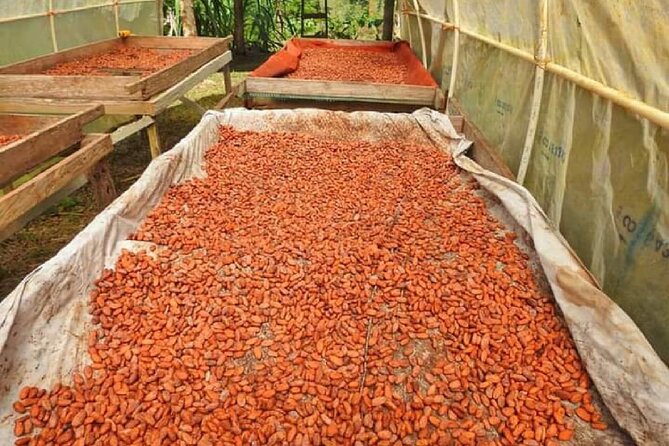
This is a walk-through plantation experience with a focus on cacao plants and the fruit itself. You’ll see how cacao starts from a small flower and becomes the cacao fruit, and then you’ll move into the part most people remember: tasting and harvesting.
Expect to spend time on the property with your guide showing you what’s growing around the cacao, not just the cacao trees. One of the strengths of this tour style is that cacao doesn’t live alone out there. Farms are systems—coffee, fruits, shade plants, and the practical work of keeping everything healthy.
You’ll also get to eat raw cacao fruit. That’s a big deal because it changes your frame of reference. Most people think cacao = chocolate taste. Raw cacao fruit is different: it’s part of the fruit pulp/structure before the beans become chocolate. Tasting it helps you understand why fermentation and processing matter later—even if your visit ends before those deeper steps.
If you’re the type who likes to connect the dots (plant to product), you’ll get a lot out of this section. The tour is built around showing nature’s timeline in a way you can actually see.
Learning cacao as a sacred superfood (without the marketing haze)
You’ll hear about cacao’s reputation as a sacred superfood and about medicinal properties, as presented by the family and guide. The way it’s framed is cultural and traditional—how indigenous groups and local communities approached cacao drinks for balance and connection with nature.
I like this approach because it’s honest about context. It doesn’t pretend cacao is magic medicine. Instead, it explains the beliefs and practices around cacao, and you’ll taste the results in drink form. So the learning lands in your body, not just your head.
You’ll also hear about cacao as an ingredient shaped by the farm itself. That matters because cacao doesn’t just come from a factory. It’s grown on a real patch of land, affected by weather, pests, and care routines. One of the tour’s practical strengths is that it includes farm know-how, including organic methods such as how they handle fungus control.
That kind of detail is what makes a cacao tour feel real. You’re learning how a farm stays healthy day after day, not just how chocolate tastes when it’s already finished.
The drink lineup: ancient cacao traditions plus everyday hot chocolate
After the plantation walk, the tour moves into cacao preparation. This part is fun because it’s a comparison lesson disguised as a tasting.
You’ll prepare and drink cacao in two styles:
- An ancient-style preparation inspired by how indigenous groups made cacao drinks
- A more modern Costa Rican hot chocolate using fresh ingredients in the way most people here drink it
The ancient part is usually where you’ll notice differences in how it’s made—ingredients, texture, and flavor profile. You’re not just told about history. You’re participating in the process and then tasting the end result. That’s how it sticks.
Then you switch to the Costa Rica version, which reads like the familiar comfort you expected—only better because it uses cacao from the farm. This pairing is a clever structure. It lets you understand what changed over time, and it helps you appreciate cacao both ways: as a traditional drink and as everyday hot chocolate.
If you like food education (not just tasting), you’ll enjoy how this tour frames “balance” and body connection. Even if you don’t buy every belief at face value, you’ll still take something practical away: how preparation changes flavor.
Hands-on chocolate bars: mold yours and go wild with toppings
The finish is your chocolate-making moment. Using their cacao, you’ll mold chocolate bars so you can take them with you. Toppings are available, and the whole thing is participative—so you’re not just watching your bar get made while someone else handles the important parts.
This is also where the tour can feel most like a workshop. You’ll see how the final form comes together, and you’ll get to personalize your bar with toppings. It’s a small thing, but it turns an educational tour into a souvenir you actually made.
One note for planning: since it’s participative, it’s worth arriving ready to participate and staying present through the last part. If you’re traveling with a time crunch, leave buffer time. The tour runs about 2 hours, and you’ll want those final minutes to flow without stress.
Organic farm time for curious eaters and culture lovers
What I appreciate most is that this tour sits in the sweet spot between food experience and culture. You’re learning about cacao as a plant, a tradition, and a livelihood. You’re also spending time with a local Tico family, which changes the whole tone.
This tour is ideal if:
- You’re in La Fortuna and want something more grounded than a theme-park attraction
- You like hands-on activities where you do more than taste
- You’re curious about organic farming and the practical realities behind food
It may be less ideal if you only want a quick chocolate sampler with minimal walking. This is still a farm tour, and you’ll be on your feet while you learn the plant and harvest/taste portion.
Price and value check: why $45 makes sense here
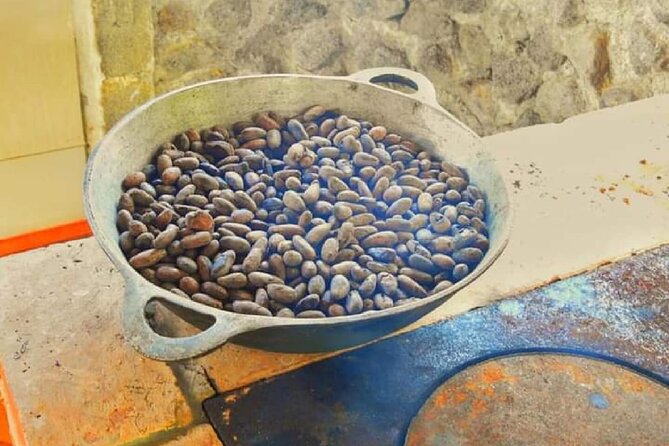
$45 for about 2 hours might sound like standard tour money—until you look at what you’re actually getting. You’re paying for:
- A small-group format (max 12)
- A plantation walk with cacao fruit tasting
- Multiple cacao drink experiences (ancient-style and Costa Rican hot chocolate)
- A hands-on chocolate bar step, with toppings
- A local family-run setting where you’re not just consuming a product—you’re learning a process
In other words, you’re not only buying chocolate. You’re buying time, education, and participation, plus the chance to take home something made from cacao. When a tour gives you both tastings and a practical finish, the price often feels fair.
It also has a built-in win for your schedule: once the tour ends back at the meeting point, you’re free for the rest of the day. That matters in La Fortuna, where good weather and good timing can make or break your day.
Who should book this cacao tour (and who might skip it)
Book it if you want an authentic La Fortuna cacao and farm tour where you interact with a local family, taste fresh cacao fruit, and learn the difference between traditional cacao drinks and everyday hot chocolate. It’s also great for couples or small groups who like to ask questions and get direct answers.
I’d consider skipping—or at least setting expectations—if your main goal is a fast, low-effort snack stop. This is a real farm experience. You’ll be walking through the plantation and participating in the cacao process.
Finally, if you’re coming with kids or non-foodies in your group, this can still work because it’s hands-on and visual. Still, it may help to bring patience: you’ll learn by doing, not by rushing through.
Should you book the Chocolate and Farm Tour?
If you like food that has a story and you enjoy meeting the people behind it, I’d book this. The combination of plantation time, raw cacao fruit tasting, two cacao drink styles, and hands-on chocolate bar molding makes it feel like a complete experience for the money.
Before you go, do one simple thing: go with the attitude of a farm visitor, not a souvenir collector. If you want the bar-making part to be a priority, ask when you book so your timing expectations match the flow of the tour. With that sorted, you’ll come away with more than chocolate—you’ll understand the cacao journey from fruit to cup to bar.
FAQ
How long is the Chocolate and Farm Tour in La Fortuna?
The tour lasts about 2 hours.
How much does the tour cost?
The price is $45.
Where do I meet the guide?
You meet at Finca La Esperanza: Coffee and Chocolate Tour, at Cabaña Blue Jeans, San Juan, San Isidro, Provincia de Alajuela, Costa Rica. It’s about 25 minutes outside La Fortuna.
Is this a small-group tour?
Yes. The tour has a maximum of 12 travelers.
What will I do during the tour?
You’ll tour the cacao plantation, harvest and taste fresh cacao fruit, prepare and drink traditional cacao drinks and a sweet hot chocolate, and finish by molding chocolate bars with available toppings.
What kind of ticket do I get?
You receive a mobile ticket.
Is free cancellation available?
Yes. You can cancel up to 24 hours in advance for a full refund.