REVIEW · SEATTLE
Seattle Chocolate Tour
Book on Viator →Operated by Rogue Tasting Co. · Bookable on Viator
Seattle chocolate gets personal fast. This small-group, 2 hours 15 minutes walk through Seattle’s artisan scene pairs 12 chocolate samples with real stories about where cacao comes from and how flavors get built. I especially like the mix of classic bakeries and makers you won’t see on the typical candy-tour loop, plus the clear bean-to-bar education that connects what you taste to what’s happening behind the scenes.
The one thing to plan for is the movement. You’ll walk a good chunk of the route, with sitting breaks at cafes and sweet shops, so it’s not the best fit if you want a mostly stationary tour.
In This Review
- Key highlights worth knowing
- Price and pacing: what $85 buys in 2 hours 15 minutes
- Where you start and where you end in Pike Place
- The chocolate route: what each stop feels like
- Stop 1: Dahlia Bakery for dark-and-white baked goods (30 minutes)
- Stop 2: maíz for cacao origins in a more traditional style (15 minutes)
- The Market sights and the 180-degree view break
- Stop 3: Freya Bakery & Cafe for modern Danish comfort (15 minutes)
- Stop 4: Woodring at Pike Place Market for Venezuelan-sourced flavors (10 minutes)
- Stop 5: Truffle Queen for European-style pairing surprises (10 minutes)
- Stop 6: DeLaurenti for global bars and guided tasting (20 minutes)
- Stop 7: SELEUŠS Chocolates for local truffles with playful blends (20 minutes)
- Guides and storytelling: how the tour clicks
- What’s actually on the tasting menu
- Dietary concerns and how to make it work for you
- Who should book this, and who should walk with care
- Should you book the Seattle Chocolate Tour?
- FAQ
- How long is the Seattle Chocolate Tour?
- How much does the tour cost?
- How many chocolate samples can I expect?
- Where does the tour start and end?
- Is the tour offered in English?
- Can dietary concerns be accommodated?
- What is the group size?
- Are service animals allowed?
- What is the cancellation policy?
Key highlights worth knowing
- 12 individual chocolate samples across multiple shops, not one giant tasting plate
- Bean-to-bar context plus cacao origin stories as you sample
- Small group size (max 12) keeps the pacing friendly
- Pike Place Market area sights with a break for 180-degree views of the bay and mountains
- Plenty of variety, from baked desserts to bars and truffles, including unusual flavor blends
- Dietary accommodations are available if you speak up
Price and pacing: what $85 buys in 2 hours 15 minutes
The price is $85 per person for about 2 hours 15 minutes. In Seattle, that’s not random pricing. You’re paying for multiple admissions and tastings across high-rent, high-demand food stops—plus a guide to connect the dots between origins, roast styles, textures, and pairings.
Pace matters here. Most of your time is active walking through the Market area, with short sit-down moments built into stops. One recent note described the walk as roughly an hour and a half, broken up by breaks for coffee, restroom stops, and tasting sessions. If you’re the kind of traveler who hates tight shoe schedules, wear supportive footwear.
Also, the group size is capped at 12. That changes the vibe. You’re not disappearing into a crowd. You can ask follow-up questions, and the guide can actually manage the line-up at small counters.
You can also read our reviews of more tours and experiences in Seattle.
Where you start and where you end in Pike Place
The tour starts at Dahlia Bakery, 2001 4th Ave, Seattle, WA 98121. It ends at SELEUŠS Chocolates, 1910 1st Ave, Seattle, WA 98101. That start-to-finish setup is convenient if you plan to keep exploring after the tour, because you’re dropped into the Pike Place core rather than trapped back at the first shop.
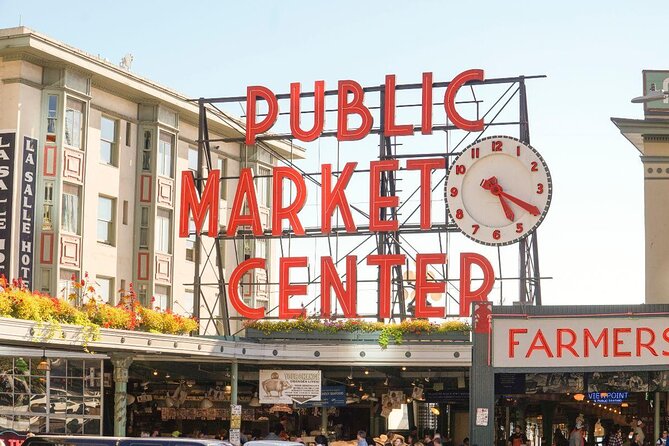
It’s also a smart walking route. You’ll pass through the Market area and get time to see the famous sights there. Then, you’ll pause for 180-degree views over Seattle, Elliott Bay, and the Olympic Mountains. Even if views aren’t your thing, that break helps reset your energy before the later tastings pile on.
The tour uses a mobile ticket, and it’s offered in English. It’s near public transportation, which helps if you’re arriving from another part of the city. Service animals are allowed, too.
The chocolate route: what each stop feels like
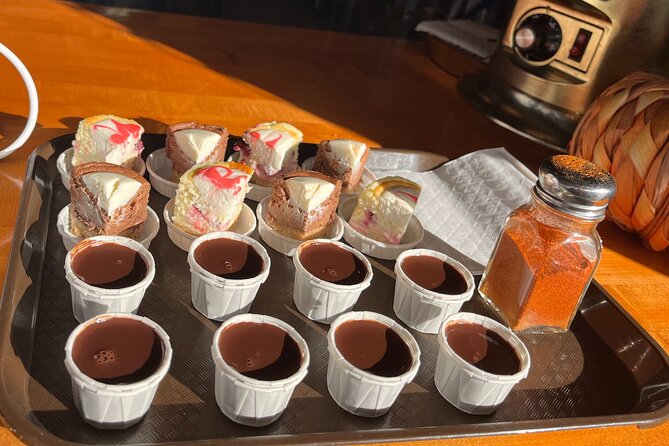
This tour is built around a simple idea: taste, then explain. You’ll get chocolate samples that range from bakery desserts to bars to truffles, with short education moments at several stops. Expect to eat enough that you’ll think about your next meal only after the last bite.
Stop 1: Dahlia Bakery for dark-and-white baked goods (30 minutes)
You begin at Dahlia Bakery for two baked goods featuring rich dark chocolate and creamy white chocolate. The timing here matters. You’re given extra minutes to order a coffee, use the restroom, and get settled with the group. It’s a smooth opener because it prevents that awkward first-10-minutes scramble.
This is also where the tour’s dessert side shows up. The sample menu includes items like World Famous Triple Coconut Cream Pie and Sea Salted Brownie. If you like chocolate with structure—creamy, dense, baked into something—you’ll probably feel at home immediately.
Quick drawback: because it’s a bakery start, it can feel like you’re “waiting to be served” if there’s a line. Still, the schedule gives you time, so you’re not rushed.
Stop 2: maíz for cacao origins in a more traditional style (15 minutes)
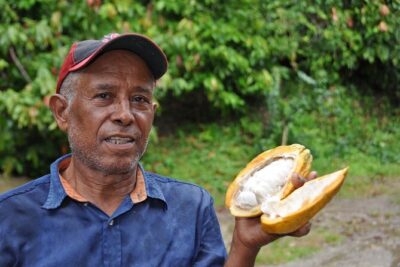
Next is maíz, focused on the origins of cacao as taste chocolate in a more traditional, nature-connected way. This stop is shorter, but it has a different job than the bakeries. It’s there to shift your brain from dessert mode into ingredient mode.
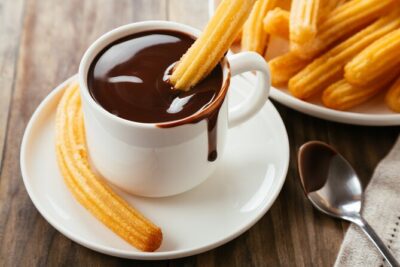
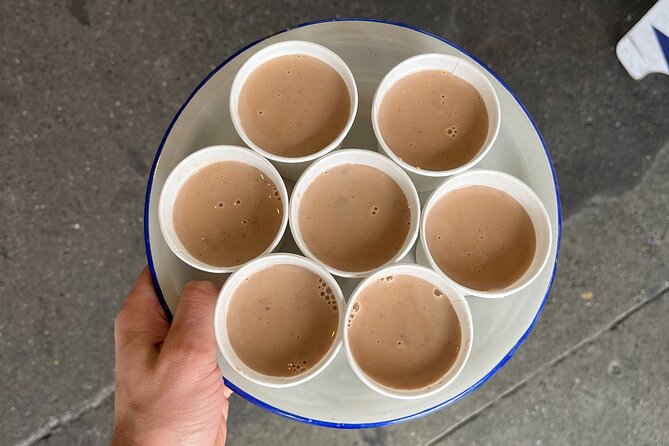
From the menu and examples on the route, you should expect at least one cacao drink or drink-style tasting. The sample menu lists Champurrado, and a recent favorite mentioned a Mexican hot tablilla style drink. If you like chocolate that’s more than candy—like it has depth and spice—you’re likely to enjoy this change of pace.
The Market sights and the 180-degree view break
Between shops, you’ll pass famous Seattle sights in the iconic Market area. Then you’ll soak in 180-degree views of Seattle, Elliott Bay, and the Olympic Mountains.
I like this part because it gives your legs a reset and your brain a breather. Chocolate tastings add up fast, and a quick view stop helps you keep your palate from going numb.
Stop 3: Freya Bakery & Cafe for modern Danish comfort (15 minutes)
Freya Bakery & Cafe brings the tour back to familiar flavors, but with a Scandinavian bakery vibe. This is another short stop, built for a quick taste and a little comfort reset.
The sample menu includes Copenhagen Cocoa, which fits perfectly here. If your ideal chocolate stop includes something warm to sip—rather than more bites—this is the layer that balances the walking.
Stop 4: Woodring at Pike Place Market for Venezuelan-sourced flavors (10 minutes)
At Woodring, you go beyond generic chocolate bar talk. You’ll taste chocolate that’s directly sourced from Venezuela, then see how it becomes part of different products like fudge, marzipan, and caramel.
This stop is short, but it gives you an important lesson: the same core ingredient can feel completely different once it’s turned into a shaped product. If you like comparing textures—fudge versus caramel versus marzipan—this is where you’ll notice the differences fast.
Stop 5: Truffle Queen for European-style pairing surprises (10 minutes)
Truffle Queen leans into the European side of chocolate. The focus is on unexpected pairings, and the time is tight.
You’ll likely sample truffles here. The menu lists truffles, and one of the tour’s consistent themes is that truffles aren’t just chocolate balls. They’re flavor packaging—sometimes with fruit, spice, or even a little “wait, what is that” energy.
Stop 6: DeLaurenti for global bars and guided tasting (20 minutes)
DeLaurenti gets more time. This is where you explore alongside your guide and taste a huge variety of chocolate bars from around the world.
The sample menu gives you a great sense of the range:
- 70% Dark from Mexico
- 55% Baker’s from Belgium
- 85% Dark from New Zealand
Even if you’re not a dark-chocolate purist, this stop teaches you how cacao percentages and origin can shift the flavor profile. It’s also where you may start thinking about what you want to buy later as gifts.
Small caution: one criticism I’ve seen is that some stops can feel more retail-forward than workshop-forward. DeLaurenti is definitely bar-focused, so if you’re craving only hands-on maker experiences, this is one point to temper expectations.
Stop 7: SELEUŠS Chocolates for local truffles with playful blends (20 minutes)
You end at SELEUŠS Chocolates, a local truffle maker. Expect tastings that go beyond classic fillings, including chocolate blended with honey, fruit, tea, and even booze.
The tour closes with this fun, Seattle-local flavor creativity. If you like chocolate that has personality—like it’s not afraid of tea notes or fruit aromas—this is a strong finisher.
Guides and storytelling: how the tour clicks
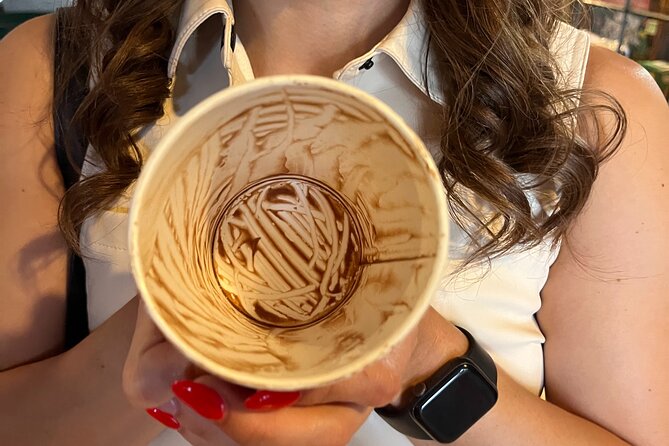
The guide experience seems to be the secret sauce here. Multiple guides are called out by name, including Ivy, Will, Ben, Woody, Maia, and Jade. What they share in common is how they connect chocolate tasting to the city around it.
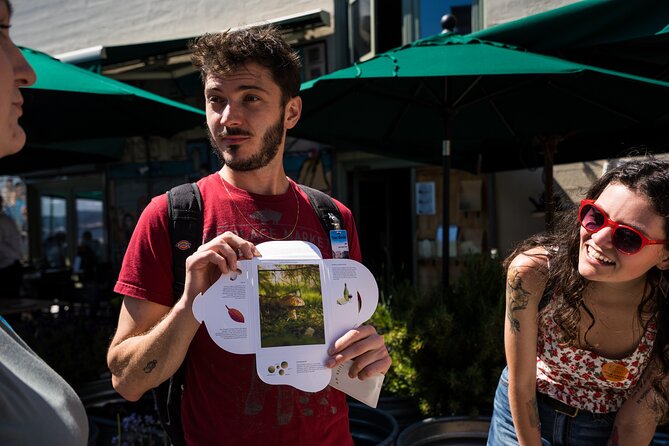
A good guide doesn’t just say what you’re eating. They help you notice patterns. One standout theme: using analogies and stories to describe how flavors develop and how you can link what you taste to experiences you’ve had before. That makes the differences between, say, a dark bar and a truffle feel clearer by the end of the route.
I also like the flexibility described in the group energy. One person noted that when a guest needed to slow down after a fall, the guide handled it by finding a quiet place and bringing chocolate to them. That’s a helpful reminder: if you have a limitation, ask early and openly.
What’s actually on the tasting menu
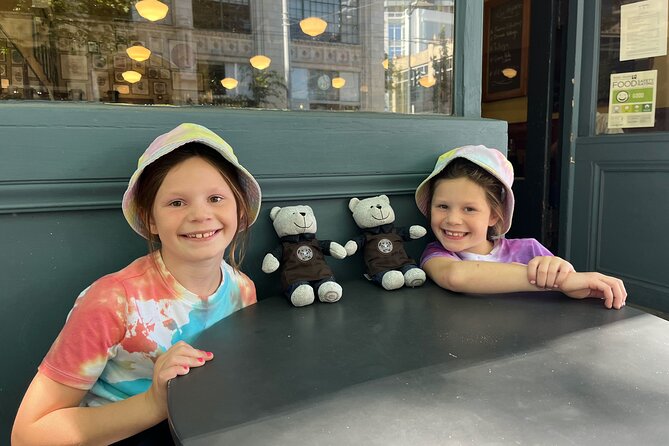
Your exact samples depend on the day, but the sample menu shows what to expect in terms of style and variety. Plan for a mix of:
- Desserts: World Famous Triple Coconut Cream Pie, Sea Salted Brownie, Copenhagen Cocoa, plus items like Copenhagen Cocoa
- Chocolate bases: 70% Dark from Mexico, 55% Baker’s from Belgium, 85% Dark from New Zealand
- Treats and add-ins: Fudge, White Chocolate Marzipan
- Drink-style cacao: Champurrado
- Truffles plus other small bites
Also note the overall volume. One review mentioned 7 places and 9 items, and another said you should prepare to eat a lot of chocolate. Either way, you’ll leave with a solid “taste memory” of the city, not just a couple bites.
Dietary concerns and how to make it work for you
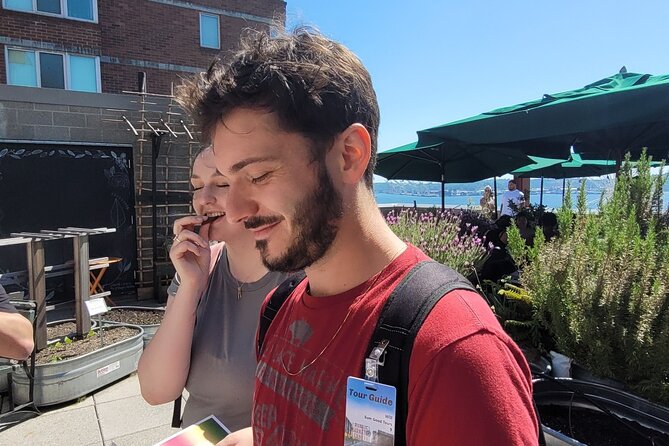
The tour says accommodations can be made for dietary concerns. That’s a big deal on a food tour, since chocolate often comes with hidden ingredients—milk, nuts, gluten, and sweeteners.
Here’s how you get the best outcome: tell the operator or guide your needs clearly before the tour starts. If you have strict restrictions, ask what they can swap or omit, since the tasting lineup includes multiple desserts and bars.
If you’re sensitive to caffeine, also think about your first stop. There’s time to order coffee at the start, and warm cocoa shows up later. You can keep it light, but don’t assume you’ll have zero caffeine options.
Who should book this, and who should walk with care
This tour is a great fit if:
- you love variety—baked goods, bars, truffles, and cacao drinks
- you’re new to Seattle and want a Market-area orientation that includes food
- you travel with kids or teens, and you want a structured outing with frequent short breaks
- you want a chocolate tour that includes education, not just sampling
It’s also a great fit for gift-buyers. The ending at SELEUŠS gives you a final local-purchase window if you want to bring something home.
Be careful if:
- you don’t like long walks. Even with breaks, expect real foot time
- you want only bean-to-bar factory experiences. Some stops focus more on tasting bars and finished products than on making chocolate from scratch
- you’re worried about “waiting outside.” A small number of criticisms mention that not every stop felt like you were fully inside tasting for the full time
A simple way to handle this: set your expectations that this is a sampling walk across a neighborhood, not a single-production-site lab tour.
Should you book the Seattle Chocolate Tour?
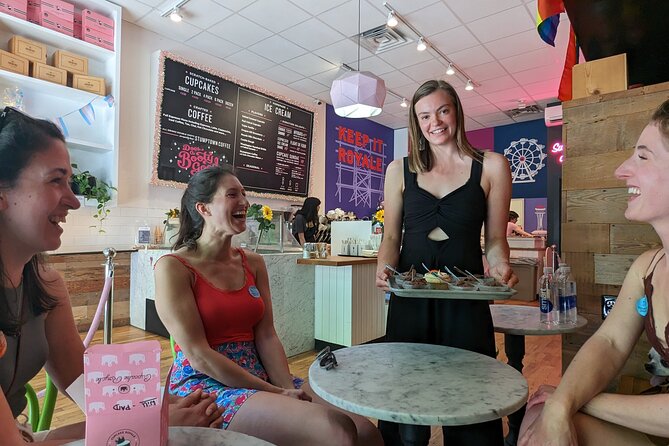
Book it if you want a guided chocolate sampler that mixes Seattle bakeries, Pike Place Market flavor, global bar comparisons, and a memorable finish at a local truffle shop. The price makes more sense when you think of it as admissions plus 12 tastings plus a guide who turns the city and cacao origins into a story you can taste.
Skip it (or choose a different style) if walking time is a dealbreaker or if you only want places that manufacture chocolate on-site. In that case, this route may feel more like a neighborhood tasting tour than a manufacturing deep course.
If you do book, go in ready to slow down at tastings. Take a breath between bites. Drink a little water when you can. And when the guide explains what you’re tasting, actually listen. That’s where the tour becomes more than snacks—it becomes a way to train your palate.
FAQ
How long is the Seattle Chocolate Tour?
It runs about 2 hours 15 minutes.
How much does the tour cost?
The price is $85.00 per person.
How many chocolate samples can I expect?
The tour highlights say you’ll try 12 individual chocolate samples.
Where does the tour start and end?
It starts at Dahlia Bakery, 2001 4th Ave, Seattle, WA 98121. It ends at SELEUŠS Chocolates, 1910 1st Ave, Seattle, WA 98101.
Is the tour offered in English?
Yes, it’s offered in English.
Can dietary concerns be accommodated?
Accommodations can be made for dietary concerns.
What is the group size?
The tour has a maximum of 12 travelers.
Are service animals allowed?
Yes, service animals are allowed.
What is the cancellation policy?
You can cancel for free up to 24 hours in advance for a full refund. If you cancel less than 24 hours before the start time, the amount paid isn’t refunded.