REVIEW · CUSCO
Chocolate Workshop in Cusco with Premium Organic Cacao
Book on Viator →Operated by Cusco Chocolate Workshop · Bookable on Viator
Cusco is prettier when it smells like chocolate.
This hands-on workshop teaches you to make Belgian-style pralines and mendiants using 100% organic, artisanal Chuncho cacao from the Sacred Valley, right in the heart of town. You’ll also learn ganache and make a hot chocolate that’s simple enough to repeat later.
I like the personal attention. With a max group size of 15, you get hands-on guidance from your class leader and plenty of chances to ask questions as you work. I also love the payoff: you create about 21 pralines and 10 mendiants, then leave with a personalized box to take home.
One consideration: this is not a full cacao bean processing experience. You’re learning chocolate-making, not turning cacao beans into chocolate from scratch, so don’t expect the roasting, grinding, and pressing step-by-step.
In This Review
- Key Things To Know Before You Go
- Chocolate in Cusco at 5 PM: Why This Works So Well
- Meeting Point and How the Evening Flow Feels
- Your Instructor Matters: Small Group Energy (Max 15)
- The Cacao You’re Using: Organic Chuncho From the Sacred Valley
- What You’ll Make: Pralines, Mendiants, Ganache, and Hot Chocolate
- Pralines and mendiants, Belgian-style
- Ganache you learn to make
- Hot chocolate, made by you
- Choosing Fillings: How to Think About Your Toppings
- The Sunset View Part: How the Setting Changes the Mood
- Timing, Pace, and Altitude Comfort
- Take-Home Box: Your Best Souvenir (and How to Handle It)
- Price and Value: Is $45 a Good Deal?
- Who This Workshop Fits Best
- Should You Book the Cusco Chocolate Workshop?
- FAQ
- What time does the chocolate workshop start?
- How long is the workshop?
- How much does it cost?
- What will I make during the workshop?
- What chocolate/cacao does the workshop use?
- Where do I meet for the class?
- Is there a minimum age?
- Can I cancel for a refund?
Key Things To Know Before You Go
- Chuncho cacao, from the Sacred Valley: You’re working with 100% organic, artisanal cacao sourced from Cusco’s region.
- Small group, real help: Max 15 people means you’re not lost in a crowd.
- You actually make the sweets: Plan on around 21 pralines and 10 mendiants, plus hot chocolate and ganache.
- A sunset-style view: The venue setup includes great sight lines over Cusco during evening light.
- Multiple start times: You can usually choose a schedule that fits your day in Cusco.
- Instructors you might meet: David, Abelardo, and Randy have led classes, with helpers like Damaso sometimes in the mix.
Chocolate in Cusco at 5 PM: Why This Works So Well
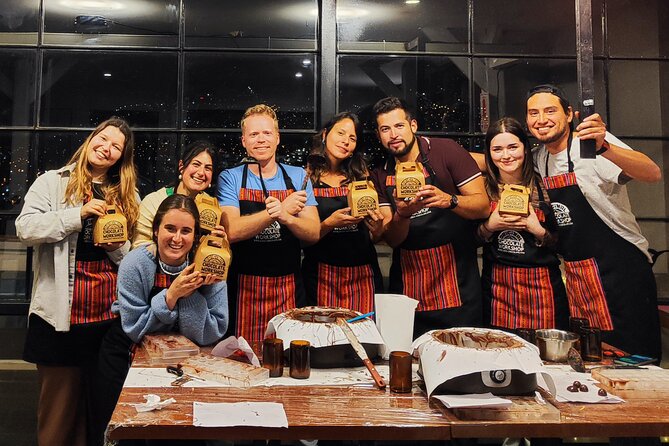
I get why you’d want to do something low-stress when you first arrive in Cusco. This class starts at 5:00 pm and runs about 2 hours 30 minutes, which fits nicely after walking around during the day and doing the first round of altitude acclimation. It’s active, but not intense. Your focus stays on the chocolate, not your breathing.
The other big reason this makes sense in Cusco is that you’re learning and eating in the same stretch of time. You’re not just tasting chocolate in a shop window. You’re shaping bonbons, mixing fillings, learning ganache, and then getting a hot chocolate you can make yourself. By the time you leave, you have a concrete souvenir: a box of sweets you made, not just a bag of candy.
And yes, you get that evening glow over Cusco. In plain terms: it’s a fun way to see the city while you’re doing something you’ll remember.
Meeting Point and How the Evening Flow Feels
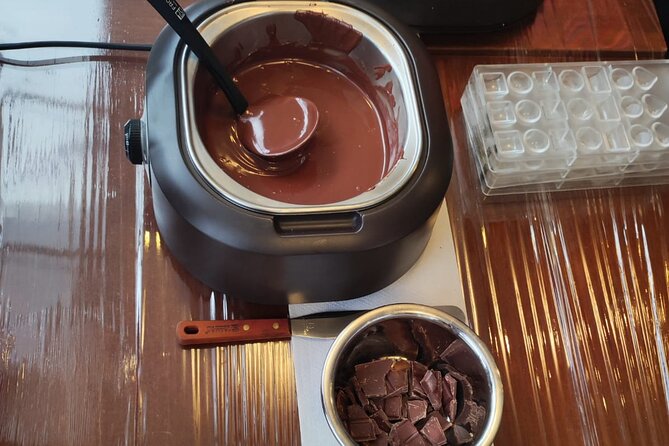
You meet at C. Pasñapakana 133, Cusco 08000. The activity ends back at the meeting point, so you’re not figuring out a complicated second transit step after you’re done.
Also, it’s close to public transportation, which matters in Cusco. You can plan your route without having to guess how you’ll get back late-ish in the evening. The workshop has several start times (not just one), so if you’re trying to line things up with your schedule—sunset plans, a dinner reservation, or an earlier rest—you’ll have some flexibility.
This is a good format if you travel with a couple of different paces. The class is structured, but people can move at a normal human speed. You’re guided, not rushed.
Your Instructor Matters: Small Group Energy (Max 15)
This is one of those tours where the size really changes the experience. It caps at 15 travelers, so the leader can actually keep an eye on what you’re doing—especially when it comes to details like texture in ganache or getting pralines and mendiants set the way you want.
From what you’ll likely experience in the room, instructors bring personality. Several different class leaders have been mentioned—David, Abelardo, and Randy—and all of them were described as engaging and clear. You may also have an assistant supporting the group (Damaso has been noted in that role). That matters because when chocolate starts to behave oddly, you want a guide who can explain what to adjust and why.
If you like learning by doing, this format is perfect. You’re working in steps, and you can ask questions while the chocolate is still warm enough to work with.
The Cacao You’re Using: Organic Chuncho From the Sacred Valley
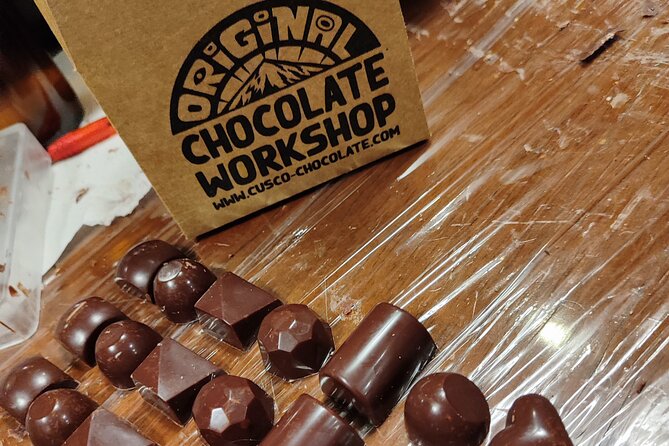
The cacao isn’t generic. You’re using 100% organic, artisanal Chuncho cacao from the Sacred Valley of the Incas—a region known for strong cacao production. In practical terms, this means your tasting isn’t watered down by a factory blend made for the mass market.
Also, the workshop doesn’t treat cacao like a side topic. Before hands-on candy work, you’ll explore the history and culture of chocolate, then connect that story to what you’re actually making. It’s not just trivia. The goal is to help you taste with your brain switched on.
One more useful note: the class focuses on chocolate-making skills. You won’t be doing the full chain of cacao processing that you’d see in a deeper bean-to-bar setup. So think of this as a guided path through turning quality cacao into finished bonbons, not a raw cacao workshop.
What You’ll Make: Pralines, Mendiants, Ganache, and Hot Chocolate
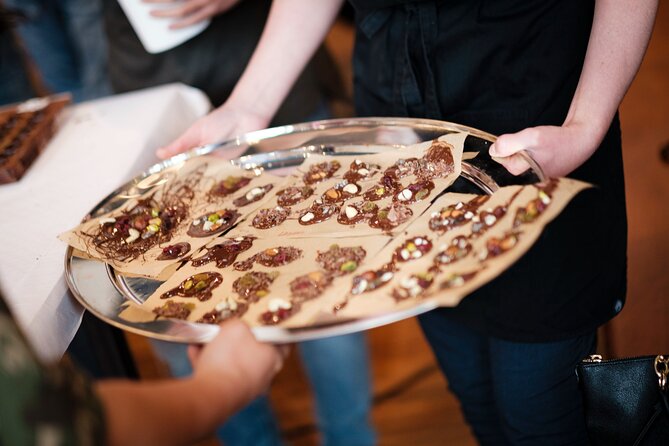
Plan on making a real amount of chocolate. You’ll create about 21 pralines and 10 mendiants. That’s a lot more than the usual one-bite demo class, and it’s why the workshop feels worth the time.
Pralines and mendiants, Belgian-style
In the class, you’ll build both pralines and mendiants in a Belgian style. The big practical part is that you’ll choose your fillings and toppings from a range of options. You might select from homemade local jams and an extensive variety of local and organic nuts.
This matters because chocolate tastes different depending on what you pair with it. A nut topping changes crunch. A jam filling changes sweetness and fruit character. When you assemble your own, you’re not just copying a recipe—you’re learning how flavors balance.
Ganache you learn to make
You’ll also be taught how to make ganache. Even if you’ve never made anything “from scratch,” this is one of the core chocolate skills you can bring home. Ganache isn’t complicated, but it does require correct texture, and you’ll get guidance while you’re working.
Hot chocolate, made by you
You’ll enjoy a hot chocolate, and you’ll learn how to prepare it yourself. That’s a sweet bonus because it turns the workshop into something you can repeat the next time you’re home—no special chocolate molds required.
Choosing Fillings: How to Think About Your Toppings
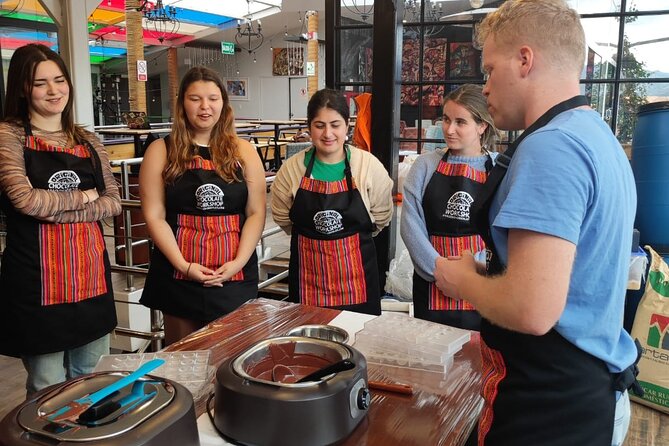
The class gives you a wide menu of fillings. That’s fun, but it can also be a little overwhelming if you’re the type who second-guesses everything.
Here’s how I’d choose if you want the best odds of loving what you make:
- Pick at least one nut-based option if you like texture. Nuts tend to give a satisfying crunch when the bonbons set.
- Include one jam-style flavor if you want fruity sweetness. Jam brings a different kind of character than nuts.
- Taste as you go when possible. Even small differences in sweetness and roast level change the final bite.
One thing I appreciate here is that the topping choices aren’t just imported chocolate-shop flavors. You’re using local and organic ingredients, so the result feels like Cusco has a voice in the final product.
The Sunset View Part: How the Setting Changes the Mood
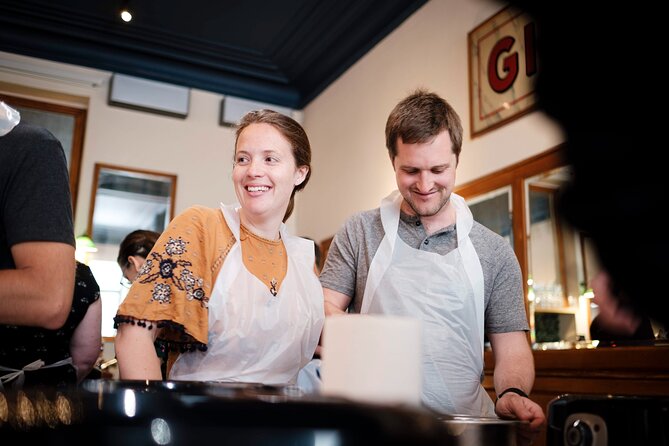
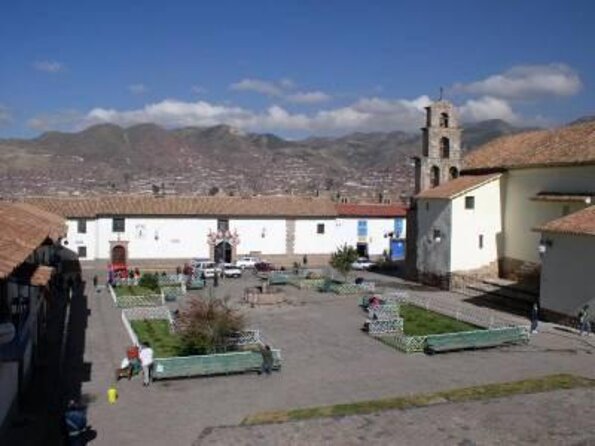
This workshop happens in the heart of Cusco, and the venue setup gives you a beautiful view over the city—especially around evening light. Multiple people have pointed to the same vibe: it feels like a relaxing break that still counts as a real activity.
That view matters more than it sounds. When you’re making something hands-on, your brain likes a calm backdrop. It keeps the experience from feeling like another rushed tour stop. It also makes your photos look better than they have any right to, even if you’re not trying.
There’s also a practical angle: you’re working indoors in a comfortable environment, which can feel great after a few hours of Cusco sun and altitude effects.
Timing, Pace, and Altitude Comfort
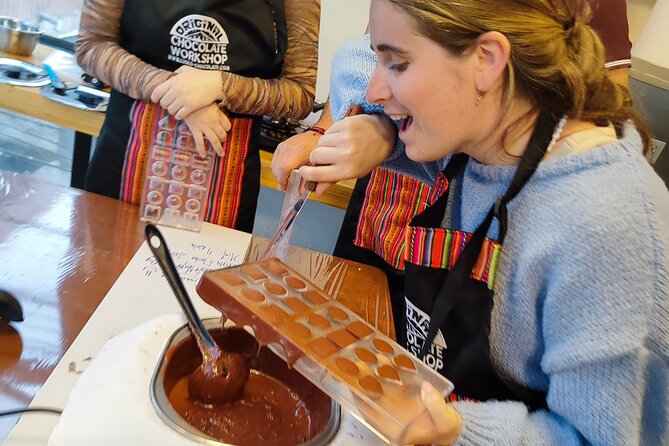
Start time is 5:00 pm, so you can plan your day with an easy endpoint. This is useful if you’re juggling things like slow walking, hydration, and jet-lag.
Also, the class lasts about 2 hours 30 minutes. That’s long enough to learn and produce a pile of sweets, but short enough that you’re not still out late when you’re tired.
If you’re traveling as a couple or as a small group, this is a nice shared activity where you can talk without shouting over a crowded attraction.
Take-Home Box: Your Best Souvenir (and How to Handle It)
At the end, you receive a personalized box with your creations. That’s a big deal because it turns the workshop into an actual edible souvenir.
Here’s how I’d handle the box:
- If you’re staying in Cusco only briefly, plan to eat a portion soon and keep the rest sealed.
- If you’re traveling onward, protect the box from crushing. Your chocolate is good, but gravity is not your friend.
- If you want to share, the box format makes it easy to bring out for friends or family.
Also, you’re tasting what you made, which gives instant feedback. It’s easier to remember an experience when you can say: I made this flavor.
Price and Value: Is $45 a Good Deal?
At $45 per person for about 2.5 hours, this can be good value, mainly because you’re not just learning—you’re producing. You leave with roughly 31 bonbons total (around 21 pralines plus 10 mendiants) and you’ve made ganache plus hot chocolate.
The small group size (max 15) and the hands-on guidance are also part of the value story. A class where you do the work instead of watching someone else do it is usually worth paying for.
One more practical point: it’s commonly booked around 18 days in advance on average, so it’s smart to reserve when your Cusco dates are firm. If you wait until the last day, you might still find a spot, but evening classes can fill.
Who This Workshop Fits Best
This is a great match if you want:
- a hands-on food activity that teaches real skills (pralines, mendiants, ganache)
- a relaxed evening plan with a view
- a take-home souvenir that isn’t a generic trinket
It’s also suitable for families with children 12 years old and up, and service animals are allowed. If you’re unsure whether it’s too “child focused” or too “serious,” you can expect a guided workshop format that works for adults and teens.
If you’re the kind of traveler who loves history but prefers it to connect to something you can taste, this class hits that balance.
Should You Book the Cusco Chocolate Workshop?
Yes, book it if you want a fun, structured evening that turns Cusco into edible memory. The combination of organic Chuncho cacao, hands-on making (not just tasting), and the sunset-style view is a strong mix.
Skip it or adjust expectations if you’re specifically looking for a full cacao bean processing tour. This workshop is about turning quality cacao into chocolate you can eat and share, not about doing every step from raw beans to finished bar.
If you’re deciding between multiple Cusco activities, I’d pick this when you want something that feels local, social, and delicious—without burning your whole day.
FAQ
What time does the chocolate workshop start?
The workshop starts at 5:00 pm.
How long is the workshop?
It lasts about 2 hours 30 minutes (approx.).
How much does it cost?
The price is $45.00 per person.
What will I make during the workshop?
You’ll make about 21 pralines and 10 mendiants, and you’ll also learn to make ganache and prepare hot chocolate.
What chocolate/cacao does the workshop use?
It uses 100% organic, artisanal Chuncho cacao from the Sacred Valley of the Incas in Cusco.
Where do I meet for the class?
Meet at C. Pasñapakana 133, Cusco 08000, Peru. The activity ends back at the meeting point.
Is there a minimum age?
Yes. The workshop is available to adults and children 12 years old.
Can I cancel for a refund?
Yes. You can cancel up to 24 hours in advance for a full refund. If you cancel less than 24 hours before the start time, you won’t get your money back.