REVIEW · SANTO DOMINGO
Zona Colonial: Recorrido Histórico con Chocolate y Mamajuana
Book on GetYourGuide →Operated by COPRIXA TRAVELS, S.R.L. · Bookable on GetYourGuide
Colonial Santo Domingo feels close-up. This 2-hour guided walk strings together major sights in the Zona Colonial with stories you can actually picture, from the Sundial welcome to the final stop at the Primate Cathedral.
I especially like the focus on the big Spanish-era landmarks: you’ll get time with the Alcázar de Colón and the surrounding plazas that still look built-for-pageants. I also like the balance of grand buildings and real street energy, like the stretch along Calle El Conde.
One thing to plan around: the tour title includes Chocolate y Mamajuana, but the provided run-down doesn’t promise a tasting or related activity—so if that’s a must for you, ask ahead. Also, timing can run a bit shorter than the full 2 hours depending on pacing.
In This Review
- Key highlights worth your attention
- Starting at the Chapel and getting oriented fast in the Colonial Zone
- Museum of the Royal Houses and Plaza España: where the architecture tells you how power worked
- What to watch for
- Fortaleza Ozama and the Alcázar de Colón: prestige, defense, and “firsts”
- The practical advantage of putting Alcázar de Colón early
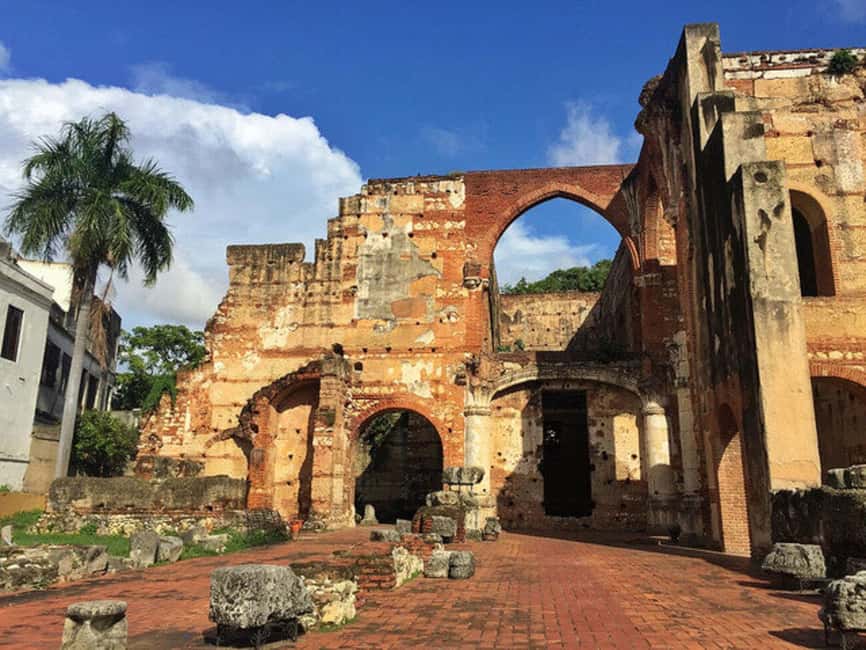
- Juan Pablo Duarte Wax Museum and Nicolás de Bari Hospital: history beyond monuments
- A balanced note (so your expectations match reality)
- Calle El Conde to Parque Colón: street life, then a breather
- Primate Cathedral of the Americas: closing with a statement building
- A tip for enjoying the final stop
- Timing, pace, and what $5 gets you (and what it doesn’t)
- What to bring and how to make the walk easier
- Guide quality matters, and a specific name pops up
- Who should book this tour?
- Should you book Zona Colonial: Recorrido Histórico con Chocolate y Mamajuana?
- FAQ
- Where does the tour meet?
- How long is the Zona Colonial tour?
- What sites are included in the guided route?
- Are museum tickets included?
- What language is the guide?
- What should I bring?
- Is the tour wheelchair accessible?
Key highlights worth your attention
- Reloj del Sol meeting point: easy to find if you’re already near the Museum of the Royal Houses
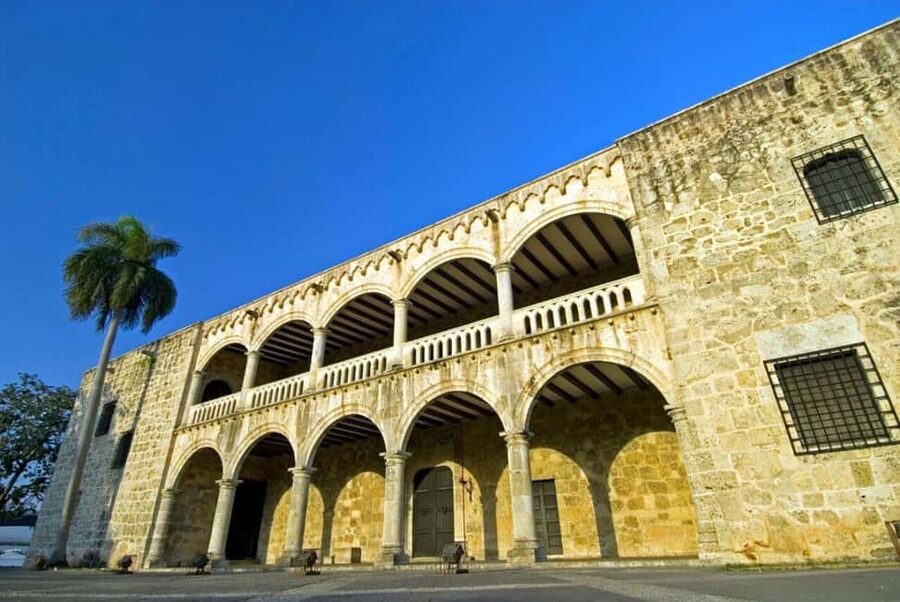
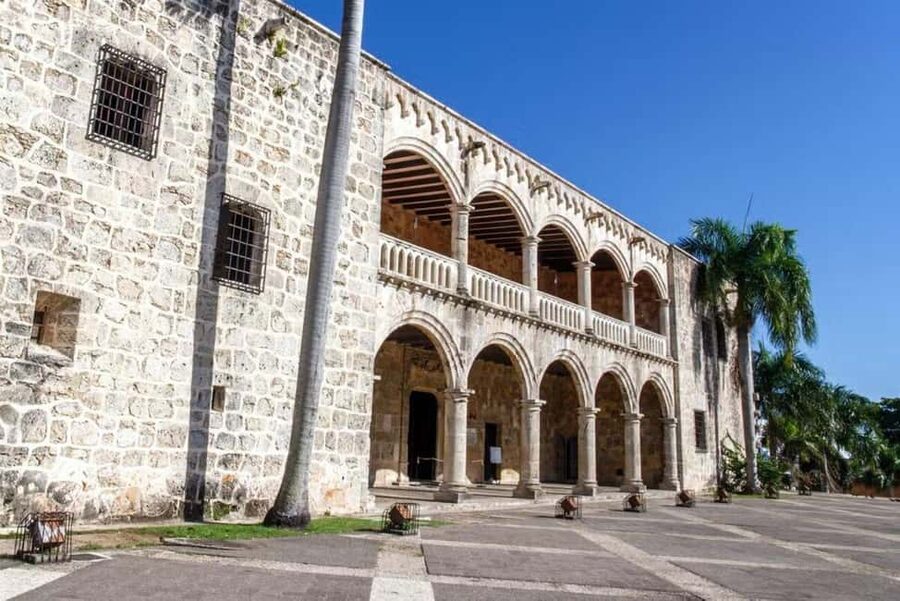
- Alcázar de Colón as the centerpiece: residence of the first governors, with lots of atmosphere in its halls and courtyards
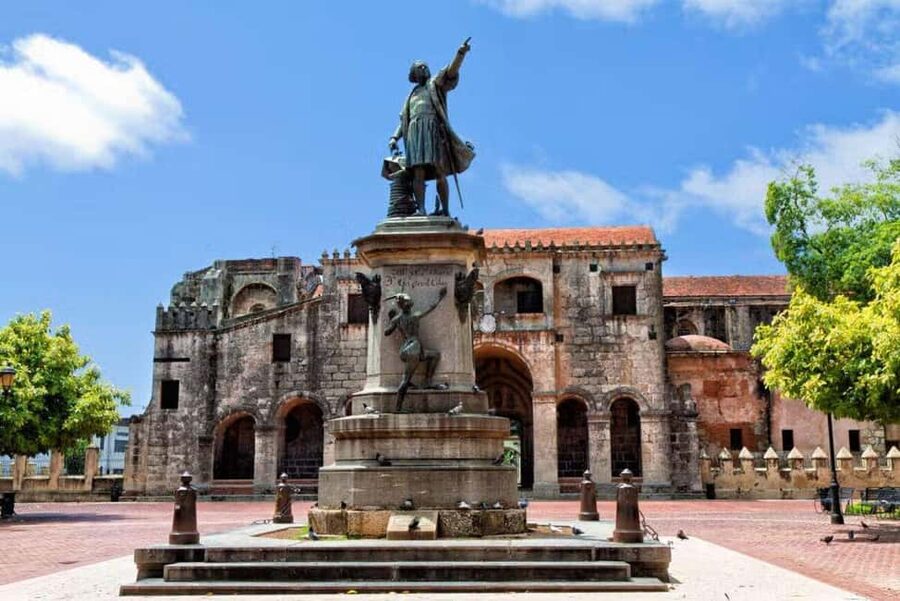
- Plaza España + Columbus statue: a fast, photogenic way to anchor the Colonial Zone visually
- More than monuments: wax museum moments and the Nicolás de Bari Hospital stop add a different angle
- Great value at $5, but museum tickets aren’t included
Starting at the Chapel and getting oriented fast in the Colonial Zone
Most days, I like tours that start in a clear place and waste zero time. This one begins at the Chapel of Our Lady of Remedies, then quickly moves you into the Zona Colonial experience. The meeting point your guide uses is the Reloj del Sol (Sundial), in front of the Museum of the Royal Houses—so you can confirm where to meet without guessing.
The first minutes matter here. You’re not just wandering—you’re being guided from the start, which helps you understand what you’re seeing as you walk from stop to stop. Wear comfortable shoes right away. Cobblestones are part of the deal in the Colonial Zone, and the tour is short enough that you don’t want sore feet.
Museum of the Royal Houses and Plaza España: where the architecture tells you how power worked
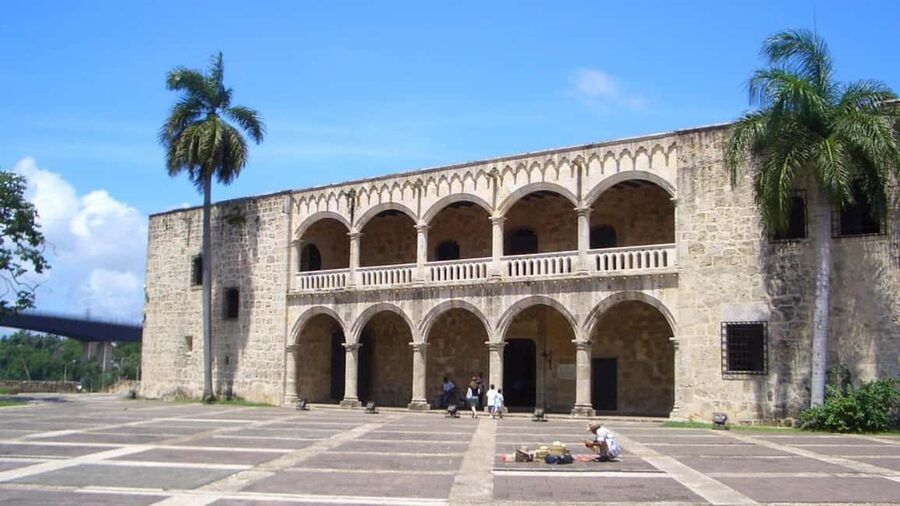
The route kicks off with a quick visit that sets the stage, including time at the Museum of the Royal Houses. This is where the walls and objects start doing their talking. Instead of treating the Colonial Zone like a photo set, the guide frames it as a place where everyday life and authority were both on display.
Then you reach Plaza España, and the space helps you connect the dots. You’ll walk through the historic square area, including the famous statue of Christopher Columbus. Even if you’re not the type to memorize dates, a plaza like this acts like a visual anchor. It gives you a sense of scale and layout—why buildings face certain directions, how streets funnel foot traffic, and where people likely gathered.
What to watch for
- Notice Spanish colonial architectural details as you move through the plaza streets.
- Use the guided context to spot what the guide points out. In a short tour, that’s where the learning sticks.
Fortaleza Ozama and the Alcázar de Colón: prestige, defense, and “firsts”
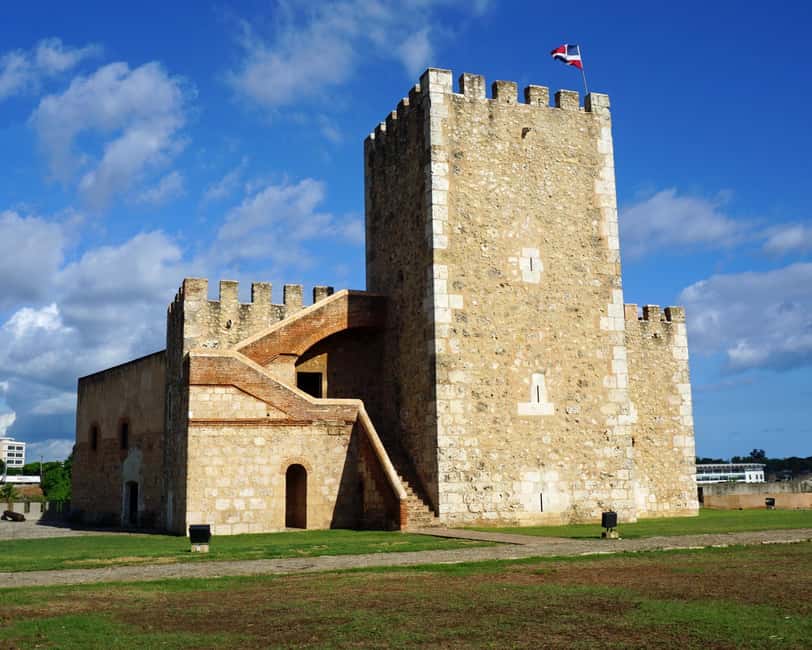
After Plaza España, you’ll visit Fortaleza Ozama with a guided stop. Fortresses can sound intimidating on paper, but in practice they’re great for learning the island’s priorities—how protection and power shaped the city. In a route like this, it also helps break up “pretty building” sightseeing with something more structural and grounded.
Then comes the star: Alcázar de Colón. The tour description makes it clear why this stop is central: it was the residence of the first governors of the Americas, and it’s an architectural gem. You’ll spend time inside and in the courtyards, and the vibe is the point. The grandeur and opulence of the colonial era aren’t explained only in words here—you feel it in the spaces themselves.
The practical advantage of putting Alcázar de Colón early
Putting a major highlight in the first half keeps your momentum. You see the grandest landmark before fatigue sets in, so the later stops feel like part of a coherent storyline instead of a scramble to “get through the list.”
Juan Pablo Duarte Wax Museum and Nicolás de Bari Hospital: history beyond monuments
This tour makes a smart pivot from stone-and-views to story-and-society.
Next is the Juan Pablo Duarte Wax Museum. Wax figures are sometimes hit-or-miss in other cities, but here the format lines up well with what you want from a short guided route: key moments presented in a way you can process quickly. The run-down specifically mentions Dominican history milestones—from the fight for independence to significant cultural moments.
Right after that, you’ll stop at Nicolás de Bari Hospital. This is the part of the walk that feels different from the usual Colonial Zone circuit. You’re not just looking at buildings—you learn about the evolution of medicine and healthcare in the Dominican Republic. It’s a reminder that a city’s story isn’t only told through crowns, plazas, and cathedrals.
A balanced note (so your expectations match reality)
If you’re hoping for a deep political history with heavy detail on independence and regional relationships, you might leave wanting more. The structure of this tour is built around landmark stops and curated interpretation, not an extended lecture.
Calle El Conde to Parque Colón: street life, then a breather
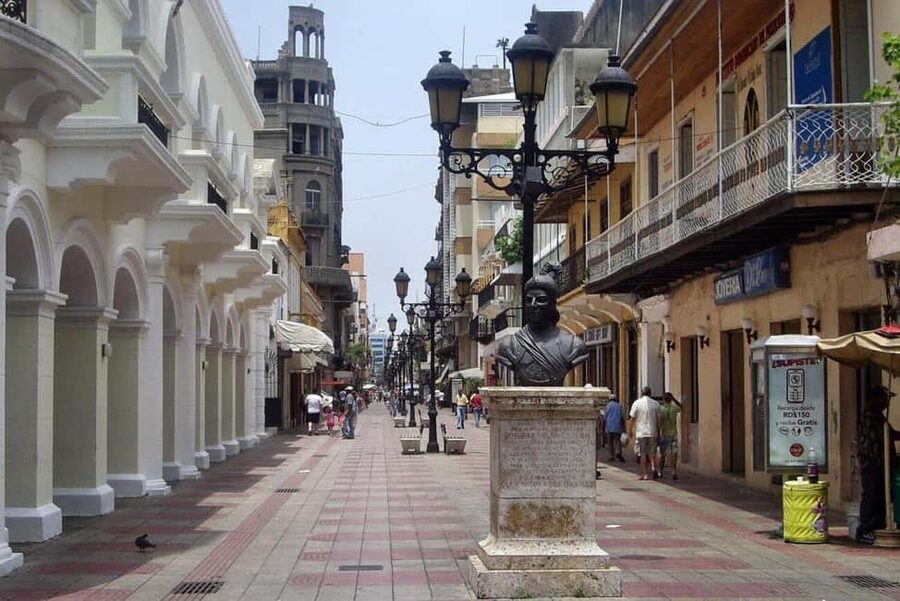
Now you get the most “walkable” part of the tour. You’ll head along Calle El Conde, one of the oldest and liveliest streets in Santo Domingo. This segment is great because it gives your eyes a chance to adjust. After museums and large buildings, you experience the Colonial Zone as a living place with shops, restaurants, and street performers.
Just as quickly, you get a reset at Parque Colón. The tour frames it as a calm oasis in the middle of the city’s rhythm, where you can relax and admire the statue of the famous explorer. I like this kind of pause because it prevents the last stops from feeling rushed. It also gives you a moment to rehydrate mentally before you tackle the final cathedral experience.
Primate Cathedral of the Americas: closing with a statement building
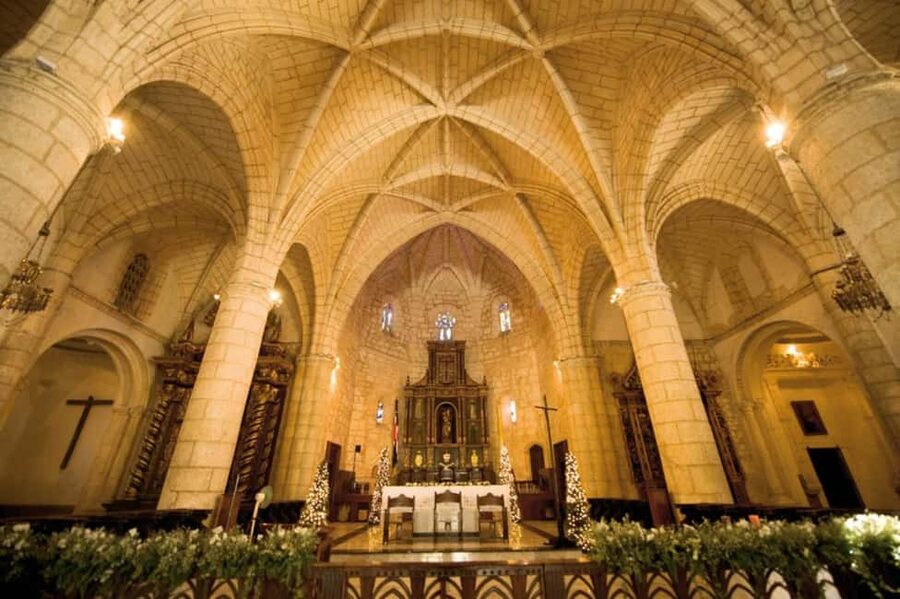
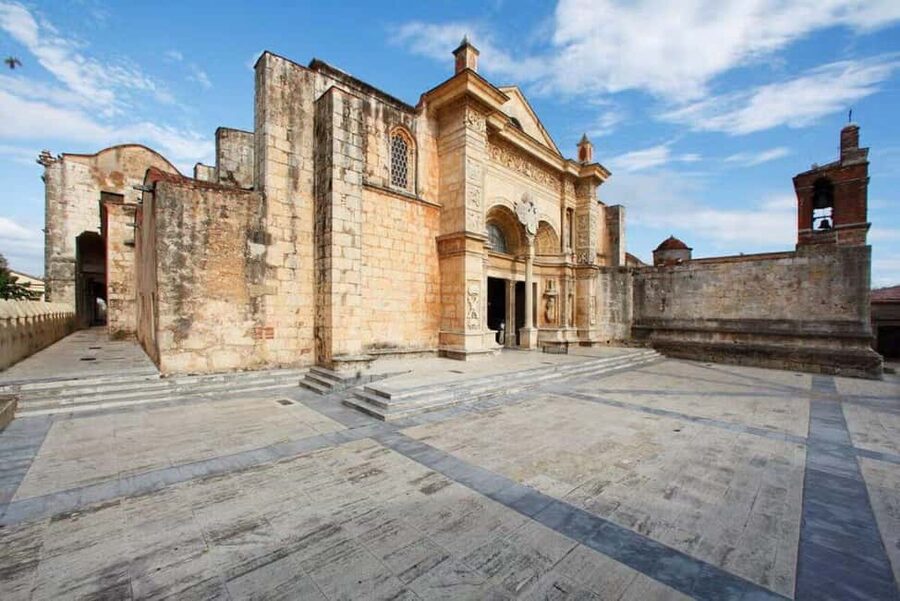
The last major stop is the Catedral Primada de América, described as an architectural gem with centuries of faith behind it. Your guided time here focuses on the details and the cathedral’s importance in the region’s religious history.
Even if you’ve seen cathedrals elsewhere, this is still worth it because of how it lands as a finish. You started with the Sundial and moved through colonial structures. Then, at the end, you get a building designed to gather people and endure. By the time you reach the cathedral, you understand the route’s logic: authority, society, and belief all show up in different ways.
A tip for enjoying the final stop
Take a slow pass at the beginning while your guide is speaking. If you wait until later to look closely, you can end up rushing through details just to keep pace.
Timing, pace, and what $5 gets you (and what it doesn’t)
The advertised duration is 2 hours, but in real life it can feel tighter depending on how fast your group moves and how much your guide adds at each stop. One guide experience in this format is described as closer to about 1 hour and 15 minutes, so plan for the fact that it may not be a long, sit-down style tour.
Value-wise, $5 is unusually low for a guided route hitting multiple landmark sites. You’re paying for an organized path through the Colonial Zone, plus guided interpretation at stops like the Museum of the Royal Houses, Alcázar de Colón, the Wax Museum, and the cathedral. The trade-off is that you don’t get a slow, museum-by-museum experience.
One important catch: museum tickets aren’t included. So if a stop requires a separate entry fee on-site, you’ll likely cover that. Before you go, it’s smart to ask what costs might appear during the walk. That keeps surprises away and protects the budget.
What to bring and how to make the walk easier
This tour is only as comfortable as your shoes. Bring comfortable shoes, water, and sunscreen. A camera helps because the architecture and plazas are made for photos, especially Plaza España and Alcázar de Colón.
You’ll also want to keep things light. The route is short, but you’ll still be moving from stop to stop across cobblestones and urban streets.
Guide quality matters, and a specific name pops up
You’re getting a live guide in English, French, or Spanish. That matters because the best learning here is the interpretation—the why behind the stone. One guide specifically praised in this setup is Fernando, called out as genial by name. If your group gets Fernando, you’re likely to get a lively, clear explanation that keeps the walk moving.
Who should book this tour?
You’ll probably love this if you:
- want a fast, guided primer to the Santo Domingo Colonial Zone
- care about major landmarks like Alcázar de Colón and the Primate Cathedral
- like a mix of buildings plus human-story stops (wax museum, hospital)
You might reconsider if you:
- expect a clear chocolate or mamajuana tasting experience, because the provided details don’t outline that
- want a deeper, extended political timeline with specific regional comparisons, since the focus stays on site-based history
Also, it’s not suitable for wheelchair users based on the provided info.
Should you book Zona Colonial: Recorrido Histórico con Chocolate y Mamajuana?
If you want good value and a tight way to see the Zona Colonial’s most recognizable anchors, I’d say yes—especially for first-timers who feel overwhelmed without guidance. The route is practical: you get the Sundial start, a major payoff at Alcázar de Colón, a street-life moment on Calle El Conde, and a strong finish at the cathedral.
Just go in with two clear expectations. First, expect architecture and guided storytelling more than a food-and-drink experience. Second, treat the 2-hour label as flexible—build in a little buffer and you’ll feel calm instead of rushed.
If you confirm beforehand whether there’s any chocolate/mamajuana component beyond the title, this can be a satisfying, low-cost way to get your bearings and learn what to look for next.
FAQ
Where does the tour meet?
Your guide waits at the Reloj del Sol (Sundial), in front of the Museum of the Royal Houses.
How long is the Zona Colonial tour?
The duration is listed as 2 hours. In practice, the pace can be shorter depending on how the tour runs.
What sites are included in the guided route?
The guided stops include the Museum of the Royal Houses, Plaza España, Alcázar de Colón, Juan Pablo Duarte Wax Museum, Nicolás de Bari Hospital, a walk along Calle El Conde, Parque Colón, and the Primate Cathedral of the Americas.
Are museum tickets included?
No. Museum tickets are not included, so you may need to pay entry fees if any stop requires them.
What language is the guide?
The tour offers live guiding in English, French, and Spanish.
What should I bring?
Bring comfortable shoes, a camera, sunscreen, and water.
Is the tour wheelchair accessible?
No, it is not suitable for wheelchair users.