REVIEW · MADRID
KAICAO bean to bar and design your chocolate experience
Book on Viator →Operated by Kaicao Fábrica de chocolate · Bookable on Viator
Cocoa turns into chocolate fast here. This Kaicao tour takes you from unroasted cocoa to finished bars, with hands-on explanations and real tastings. I love that the session is small (max 10 people) and focused, not a rushed show. I also like that you get to taste along the way, including roasted beans and finished products.
One thing to consider: it is short at about 1 hour 30 minutes, and it’s not a sightseeing tour. If you want Madrid views and landmarks, you’ll need to pair it with other plans.
In This Review
- Key things to know before you go
- Kaicao Bean-to-Bar Tour at 4pm: A Small Factory Moment
- From Unroasted Cocoa to the Cocoa Fruit Story
- Seed Selection and Roasting Profiles: Why Flavor Changes
- Shelling Roasted Cocoa Beans and the Real Tastings
- Turning Roasted Cocoa into Chocolate Bar: What Happens Next
- Coffee, Cardamom, and the Finishing Tastings You’ll Want to Remember
- Vegan and No-Sugar Options: What to Ask Before You Choose
- Price and Logistics: Is $54 Worth 90 Minutes?
- Who This Tour Fits Best in Madrid
- Should You Book Kaicao Bean to Bar in Madrid?
- FAQ
- How long is the Kaicao bean-to-bar experience?
- Where is the meeting point?
- What time does the tour start?
- Is the tour offered in English?
- How many people are in the group?
- Will I get to taste chocolate during the tour?
- What kind of chocolate is served during tastings?
- Are there vegan or no-sugar options?
- What is the cancellation policy?
Key things to know before you go
- Bean-to-bar from start to finish: You follow the path from cocoa fruit and harvest to roasted beans and chocolate bars
- Tasting built in early: Roasted cocoa beans and multiple chocolate products happen during the tour
- Thoughtful roasting focus: You learn about seed selection and roasting profiles made for flavor
- Made for all ages: Reviews highlight it as fun for both kids and adults
- Options beyond standard chocolate: There are no-sugar and vegan options mentioned, including a note about camel milk ingredients
- Small group setting: With a limit of 10 travelers, questions are easier to get answered
Kaicao Bean-to-Bar Tour at 4pm: A Small Factory Moment
Kaicao Fábrica de chocolate runs this experience out of central Madrid, at C. de la Encomienda 15 (Centro, 28012). The start time is 4:00 pm, and the tour wraps back where you began. Expect a mobile ticket, and you’ll be on an English-language guided format.
The group size matters here. With a maximum of 10 people, you’re not just standing in a line. You can actually hear the explanations, and you’re more likely to ask follow-up questions when something sparks your curiosity—like why different roasts taste different even with similar beans.
The duration is about 90 minutes. That’s enough time to understand the big steps and taste the results, without turning it into a full-day “chocolate degree.” But it also means you’ll want to arrive ready to focus. This is a workshop-style factory experience, not a long lounge.
You can also read our reviews of more tours and experiences in Madrid.


From Unroasted Cocoa to the Cocoa Fruit Story
The tour begins with the basics: what unroasted cocoa is like, and how the cocoa plant fits into the process. You’ll get an intro to the cocoa fruit and the steps connected to harvest and post-harvest.
This part is more important than it sounds. Cocoa isn’t just one ingredient—it’s a crop with a chain behind it. Harvest timing, drying, and early handling all affect how the beans behave later when you roast them. When the guide explains post-harvest steps, you’re really learning why one origin can taste bright and another can taste deeper, even before you ever reach a bar.
You also get context on the unique cacao origins they use in their urban chocolate factory. Even if you don’t memorize origin names, the takeaway is practical: chocolate flavor starts long before the kitchen. If you’ve ever wondered why some chocolate tastes more like fruit or coffee and others taste more like nuts or earth, this is where the explanation begins.
Seed Selection and Roasting Profiles: Why Flavor Changes
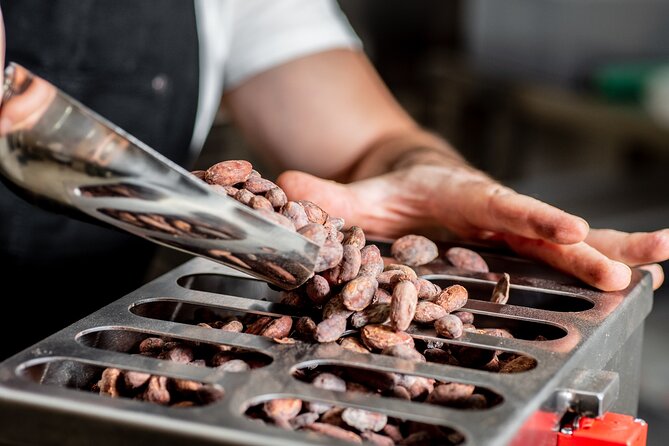
Next comes the part chocolate lovers usually care about most: choosing the seeds and building roasting profiles. The tour explains how they select the seeds and how they developed roasting profiles to bring out the best flavor.
Here’s what I think is valuable for you: roasting is where “good beans” become “your kind of chocolate.” Two batches can come from similar-looking beans, but different roasting profiles can shift aroma, bitterness, and sweetness perception. Learning that structure helps you taste more actively later. Instead of only thinking, This is delicious, you can start noticing patterns like roast depth or how a darker bar doesn’t necessarily mean harsher flavor.
Then you move forward into the physical steps—shelling roasted cocoa beans—before the tasting part kicks into higher gear. That order is smart. You understand the why, then you see the how, then you taste the outcome.
Shelling Roasted Cocoa Beans and the Real Tastings
After roasting and seed selection comes a key moment: you’ll see how they shell the roasted cocoa beans. It’s one of those process steps that feels oddly satisfying—like watching an ingredient change state right in front of you.
And then, you taste.
This tour includes tasting roasted cocoa beans, not just finished chocolate. That can totally flip your idea of what cocoa should taste like. Roasted beans taste different from the end product because chocolate bars involve multiple processing steps that smooth and blend flavors. Tasting the bean first helps you separate origin flavor from transformation flavor.
It’s also a great way to learn without getting technical. You don’t need lab notes. You just need a palate and a guide who can point out what to notice.
Turning Roasted Cocoa into Chocolate Bar: What Happens Next
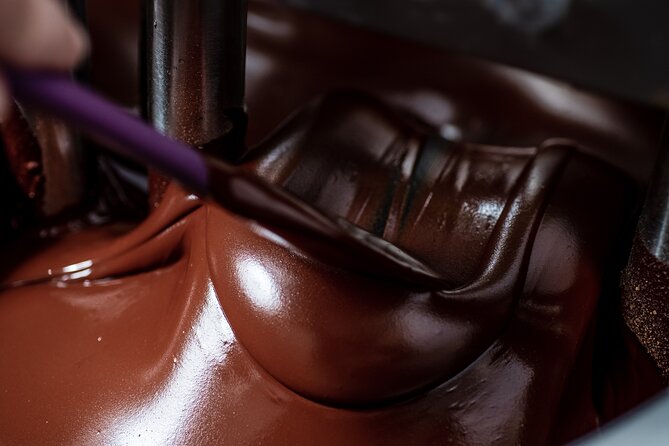
Once the beans are roasted and shelled, the tour walks through the rest of the processes needed to transform roasted cocoa into chocolate and other products.
The exact machinery or step names aren’t the point you should obsess over here. What matters is that you see the workflow conceptually and understand that chocolate is made through repeated stages, not one magic button. You go from cocoa material to chocolate form, and you end with bars and specialty products.
This is where a factory tour can either feel like a lecture or feel useful. In this case, the tasting cadence helps keep it grounded. You’re not just hearing descriptions; you’re connecting them to flavor experiences.
Also, the experience is designed to end with a final tasting session of multiple products. That’s a big part of why the tour stays memorable.
Coffee, Cardamom, and the Finishing Tastings You’ll Want to Remember
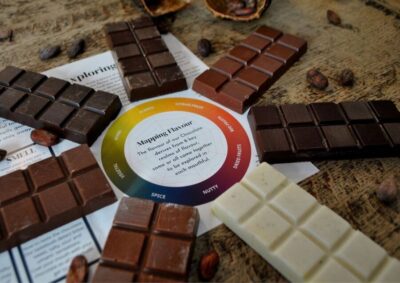
The tour’s sample menu includes a starter: 65% Dark Arabica Coffee Chocolate and Cardamom.
That combo is a nice signal of what Kaicao focuses on: cocoa-forward flavors paired with careful add-ins. Coffee notes and spices can make chocolate taste layered instead of one-note. Cardamom, in particular, can create a warm aroma that hits differently as you chew and as the chocolate warms in your mouth.
At the end, you taste different products made with fine cocoa. This is the moment to slow down mentally and pay attention. Try to compare not just sweet vs not sweet, but also texture and how long flavors linger. If you’re the type who normally buys based on percent cacao only, this final tasting can train you to buy based on flavor direction too.
You’ll also have the possibility of buying products at the end. For a lot of people, that’s the best part: you don’t leave with only knowledge. You leave with chocolate decisions you already tested.
Vegan and No-Sugar Options: What to Ask Before You Choose
One of the strongest signals from the feedback is variety for different dietary preferences. I see mentions of artisans crafting options that include no sugar. There’s also a comment that even diabetics can have the chocolate, with the key point being that the tour offers options described as suitable.
I can’t tell you how any food will affect your body medically, so use the sensible approach: check ingredients and confirm how products are sweetened or whether they contain sugar alcohols or other sweeteners. Still, it’s useful that the tour environment clearly supports people who care about sugar content.
Vegan options are mentioned too. The note is specific: vegan options exist, but two products are said to contain camel milk. If you follow a strict diet, ask what’s in each tasting before you commit.
Practical takeaway for you: if your dietary needs are important, go in with a plan to ask questions during the tasting portion. This is where staff can usually steer you toward the right bars or prevent surprises.
Price and Logistics: Is $54 Worth 90 Minutes?
At $54.07 per person for about 1 hour 30 minutes, you’re paying for two things: expert-guided chocolate education and structured tastings in a small group setting.
For value, here’s how to look at it:
- You’re tasting multiple stages, including roasted cocoa beans and several finished products. That’s not typical for cheaper factory tours.
- You’re learning process details like seed selection and roasting profiles, which helps you understand what you’re buying later.
- The group cap at 10 is a real quality boost. Less crowd pressure means better interaction and better learning.
- The experience ends with the option to buy, so the knowledge can turn into a selection you actually enjoy.
One downside of the short format is you won’t get infinite sample variety. But for many people, that’s the sweet spot: you walk out full of ideas, not exhausted.
Booking seems in-demand—on average, people book around 9 days in advance. If your schedule is fixed, don’t wait too long.
Who This Tour Fits Best in Madrid
This is a smart choice if you fit one (or more) of these profiles:
- You want a hands-on food experience in central Madrid that’s not a museum stop
- You like learning through tasting, not just listening
- You’re traveling with kids or teens and want something that feels fun and digestible
- You care about flavor quality and how roasting affects taste
- You need options that may be no sugar or vegan-friendly, with a clear reminder to confirm ingredients (especially for camel milk)
It’s also a good “second act” plan. Because it starts at 4:00 pm, you can spend the morning on sights, parks, or markets, then switch gears into chocolate.
Should You Book Kaicao Bean to Bar in Madrid?
Yes—if you want a focused, flavor-first workshop that teaches the chain from cocoa fruit to finished chocolate bars. The combination of small group size, process clarity, and tastings makes it feel worth your time and money, even though it’s only about 90 minutes.
You might skip it if you’re only looking for a long sightseeing day or you dislike structured tastings. Also, if your dietary needs are strict, plan to ask what’s in each item during the tasting session so you’re comfortable with your choices.
FAQ
How long is the Kaicao bean-to-bar experience?
It runs for about 1 hour 30 minutes.
Where is the meeting point?
The tour meets at C. de la Encomienda, 15, Centro, 28012 Madrid, Spain.
What time does the tour start?
The start time listed is 4:00 pm, and it ends back at the meeting point.
Is the tour offered in English?
Yes, it is offered in English.
How many people are in the group?
The tour has a maximum of 10 travelers.
Will I get to taste chocolate during the tour?
Yes. The experience includes tasting, including roasted cocoa beans and a tasting of different chocolate products at the end.
What kind of chocolate is served during tastings?
One starter listed is 65% Dark Arabica Coffee Chocolate and Cardamom, and you also taste other products made with fine cocoa.
Are there vegan or no-sugar options?
The information provided mentions vegan options and also no-sugar options. One note says two vegan items contain camel milk, so it’s smart to check ingredients during the tasting.
What is the cancellation policy?
Free cancellation is available up to 24 hours in advance for a full refund. If you cancel less than 24 hours before the start time, the amount paid is not refunded.