REVIEW · MAUI
Lahaina: Maui Ku’ia Estate Guided Cacao Farm Tour and Tasting
Book on Viator →Operated by Maui Chocolate Tour · Bookable on Viator
A sweet bite of Hawaii’s chocolate world.
I love the farm-to-bar feel, from seeing cocoa pods up close to understanding how they turn into chocolate, with guides like Shawn, Brandy, Steph, and Mandy. I also love the nine-piece tasting in a treehouse setting, where you get to compare flavors instead of just eating one bar. One thing to plan for: the experience involves climbing about 24 broad stairs and walking around the estate area.
It’s a great pick if you’re the type who wants the story behind what you’re tasting. Still, keep expectations realistic on group size: the tour is marketed as small, and the operation can run up to 14 people, which can make transport a bit tight.
In This Review
- Key moments I’d prioritize
- Lahaina Factory Start: How the Tour Sets Up the Tasting
- Driving to Ku’ia Estate: From Factory to Real Cacao Trees
- The Cacao Harvesting Lesson: What “Farm to Bar” Really Means
- Treehouse Tasting: How to Make the Nine-Chocolate Comparison Work
- Small-Group Size and Transport: When “Personal” Meets Reality
- Value Math: Does $99.48 Buy You Enough?
- Who This Tour Suits (and Who Might Want to Skip It)
- Practical Tips That Make the Hour-and-a-Half Go Smooth
- Should You Book This Ku’ia Estate Cacao Farm Tour?
- FAQ
- How long is the Maui Ku’ia Estate chocolate tour?
- What does the tour cost?
- Where does the tour meet?
- How many people are in the group?
- Is parking available?
- How many chocolates are included in the tasting?
- Are young children allowed?
- Is the tour ADA accessible?
- What should I wear?
- What happens if the weather is bad?
- Can I cancel for a refund?
Key moments I’d prioritize
- Hawaii’s largest working chocolate factory in Lahaina starts the story
- A private cacao estate with 20+ acres in the West Maui foothills
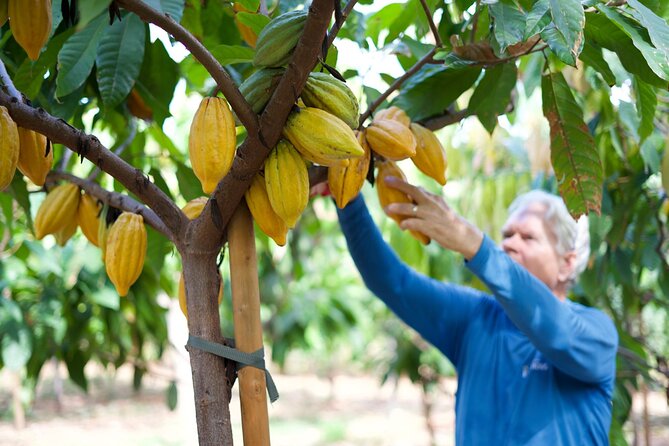
- Hands-on cacao harvesting you can actually picture in your mind
- A treehouse tasting of nine chocolates to compare flavors
- Small-group vibe capped at 14 travelers for a more personal guide experience
Lahaina Factory Start: How the Tour Sets Up the Tasting
The tour begins at 78 Ulupono St, Suite 1 in Lahaina, with check-in about 15 minutes early. This is where you get oriented before the day turns into a cacao field lesson. The meeting point also includes free covered parking on the Kupuohi St side of the building, which is a nice detail if you’re driving in Lahaina.
You’ll start at Ku’ia Estates Chocolate Factory, described as Hawaii’s largest working chocolate factory. That matters because you’re not just looking at a product in a shop. You’re stepping into a functioning operation, then getting connected to where the ingredients come from on the farm.
The guide is a big part of why this works. In the same hour-and-a-half time window, you’ll hear the process explained in plain language, plus you’ll be able to ask questions as you move from factory to farm. A few guides are mentioned by name in guest feedback—Shawn, Brandy, Steph, and Mandy—and that lines up with the vibe you’re likely to want: friendly, energetic, and focused on how cacao becomes chocolate.
You can also read our reviews of more tours and experiences in Maui.


Driving to Ku’ia Estate: From Factory to Real Cacao Trees
After the factory portion, your guide drives you to the nearby Ku’ia Estate cacao farm. This is one of the best parts for me, because it keeps the day from feeling like a slideshow. You’re swapping cocoa-related terms on a wall for the actual plants on the ground.
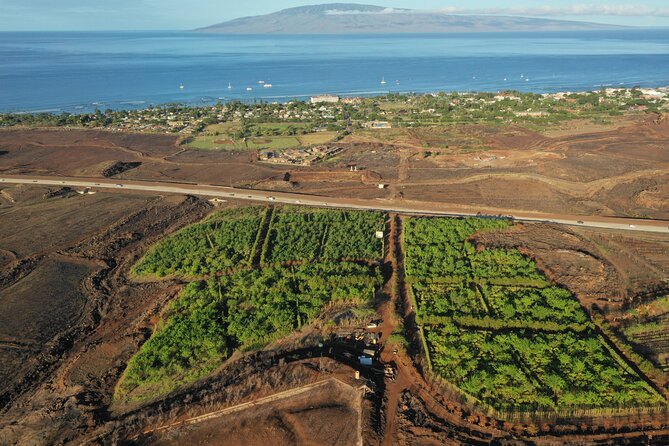
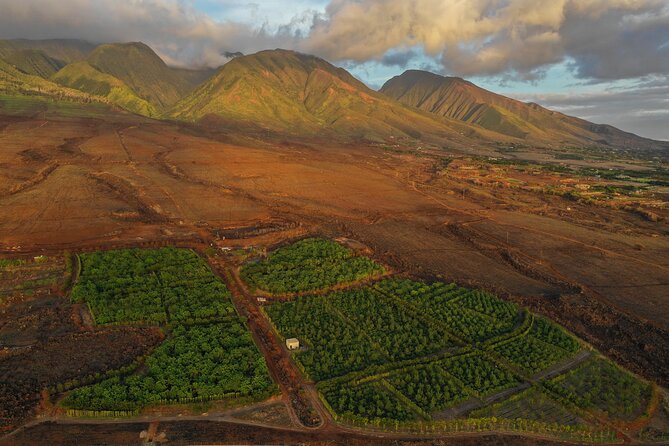
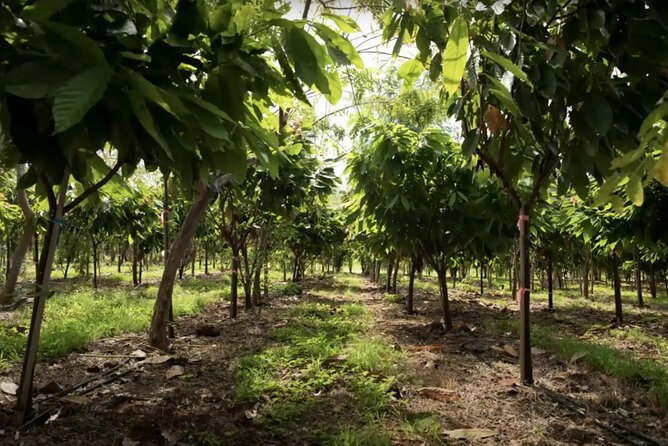
The estate is in the foothills of the West Maui mountains and covers over 20 acres with cacao trees. That size matters: it gives the tour a sense of scale. Cacao isn’t a quick crop, and the tour’s timing and pace feel built around showing you the step-by-step reality—trees, pods, harvesting, and what comes next.
Here’s the practical piece: the route and estate walking require decent mobility. You’ll need the ability to climb about 24 broad stairs with a railing and walk about 20 minutes. Closed-toed shoes are recommended for a reason. If you hate stairs, plan to be honest with yourself before booking.
The Cacao Harvesting Lesson: What “Farm to Bar” Really Means
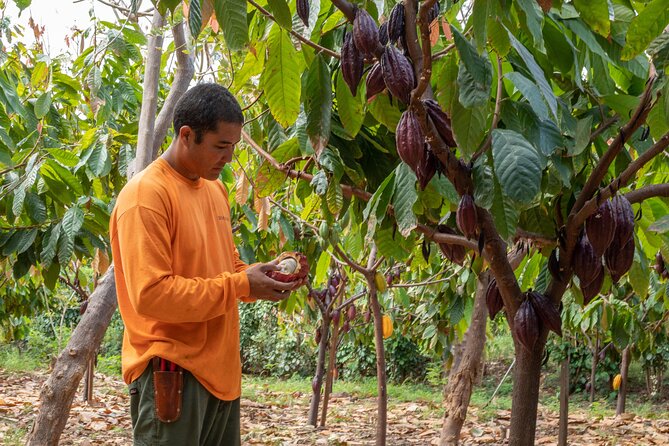
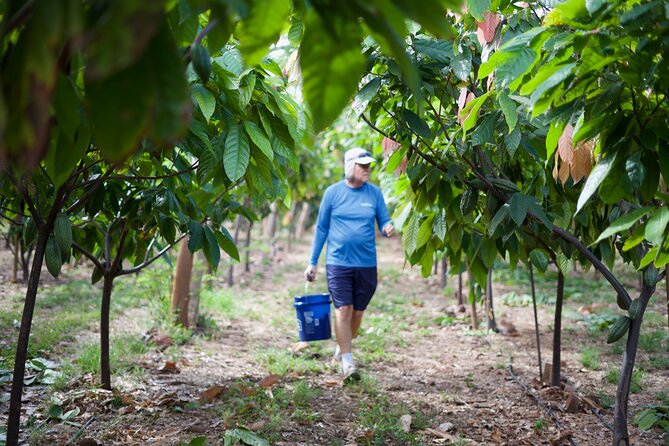
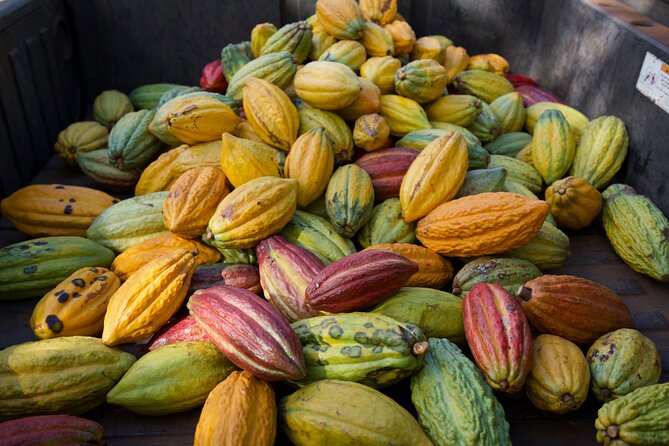
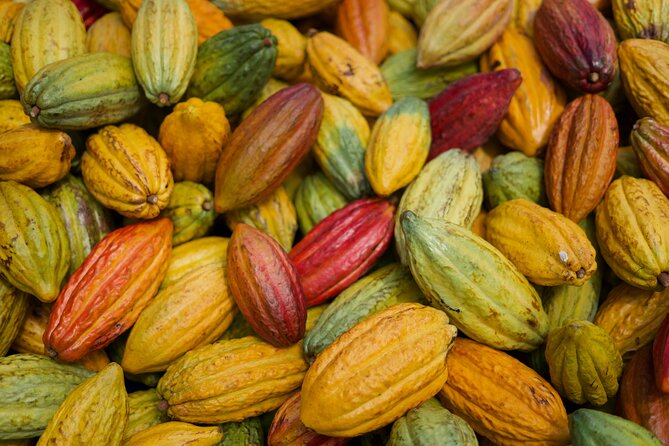
Once you’re on the estate, you’ll focus on what cacao trees do and how pods are harvested. The tour frames it as farm to bar, and the value is that it explains the bridge between something that looks like a fruit pod and the chocolate you know in stores.
The guide leads you through interactive, educational parts of the farm experience. You’ll learn what the cacao trees look like in the West Maui growing conditions and how harvesting works in practice. Even if you’re not a plant person, this section tends to click because it ties directly to what you’re going to taste later.
A nice touch in guest feedback is how much emphasis is placed on the process, not just the product. One person even pointed out that the guide has a science background, and regardless of who leads your tour, the tone is usually “here’s how it works” instead of “isn’t it pretty.” That’s exactly what makes the tasting feel more meaningful afterward.
Treehouse Tasting: How to Make the Nine-Chocolate Comparison Work
The tour’s payoff is a tasting of nine different chocolates. This is where you stop learning and start noticing. You’ll be sampling award-winning chocolates, and it’s set up so you can compare flavors rather than treating every piece like a generic sweet bite.
Several guests highlight that the tasting happens in a treehouse area among cacao trees. That setting does two useful things:
1) It keeps the tasting memorable, not sterile.
2) It reinforces the connection between the farm and what ends up in your hands.
How to get more out of it: go slow. Start by thinking dark chocolate bitterness is not the same as chocolate flavor complexity. Then look for differences in roast character and intensity from piece to piece. The guide will typically explain what you’re tasting in a way that helps you build your own simple mental map—sweet vs. bitter, light vs. deep notes, and the overall strength of each bar.
If you enjoy chocolate flights in other contexts (like wine tastings), this won’t be identical, but the structure helps. You’re getting a guided comparison, with just enough explanation to understand what you’re experiencing.
Small-Group Size and Transport: When “Personal” Meets Reality
This is marketed as a small-group tour, and the cap is listed as a maximum of 14 travelers. You may also hear the idea of a smaller cap in promotional language, but the key detail you should plan around is the maximum number allowed on the day.
Why that matters: you’ll ride in a van/transport with the group, and the estate portion involves walking and stairs. If the group runs toward the higher end, you’ll likely feel the space limits during transport more than you would on a quiet, roomier tour.
I’d also flag one mobility constraint that’s clearly stated: there’s no space on the bus for walkers. So if you need assisted mobility or you’re bringing a walker, be careful. The stairs and walking demands already make this not the best fit for everyone, and the transport limitation can be a dealbreaker.
Value Math: Does $99.48 Buy You Enough?
At $99.48 per person for about 1 hour 30 minutes, you’re paying for a tight package: factory access, a guided cacao estate walk, and an actual chocolate tasting that includes nine pieces. The price isn’t just for chocolate. It’s paying for a guide-led explanation of cultivation and production, plus time on a private farm property.
Here’s what makes it feel like good value if you’re into food and process:
- Chocolate tasting is included, not an upsell.
- Certified guide is included, which keeps the educational parts from turning vague.
- Free covered parking reduces one more hassle cost if you drive.
Also worth noting: one guest description says the company is non-profit and donates profits to Maui charities. That’s not something you can verify from your own experience during the tour, but it does add a layer of meaning if that kind of mission matters to you.
The drawback on value comes up when someone expects the tour to feel slower or more indulgent. The tasting portion is great, but the overall experience is still short and structured. If you want a long, syrupy chocolate experience with extra sessions, you might feel the time is efficient rather than expansive.
Who This Tour Suits (and Who Might Want to Skip It)
This tour is especially suited to you if:
- You want to understand chocolate in a way that ties directly to cacao cultivation
- You like comparing multiple chocolates, not just one sweet sample
- You’re comfortable with short walking and stairs in a farm setting
It’s less suited if:
- You need ADA accessibility (it’s listed as not ADA accessible)
- You can’t climb about 24 broad stairs with a railing
- You plan to use a walker or need specific transport support (no bus space for walkers)
For families: children under 3 aren’t permitted, so this is more of an adult-friendly activity. It also runs in English, which is a plus if that’s your comfort zone.
If you’re in Lahaina and want one high-impact, different-from-the-beach activity, this is a strong candidate. Couples and friends often pair it with other Lahaina-area plans because it’s short and ends back where you started.
Practical Tips That Make the Hour-and-a-Half Go Smooth
A few simple choices will help you enjoy this more.
- Wear closed-toed shoes. The stairs and estate walking are part of the experience.
- Plan to arrive early for check-in. You’ll check in about 15 minutes prior, and arriving a bit ahead gives you breathing room.
- Bring your questions. The guide is part educator, part storyteller, and named guides in feedback suggest a lively, enthusiastic teaching style.
- If you buy chocolate, protect it. One practical pro tip from feedback: chocolate can melt in Maui heat, so plan how you’ll store it once you leave.
And yes, after the tasting, you’ll likely want time to pick up souvenirs. The tour experience is built to end with you leaving with chocolate, not just memories.
Should You Book This Ku’ia Estate Cacao Farm Tour?
Book it if you want an honest, guided understanding of how cacao becomes chocolate—then get to taste nine pieces right after you learn what you’re looking at. The pairing of factory context with a cacao estate walk is the real win, and the treehouse tasting turns the whole thing from theory into flavor.
Skip or reconsider if stairs and walking are an issue for you, or if transport limitations affect your mobility needs. Also think carefully about group size: while it’s small, it can be up to 14 people, so plan for a more compact van ride.
If you’re the type who likes food tours where you come away with both knowledge and a bag of chocolate, this one is easy to recommend.
FAQ
How long is the Maui Ku’ia Estate chocolate tour?
It runs about 1 hour 30 minutes.
What does the tour cost?
The price is $99.48 per person.
Where does the tour meet?
Meet at 78 Ulupono St Suite 1, Lahaina, HI 96761.
How many people are in the group?
The maximum is 14 travelers.
Is parking available?
Yes. Free covered parking is available on the Kupuohi St side of the building.
How many chocolates are included in the tasting?
You’ll get an exclusive tasting of nine different chocolates.
Are young children allowed?
Children under 3 are not permitted.
Is the tour ADA accessible?
No, it is listed as not ADA accessible, and it requires climbing about 24 broad stairs and walking about 20 minutes.
What should I wear?
Closed-toed shoes are recommended.
What happens if the weather is bad?
The experience requires good weather. If canceled due to poor weather, you’ll be offered a different date or a full refund.
Can I cancel for a refund?
Yes, it’s free cancellation. Cancel at least 24 hours before the start time for a full refund.