Pyramids plus cacao in one long day. This tour pairs a guided Teotihuacan sweep (including major stops like the Pyramid of the Sun and Moon, plus an obsidian explanation) with a pre-Hispanic chocolate workshop in San Martín de las Pirámides. I also like that the plan is structured—about 3 hours at the ruins, then a market break, then chocolate—so you’re not stuck guessing what to do next.
One thing to keep in mind: Teotihuacan means real walking and some stairs. If that’s a concern, build in slower pacing from the start and plan comfortable shoes, because you’ll be on your feet for most of the morning.
The upside is that you’re not doing this as a random crowd. This is a private tour for your group with a face-to-face guide in English (also Spanish), plus hotel or nearby pickup options, which makes the day feel smoother from minute one.
In This Review
- Key things I’d circle before you book
- Teotihuacan to Chocolate: what a 7–8 hour day feels like
- Getting from CDMX: pickup options and the meeting point that actually works
- Stop 1: the Quetzalpapalotl Complex, Pyramid of the Moon, and Causeway of the Dead
- What to watch for at Teotihuacan
- The Pyramid of the Sun stop: a photo moment with real meaning
- Stop 2: San Juan Teotihuacan market time for lunch (what’s included vs not)
- Stop 3: San Martín de las Pirámides chocolate workshop and tastings
- How the tasting part pays off
- Price and value: what $98.29 covers, and why it can be fair
- Guides and small-group feel: where the “private tour” matters
- Practical tips so Teotihuacan doesn’t steamroll your day
- Should you book Magic Teotihuacan and Chocolate?
- FAQ
- How long is the tour?
- Is hotel pickup included?
- What time does the tour start?
- What language is the guide?
- Are the Teotihuacan entrance tickets included?
- Is lunch included at the market?
- Is the chocolate workshop included?
Key things I’d circle before you book
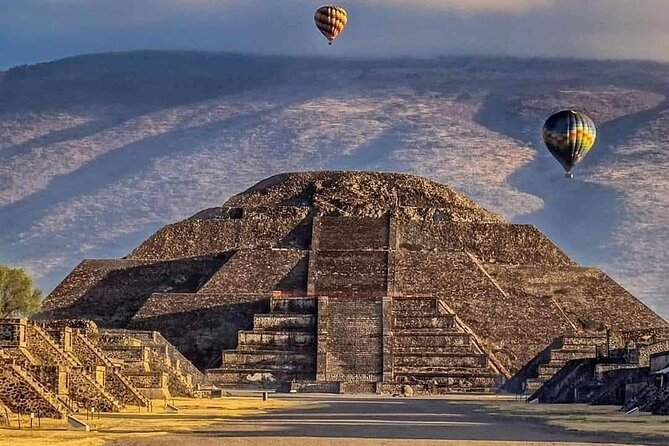
- Quetzalpapalotl Complex and both major pyramids: You hit multiple Teotihuacan landmarks in one outing
- Causeway of the Dead + mural stop: You get the classic highlights, not just the biggest pyramid views
- Obsidian explanation included: A focused moment that helps the site make more sense
- Market time in San Juan Teotihuacan: A real lunch window using local food options
- Chocolate workshop + typical regional drinks: You watch the process, then taste
- Air-conditioned transport + included water and energy bar: Little comfort wins on a long day
Teotihuacan to Chocolate: what a 7–8 hour day feels like

This is a full-day circuit out of Mexico City that blends two of Mexico’s best “learn + taste” experiences: Teotihuacan’s monumental ancient architecture and a hands-on cacao workshop. Expect a long day—roughly 7 to 8 hours—with most of the time split between the ruins and the tasting workshop.
The pacing is simple. First, you ride out and start at Teotihuacan with guide-led stops. Then you switch gears to the village market area for lunch on your own. Finally, you end with the chocolate workshop before heading back to CDMX.
You can also read our reviews of more tours and experiences in Mexico City.
Getting from CDMX: pickup options and the meeting point that actually works
The tour starts at 7:00 am (you’ll receive confirmation when you book). Pickup is offered from your hotel or Airbnb if you’re within the collection radius or near the historic center, but it’s worth checking your exact location when you book.
If you’re not in the pickup radius, you’ll meet at the 7-Eleven at Parque España, on Avenida Nuevo León 26 (Colonia Condesa). Either way, you’ll ride in an air-conditioned vehicle, and it helps a lot that the tour includes bottled water plus an energy bar for the drive.
For planning: because the meeting is early, I’d treat this as a “go to bed on time” day. Teotihuacan mornings are bright and fast.
Stop 1: the Quetzalpapalotl Complex, Pyramid of the Moon, and Causeway of the Dead
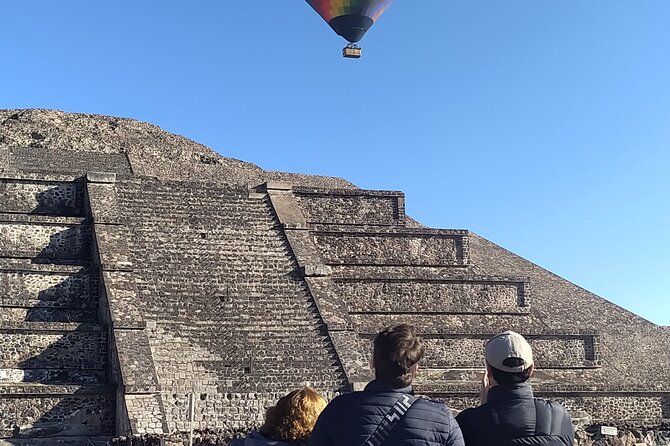
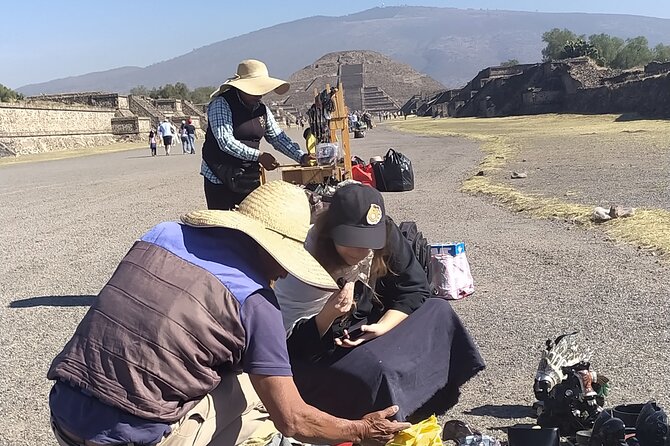
Your Teotihuacan block runs about 3 hours, and it’s built around the site’s most recognizable sequence. After arriving and starting the visit, you’ll move through key areas, including the Quetzalpapalotl Complex, then the Pyramid of the Moon, and onward to the Causeway of the Dead.
Here’s why I like this order: it helps you build a mental map. You start with the setting and complexes, then shift to the major pyramids and the broad central avenue that anchors the whole experience. It’s much easier to understand the scale when you see it in a logical flow instead of jumping around.
You’ll also stop for a mural of the cougar and get an explanation of obsidian. Those two moments matter because they move beyond “big pyramid, great photo.” Obsidian is a great example of how everyday materials and ancient technology connect to what you’re seeing at the ceremonial sites.
What to watch for at Teotihuacan
- The pyramids are iconic, but the guide focus on details (like obsidian) is what turns it from sightseeing into context.
- The route includes a fair amount of walking. If you’re managing mobility limits, mention it ahead of time and ask for a slower pace from the start.
The Pyramid of the Sun stop: a photo moment with real meaning
The visit includes the Pyramid of the Sun as one of the main anchors of the morning. This is the place where the views feel almost cinematic—long sightlines, sharp geometry, and that “how did they build this” feeling.
But the bigger value is what a guided visit can add. When you’re told what you’re looking at—how the spaces connect and why certain features matter—the Pyramid of the Sun becomes more than a landmark. It becomes the centerpiece of a bigger urban and ceremonial plan.
If you’re sensitive to heat, this is also the part of the tour where you’ll want to stay alert. Shade comes and goes, and you’ll feel the sun once the morning rolls into late morning.
Stop 2: San Juan Teotihuacan market time for lunch (what’s included vs not)
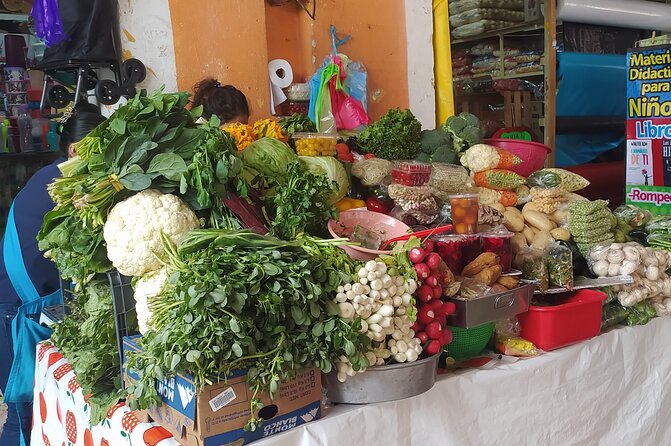
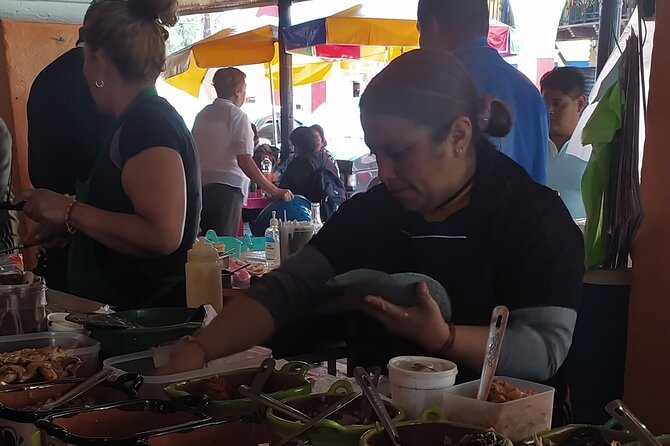
After the ruins, you switch to San Juan Teotihuacan for about 1 hour at the local village market area. This is your lunch window, and it’s intentionally flexible.
What’s included here is the visit itself. What isn’t included is lunch: food and drinks vary by person, and consumption in the market isn’t part of the price. That said, this stop is one of the best ways to get a break without turning the day into a “tour-only” bubble.
I like this break because it gives you control. You can choose lighter items if you’re tired or go for something more filling if you’re energized. And if you’re picky about what you eat, this is the moment to be direct with yourself—choose what looks fresh and is easy to eat while you’re still on the move.
Stop 3: San Martín de las Pirámides chocolate workshop and tastings
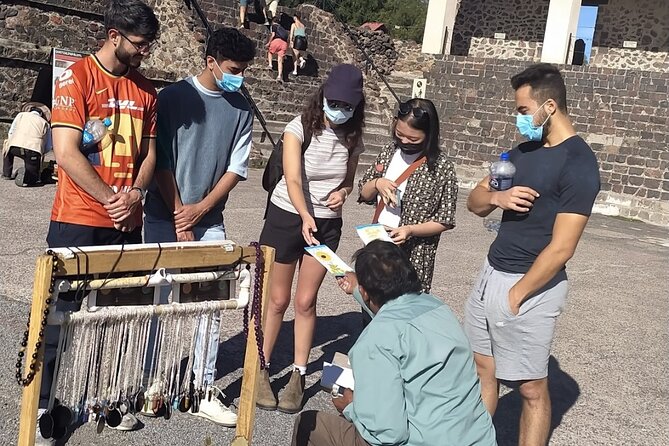
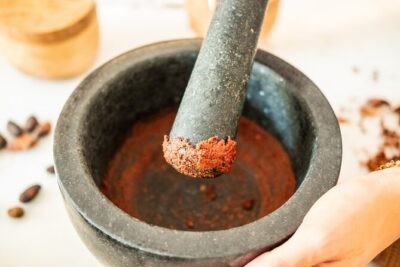
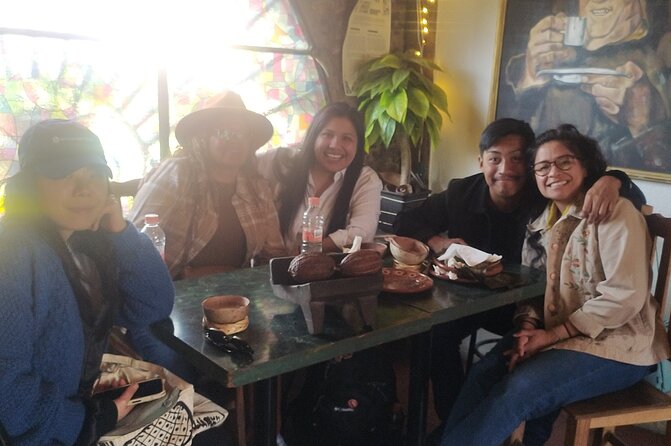
The chocolate portion runs about 2 hours in San Martín de las Pirámides, and it’s built around a workshop format. You’ll see the process of making chocolate, and you’ll be able to taste typical drinks from the region.
This is where the day really becomes memorable. Teotihuacan can feel like history in stone. Chocolate brings that history closer, turning ingredients and tradition into something you can smell, taste, and compare. You’ll also have the chance to purchase handmade chocolate products from the local chocolatier (purchases are, of course, separate from the tour price).
How the tasting part pays off
The workshop is included as a pre-Hispanic chocolate experience, and that included tasting time is the difference between reading about cacao and actually understanding the flavors. Even if you’re not a “chocolate person,” you’ll likely find at least one drink that clicks—because the workshop is about process and local style, not just sweets.
Price and value: what $98.29 covers, and why it can be fair
At $98.29 per person, this is priced like a real day trip, not a barebones hop-on/hop-off. Your value comes from what’s already wrapped into the plan:
- Air-conditioned vehicle
- Bottled water and an energy bar
- Entrance to the archaeological site and museum
- Pre-Hispanic chocolate experience
- Market visit
- Face-to-face guide (English and Spanish)
Lunch and drinks are the main extras you’ll likely pay for. Since those are variable anyway, this setup can feel fair: you choose what to eat, instead of paying a fixed lunch price that might not match your tastes.
If you’re comparing it to a do-it-yourself plan, the big win is your time and stress saved. Travel day, guided route, and ticketing are bundled so you can focus on enjoying the day.
Guides and small-group feel: where the “private tour” matters
This is a private tour/activity, so only your group participates. That doesn’t just mean fewer people—it usually means fewer interruptions, more chance to ask questions, and less pressure to keep up with the fastest walkers.
In the best examples, guides like Noa and Alma have been described as thoughtful, friendly, and focused on making the pacing work for the group. One standout theme is flexibility: for some departures, the start time has been adjusted to 9:00 am instead of 7:00 am when mobility needs made an early start challenging. If that kind of adjustment is important to you, it’s a good sign to ask about it during booking.
You’ll also likely feel the difference in how the guide handles the stops. For instance, at the market segment, good guides help you pick foods that fit your comfort level—especially if you’re trying to avoid surprises.
Practical tips so Teotihuacan doesn’t steamroll your day
This tour is doable for most travelers, but your comfort depends on how you prep for the ruins.
- Wear comfortable closed-toe shoes with grip. You’ll be walking on uneven ground.
- Bring a hat and sunscreen. Morning can be mild, then it warms up quickly.
- If you have mobility limitations, communicate early. The experience is better when your pace matches your body, not the other way around.
- Plan for snack and lunch spending. The market and chocolate shop are part of the fun, but your final costs will depend on what you order.
Also, since the workshop includes tasting typical drinks, it can help to mention dietary limits before the day starts if you have any.
Should you book Magic Teotihuacan and Chocolate?
I’d book this tour if you want one smooth day where you learn the meaning behind Teotihuacan, then switch to cacao and taste your way through tradition. It’s also a strong pick if you value structure—3 hours at the ruins, 1 hour at the market, and 2 hours at the chocolate workshop—because it cuts down on decision fatigue.
Skip it (or consider alternatives) if you know you won’t handle the physical side of Teotihuacan—walking and stairs are part of the package. And if you hate early mornings, double-check the start time and ask about timing flexibility when you book.
If your idea of a great Mexico City day trip is equal parts iconic sights and real local food and drink, this one makes a lot of sense.
FAQ
How long is the tour?
The tour runs about 7 to 8 hours total.
Is hotel pickup included?
Pickup is offered from your hotel or Airbnb if you’re within the collection radius or near the historic center. If not, you’ll meet at the 7-Eleven at Parque España on Avenida Nuevo León 26.
What time does the tour start?
The start time is 7:00 am.
What language is the guide?
The guide is face to face and offered in English (also Spanish).
Are the Teotihuacan entrance tickets included?
Yes. Entrance to the archaeological site and museum is included.
Is lunch included at the market?
Lunch isn’t included. You can eat at the market, but food and drinks are paid by you since costs vary.
Is the chocolate workshop included?
Yes. You’ll visit a chocolate workshop, see the chocolate-making process, and taste typical regional drinks. The pre-Hispanic chocolate experience is included.