REVIEW · PARIS
Paris: Entrance Ticket to the Chocolate Museum
Book on GetYourGuide →Operated by The gourmet Chocolate Museum · Bookable on GetYourGuide
Chocolate and Paris are a great match. This ticket gets you into Le Musée Gourmand du Chocolat, where you can walk a timeline of cocoa from ancient rituals to modern candy-making. I love the hands-on tastings built into the route, and I also like how seriously the museum takes chocolate history, with artifacts and exhibits that actually explain the why behind the flavors.
One heads-up: it’s a self-guided visit. If you’re hoping to line up with live demonstration moments, go with a little flexibility. And some people found that a hot chocolate cup may cost extra even when it’s mentioned in the experience title.
In This Review
- Key Things You Should Know Before You Go
- Stepping Into Le Musée Gourmand du Chocolat (Where the Smell Starts First)
- Self-Guided Means You Can Taste at Your Speed
- The Real Show: 4,000 Years of Cocoa History (Not Just Chocolate Myths)
- Montezuma, Tchocoatl, and Why Columbus Wasn’t a Fan
- Virtual Demonstration and the Secret Behind Chocolate’s Shine
- Tastings You’ll Actually Use: Praliné, Ganache, and Regional Samples
- Kids Will Be Happy: Treasure Hunt Included
- Shop Stop: Take the Story Home
- Timing, Tickets, and a Smooth Visit Plan
- Should You Book the Chocolate Museum Ticket?
- FAQ
- Is this visit self-guided?
- Do I need an audioguide?
- What languages are available?
- What time is the last admission?
- How long is the experience?
- What tastings are included?
- Are kids activities included?
- Are large bags allowed inside?
Key Things You Should Know Before You Go
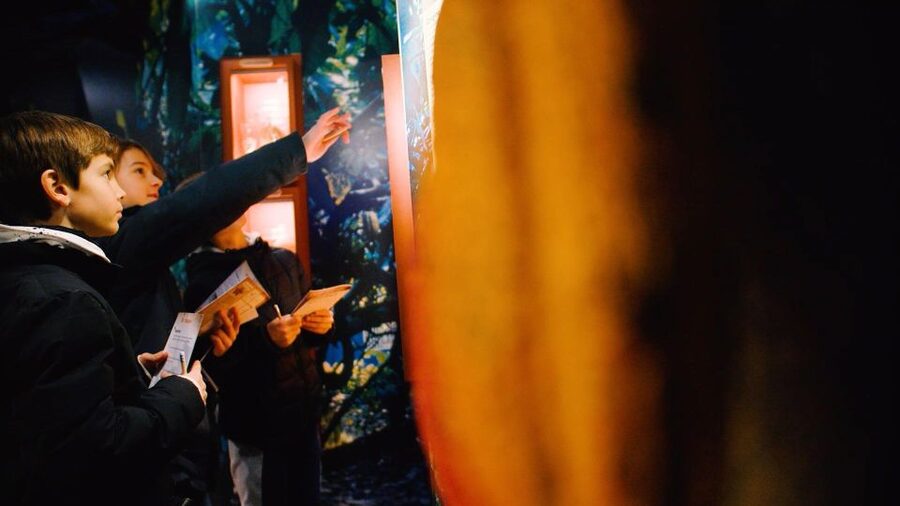
- 1,000+ chocolate-related artifacts across a 2,789 sq ft (850 sq m) exhibit space
- Self-guided with an optional audioguide at the welcome desk (3 euros/person)
- Virtual demonstration tied to 2 Meilleurs Ouvriers de France (and it’s built into the visit flow)
- Multiple tastings, including praliné and ganache, plus chocolate samples from different regions
- Kids activities include a treasure hunt to keep younger visitors engaged
- Last admission is 4:30 PM, so plan your timing if you’re doing other sights first
Stepping Into Le Musée Gourmand du Chocolat (Where the Smell Starts First)
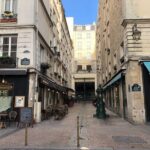
The Chocolate Museum sits at 28 Boulevard de Bonne Nouvelle, 75010 Paris, in a part of town that’s easy to reach once you’re already moving around the central sights. The best part is how quickly the experience pulls you in. You’re not waiting for a class to start. You’re walking straight into chocolate-themed history—along with displays designed to be read at a strolling pace.
What I like most is that this isn’t just a photo-op room. The museum uses a museum-style timeline and artifact approach, so you can trace chocolate’s story without needing a guide. If you prefer to go at your own rhythm, that freedom helps a lot.
A small practical note: large bags and luggage aren’t allowed. If you’re coming in from a long day of sightseeing with a big daypack, keep it light or plan to store it elsewhere.
You can also read our reviews of more tours and experiences in Paris.



Self-Guided Means You Can Taste at Your Speed
This is a self-guided visit. That matters, because chocolate museums can run into one big problem: you either rush through, or you miss what’s scheduled. Here, you’re mainly in control. You’ll follow the exhibit route, stop where something grabs you, and take part in the tastings and demonstrations that are built into the experience.
If you want more context, there’s an audioguide available at the welcome desk for 3 euros per person. Languages include French, English, German, Dutch, Spanish, Italian, and Portuguese. Even if you read the panels, the audioguide can help you connect the dots faster, especially when the museum jumps across centuries.
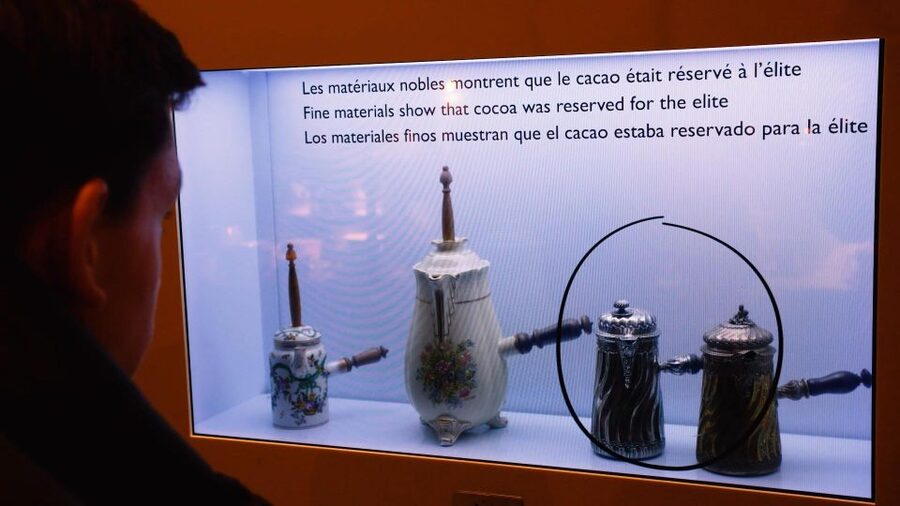
Expect the museum to be multilingual in the way that’s actually useful for visitors: the descriptive panels are in English, French, and Spanish. That keeps the experience accessible without forcing you to translate everything in your head.
The museum also says the exhibits cover about 2,789 sq ft (850 sq m). That’s not enormous compared to major Paris museums, but it’s plenty of space to keep you busy without feeling trapped for an entire day.
The Real Show: 4,000 Years of Cocoa History (Not Just Chocolate Myths)
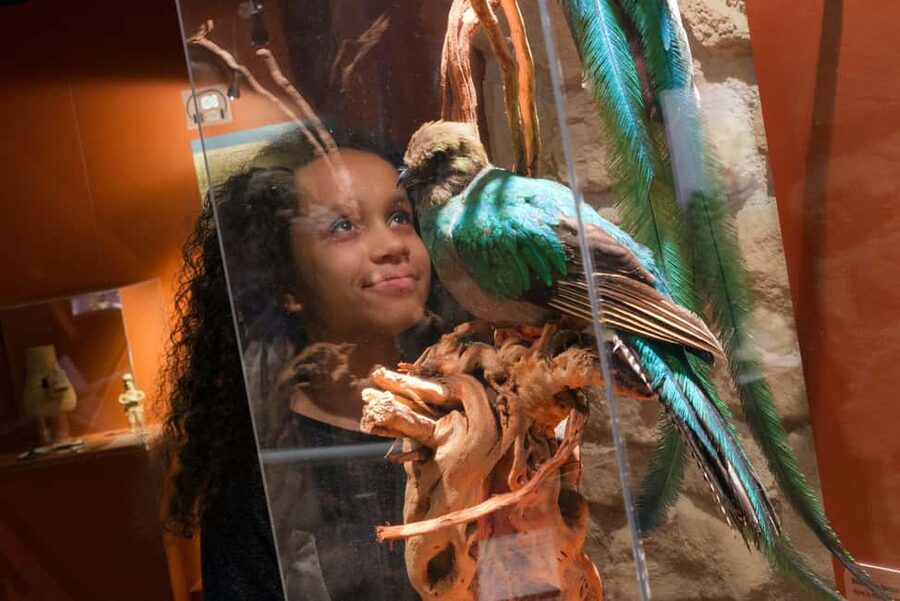
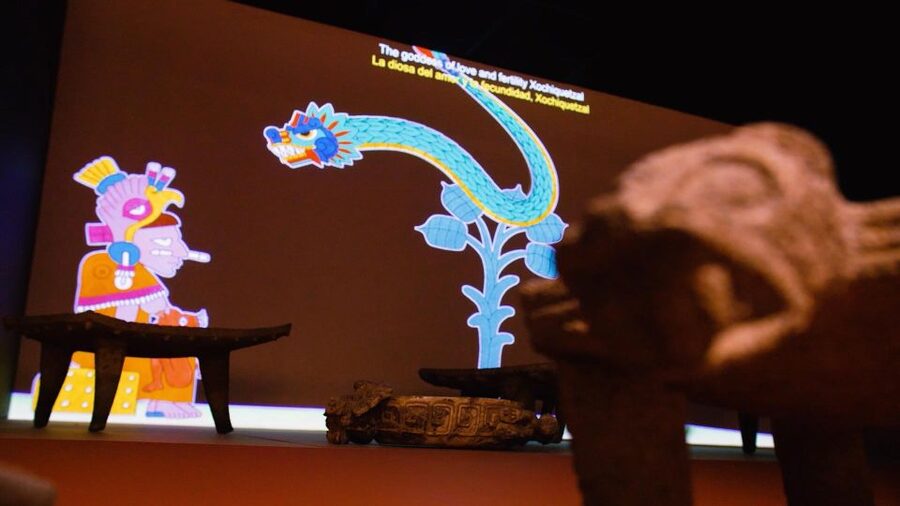
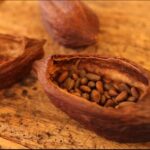
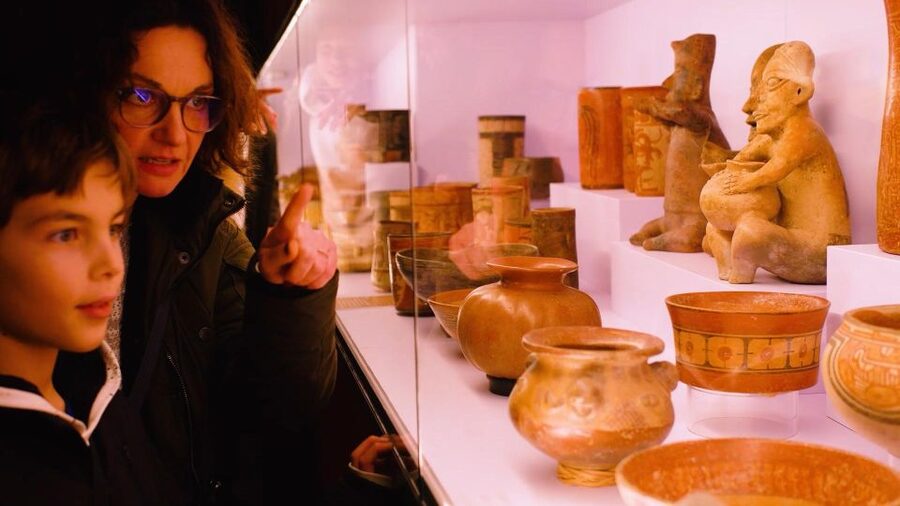
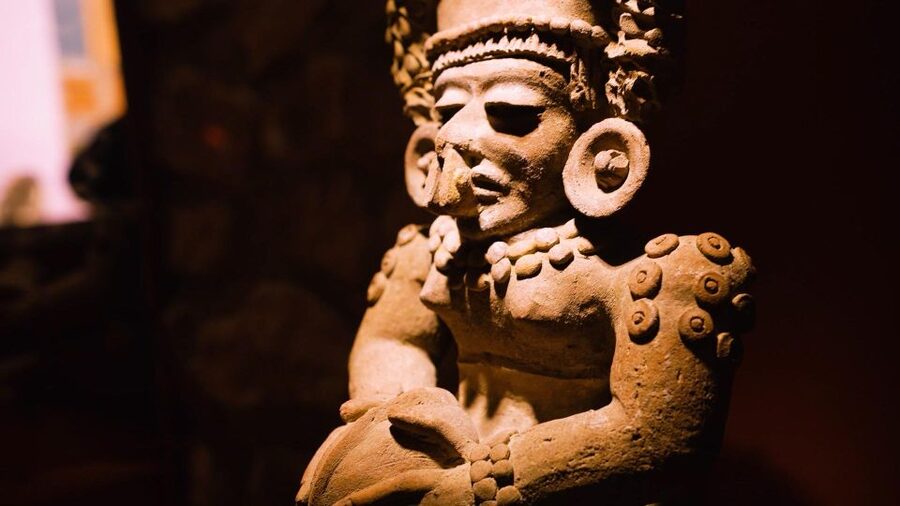
The heart of the museum is a long, curated route through cocoa’s past—starting far earlier than you’d expect. The displays trace chocolate through ancient civilizations such as the Olmecs, Mayas, and Aztecs, and it’s not treated like a cute origin story. You get the cultural role of cocoa, including how it showed up in ceremonial life.
Here’s why that section is worth your time: it explains chocolate as something with meaning before it became a candy. You learn how cocoa was valued and used in ancient contexts, including mystical rituals. That framing makes the modern part of the museum feel less random. When you later taste different chocolate styles, you’re tasting outcomes of technique, trade, and cultural change—not just branding.
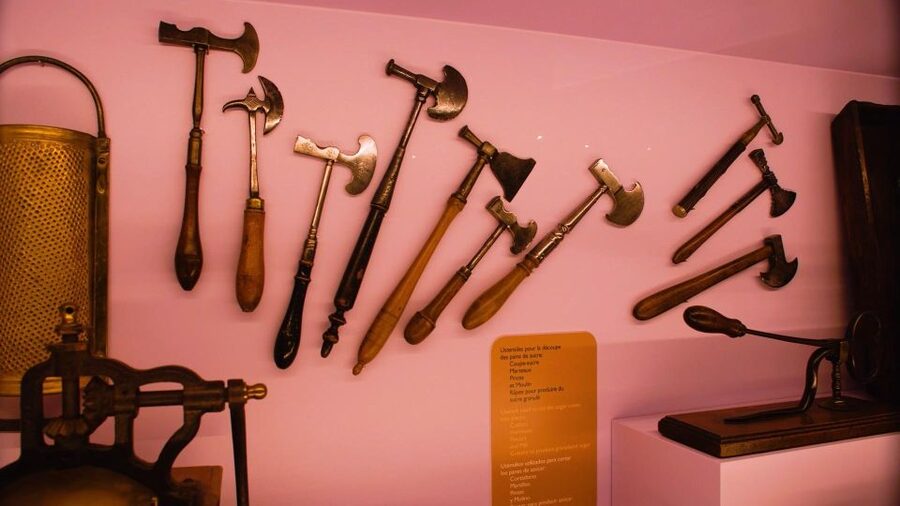
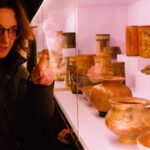
You’ll also see more than 1,000 chocolate-related artifacts, which helps this feel like an actual historical walk rather than a slideshow. The museum uses objects, visuals, and explanatory panels to build that sense of a timeline. It’s the kind of approach that works even if you don’t read every caption—because the route is still logical as you move from section to section.
If you’re the type who likes details, you’ll find yourself slowing down. If you just want the chocolate, you still get a clear storyline.
Montezuma, Tchocoatl, and Why Columbus Wasn’t a Fan
One of the most memorable segments covers the big transition into Europe. The museum explains how, in the 1500s, cocoa arrives through the Aztec world via Emperor Montezuma. It’s the kind of moment that helps the timeline feel real instead of abstract.
Then comes Christopher Columbus. The museum covers the idea that Columbus was among the first Europeans to taste the drink known as tchocoatl, and that he didn’t like it. The takeaway isn’t just the anecdote—it’s how that reaction shaped early European interest. In other words: you learn the difference between a first taste and a lasting obsession.
For me, this is where the museum earns its ticket price. It turns “origin myths” into a story you can actually follow: cocoa enters Europe, people react differently, and the long-term chocolate trade depends on technique and acceptance—not just curiosity.
Virtual Demonstration and the Secret Behind Chocolate’s Shine
Modern chocolate can look simple: pour, set, wrap. But the museum’s modern section makes a point of showing the mechanics behind the magic.
You’ll watch a virtual demonstration connected with 2 Meilleurs Ouvriers de France. Even though it’s not a live walkthrough in the traditional sense, it fits the museum well. The goal is to explain what you’re seeing when chocolate coats your tongue smoothly and looks glossy in the package.
The museum specifically calls out one detail people always wonder about: the shiny outer coat. The demo is framed around the reasons chocolate sets up the way it does and what goes into creating that appealing finish.
This matters for readers because it changes how you taste. Once you understand what the surface and texture are trying to do, you stop comparing chocolates only by sweetness. You start noticing melt, snap, and finish—especially during tastings.



Tastings You’ll Actually Use: Praliné, Ganache, and Regional Samples
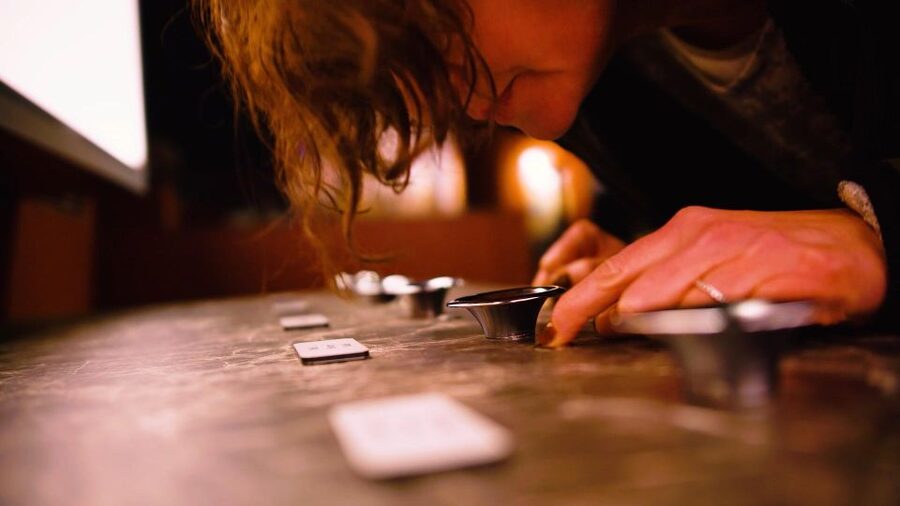
The museum isn’t shy about sampling. Your ticket includes chocolate samples, and the experience also emphasizes tastings as part of learning. Based on what’s built into the visit, you can expect a guided mix of different chocolate types, plus the chance to taste specific styles like praliné and ganache.
What’s smart here is how tastings are treated as part of understanding, not just a perk. You don’t just eat chocolate and move on. You connect it to the history and technique you just read about. That’s why repeat visits make sense for chocolate lovers—there’s enough variety that you can come back and focus on a different thread.
The museum also highlights origins and flavor differences, including chocolate from places like:
- Costa Rica for a milky smoothness
- Peru for fruitier flavors that melt in your mouth
- Vanuatu for sweet aromas from its beans
You don’t need to memorize country profiles. But you will likely leave noticing that “chocolate flavor” isn’t one flavor. It’s a set of variables—bean source, processing, and crafting.
A final practical note: some visitors report that a hot chocolate cup at the end may be an extra charge even if it’s included in the experience wording. So if you’re budgeting tightly, plan for the possibility of a small additional payment.
Kids Will Be Happy: Treasure Hunt Included
This is one of the reasons the museum works for families. There’s a treasure hunt (for kids), plus a built-in way to keep younger visitors moving through the exhibits. That beats the typical problem where kids get bored halfway and parents get stuck playing tour-guide with a melting patience.
The hunt concept is also a good match for this museum, because it encourages exploration. Kids aren’t just waiting for adults to finish reading. They’re searching for tasks and answers while the grown-ups follow the chocolate timeline.
If you’re traveling with kids, this kind of structure is a win. You get a museum experience without forcing constant attention from the smallest traveler in your group.
Shop Stop: Take the Story Home
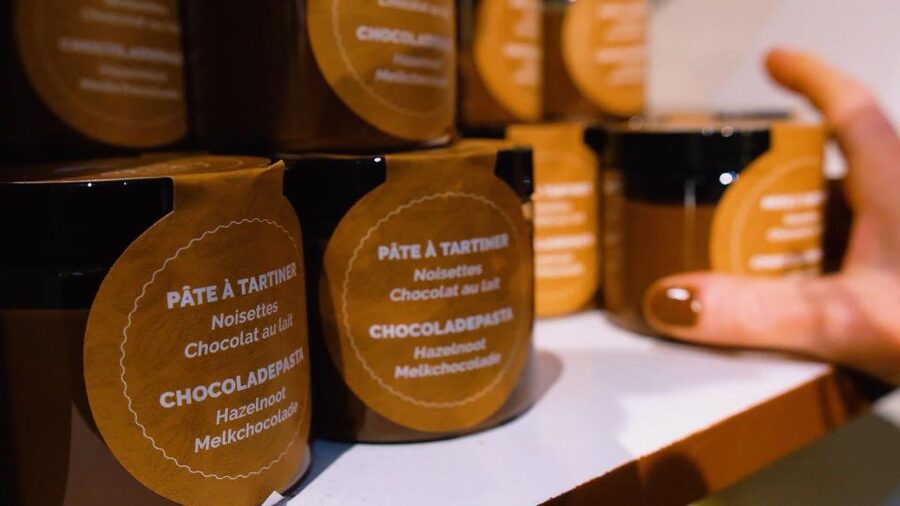
After you’ve walked the exhibits and done your tastings, the museum shop is the natural place to spend a little time. You can pick up books, souvenirs, and chocolate-related products, which is handy if you want an edible souvenir that isn’t just a random bar.
I recommend browsing with a simple goal: buy one or two things that match what you liked during your tasting. Otherwise, it’s easy to end up with a cart full of chocolate you bought because it was pretty—not because you loved the flavor.
Timing, Tickets, and a Smooth Visit Plan
The ticket is valid for 1 day, and the experience has last admission at 4:30 PM. That’s important if you’re doing a crowded itinerary. In Paris, days run late. So if you want an unhurried visit, I’d schedule this earlier rather than later.
Also, because it’s self-guided, your pace matters. If you read every panel, watch the demonstration carefully, and stop for tastings multiple times, you’ll stretch your visit. If you’re mostly there for the tastings and key story points, you can move faster.
Finally, keep luggage restrictions in mind. No luggage or large bags means you might want to travel with just a small pack. If you’re doing multiple stops in a day, choose what you carry before you commit to the museum.
Should You Book the Chocolate Museum Ticket?
Book it if you want a fun, chocolate-forward museum that teaches you something real. The combination of 4,000 years of history, 1,000+ artifacts, and built-in tastings gives you more than most short Paris attractions. The audioguide option is also a nice extra if you like context.
Skip or rethink if you’re extremely short on time or you only want a strictly curated, tightly scheduled experience with guaranteed live demonstrations at specific moments. Because it’s self-guided, you’ll have more control—but also more responsibility to set your own pace.
If you’re traveling with kids, this one is especially strong thanks to the treasure hunt and the mix of interactive elements.
FAQ
Is this visit self-guided?
Yes. The museum ticket is self-guided, with an audioguide available at the welcome desk if you want extra help.
Do I need an audioguide?
You don’t have to. An audioguide is available at the welcome desk for 3 euros per person and covers multiple languages.
What languages are available?
The audioguide is available in French, English, German, Dutch, Spanish, Italian, and Portuguese. The museum panels are in English, French, and Spanish.
What time is the last admission?
The last admission to the museum is at 4:30 PM.
How long is the experience?
The ticket is valid for 1 day, and the museum is designed for you to explore at your own pace within the exhibits and included tastings.
What tastings are included?
Your ticket includes chocolate samples, and the experience includes tasting chocolate sweets such as praliné and ganache.
Are kids activities included?
Yes. There is a treasure hunt for kids.
Are large bags allowed inside?
No. Luggage or large bags are not allowed.