REVIEW · PARIS
Choco-Story Paris – The Chocolate Museum
Book on Viator →Operated by Choco Story · Bookable on Viator
Chocolate has its own time machine.
Choco-Story Paris turns the story of cocoa into a walk-through museum with three floors of exhibits and all-you-go-at-your-pace exploring in English. You’ll trace chocolate from ancient South America to the way it became a European obsession, and you’ll do it while stopping for tastings along the way.
I especially like two things: the museum’s clear timeline—4,000 years laid out in a way you can actually follow—and the way the tastings work like milestones, not just free samples. It also helps that the signage covers multiple languages, so even if your French is rusty, you’re not stuck.
One thing to consider: this isn’t a hands-on chocolate lab. The chocolate-making part is presented as virtual/video-style demonstrations, so if you’re expecting live technique and you’re an adult who wants the real “watch it made right in front of you” moment, you might feel a bit let down.
In This Review
- Key things I think you’ll notice
- Choco-Story Paris at a Glance: what you’re really buying
- Finding the Museum Near Bonne Nouvelle Metro: easy logistics in Paris
- Three Floors of Chocolate History: what you’ll see and why it works
- Unlimited Chocolate Tastings: turning curiosity into a walk-through sampler
- The Chocolate-Making Story: video demonstrations and what to expect
- Hot Chocolate Upgrade: when the finish is worth it
- Museum Shop Stops: souvenirs, edible treats, and small gifts
- Who should go, and who should skip this kind of chocolate museum
- Should You Book Choco-Story Paris?
- FAQ
- How long is the Choco-Story Paris visit?
- Is this experience self-guided or do I need a guide?
- Does the ticket include chocolate tastings?
- Is there a hot chocolate included?
- What languages are available in the museum?
- Is the ticket refundable if I cancel?
Key things I think you’ll notice
- Unlimited tasting stations that let you sample cocoa and chocolate varieties as you learn
- A self-guided layout across three levels, so you can linger where you care most
- Over 1,000 original artifacts tied to a large, time-ordered story of chocolate
- A 4,000-year narrative, from early cocoa use to European spread and royal-era habits
- End-of-visit video demonstration, not a live guide-led production
- Optional hot chocolate at the finish if you pick that ticket type
Choco-Story Paris at a Glance: what you’re really buying
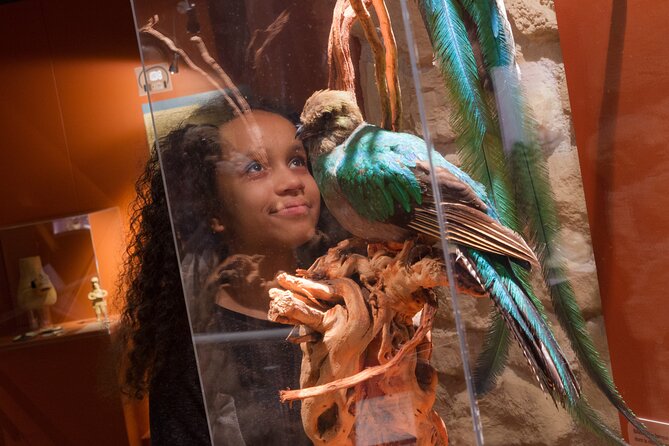
Choco-Story Paris (Musée Gourmand du Chocolat) is a sweet, compact museum in central Paris built around one idea: chocolate isn’t just dessert, it’s history you can taste. For the price (about $21.63 per person) you get admission to the exhibits, unlimited chocolate tastings, and a virtual demonstration. If you choose the upgrade, you also finish with a cup of hot chocolate.
The time you’ll want to set aside is roughly 1 hour 30 minutes, which matches the typical visit length. In practice, I’d plan for a wider range: if you read signs carefully and snack your way through the dispensers, it can stretch longer. If you’re speed-walking, it can feel shorter—especially if you’re mostly focused on the tastings and the big timeline panels.
This is also one of those experiences where prebooking matters. It’s a popular stop, and buying a timeslot helps you avoid that annoying “will we be able to get in right now?” stress. It’s a great pick when you want something central and easy to fit between heavier Paris sights.
Finally, this place is set up for different kinds of energy. You can do it quickly and pop out, or slow down and turn it into a learning-and-tasting break. It’s designed so you’re in control—no hunting for a group leader.
You can also read our reviews of more tours and experiences in Paris.



Finding the Museum Near Bonne Nouvelle Metro: easy logistics in Paris
You’ll find Choco-Story Paris at 28 boulevard de Bonne Nouvelle, 75010 Paris. The location is practical: it’s close to public transit, and it’s right by Bonne Nouvelle metro (Line 8). That’s a big deal in Paris because it means you can plug this stop into almost any route without burning time on long transfers.
If you’re walking in, you’ll likely be able to spot it without a scavenger hunt. The building is straightforward to reach, and the experience starts once you show your ticket and head inside.
Inside, the layout is built for moving between levels. The museum has entrance level, then one upstairs and one in the basement, and there’s a lift for visitors who don’t want to use stairs. That’s worth noting if you’re traveling with older family members or if you just don’t want to spend the afternoon bouncing between steps.
One small practical tip: give yourself a little buffer before your timeslot if you’re coming during peak hours. It’s not a “wander in whenever you want” kind of setup, and the whole point is to get you through the door smoothly so you can focus on the tastings and the exhibits.
Three Floors of Chocolate History: what you’ll see and why it works
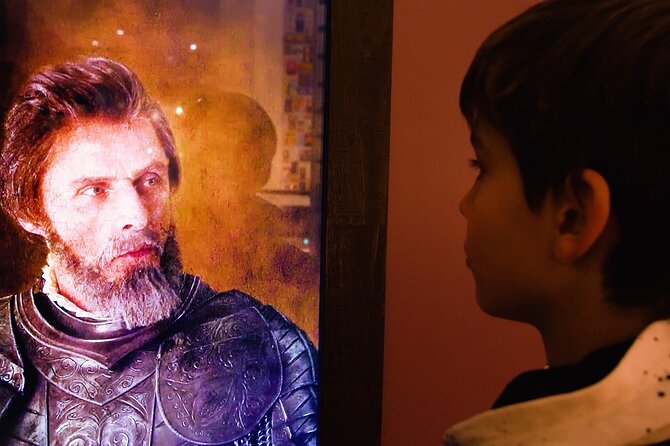
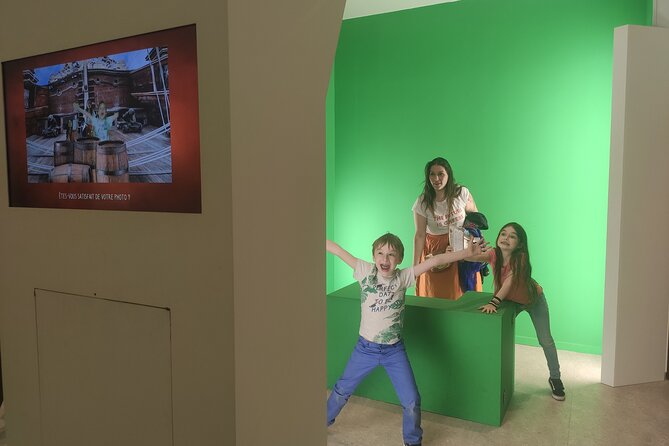
Choco-Story Paris is built like a guided story you control. You walk yourself through three floors of exhibits, displays, and kids’ activities, with information panels in English, French, and Spanish. That language mix is a gift in a museum like this because you can stay focused instead of translating every other line.
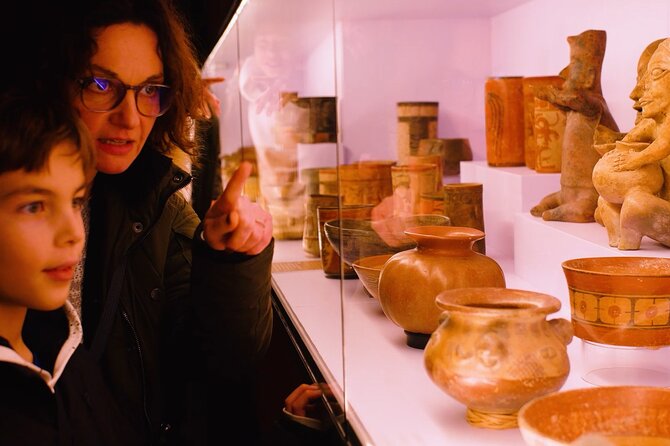
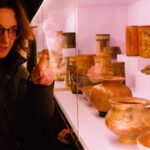
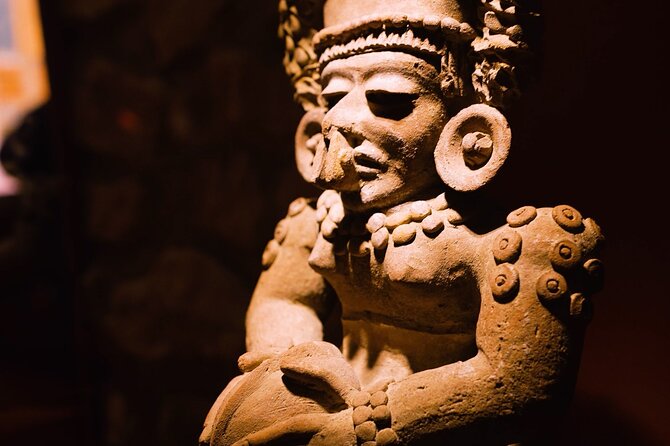
The museum says it features more than 1,000 original artifacts, and you feel that effort as you move room to room. It’s not just posters or generic photos. You get objects and equipment connected to how chocolate was presented, prepared, and traded over time.
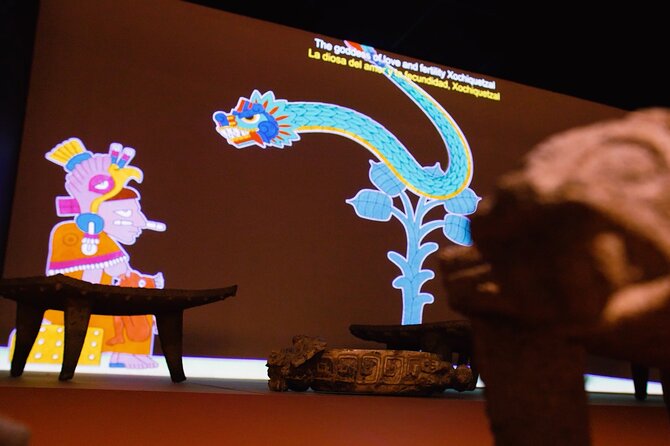
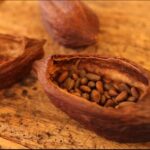
The big storyline is the evolution of cocoa into chocolate culture. You’ll follow chocolate from early use by the Olmec people of South America—where the cocoa bean shows up as an ingredient—and you’ll see how it likely became a drink around 1,900 BC. Then the museum walks you forward to how chocolate became tied to elite tastes and ceremonial rituals among the Aztec and Mayan civilizations.
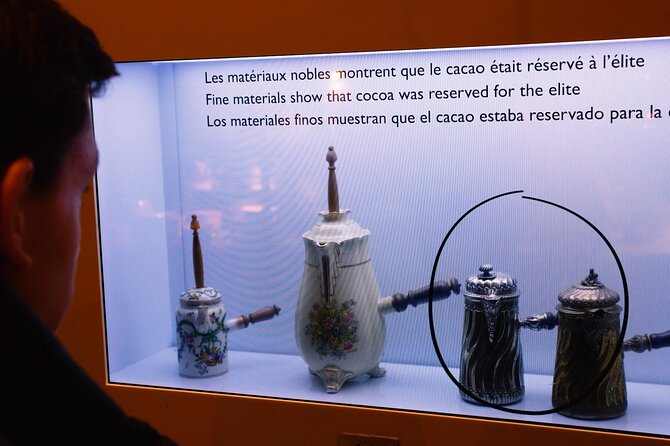
After that comes the Europe chapter: you’ll learn how chocolate spread beyond South America through trading routes and how it became a prized beverage and a status symbol for nobles. The museum covers the idea that for a long time, chocolate wasn’t a casual treat—it was something the privileged enjoyed.
Why this museum works: the timeline is clear enough that you don’t get lost in facts. It’s also paced so you can stop for tastings without breaking the flow of learning. You’re never stuck reading for too long before something hands you a sensory reward.
Unlimited Chocolate Tastings: turning curiosity into a walk-through sampler
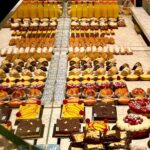
If you like chocolate, this is the main event. The museum is set up with all-you-can-eat style tastings (free samples you can try throughout the visit) and themed tasting moments that line up with the history you’re seeing.
As you walk, you’ll encounter chocolate tastings connected to different origins. The museum highlights varieties like Costa Rican chocolate (described as silky), Peruvian chocolate (noted for fruit-forward flavor), and aroma notes connected to cocoa beans from places such as Vanuatu. You can keep things simple—sample a few stations and move on—or slow down and compare.
A useful, real-life thing to know: since these are communal tasting areas, grab a fresh sample if you can. Some tasting dishes can look tempting to kids and adults at the same time, so don’t assume every piece is untouched.
The tastings also help with the big question: what does “taste” mean in a history museum? Here, it means you get to connect origin and processing with flavor. You’re not just learning that cocoa traveled across the world—you’re tasting how that travel shows up on the tongue.
One more angle: the museum includes information about chocolate’s claimed health-giving benefits. Don’t treat it like a medical source, but it’s part of the story of how chocolate has been framed over time.
And yes, this works for kids. There are kids’ activities built into the museum experience, including options like a booklet and scavenger-style fun that make the tastings feel like part of a game rather than a chore.
The Chocolate-Making Story: video demonstrations and what to expect
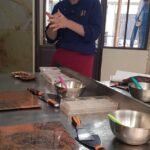
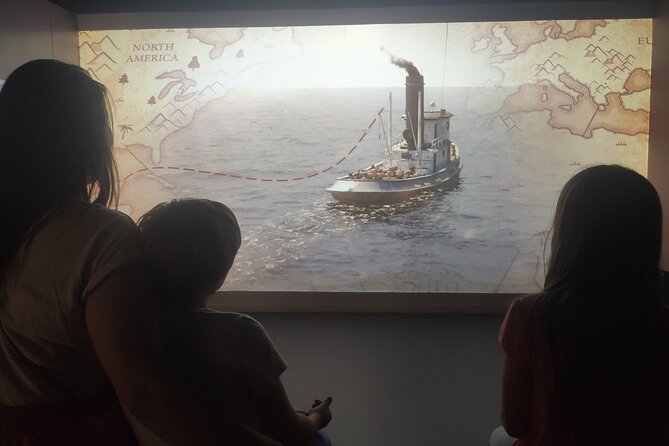
At the end (or during the later part) of your visit, you’ll meet the chocolate-making portion. The museum includes a virtual demonstration, and in practice it means you watch a video rather than getting a live production show with a person explaining every step.
So what do you actually get out of it? You see how modern chocolate is made to look glossy and smooth, and you see interactive-style explanations that connect to the historical story you just walked through. There are also sections showing how chocolate-making equipment looked across centuries, so the video ties your “how did they do it” curiosity to a modern outcome.
Why this can be a win: the video can be clear, repeatable, and easy to follow even if you’re doing the museum in short segments with kids or you’re tired from other sights. And it keeps the experience flowing, so you’re not waiting around for a specific live schedule.
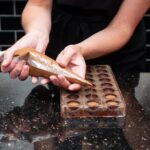
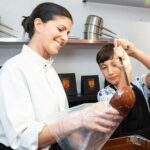
Why some adults feel disappointed: if you’re hoping for a real-time, hands-on chocolate workshop—temper, pull, and mold right in front of you—this isn’t that. It’s still informative, but the production side is more about explanation than live demonstration.
Still, if you come for the history-and-taste combo, the demo acts like a finishing chapter. It helps you close the loop from “cocoa bean history” to “how chocolate ends up as the shiny product you recognize.”



Hot Chocolate Upgrade: when the finish is worth it
Some ticket types include a cup of hot chocolate at the end. If you upgrade, the hot drink becomes your finale, designed to be as satisfying as the tastings you’ve already done.
This is one of those options where your timing matters. If it’s cool outside, the hot chocolate feels like a perfect conclusion—comfort in a cup, after you’ve warmed up your brain with chocolate history. If it’s hot in summer, you might feel different. Even people who enjoy the museum have said the timing can matter, and hot chocolate can feel less appealing in peak heat.
The hot chocolate also tends to be part of the experience rhythm: tastings throughout, then a sit-down finish. That makes it a good add-on if you want a little extra payoff at the end of your time inside.
If you’re not a hot-drink person, you can still enjoy the museum without the upgrade because the tastings are already built into the visit. So consider the upgrade as a bonus, not as the core value.
Museum Shop Stops: souvenirs, edible treats, and small gifts
Before you leave, head to the museum shop. It’s not just random trinkets. You’ll find books, souvenirs, and chocolate treats—so you can take the museum’s story home.
You might also spot items tied to chocolate-making at home, like utensils or molds, plus clothing and other take-home gifts. It’s a convenient place to pick up a small souvenir that actually connects to what you experienced.
One practical tip: if you’ve been tasting heavily during your visit, shop time can get tricky. Your taste buds may be a little overwhelmed. If you’re shopping for specific flavors or items, slow down and smell the packaging before you buy.
Who should go, and who should skip this kind of chocolate museum
Choco-Story Paris is best for people who want a playful history stop, not a big production show. Here’s the best fit:
- Chocolate lovers who want lots of tasting opportunities during the walk
- Families with kids who will enjoy the kids’ activities and structured tasting stations
- Curious learners who like history presented as a timeline you can follow at your own pace
- People who want a central, easy Paris indoor break when the city is busy
Who might not love it as much:
- Adults who expected a live, hands-on chocolate workshop
- People who want a huge museum with lots of space to wander
- Anyone who doesn’t like sampling as part of the experience (because tastings are a big part of the concept)
The museum is small enough that it’s not intimidating, which is part of why it’s popular. It’s also compact enough that you can fit it into a normal day without ruining your schedule.
Should You Book Choco-Story Paris?
If you’re a chocolate person, you should book it. The value is in the combination: history that’s easy to follow, tastings that actually take up real time, and an optional hot chocolate finish. For a little over an hour and a half, you get a whole story—plus snacks.
I’d especially book it if you’re traveling with kids or you want a low-stress activity in central Paris. The museum’s format is self-guided, and the exhibits are arranged so you can read, watch, and taste without needing to coordinate with a group.
I’d think twice only if you’re specifically chasing live chocolate-making action. This is more “story and sampling” than “workshop and tools in your hands.” If that matches your expectations, it’s a fun, memorable stop that’s hard to beat for the price.
FAQ
How long is the Choco-Story Paris visit?
The tour is approximately 1 hour 30 minutes.
Is this experience self-guided or do I need a guide?
It’s self-guided. You explore the exhibits on your own, and a guide is not included.
Does the ticket include chocolate tastings?
Yes. The experience includes all-you-can-eat chocolate tastings.
Is there a hot chocolate included?
Hot chocolate is included only if you select the option that includes it. Otherwise, the tastings and virtual demonstration are included.
What languages are available in the museum?
Information panels are available in English, French, and Spanish. The experience is offered in English.
Is the ticket refundable if I cancel?
No. This experience is non-refundable and cannot be changed for any reason.