REVIEW · DOMINICAN REPUBLIC
Cacao Plantation and Chocolate Factory Tour- Classic
Book on Viator →Operated by Cacao Chocolate Tours · Bookable on Viator
Cacao turns up in your life fast. The classic tour in the Dominican Republic is a full, hands-on path from organic cacao fields to making your own chocolate bar. You learn what happens to cacao from the start—how pods develop, how beans are processed, and why this island environment helps produce fine chocolate.
Two things I really like: you get real process education (sowing, harvesting, fermentation, drying), and you finish with a guided tasting plus a take-home feel for how chocolate changes with flavor. The main thing to consider is logistics: if you choose a transfer and get a driver without much English, you may not be able to ask as many questions on the ride.
In This Review
- Key takeaways before you go
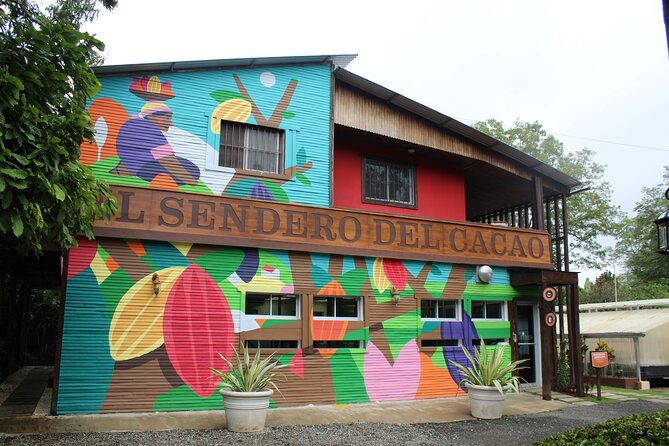
- El Sendero del Cacao: organic cacao lessons that start in the dirt
- How a cacao pod becomes beans: what you learn before the factory
- Entering La Esmeralda: watching the bar-making steps
- Chocolate tasting with an expert: using all your senses
- Lunch buffet with local hot chocolate: a smart finish
- Price and timing: is $60 a good deal?
- Getting there, using your mobile ticket, and dressing smart
- Who should book this classic chocolate experience
- Should you book the Cacao Plantation and Chocolate Factory Tour – Classic?
- FAQ
- How long is the tour?
- Where does the tour start and what time?
- What’s included in the ticket?
- Is there a vegetarian lunch option?
- What should I wear?
- What’s the cancellation policy?
Key takeaways before you go
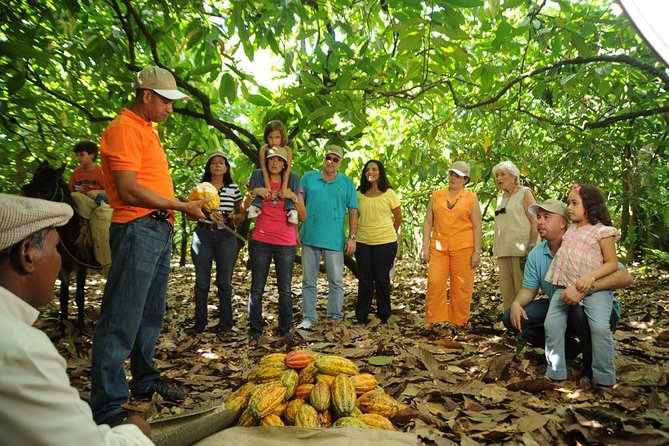
- Organic plantation time at El Sendero del Cacao explains how cacao is grown and processed
- Pod-to-bar factory access at La Esmeralda shows the steps for a high-quality chocolate bar
- Make-your-own chocolate so you’re not just watching
- Chocolate tasting with a guide teaches you how to experience chocolate with all your senses
- Dominican buffet lunch + local hot chocolate keeps the whole day feeling complete
- $60 price point can be good value if you want both education and hands-on chocolate
El Sendero del Cacao: organic cacao lessons that start in the dirt
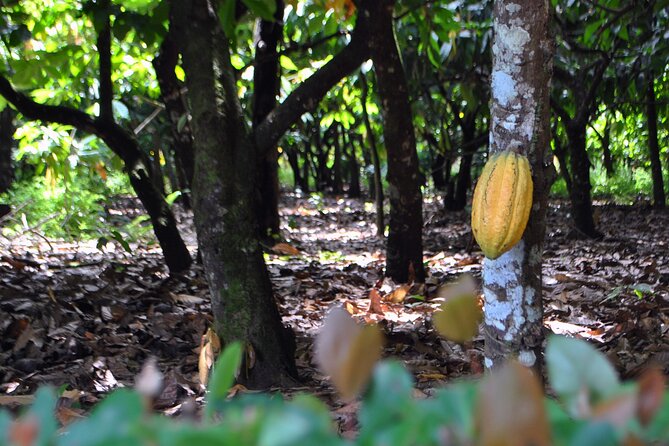
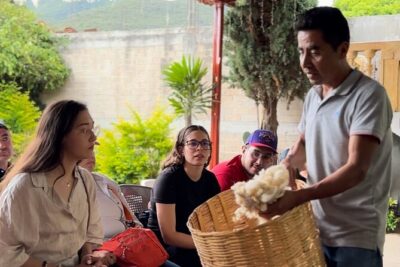
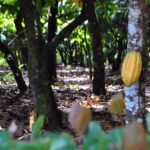
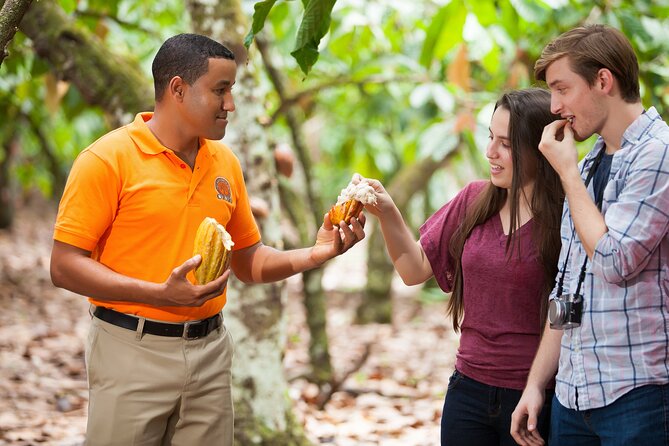
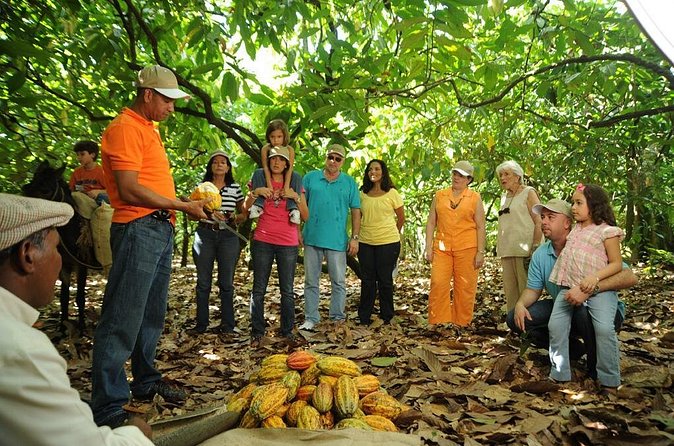
You begin at El Sendero del Cacao in Las Pajas (near San Francisco de Macorís). The tone here is practical: cacao isn’t magic powder, it’s a plant with a lifecycle, and it only becomes great chocolate after careful handling. You’ll go step by step, starting with sowing and moving through harvesting, including how beans are extracted from cacao pods.
What makes this more than a quick walk is the focus on post-harvest work. You’ll hear about fermentation and drying, the two phases that strongly influence flavor. If you’ve ever wondered why one chocolate tastes fruity and another tastes more classic and deep, this is the part that helps connect the dots.
There’s also an ecosystem lesson built in. You’ll learn how the Dominican Republic’s conditions support fine cacao, and how the farming environment matters to the final result. That context is useful if you plan to keep buying chocolate after the tour—once you understand the process, labels make more sense.
You can also read our reviews of more tours and experiences in Dominican Republic.

How a cacao pod becomes beans: what you learn before the factory
A lot of chocolate tours jump straight to tasting. This one keeps you grounded in the real workflow: sowing, harvesting, extraction, then fermentation and drying. Even if you only remember a few words afterward, the sequence sticks, and it changes how you look at chocolate later.
I also like that the guide talks you through the “why,” not just the “what.” Processing steps exist because cacao has to be treated correctly to develop flavor. Fermentation helps build the flavor precursors, and drying stabilizes the beans so they’re ready for chocolate making.
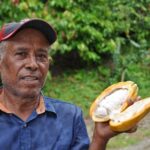
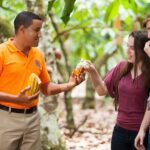
One small perk you may enjoy here is the chance to taste cacao fruit. In at least one account, people mentioned that fresh cocoa fruit tasted good. Even if your portion is modest, it’s a fun sensory contrast to the final bar you’ll make later.
Entering La Esmeralda: watching the bar-making steps
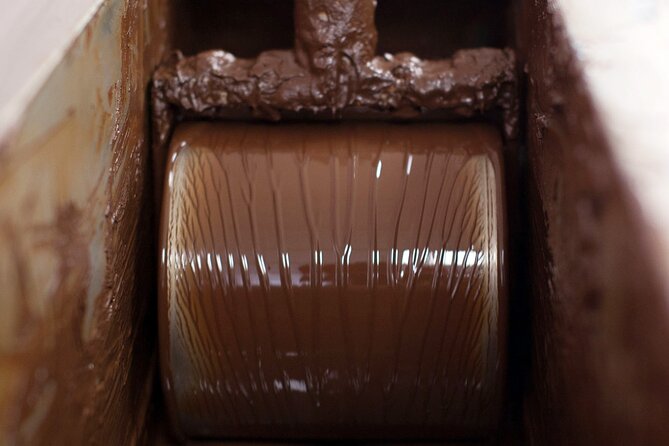
After the plantation segment, you move into the La Esmerelda Chocolate Factory. This is where you see the transformation from processed beans into a finished chocolate bar. You’ll be shown the steps needed to create a high-quality bar, so you’re not stuck guessing what “craft chocolate” actually means on the floor.
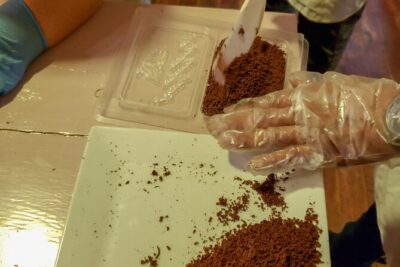
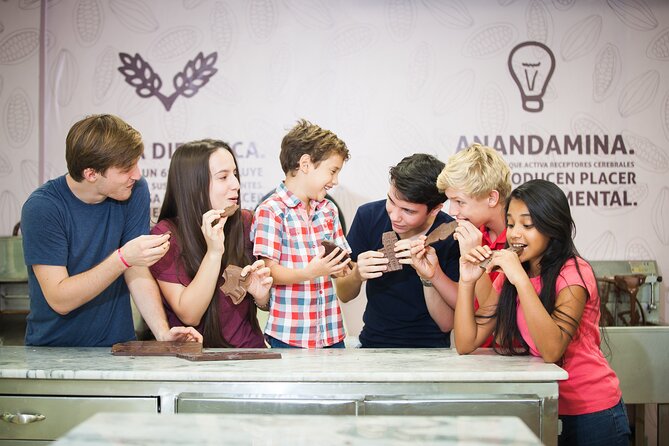
The best part is that you don’t only watch. You’ll make your own chocolate. That matters because it turns instructions into muscle memory. Instead of memorizing terms, you associate them with real steps you performed—like how ingredients and texture come together into a solid result.
Even with a short factory visit, the tour’s structure helps you connect farm work with factory work. When you’ve already learned about fermentation and drying, it’s easier to understand why small changes in processing can affect flavor and quality.
Chocolate tasting with an expert: using all your senses
Next comes the tasting with a chocolate expert. This isn’t just sampling cubes and moving on. You’ll be taught how to experience chocolate with all of your senses, which is a polite way of saying: slow down and pay attention.
The guide’s coaching helps you notice things like aroma and flavor progression instead of only judging by sweetness or bitterness. You’ll taste different types of chocolate, and the tasting approach gives you a framework to remember what you liked and why. That’s the part that pays off if you’re shopping afterward—suddenly you can compare bars more confidently.
If you’re sensitive to strong tastes, plan to take small bites and give yourself time. Chocolate tasting is best when you aren’t rushed. The guide is there to steer you, but you still control your pace.
Lunch buffet with local hot chocolate: a smart finish
You’re also treated to a lunch buffet with a cup of local hot chocolate. This is important because cacao days can turn into a lot of standing and tasting. A sit-down meal keeps the day from feeling like constant sampling, and hot chocolate fits the theme without being complicated.
The buffet style also gives you flexibility. If you’re coming off plantation walking, you can eat what feels comfortable, then settle in before the factory and tasting wrap up. One account called the lunch good, and others pointed out friendly staff, which is exactly what you want when you’re switching from food education to actual fuel.
If you’re vegetarian, there’s an option available. Just make sure you flag it when you book, so they’re ready for you.

Price and timing: is $60 a good deal?
The price is $60 per person, and that matters because you’re getting multiple layers in one package: plantation education, factory access, hands-on chocolate making, guided tasting, and lunch with hot chocolate. At this cost, the tour feels most worth it if you care about process and hands-on learning—not only if you want a quick photo stop.
Timing is another piece of value. The tour is listed around 2.5 hours, but other timing details put it closer to 3 to 3.5 hours depending on how the day runs. Either way, it’s a short, focused block, which is useful if you’re trying to fit a unique activity into a travel schedule without losing most of your day.
Group size is capped at 300 travelers. That sounds big, but don’t automatically assume it will feel like a crowd. The real test is how activities are staged—plantation and factory time are usually handled in guided flow, and the tasting portion is where guidance matters most.
Getting there, using your mobile ticket, and dressing smart
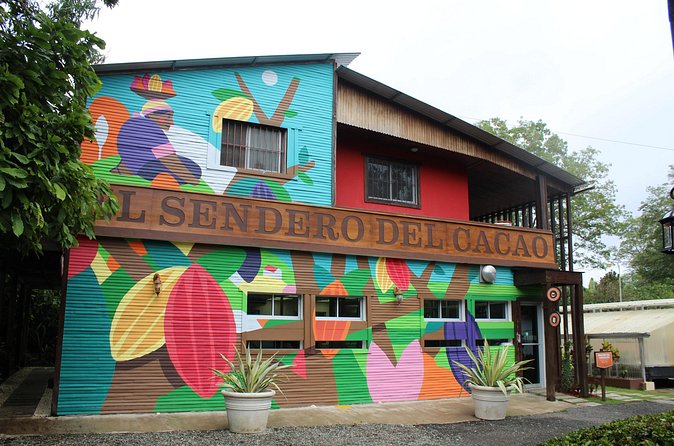
This tour uses a mobile ticket and starts at 10:30 am. You’ll meet at El Sendero del Cacao, Las Pajas, San Francisco de Macorís and the activity ends back at the meeting point.
Transportation may be included if you choose it. That’s a good option if you don’t want to coordinate rides, but one review highlighted an issue: a driver who didn’t speak English made it hard to ask questions during the trip. If you care about conversation during transfers, you might prefer doing your own local planning or preparing for the ride to be more about scenery than dialogue.
Dress code is smart. That means no jeans, no sportswear, no joggers, and no sneakers. It’s not about looking fancy for photos; it’s about being comfortable in a farm-to-factory day while still meeting the expectations at the sites.
If you have moderate physical fitness, you’ll likely be fine. The tour involves walking and moving between areas, so wear what you can move in while still respecting the smart dress requirement.
Who should book this classic chocolate experience
This tour is a great fit if you want to understand chocolate at the source. You’ll be happiest here if you enjoy structured learning, hands-on steps, and guided tasting rather than free-form wandering.
You’ll also get extra value if you plan to bring home more than a souvenir bar. The process education—from fermentation to drying and then bar production—makes it easier to buy chocolate with confidence later. You’ll know what you’re tasting and what factors likely shaped it.
It’s also a solid choice for food-minded groups who want lunch included. The hot chocolate and buffet keep it practical, and you’re not spending extra time searching for a meal.
Should you book the Cacao Plantation and Chocolate Factory Tour – Classic?
I’d book this if your goal is to leave with a real understanding of how Dominican cacao becomes a chocolate bar—and you want to do more than taste. The combination of organic plantation education, La Esmerelda factory viewing, making your own chocolate, and a tasting guided by an expert is what makes the $60 price feel reasonable.
Skip it (or consider timing) if you’re very sensitive to transfer issues, especially if you rely on English conversation during rides. Also, if the smart dress code is a hassle for your travel style, plan your outfit before you go.
If you want a chocolate experience that connects farm work to factory craft, this one is straightforward and fun.
FAQ
How long is the tour?
The duration is listed at about 2 hours 30 minutes, with other timing details suggesting it may run closer to 3 to 3.5 hours depending on how the day proceeds.
Where does the tour start and what time?
The tour starts at El Sendero del Cacao in Las Pajas, San Francisco de Macorís. The start time is 10:30 am, and the tour ends back at the meeting point.
What’s included in the ticket?
The tour includes a local guide, a lunch buffet, a cup of local hot chocolate, and transportation if you choose it.
Is there a vegetarian lunch option?
Yes. A vegetarian option is available—make sure you advise at the time of booking.
What should I wear?
Dress code is smart. The tour requests avoiding casual clothes like jeans, sportswear, joggers, or sneakers.
What’s the cancellation policy?
Free cancellation is available up to 24 hours in advance of the experience start time for a full refund.
If you tell me which Dominican Republic area you’re staying in, I can also help you think through the easiest way to fit the 10:30 am start into your day.