REVIEW · MILAN
Chocolate Experience at La Fabbrica del Cioccolato in Milan
Book on Viator →Operated by La Fabbrica del Cioccolato di Enrico Rizzi · Bookable on Viator
Chocolate goes high-tech in Milan. This bean-to-bar factory visit at La Fabbrica del Cioccolato (Enrico Rizzi) pairs hands-on chocolate making with VR 360 visuals that explain how cocoa becomes bar chocolate. You’ll end with a guided tasting of premium grand cru bars, so the lesson lands on your tongue, not just in your head.
I really like how organized the flow is, from cocoa origins to grinding and resting. The best part for me is that you get to see the process in stages, instead of getting one vague chocolate lecture and a sad sample bar. One possible drawback: the whole tour is about 60 minutes, so if you want a long, behind-the-scenes deep look, you may wish it ran longer.
In This Review
- Key things to know before you go
- Finding La Fabbrica del Cioccolato by the Duomo
- From cacao origins to chocolate bars: the bean-to-bar idea
- The VR 360 sensory room: learning without reading a textbook
- Roasting room: where aroma gets its personality
- The chocoteca resting room: why chocolate doesn’t rush
- In the laboratory: shell separation and slow stone grinding
- The tasting: 3 to 5 grand cru bars, and what to focus on
- Who should book this Milan chocolate experience?
- Price and value: is $36.01 worth it?
- Timing in English: when the tour runs
- Should you book La Fabbrica del Cioccolato in Milan?
- FAQ
- How long is the Chocolate Experience at La Fabbrica del Cioccolato?
- Is the tour offered in English?
- What’s the group size limit?
- Where do I meet for the tour?
- What’s included in the ticket price?
- Is free cancellation available?
Key things to know before you go
- Bean-to-bar walkthrough led by the factory team, with clear steps from roasted beans to finished bars
- VR 360 cacao plantation sequence that shows harvesting, fermentation, and drying
- Chocoteca resting room where chocolate matures with carefully used spices, teas, and infusions
- Laboratory time featuring shell separation and slow stone grinding
- Guided tasting of three to five grand cru chocolates (ticket choice affects the exact lineup)
Finding La Fabbrica del Cioccolato by the Duomo
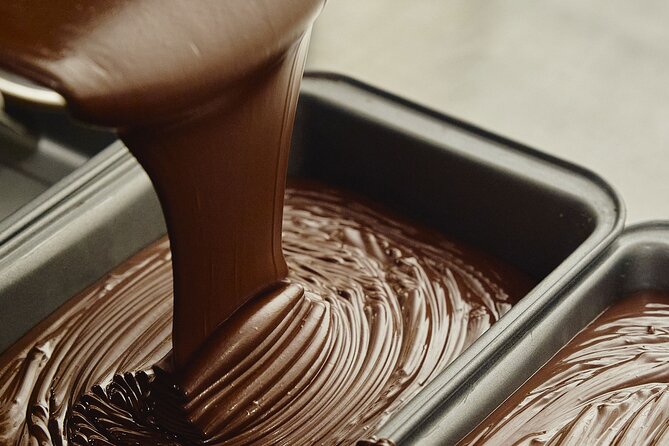
La Fabbrica del Cioccolato is in central Milan, a short walk from Piazza del Duomo. The meeting point is at Via Gian Giacomo Mora, 18 (La Fabbrica del Cioccolato – Enrico Rizzi Milano). The vibe is friendly and easy to enter, which matters because the tour runs to a tight schedule and the group size stays small.
You’ll use a mobile ticket, and the tour ends back at the start. Since it’s near public transport, you can tack this onto a Duomo day without fighting your way across the city. Also, there’s a cap of 8 travelers per visit, which helps you actually hear the guide and ask questions.
You can also read our reviews of more tours and experiences in Milan.
From cacao origins to chocolate bars: the bean-to-bar idea
What makes this tour more than a chocolate shop stop is the focus on bean-to-bar craft. You’re not just buying chocolate and calling it a day. You’re walking through the chain of work that turns raw cocoa into chocolate with flavor you can explain.
The factory story starts with cocoa bean preparation and ends with chocolate resting and finishing. Along the way, you’ll learn why different stages matter: roasting changes aroma, grinding creates texture, and resting helps flavors settle. That’s the difference between tasting something you like and understanding why you like it.
And yes, it’s still fun. You’ll feel like you’re on a mini production line tour, but without the noise and mess you’d expect from a factory floor.
The VR 360 sensory room: learning without reading a textbook
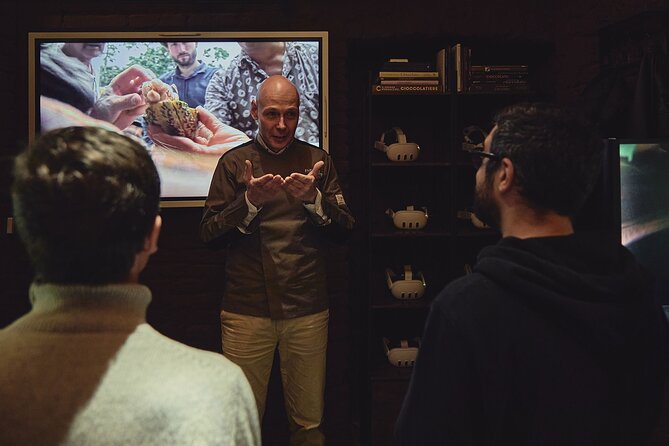
The tour begins in a sensory room using Virtual Reality 360. Instead of being stuck staring at posters, you’re shown an animated view of a Peruvian cacao plantation—with the key steps like harvesting, fermentation, and drying.
This part works well if you learn by seeing and doing. It also helps you put the later stages in context. When you get to roasting and grinding, you’ll already have a mental picture of where the beans came from and what the early processing does to flavor.
A practical note: VR is a great way to make the origin story feel immediate, but it also means you should be comfortable with a head-mounted setup. If you dislike that style of experience, consider it as you decide.
Roasting room: where aroma gets its personality
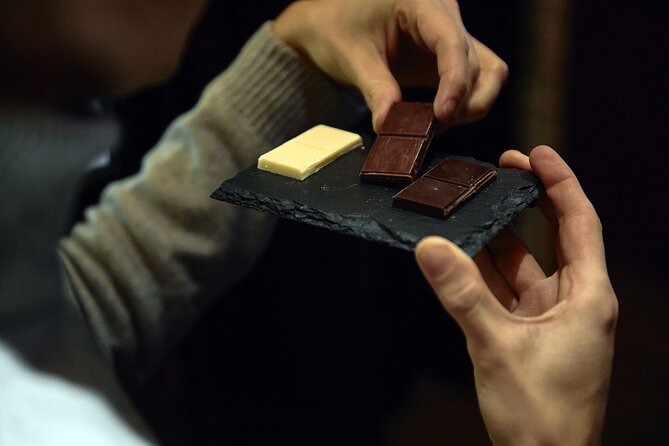
After the origin sequence, you move into the processing side of things. The roasting room is where cocoa starts moving from raw material to real chocolate potential. Roasting affects the smell and flavor direction of the beans, so this stop is basically the factory’s flavor “starting gun.”
Even if you only catch the high points, you’ll walk away with a clearer sense of why chocolate tastes different from brand to brand. It’s not only about the ingredients on the label. It’s about how the beans are treated along the way.
The guide will keep tying each stage back to what you’ll taste later. That turns roasting from a technical step into something you can connect to your tasting notes.
The chocoteca resting room: why chocolate doesn’t rush
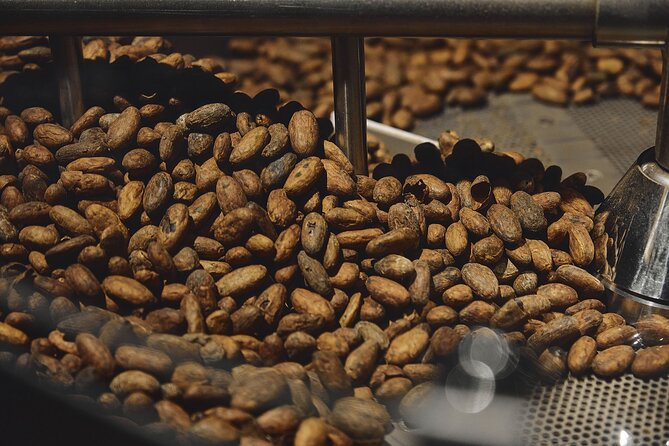
Next comes the chocoteca, a climate-controlled room where chocolate rests and matures. This is one of those steps people often skip in their mental picture of chocolate making. The factory treats it like a big deal because it is.
In this resting space, chocolate isn’t just sitting around. It’s maturing with different add-ins and flavor influences—spices, teas, and infusions, depending on the chocolate. That’s where you start understanding why some bars taste clean and straightforward, while others have layers that feel like they’re unfolding.
This stop also sets you up for the tasting. If you notice how flavors shift and linger, you’ll have a better explanation than the usual chocolate mystique.
In the laboratory: shell separation and slow stone grinding
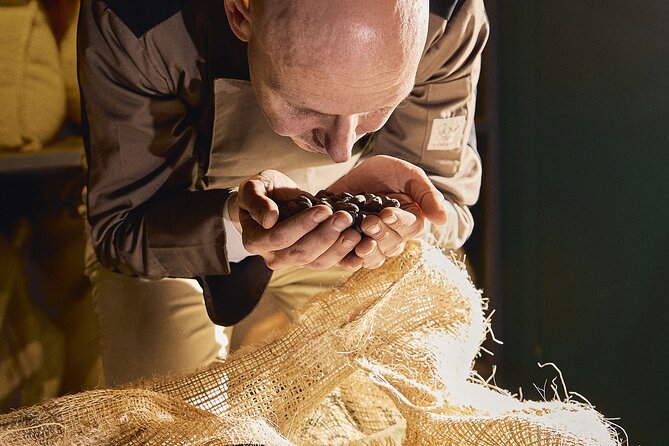
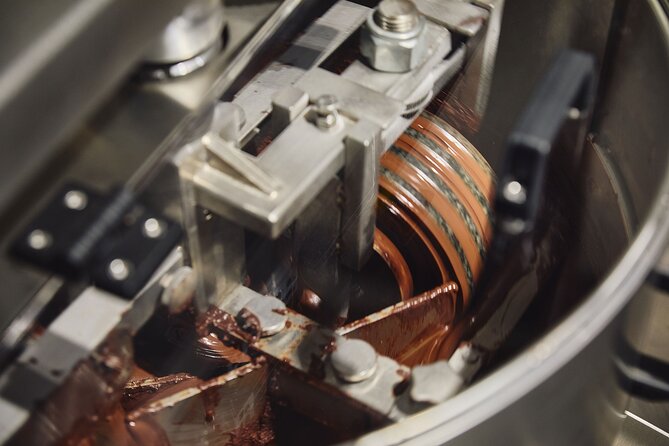
The laboratory area is the part for people who like process. Here you’ll watch the transformation steps such as shell separation and slow stone grinding.
Shell separation matters because cocoa beans have outer shells that aren’t part of the final flavor profile. Removing shells helps create a smoother, more consistent base. Grinding is where texture forms, and the fact that the factory uses slow stone grinding is a key craft detail—less about speed, more about careful development.
If you’ve ever wondered why some chocolate feels almost velvety and others feel more rough or flat, this is where the story starts making sense. Even when you’re not seeing every minute behind the scenes, the factory layout helps you grasp the logic of the workflow.
The tasting: 3 to 5 grand cru bars, and what to focus on
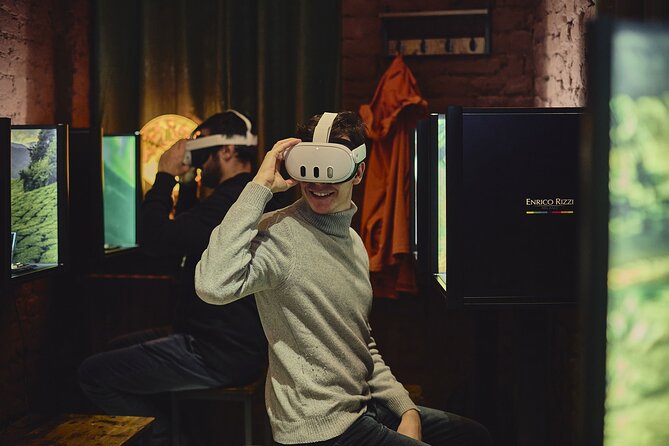
The tour ends with a guided tasting of three to five grand cru chocolates. Your ticket determines the exact tasting lineup, so check what you booked if you’re shopping for a specific experience level.
This tasting is where the whole tour pays off. You’ll be able to connect what you saw—roasting, grinding, resting—to what you taste. The best way to enjoy it is to slow down and compare bars one by one, like you’re doing a structured food workshop.
Here are a few things to pay attention to:
- Aroma first: smell the bar before biting; you’ll notice roasted cocoa notes and any spice/tea influences
- Texture: some bars feel smoother or firmer right away
- Flavor sequence: does it start sweet, then deepen? Does spice or tea show up later?
- Finish: how long the flavor lingers matters more than you’d think
Pairings can also add a twist. Some tastings include a glass of sherry, and other options can come with pairings like different rums, depending on the selected ticket. If you love food and drink combinations, this is one reason the experience feels special rather than standard.
Who should book this Milan chocolate experience?
This tour is a great fit if you want a chocolate experience with real structure. I’d recommend it to anyone who likes food education without the stuffiness. The tour keeps you moving, it explains the steps in plain language, and the small group size makes it easier to interact.
It also works well as a gift idea. Between the guided storytelling and the tasting format, you’re not just handing someone chocolate. You’re giving them a small workshop-like experience they can talk about later.
Who might consider something else? If you’re in a hurry and want a quick chocolate purchase, the hour-long format might feel like more time than you planned. Also, if you don’t want any VR component, it’s worth thinking through before booking.
Price and value: is $36.01 worth it?
At $36.01 per person for about 60 minutes, this isn’t a bargain snack stop. But it also isn’t trying to be. What you’re paying for is an organized walkthrough of the making process plus a guided tasting of premium bars.
Here’s why the value holds up:
- You get a structured lesson, not random sampling
- The production steps (roasting, resting, grinding) connect directly to what you taste
- The tasting includes three to five grand cru chocolates, which is more than the usual one or two samples
- The max 8 group size keeps the experience from feeling rushed or impersonal
If you love chocolate enough to want to understand it, this price makes sense. If you mainly want sweets and don’t care about process, you might be happier doing a quick tasting elsewhere. For many people, though, the “know what you’re eating” payoff is exactly what turns it into a good deal.
Timing in English: when the tour runs
English tours operate on Monday, Wednesday, Thursday, Friday at 4 PM, and Saturday at 12 PM. Plan your day around that start time. Since the tour is short, you’ll want to avoid schedules that rely on late train arrivals or last-minute museum detours.
There’s also an average booking window of around 22 days in advance, so if you’re traveling near busy periods, booking earlier is smart. The small group size means seats can go.
Should you book La Fabbrica del Cioccolato in Milan?
If your idea of a great Milan moment includes tasting chocolate while learning how it’s made, I’d say book it. The combo of VR cacao origins, the chocoteca resting stop, and a guided tasting of grand cru bars gives you a full arc: where cocoa starts, how it’s processed, and what that results in.
I’d especially recommend it if you like food experiences that don’t feel like a lecture. The whole thing stays practical and sensory, and the factory approach helps you taste with better attention.
If you’re short on time or prefer purely self-guided browsing, you might skip it. But if you want one high-quality, structured chocolate stop in central Milan, this is one of the better uses of an hour.
FAQ
How long is the Chocolate Experience at La Fabbrica del Cioccolato?
It lasts about 60 minutes (approximately).
Is the tour offered in English?
Yes. English tours run on Monday, Wednesday, Thursday, Friday at 4 PM, and Saturday at 12 PM.
What’s the group size limit?
The experience has a maximum of 8 travelers per visit.
Where do I meet for the tour?
Meet at La Fabbrica del Cioccolato – Enrico Rizzi Milano, Via Gian Giacomo Mora, 18, 20123 Milano MI, Italy. The tour ends back at the meeting point.
What’s included in the ticket price?
The ticket includes snacks and a mono-origin chocolate tasting.
Is free cancellation available?
Yes. You can cancel for a full refund up to 24 hours in advance of the experience’s start time.