REVIEW · MILAN
Pizza Cooking Class with Tiramisù and Wine Tasting in Milan
Book on Viator →Operated by Chef in Milan · Bookable on Viator
Pizza and tiramisù in Milan? Sounds fun. This hands-on class puts you in the middle of central Milan, with a small group and a chef-led flow that mixes cooking, eating, and sipping.
I especially like that you’re not just watching: you make the pizza dough, sauce, and toppings yourself, then bake your own Neapolitan-style pizza. I also love the dessert angle—your chocolate tiramisù is built step by step, so even if you think tiramisù is fussy, you get practical guidance instead of guesswork.
One consideration: it’s a hands-on, ingredient-heavy workshop in a shared kitchen setup, so wear sleeves you don’t mind getting flour or sauce on, and plan for a full 2 hours that runs you right into snack time.
In This Review
- Key things I’d circle before you book
- Where You Meet in Milan (And What to Expect Upon Arrival)
- The Kitchen Setup: Small Group Energy With Real Teaching
- Pizza Workshop: Dough, Sauce, Toppings, and Baking Like a Local
- Tiramisù From Scratch: Chocolate, Cream, and Step-By-Step Assembly
- Wine Tasting With Prosecco and Food Pairing Logic
- Dietary Options and Celiac-Friendly Participation
- Price and Value: What $78.64 Buys You in Real Terms
- Who This Class Is Best For (And When It Might Not Fit)
- Timing and Finding Your Best Class Slot
- Practical Tips So Your First Pizza Comes Out Better
- Should You Book Pizza Cooking Class With Tiramisù and Wine Tasting?
- FAQ
- What is the duration of the Milan pizza cooking class?
- Where does the experience start and end?
- What time does the class start?
- Is the class taught in English?
- How many people are in the group?
- What food will I make and eat?
- Are wine tastings included?
- Are there vegetarian, vegan, or gluten-free options?
- Can people with celiac disease participate?
- What is the cancellation policy?
Key things I’d circle before you book
- A small class (max 20) means the chef can actually check your dough and pacing.
- Two class start times give you flexibility; 2:30 pm is one option.
- Pizza dough + tomato sauce from scratch (not just assembly) is the real skill-builder.
- Chocolate tiramisù is taught step by step, including how to put it together so it works.
- Guided red-and-white wine tasting plus prosecco/soft drinks turns dinner into an evening.
Where You Meet in Milan (And What to Expect Upon Arrival)
The meeting point is Via Lodovico Settala, 1, 20124 Milano MI, and the activity ends back there. That matters because you’re not trekking across town after cooking; you finish where you started, ready to head for gelato or an early aperitivo nearby.
The location is also described as easy to reach from central Milan, including near Milan Duomo. In plain terms: you don’t want a day-trip feel when you’re already busy making dinner.
A small practical note: the address can look like a residence at first glance, but the class happens in business space on the first floors. Plan to give yourself a few extra minutes the first time you go, and use the written address exactly as given.
You can also read our reviews of more tours and experiences in Milan.

The Kitchen Setup: Small Group Energy With Real Teaching
This is taught in English, and the class is capped at 20 travelers. That small limit shows up in how the teaching feels: you get time for questions, and the chef can correct common pizza dough issues before they become a disaster.
The flow is also designed for time efficiency. Ingredients are prepped ahead, so the session focuses on technique—how to handle dough, how to build flavor in sauce, and how to bake so you end up with a pizza that tastes like it came from Naples, not a home oven guess.
What you may find comforting is the teaching style. Multiple instructors are named across different sessions, including Chef Erika, Chef Denisse, Chef Francesco, and Chef Giacomo Edorardo Salmoiraghi, plus chefs named Liu/Liù and Tomaso. The shared theme is the same: friendly pacing, clear instruction, and a relaxed vibe that works for both beginners and people who already cook.
Pizza Workshop: Dough, Sauce, Toppings, and Baking Like a Local
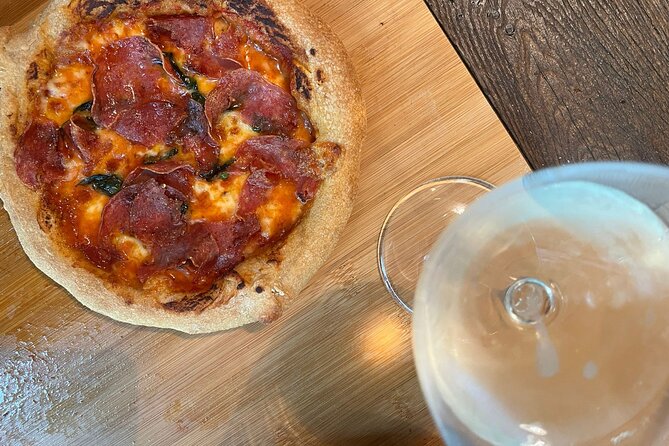
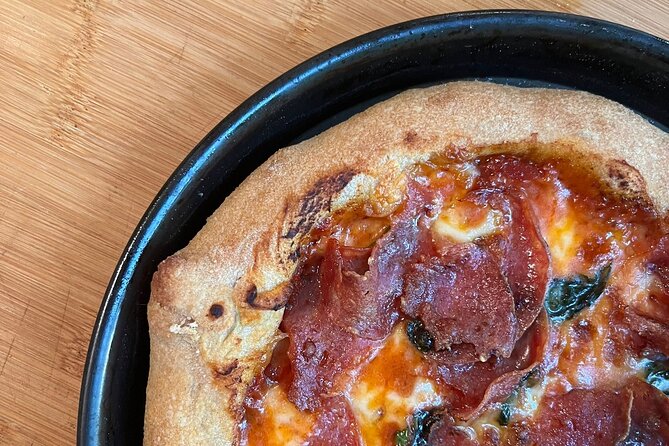
You’ll start with the main event: authentic Neapolitan-style pizza with lots of topping choices. The skill is not the toppings—it’s the dough and the sauce, because those are what control texture and flavor once the pizza hits heat.
Here’s what the workshop teaches you to focus on:
- How to get dough right from scratch, including handling it so it behaves instead of shrinking or tearing.
- How to make a flavorful tomato sauce that doesn’t taste flat after baking.
- How to assemble your pizza so the final result is balanced, not overloaded and soggy.
Then comes the oven part. Baking instruction is where your class turns into a usable home skill. You learn what to watch for so you can recreate the outcome later with your own oven setup and timing.
If you’re an experienced cook, you’ll still enjoy the structured approach. If you’re new, you’ll appreciate that pizza is broken into steps instead of thrown at you all at once.
Tiramisù From Scratch: Chocolate, Cream, and Step-By-Step Assembly
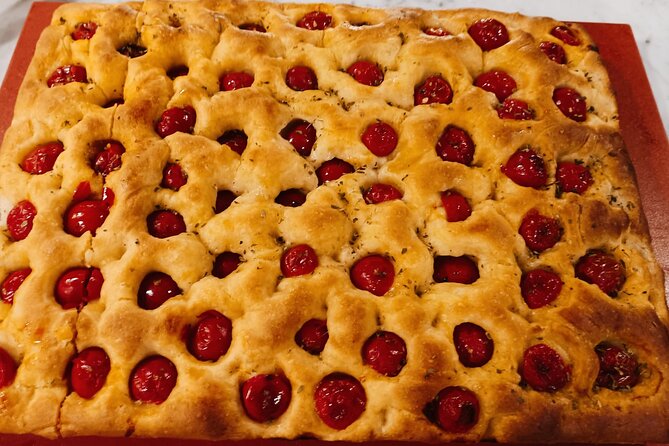
After pizza, you switch gears to dessert: a chocolate tiramisù made completely from scratch. Tiramisù is one of those desserts that sounds simple but punishes bad timing. The class helps because you follow the build process in order, with guidance on how it should look and feel as you go.
You’ll learn the method step by step, and you end up making something you can actually serve. In a good class setup, the dessert stage doesn’t feel like a side quest—it’s treated with the same attention as the pizza.
A nice bonus is that this dessert focus also makes it easier to take part even if you’re not a confident cook. Pizza has dough chemistry; tiramisù has assembly and texture. Both are teachable, and the chef-led rhythm keeps you from panicking when things don’t instantly look perfect.
Wine Tasting With Prosecco and Food Pairing Logic
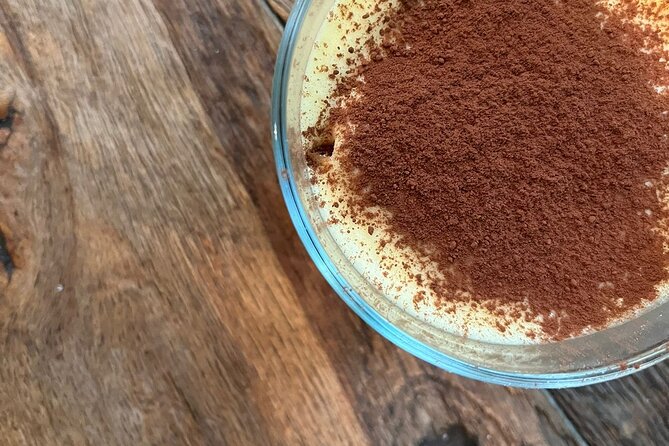
This is more than a casual sip. You get a guided wine tasting featuring top-quality Italian red and white wines, with soft drinks and prosecco also part of the experience.
Why that matters for you: cooking classes can sometimes end with a meal that tastes like leftovers. Here, you’re tasting alongside what you cooked. That makes it easier to connect flavors—how acidity in wine interacts with tomato, and how sweetness in dessert responds to chocolate richness.
You’ll get instruction during the tasting, so you aren’t just handed a glass and left to interpret labels. The class framing is practical: you taste, you learn a little about what you’re tasting, then you apply that context as you eat.
Dietary Options and Celiac-Friendly Participation
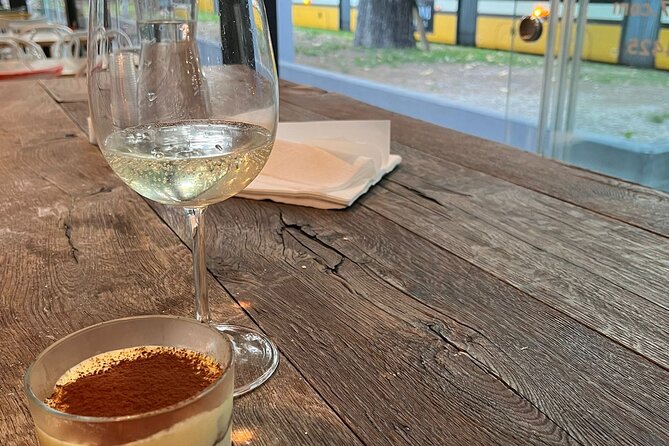
This class makes it clear that vegetarian, vegan, and gluten-free options are always available. For planning your meal ahead of time, that’s a big deal because you can eat the full experience without sitting out the main part.
Also, there’s specific reassurance in the way gluten-free participation works. In one family group example, instructors provided gluten-free ingredients so guests with celiac could fully participate safely. The takeaway for you: don’t assume “gluten-free” means a token substitution. If you need dietary accommodations, this is set up to handle them.
If you have multiple dietary needs in your group, you’ll likely find this class easier to manage than many restaurant-based experiences where menu options are limited.
Price and Value: What $78.64 Buys You in Real Terms
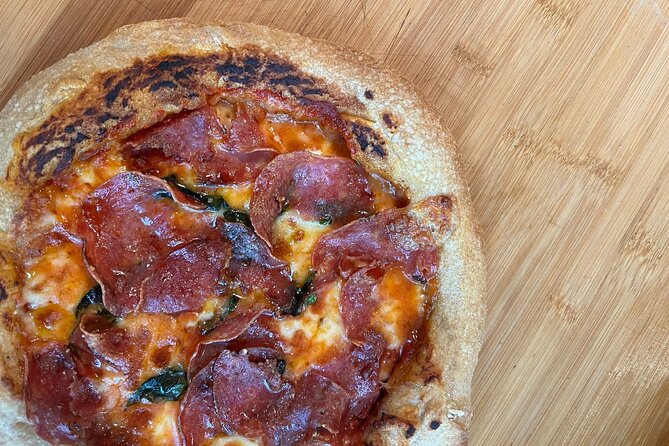
$78.64 per person can look like a splurge until you break down what’s included here. You’re paying for:
- Chef-led instruction in two major dishes (pizza + tiramisù)
- Ingredients and prep so you’re working on technique, not shopping and measuring
- A shared meal at the end that uses your own cooking
- A guided wine tasting plus prosecco/soft drinks
In other words, you’re not just buying entertainment. You’re buying skills—dough handling and sauce basics that you can carry home—and a built-in dinner with drinks.
Also, the small group limit matters to value. If you’re one of only up to 20 people, you get more attention per person than in bigger demos where you’re watching from the sidelines.
Who This Class Is Best For (And When It Might Not Fit)
This is a great fit if you want a social activity that still teaches real techniques. The class format pulls people together, so it works well for:
- Couples who want an activity that feels different from a museum afternoon
- Friends and small groups who like hands-on plans
- Families, including teens, since the atmosphere is relaxed and structured
- Food lovers who want a guided path to cooking pizza and tiramisù at home later
It might not be ideal if you’re expecting a quiet, sit-down tasting-only experience. This is hands-on, and the main joy is in getting your hands in the dough and assembling dessert.
And if your schedule is tight—say you’re rushing to dinner reservations right after—plan a little buffer. The class is about 2 hours, and you’ll be eating what you make.
Timing and Finding Your Best Class Slot
The activity starts at 2:30 pm in the provided schedule, and there are two class times available overall. Choose the time that best fits your day so you’re not hungry too early but also not starving by the time you arrive.
Two hours is a sweet spot. Long enough to learn both pizza and tiramisù, but short enough that you’re not losing an entire afternoon.
Because this ends back at the meeting point, you can build an easy plan right after—walk, snack, and then head out for your evening plans without needing to coordinate transport across town.
Practical Tips So Your First Pizza Comes Out Better
Wear comfortable clothes you can get a little messy in. You’ll be working with dough and sauce, and the class is active rather than formal.
Bring a curious mindset. Pizza is a timing-and-touch skill. If something feels off, ask right away. In a small class, questions actually change what happens next.
For tiramisù, don’t rush. Dessert texture is about steps. Follow the build sequence, and trust the method.
If you’re doing a dietary option, double-check any needs when you book. The class indicates vegetarian, vegan, and gluten-free options are available, but your best results come when your requirements are clearly understood from the start.
Should You Book Pizza Cooking Class With Tiramisù and Wine Tasting?
Yes—if you want an evening that combines real cooking skills with a fun, sociable food experience in Milan. The small class size, chef-led instruction, and the fact that you cook and eat both pizza and tiramisù make it a strong value for the price.
I’d skip it only if you strongly prefer passive sightseeing or you need a totally mess-free activity. Otherwise, this is one of those bookings that turns your trip into a story you can recreate at home: the pizza technique, the tiramisù method, and the taste of Italy done with your own hands.
FAQ
What is the duration of the Milan pizza cooking class?
It lasts about 2 hours.
Where does the experience start and end?
It starts at Via Lodovico Settala, 1, 20124 Milano MI, Italy and ends back at the same meeting point.
What time does the class start?
A listed start time is 2:30 pm, and there are two class times to choose from.
Is the class taught in English?
Yes, the class is offered in English.
How many people are in the group?
The class has a maximum of 20 travelers.
What food will I make and eat?
You’ll make Neapolitan-style pizza and a chocolate tiramisù, and then you’ll eat what you prepare.
Are wine tastings included?
Yes. You’ll have a guided wine tasting with Italian red and white wines, along with prosecco and soft drinks.
Are there vegetarian, vegan, or gluten-free options?
Yes. Vegetarian, vegan, and gluten-free options are always available.
Can people with celiac disease participate?
Gluten-free ingredients are provided for guests with celiac mentioned in the class experience, so it’s set up to support gluten-free participation.
What is the cancellation policy?
You can cancel for a full refund if you cancel at least 24 hours in advance. If you cancel within 24 hours, the amount paid is not refunded.