REVIEW · YORK
Class – Introduction to Chocolate Making at York Cocoa Works
Book on Viator →Operated by York Cocoa Works · Bookable on Viator
A chocolate class is a great use of a half day. At York Cocoa Works, you’ll learn how chocolate turns from ingredient to finished truffles, plus you’ll taste different chocolates as you go.
I love that the workshop is hands-on, not just a demo: you’ll make your own traditional chocolate truffles. I also like the practical focus on tempering, so the chocolate you work with behaves the way it’s supposed to.
One thing to consider is dairy: the class uses cream and butter, so if you have milk allergies you should contact the team 48 hours before.
In This Review
- Key things to know before you go
- Chocolate-Making 101 at York Cocoa Works (What the class really delivers)
- Your morning start at York Cocoa Works (Location, timing, and what to bring)
- What you’ll learn: cocoa to chocolate to truffles
- Where cocoa comes from, and how it turns into chocolate
- The truffle-making basics (what you’ll actually do)
- Ganache and simple, gorgeous texture
- Tempering chocolate: the technique that makes the rest easier
- Sample menu: Chocolate Truffles, made your way
- Wrapping, taking home, and using the recipes later
- Price and value: is $67.88 worth it?
- Who this class is best for (and who might want to skip it)
- A note on expectations: the one risk is schedule mix-ups
- FAQ
- FAQ
- What time does the chocolate making class start?
- Where does the class meet in York?
- How long is the class?
- What will I make during the workshop?
- What’s included in the price?
- Can I buy drinks or snacks during the workshop?
- How much chocolate do I take home?
- Is the class suitable for people with milk allergies?
- Should you book this chocolate class?
Key things to know before you go
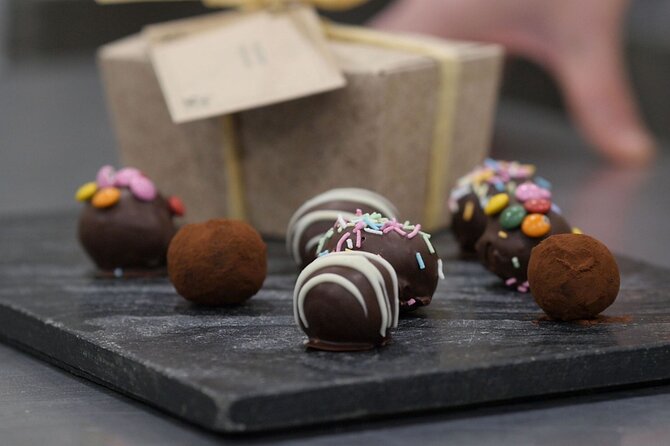
- You leave with about 300g of your handmade truffles, not just samples
- Tempering is part of the lesson, so you’re making chocolate you can actually work with at home
- All ingredients, equipment, and packaging are included, which makes it easy to jump in
- Small group size (max 12) helps keep the pace and questions under control
- You’ll cover where cocoa comes from and how it becomes chocolate, then you apply that to your own truffles
Chocolate-Making 101 at York Cocoa Works (What the class really delivers)
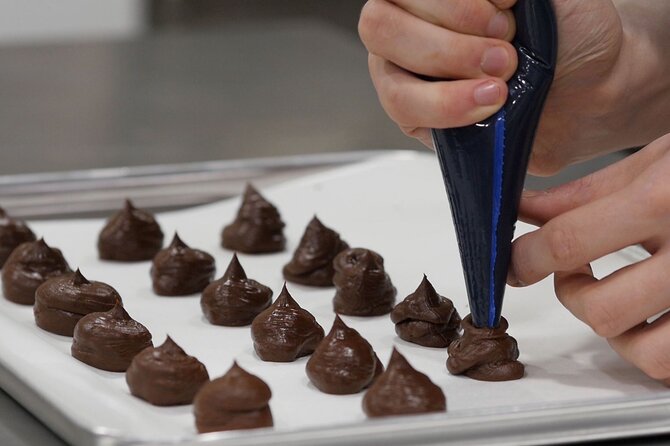
This is a proper starter class for anyone who wants to understand how chocolate works, not just how to assemble something sweet. The big win here is that you’ll walk out with finished truffles plus recipes and hints and tips you can use again later.
The session runs about 2 hours 30 minutes, starting at 10:00 am at York Cocoa Works on Castlegate (easy to reach by public transport). The group is limited to 12 people, so it feels more like a guided workshop than a crowded show.
If you’ve never made truffles before, you’re in the right place. If you have, you’ll still appreciate the emphasis on technique—especially the part about tempering—because that’s what separates glossy, well-set chocolate from the chocolate that feels a little off.
You can also read our reviews of more tours and experiences in York.


Your morning start at York Cocoa Works (Location, timing, and what to bring)
The class meets at York Cocoa Works, The Cocoa Works, 10 Castlegate, York YO1 9RN. You’ll end back at the same spot when the workshop wraps up.
Because this is a practical food-making session, I’d plan on arriving a few minutes early so you can get settled. Wear something you don’t mind getting a bit messy; chocolate is hard to avoid once you’re working hands-on.
You’ll get a mobile ticket, and confirmation is provided after booking (unless you booked very close to travel, in which case confirmation comes as soon as possible based on availability). The main practical move: once you book, double-check the day you selected so you show up on the correct schedule.
What you’ll learn: cocoa to chocolate to truffles
The workshop is built around the idea that chocolate making is a chain. If one link is weak, your final result can suffer. You’ll cover that chain in a way that actually helps your hands.
Where cocoa comes from, and how it turns into chocolate
You’ll find out where cocoa comes from and how it’s turned into chocolate. That sounds broad, but the point is simple: you learn what you’re working with. When you understand cocoa/chocolate as an ingredient system (not just a candy bar), the next steps—like ganache and tempering—make more sense.
The truffle-making basics (what you’ll actually do)
You’ll learn how to make traditional truffles, and you’ll also prepare tempered chocolate for use in your truffles. You’ll then wrap your creations so you can take them home.
In other words, you’re not waiting around. You’re making choices, working the steps, and building a final product you can share or eat later.



Ganache and simple, gorgeous texture
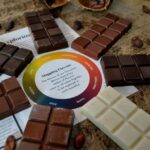
You’ll make a simple ganache as part of learning how chocolate should behave in a mixture. Ganache is one of the best “first serious” chocolate skills because it teaches you about ratios and how chocolate and dairy interact.
Tempering chocolate: the technique that makes the rest easier
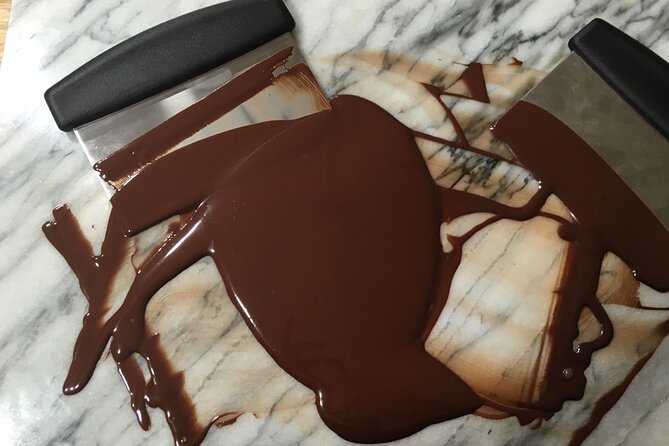
Tempering is the part most people hear about and feel intimidated by. In this class, it’s explained as a professional technique you can learn. And crucially, you practice it for a real purpose: to make your truffles properly.
You’ll learn how to work with tempered chocolate to create different delights. Even if your main finished product is truffles, tempering skills tend to transfer to other chocolate projects at home—like coating, decorative work, or getting better set and shine.
For me, the value here is psychological as much as technical: tempering stops being a “mystery chef thing” and becomes a method you can repeat. That’s what you want if your goal is to keep making chocolate after you leave York.
Sample menu: Chocolate Truffles, made your way
The dessert focus is straightforward: Chocolate Truffles. The class is structured around that final result, which makes it feel efficient. You learn the background, then you apply it to the one thing you’re bringing home.
You’ll end with approximately 300 grams of your own chocolate creations. That’s a meaningful amount for a couple, a small group of friends, or for saving some for later. It’s also the kind of take-home treat you can gift without needing to explain every step.
Wrapping, taking home, and using the recipes later
This workshop doesn’t just give you food. It gives you the tools to repeat it.
You’ll:
- Wrap your creations to take home
- Go home with recipes and hints and tips to make chocolates at home
That packaging detail matters more than it sounds. When chocolate is meant to travel (even a short walk back to your hotel), wrapping helps protect shape and keeps things neat.
And the recipes are what turn this from a one-time experience into a skill you can use again.
Price and value: is $67.88 worth it?
At $67.88 per person for about 2.5 hours, the price only feels “high” if you assume you’re paying for tasting. You’re not.
You’re paying for:
- Ingredients (including cream and butter)
- Equipment needed during the workshop
- Packaging to take your truffles home
- Instruction on working with chocolate, making ganache, and tempering
- A take-home haul of about 300g plus recipes
That’s the value equation. You’re essentially buying time with technique plus materials, and you’re getting a real portion of chocolate to show for it.
If you’re the type who enjoys baking classes where you leave with something tangible (not just a story), this is a good match.
Who this class is best for (and who might want to skip it)
This workshop is best for you if:
- You want a hands-on introduction to chocolate making
- You care about learning the “why” behind the technique, especially tempering
- You like leaving with something you made, not just watching
You might want to think twice if:
- You have milk allergies (the class uses cream and butter)
- You’re looking for a long, sit-down tasting tour instead of a working kitchen style class
- You prefer a private setting (the class caps at 12, which is good for learning, but still not private)
A note on expectations: the one risk is schedule mix-ups
One downside that can come up with popular classes is timing and system errors—rare, but real. Your best protection is to confirm the exact workshop day/time after booking and keep an eye on your confirmation details.
If you’re traveling and working with tight sightseeing plans, consider building in a bit of buffer. A class needs you present and ready.
FAQ
FAQ
What time does the chocolate making class start?
It starts at 10:00 am.
Where does the class meet in York?
The meeting point is York Cocoa Works, The Cocoa Works, 10 Castlegate, York YO1 9RN, UK.
How long is the class?
The duration is approximately 2 hours 30 minutes.
What will I make during the workshop?
You’ll make traditional chocolate truffles, including preparing tempered chocolate and making ganache as part of the process.
What’s included in the price?
The class includes all chocolate making ingredients, equipment, and packaging to craft your truffles.
Can I buy drinks or snacks during the workshop?
Coffee and/or tea and other chocolate cafe refreshments are available to purchase before or following your workshop.
How much chocolate do I take home?
Each participant takes home approximately 300 grams of their own chocolate creations.
Is the class suitable for people with milk allergies?
The workshop uses cream and butter. If you have a milk allergy, you should contact the team 48 hours before the workshop.
Should you book this chocolate class?
If you want a practical introduction that ends with tempered chocolate skills and about 300g of truffles you made, I’d book it. The small group size helps, and the fact that ingredients, equipment, and packaging are included means you can focus on learning instead of planning supplies.
Just do two smart checks before you go: confirm your exact workshop day/time, and make sure the dairy situation works for you. If that’s all good, this is a genuinely fun way to spend a morning in York—and your hands-on results give you something to enjoy long after the tour ends.