REVIEW · GUAYAQUIL
Cocoa farm and Chocolate making!
Book on Viator →Operated by My Trip to Ecuador · Bookable on Viator
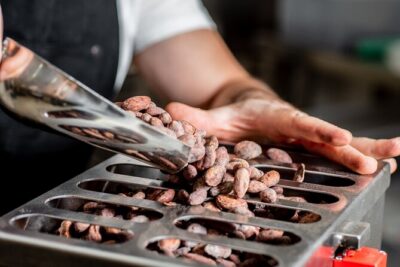
Chocolate starts before the bar. This Guayaquil cocoa farm day takes you from walking cacao trees and harvesting pods to making your own chocolate from scratch, with guides who explain how Ecuador grows and processes cacao. You also get a break from city noise while you’re surrounded by the working farm.
What I like most is the round-trip private transportation and the fact you’re not just watching from the sidelines. You’ll do the hands-on work yourself, from learning the trees to making chocolate step by step, and that effort makes the final bite feel earned.
One thing to consider: plan on 4 to 5 hours outdoors, starting at 10:00 am, so if your day is tight or you hate walking in the sun or rain, adjust your schedule accordingly.
In This Review
- Key things to know before you go
- A Private Cocoa Farm Day Just Outside Guayaquil
- From Cacao Tree to Cocoa Pod: What You Actually Do
- What can feel “a little different”
- Chocolate Making Step by Step (and Why It Changes Everything)
- Taste matters here
- Who Leads Your Day: Guides, Families, and Farming Culture
- The pace is part of the value
- Lunch at the Farm: Eating Like the People Who Grow the Cacao
- What to do before lunch
- Price and Value for a $155 Private Workshop
- Who This Tour Fits Best (and Who Might Skip It)
- How to Get the Most Out of Your Cocoa Farm Day
- Should You Book This Cocoa Farm and Chocolate Making Tour?
- FAQ
- Where does this experience take place?
- What time does the tour start?
- How long is the cocoa farm and chocolate making experience?
- How much does it cost?
- Is it a private tour?
- Can children participate?
- Is free cancellation available?
Key things to know before you go
- Real cacao work, not a demo: You harvest a cocoa pod and help turn beans into chocolate.
- Private, small-group feel: Maximum of 15 travelers, with a more personalized pace.
- Round-trip transportation included: Less hassle getting out of Guayaquil and back.
- Farm-guides and family stories: You learn how the people on the farm think about cacao.
- A meal at the premises: Many visits end with lunch prepared on the farm.
A Private Cocoa Farm Day Just Outside Guayaquil
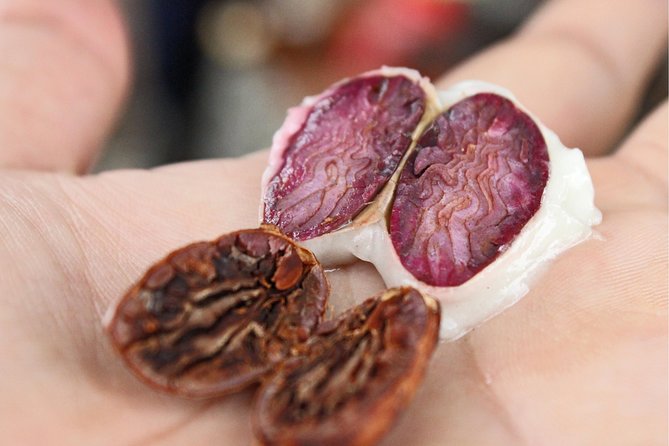
This is the kind of Ecuador experience that makes you slow down. Instead of ticking off another city stop, you head out to a working cacao farm where the focus stays on one thing: how chocolate really happens. And in a place like Guayaquil, that change of scenery is half the win.
The tour runs like a small, personal outing. You get round-trip private transportation, which means you’re not juggling group transfers or guessing what bus goes where. Once you arrive, you’re walking and learning at a farm pace—hands busy, questions welcome, time for the details that usually get glossed over.
You’re also not limited to cacao only. On many visits, your guide helps you notice other fruit and plants growing alongside cacao, and that matters because cacao flavor is shaped by more than one plant in one patch of land. You get a sense of how farms work as living systems, not just rows of beans.
The big trade-off is time. You’re committing most of your daytime to the farm experience. If you’re the type who wants short stops, go-go shopping blocks, and lots of extra stops back in town, this one will feel like a true half-day plan.
You can also read our reviews of more tours and experiences in Guayaquil.


From Cacao Tree to Cocoa Pod: What You Actually Do
The heart of the morning is the farm walk. You’ll see the cacao trees up close and learn what you’re looking at—trees, pods, and how harvest time works on a real farm. The point isn’t to memorize botany. It’s to understand the plant well enough that when you hear people talk about cacao, you know what they mean.
Then comes the hands-on part: you’ll harvest a cocoa pod. That’s a small moment, but it’s a big shift in how you think about chocolate. The pod isn’t the chocolate itself—it’s the start. Watching it up close helps you connect the dots between agriculture and the finished bar.
A bonus from the farm atmosphere is how active the space feels. One of the repeated themes from people who do this tour is that it’s not just cacao. Depending on the day and what’s growing, you might get chances to interact with other fruit or plants nearby. Even if that portion varies, the overall feel stays the same: you’re seeing a farm as a place that produces many things, not just one crop.
What can feel “a little different”
You’re outdoors. That means walking, standing, and being flexible if weather shifts. In this region, conditions can change fast, so wear comfortable shoes and expect to get a little dusty.
Chocolate Making Step by Step (and Why It Changes Everything)
Now for the main event: making chocolate from scratch. This is not the kind of activity where you stir something once and call it chocolate-making. You’ll work through the process from cacao beans toward a chocolate result, with your guide explaining what you’re doing and why each step matters.
The most valuable part is the cause-and-effect you’ll feel during the work. You learn that the bar you enjoy is the end product of many decisions and many steps: handling beans, working them into a chocolate base, and forming something you can actually taste as chocolate. Once you’ve seen that workflow, store-bought chocolate stops being a mystery item and starts being a farm product with a chain of steps behind it.
You also get to see how different parts of the process affect flavor and texture. Some guides explain that factors like how cacao is grown and how plants interact nearby can change the character of the beans. Even if you don’t remember every detail later, you’ll remember the feeling of why it takes craft to make “good chocolate.”
And because it’s hands-on, you end up paying attention in a way a simple tasting never triggers. You’re not just evaluating flavor; you’re participating in it.
Taste matters here
By the end of the chocolate-making portion, you’re set up to taste what you made (not just watch it happen). That final moment is why people talk about this experience as a must-do for Ecuador, especially if you’re short on time and want one trip that feels truly agricultural and real.
Who Leads Your Day: Guides, Families, and Farming Culture
One of the standout qualities of this cocoa farm outing is the human side. Guides often connect what you’re doing on the farm with how Ecuadorians live and think about their crops. That’s why you’ll hear stories that aren’t just facts, like how cacao fits into farm life and how families pass knowledge down.
You might meet guides such as Mario, Alison, Tony/Antonio, or Niffa, and you may also be introduced to people who work directly in the family farm operation (including helpers like Jamil or drivers like Darwin, depending on the group). Names differ from day to day, but the pattern stays the same: you’re guided by people who clearly care about the work and enjoy explaining it.
What this adds to the experience is context. Ecuador’s cacao story isn’t just about the beans—it’s about the farm families who treat cacao as both livelihood and heritage. You’ll feel that in how they talk, how they teach, and how much patience they bring when you ask questions or want to participate more.
The pace is part of the value
Several people describe the day as un-rushed, with time to absorb what’s around you. That pacing helps you remember what you learned, and it keeps the hands-on steps from feeling like a factory line.
Lunch at the Farm: Eating Like the People Who Grow the Cacao
Most farm days end with a meal, and it’s one of the best ways to finish the experience. In many cases, lunch is prepared on-site by the farm family and served in a relaxed setting on the premises. People often describe it as a delicious meal, sometimes even as a three-course lunch, eaten outdoors with the farm scenery around you.
This part matters more than it sounds. When you eat where cacao is grown, you’re reinforcing the whole theme of the day: you’re not consuming chocolate like a souvenir. You’re learning the full farm rhythm, from harvest to processing to shared meals.
Depending on the day, you might also hear about how other ingredients on the farm show up in the meal. And you’ll likely finish with a stronger appreciation of why cacao agriculture connects to more than just chocolate bars.
What to do before lunch
Bring water and be ready for appetite. After walking the farm and working with cacao, lunch feels like part of the reward, not an afterthought.
Price and Value for a $155 Private Workshop
At $155 per person, you’re paying for more than admission to a farm. You’re paying for a guided, hands-on chocolate-making experience tied to cacao agriculture, plus round-trip private transportation and time that’s paced to your group.
Here’s how I think about the value:
- You’re getting participation, not observation. Harvesting a pod and making chocolate yourself is a big part of why the price makes sense.
- Private transportation cuts friction. Leaving Guayaquil can be time-consuming without help, especially if you want a smooth schedule.
- Small group limits crowding. With a max of 15 travelers, you’re more likely to get attention while you work.
- The farm meal is part of the package. People commonly describe an on-site lunch as an included highlight, which adds real value.
Could you find cheaper? Sure—if you only want a quick tasting. But if you want the full farm-to-chocolate learning experience, this price lands in the “worth it” category for most people who like hands-on activities.
Who This Tour Fits Best (and Who Might Skip It)
This is a great fit if you:
- want a meaningful half-day outside Guayaquil
- enjoy hands-on food or agriculture activities
- care about understanding where chocolate comes from
- travel with family and want an activity that works across ages
It also helps if you like a guided day that teaches you as you go. People often describe their guides as personable and attentive, and they mention feeling welcomed by the farm team.
You might skip it if you:
- are short on time and need a quick city-only plan
- dislike outdoor walking or hands-on food work
- prefer experiences that stay strictly indoors
It’s also worth noting that this activity says most travelers can participate, and service animals are allowed. Children are welcome, but the child rate applies only when sharing with 2 paying adults, and children must be accompanied by an adult.
How to Get the Most Out of Your Cocoa Farm Day
A few practical moves help you enjoy the day more:
- Wear comfortable shoes for farm walking.
- Bring a light layer if the weather changes, since you’ll be outdoors for part of the day.
- Come with curiosity. Ask about the cacao trees, harvest timing, and what changes during processing.
- If you have dietary concerns, speak up early so your guide knows what to plan for your meal.
Also, if you’re interested in adding a bit more local Guayaquil flavor, some guides may be willing to recommend or arrange extra stops based on your interests once you return. That’s not the main point of the day, but it can turn a farm visit into a more complete local experience.
Should You Book This Cocoa Farm and Chocolate Making Tour?
If you’re choosing one “food and farming” experience around Guayaquil, I think this one deserves strong consideration. The reason is simple: you don’t just hear about cacao—you see and handle real farm steps and you work through the chocolate-making process yourself. Add the farm meal and the smooth round-trip private transportation, and it becomes a day that feels both educational and satisfying.
Book it if you want an authentic Ecuador experience with a personal feel. Skip it if you want minimal walking or you’re only looking for a quick chocolate snack.
If you want one focused trip that connects the cacao tree to the bar in your hand, this is the kind of tour that makes chocolate taste different afterward.
FAQ
Where does this experience take place?
It’s in Guayaquil, Ecuador, with cocoa farm time built into the outing.
What time does the tour start?
The start time is 10:00 am.
How long is the cocoa farm and chocolate making experience?
It runs about 4 to 5 hours (and the farm portion is listed as about 3 hours).
How much does it cost?
The price is $155.00 per person.
Is it a private tour?
It’s described as a private tour with a personalized experience, and it has a maximum of 15 travelers.
Can children participate?
Children can participate, but they must be accompanied by an adult. A child rate applies only when sharing with 2 paying adults.
Is free cancellation available?
Yes. You can cancel up to 24 hours in advance for a full refund. If you cancel less than 24 hours before the start time, the amount paid is not refunded.