REVIEW · GUAYAQUIL
Cacao Farm Excursion Day Trip from Guayaquil
Book on Viator →Operated by BM TOURS SA · Bookable on Viator
Chocolate starts on a real farm. This Guayaquil day trip is interesting because you follow cacao from fruit to toasted beans and paste, with plenty of hands-on steps, not just sightseeing. I also love the payoff: an on-farm organic lunch made from crops you can actually point to in the fields.
One thing to consider is the countryside setting. You’ll be on the road from central Guayaquil and you should plan for bugs—bug repellent is strongly recommended, and long sleeves help.
In This Review
- Key points I’d circle before you go
- From Guayaquil hotel pickup to a true cacao working farm
- The Naranjal countryside: cacao, mango, rice, and a real working rhythm
- Step-by-step cacao: from seed to paste to chocolate making
- The hands-on chocolate moments that stick with you
- The on-farm organic lunch: what you eat has a source
- Stop order and timing: how the 4 hours usually feel in practice
- Guides make the difference: who you might meet and why it matters
- What to bring: heat, sun, and the bugs don’t play games
- Price and value: is $205.72 per person worth it?
- Who this trip fits best (and who might want a different option)
- Should you book this cacao farm day trip from Guayaquil?
- FAQ
- What time does the tour start, and how long is it?
- Is hotel pickup and drop-off included?
- What are the main activities on the farm?
- Is lunch included, and are drinks included?
- Is this a good tour for children?
- Do I need to bring anything?
- Can I cancel and get a full refund?
Key points I’d circle before you go
- Hands-on cacao processing: toast, husk, grind, and learn the steps behind chocolate flavor
- Farm-to-lunch feel: an organic meal made with ingredients grown onsite
- Family-friendly pace: a short, focused 4-hour experience with plenty to look at
- Countryside setting near Churute: rice, cacao, mango, and more spread across a 30-acre property
- Hotel pickup and drop-off: you don’t have to figure out transportation after a long day
From Guayaquil hotel pickup to a true cacao working farm
This tour is built for an easy start: you meet a guide at your centrally located hotel and head out at 10:00am. The whole experience runs about 4 hours, including pickup, the drive, time on the farm, and the ride back.
That “included” transport detail matters more than it sounds. In Guayaquil, leaving on your own can mean time wasted on timing, finding rides, and sorting out where to go once you’re outside the city. Here, you get dropped into the day’s rhythm right away and can stay focused on the cacao.
You can also read our reviews of more tours and experiences in Guayaquil.


The Naranjal countryside: cacao, mango, rice, and a real working rhythm
Most of the magic happens outside the city, in the Naranjal area. You’re visiting a family-owned 30-acre (about 12-hectare) property with cacao trees plus other crops like tropical fruit and rice. You’re also in a landscape connected to the Churute ecological reserve hills and the Churute River—you can feel the farm life shift from city time to plant time.
What you’ll notice is variety. This isn’t a single-crop operation where everything looks the same. Depending on when you go and what’s in season, you may see cacao alongside things like mango, papaya, avocado, dragon fruit, bread fruit, and even herbs and vegetables used in daily cooking. That variety is part of why the lunch feels believable: the farm isn’t just selling you a story; it’s growing multiple ingredients.
Step-by-step cacao: from seed to paste to chocolate making
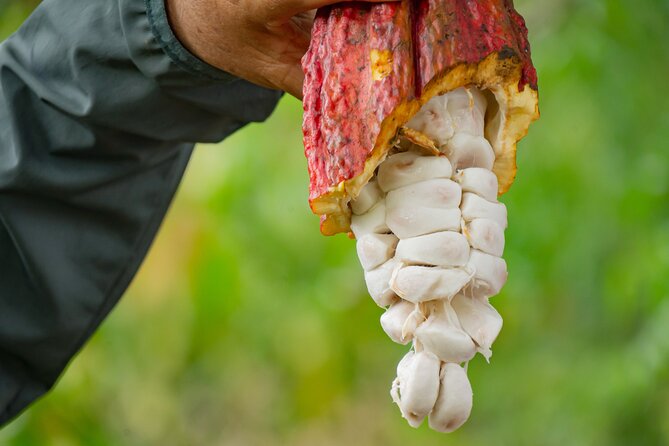
The core of the experience is the cacao-growing and production process, from start to finish. You’ll walk through how farmers care for cacao trees, how pods develop, and how harvesting works. Then you follow the fruit through the key processing steps—so you understand what turns a sour, sticky pod into something you recognize as chocolate.
Here’s the part that tends to win people over: you don’t just watch. You may help with steps like:
- Toasting cacao seeds
- Removing the husks
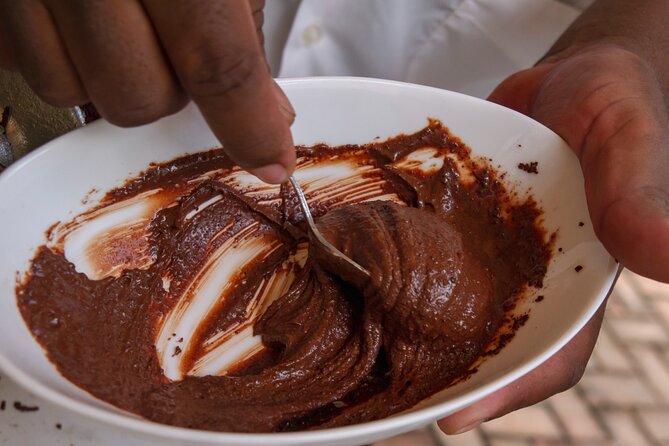
- Grinding the beans into a thick paste
That paste is the foundation for chocolate. Once it’s ground, the next stage typically involves adding ingredients like milk, sugar, and flavorings—so you get a glimpse of how raw plant material becomes the sweet treat people buy in bars.
Fermentation also comes up during the explanation of the process. That’s important because fermentation is where cacao flavor chemistry starts shaping itself. Even if you don’t remember every detail later, you’ll leave knowing that chocolate isn’t made in a single step. It’s built through timed stages.
The hands-on chocolate moments that stick with you
Several details from guides and real farm hosts make this experience feel different from a standard food tour. You’re working in a place where cacao is part of daily life, and you can see the chain of effort behind it.
Expect time for active learning—snacking on fruit, talking through what you’re seeing, and tasting the results. One review described experiencing the process all the way through making chocolate and even drinking a hot chocolate version made with just water and sugar. In other words, you get more than one flavor point of reference, so it’s easier to understand what fermentation and processing do.
And yes, you may end up making your own chocolate bars. That’s not just a souvenir moment—it’s a memory hook. Your hands learn the process, and your brain remembers it later when you eat chocolate at home.
The on-farm organic lunch: what you eat has a source
Lunch is one of the strongest parts of this day trip. It’s served as a typical farm meal made with organic ingredients grown onsite, and the menu can vary. In the examples people shared, it could include things like crab empanadas, fried fish with rice, and even a dessert described as frozen chocolate cake.
That variability is normal on a farm. What’s consistent is the feeling of farm-to-table. You’re not just told ingredients are local—you’ve likely seen some of them earlier in the day: grains like rice, fruit, herbs, and vegetables. When you sit down to eat, it clicks faster.
Also note: drinks are not included. Plan to buy water or bring a bottle if that fits your style. Heat plus a farm tour equals dehydration risk.
Stop order and timing: how the 4 hours usually feel in practice
The day is short enough to feel energetic, not exhausting. You leave the hotel at 10:00am, spend time driving and arriving, then you’re in and out of farm activity blocks.
A simple way to think about the flow:
- You start with orientation and travel out of Guayaquil.
- You spend time in the Cacao & Mango Farm area learning and tasting (including something like a chocolate cup in some versions).
- You then get a deeper tour at the main farm setting where you see the crop variety—rice, cacao, green house areas, and more—before you eat.
- You finish with the return transfer to your hotel.
Some days can feel like they include extra nature elements, depending on how the operator structures routes that day. If you’re trying to keep expectations strictly focused on cacao, mentally treat anything extra as optional flavor to the main farm theme.
Guides make the difference: who you might meet and why it matters
This tour runs as a private activity, meaning it’s only your group. That’s a big deal for questions. You can ask why a step matters, or what farmers look for in pods, instead of getting swept along with a large crowd.
The reviews highlight that the best days are guided by enthusiastic farm educators and smooth drivers—names that popped up include Jaime, Jamil, Hime, Eddie, Adrian, Simon, Eduardo, and Alberto (and the farm host Shirley was also mentioned). You should treat these as examples of the kind of people you may meet, not guarantees of who will be assigned to your day.
But the pattern is clear: when the guide connects the agriculture to real chocolate outcomes, the whole tour clicks. You’ll understand not only what happens, but why each step exists.
What to bring: heat, sun, and the bugs don’t play games
Cacao farms are outdoors. You’ll want:
- Bug repellent (recommended)
- Sun protection (hat and sunscreen)
- Long sleeves or light long pants if you run cold easily or you’re mosquito-prone
One review specifically flagged the mosquito factor and even noted avoiding black clothing, since insects may be more attracted to certain colors. I wouldn’t overthink fashion, but I would dress for insects and sweat.
Also pack a bit of patience for the environment. You’re walking in farming areas—some paths may be uneven, and it can get hot. Comfortable shoes are a must.
Price and value: is $205.72 per person worth it?
At $205.72 per person for about 4 hours, this isn’t a budget snack tour. But it also isn’t just a tasting session. You’re paying for:
- hotel pickup and drop-off in Guayaquil
- lunch plus food tasting
- a guided, step-by-step cacao experience with hands-on processing
If you subtract the cost of getting out to the countryside (transport + time), this starts to feel more reasonable. And lunch is a real meal, not a cookie plate. For families, couples, and anyone who likes learning by doing, the value comes from the combination: transportation + education + food.
Is it less of a deal if you only want to see cacao trees and buy chocolate? Probably. But if you want the process, you’ll get your money’s worth faster.
Who this trip fits best (and who might want a different option)
This tour fits best if you:
- want a short day trip from Guayaquil without planning transport
- like food education that includes hands-on work
- enjoy farms and want to see agriculture beyond the city
- are traveling with kids or teens who can handle a couple hours outdoors
It’s also a good fit for couples who want something different from beach time or city walking. The farm context gives you photos, stories, and a practical takeaway you can use right when you’re eating chocolate later.
If you’re extremely sensitive to heat or mosquitoes and don’t want to be outdoors much, you might find the farm setting challenging. Still, a good repellent plan fixes a lot of that.
Should you book this cacao farm day trip from Guayaquil?
Yes, I’d book it if your goal is a hands-on agricultural experience with a satisfying meal attached. The standout value is the process: you follow cacao from pod to paste and get tasting plus the chance to make chocolate. The other win is the lunch—several people called it the best meal of the trip, and it’s the kind of meal that feels connected to the day instead of random.
Book this trip when you can arrive fresh and ready to walk, taste, and get your hands involved a bit. Bring bug spray, wear comfortable shoes, and don’t treat it like a quick roadside stop. It’s a real farm lesson dressed as a food outing.
FAQ
What time does the tour start, and how long is it?
It starts at 10:00am and lasts about 4 hours (approx.), including hotel pickup and drop-off.
Is hotel pickup and drop-off included?
Yes. Hotel pickup and drop-off in Guayaquil is included.
What are the main activities on the farm?
You’ll learn how cacao is grown and then follow the production steps, including processing activities like toasting seeds, removing husks, and grinding the beans, along with tastings.
Is lunch included, and are drinks included?
Lunch is included, and the tour also includes food tasting. Drinks are not included.
Is this a good tour for children?
It’s described as family friendly. A child rate applies only when sharing with 2 paying adults, and children must be accompanied by an adult.
Do I need to bring anything?
The tour notes that it’s recommended to bring bug repellent. I’d also plan for sun and comfortable walking shoes since you’re outdoors on a farm.
Can I cancel and get a full refund?
Yes. Free cancellation is available if you cancel at least 24 hours before the experience start time. If you cancel less than 24 hours before, you won’t receive a refund.