REVIEW · NAIROBI
Kibera Chocolate City Tour
Book on Viator →Operated by Agape Hope for Kibera Tours · Bookable on Viator
Kibera is not a postcard. This short tour in Nairobi’s Kibera Town Centre blends market stops, a crafts visit, and time at a local school and library, guided by people who grew up there and know the stories behind daily life.
I really like two things: first, the tour’s focus on breaking stereotypes and letting you see how community members build livelihoods. Second, the route is well-paced for a 2–3 hour outing, with clear, specific stops like Toi Market, Victoria Bones Craftshop, and the walk past the historical railway.
One thing to consider: this experience is weather-sensitive and you’ll be walking through a real neighborhood, so comfortable shoes and a calm, respectful mindset matter more than trying to “tour” it like a museum.
In This Review
- Key highlights you’ll care about
- Nairobi’s Kibera Walk: what this tour really delivers
- Where you start: Kibera Town Centre at Kamukunji Grounds
- Meeting your guide: the tone that makes or breaks this kind of tour
- Stop 1: Kibera Town Centre and the orientation you actually need
- Toi Market: small business energy and real livelihoods
- Victoria Bones Craftshop: creativity with a purpose
- Agape school and library: education as part of the day
- The historical railway walk: seeing place as a story
- Price, group size, and booking timing: is it worth $22?
- How to prepare so you get the best experience
- Who this Kibera Chocolate City tour suits best
- Should you book this Kibera tour?
- FAQ
- How long is the Kibera Chocolate City Tour?
- How much does the tour cost?
- Where does the tour start?
- Does the tour include market, crafts, and a school visit?
- Is there admission for the Kibera part of the visit?
- What time does the tour operate?
- Do I need to bring printed tickets?
- What if the weather is bad?
Key highlights you’ll care about

- Local-guided perspective that challenges common stereotypes and explains what daily life looks like now
- Toi Market + Victoria Bones Craftshop for a close-up view of small businesses and creative work
- Agape school and library time where kids study and play, showing education as a living part of the community
- Historical railway walk that helps you connect physical places to the neighborhood’s bigger story
- Small-group feel with a maximum of 30 travelers, so it’s easier to ask questions and stay together
Nairobi’s Kibera Walk: what this tour really delivers
Let’s talk straight. The name Kibera Chocolate City Tour may sound like a gimmick, but the tour itself is about something much more meaningful: people, routines, and the everyday work that keeps a neighborhood running. You’re not just looking from the outside. You’re learning how residents live, survive, and support one another—while your guide keeps the conversation respectful and grounded.
I also like that the goal is openly stated: this is designed to challenge how people think about Kibera and to highlight resilience, creativity, and community. That framing changes how you walk. Instead of asking yourself what’s missing, you start noticing what’s built—and how.
Finally, this is a practical tour length. Most of the time you’ll be out for about 2 to 3 hours, which makes it doable even if Nairobi is already packed with other sights. It’s also a good “real-life” counterbalance to the city’s more classic attractions.
You can also read our reviews of more tours and experiences in Nairobi.

Where you start: Kibera Town Centre at Kamukunji Grounds

Your tour meets at Kibera Town Centre, Kamukunji Grounds, Nairobi and ends back at the same spot. That round-trip setup is useful because you’re not left figuring out transportation after a sensitive, emotion-heavy experience. It keeps the experience tight and reduces the stress of the day.
Operating hours are listed as 8:00 AM to 6:00 PM, and the schedule runs across a multi-year window. In plain terms: you’ve got several chances to pick a departure time that fits your Nairobi plan. The day-to-day pace can also vary depending on what’s happening in the community that day, since the tour is designed to be flexible.
One more practical note: you’ll get a mobile ticket. That matters in Nairobi, where keeping paper documents can get annoying fast. Bring a charged phone, and you’ll be fine.
Meeting your guide: the tone that makes or breaks this kind of tour
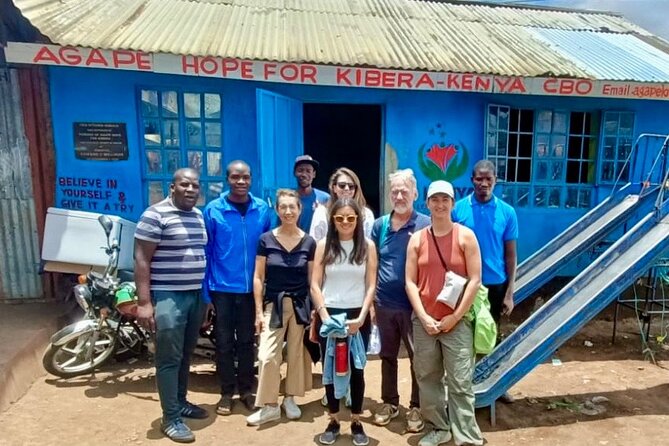
The biggest compliment in the feedback I saw is about the guides—especially Collins, who’s repeatedly described as growing up in the community and leading with care and familiarity. In other comments, Allan and Rama also show up as guides people appreciated.
That matters because Kibera tours can go wrong when the guide treats the community like a stage. Here, the approach is described as respectful and community-first, with built-in emphasis on breaking stereotypes instead of feeding them. You’ll get the sense that the guide isn’t just delivering facts; they’re translating lived experience into something you can understand without turning residents into a spectacle.
If you’re the type who likes to ask questions, this kind of guide also helps you ask better ones. Expect more conversation than a lecture, and expect the guide to steer the discussion away from “poverty tourism” framing.
Stop 1: Kibera Town Centre and the orientation you actually need
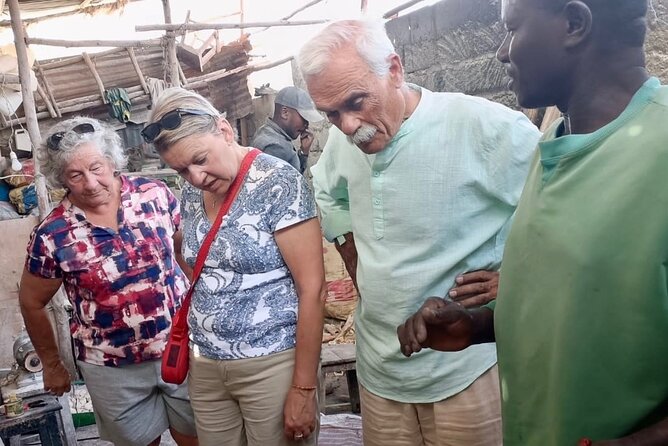
You’ll begin in Kibera Town Centre, where the tour’s purpose is to give you a broader understanding of how life works there. This is not a random “walk and hope.” The first stop is meant to put context behind what you’ll see next.
One detail worth noting: the tour highlights admission ticket free for the Kibera portion. That’s helpful for budgeting and it also signals that you’re moving through the neighborhood’s everyday spaces—not lining up at a paid attraction.
What you’ll get in this early stretch is orientation: where businesses cluster, where community institutions exist, and how the area connects to broader history. The goal is to help you stop thinking in stereotypes and start thinking in systems: work, education, daily routine, and community problem-solving.
Possible drawback here: when you’re new to a place, your instincts may be to take photos immediately. Don’t. Use your guide as the filter first—ask what’s appropriate, then act. That keeps the vibe respectful and helps the tour flow.
Toi Market: small business energy and real livelihoods

Next up is Toi Market, where local businesses operate. This stop is one of the most practical parts of the tour because it shows how money and services move through the community. It’s also where you can see how people create income through everyday trade and work.
If you like market travel, you’ll probably get a lot out of this. Markets tell you things that museum labels can’t: what people prioritize, how customers and vendors interact, and what types of products matter locally. Even if you don’t buy anything, you’ll understand the rhythm.
What I like about this market stop is that it supports the tour’s bigger message. Instead of focusing only on hardship, you’re seeing livelihoods in action—shops, selling, and the micro-economies that keep families going.
Quick tip: bring a little patience. Market conversations take time, and your guide may encourage respectful interaction. If you rush, you’ll miss the value.
Victoria Bones Craftshop: creativity with a purpose

After the market, you visit Victoria Bones Craftshop. This stop shifts the focus from what people sell day-to-day to how creative work is organized and sustained.
Craft places are often misunderstood by outsiders. The useful takeaway here is that creative work is tied to community support, skills, and opportunities—something that fits with the tour’s theme of resilience. If you’ve ever wondered how people turn talent into stability, this is the kind of stop that helps you see the connection.
In the feedback, people praised how guides explain both current life and the vision for the future. A craftshop is a good location for that conversation because creativity tends to invite talk about skills, training, and long-term goals.
If you buy something, do it thoughtfully. Ask what it’s made from and what it supports. That turns a souvenir into a better kind of memory.
Agape school and library: education as part of the day

One of the most emotionally powerful parts of the tour is the visit to the school and library where children of Agape get education and play with friends. You’re not just passing by buildings. You’re seeing learning and childhood energy in the same frame.
This is where the tour’s “break stereotypes” mission becomes real. Kids playing in the streets, time for education, and a space for reading and learning all contradict the one-note outsider image of what neighborhoods like Kibera are. The goal isn’t to force emotion; it’s to show what is built and supported by community efforts.
From the feedback, people consistently highlight the children’s joy and the feeling that the guides care deeply about what education means there. That doesn’t magically solve poverty, but it does show direction—and that makes the experience feel more honest.
Practical note: be careful with attention. Kids notice who’s watching. Follow your guide’s lead on how to interact and where to stand. Keep it calm. Let the moment stay real.
The historical railway walk: seeing place as a story

Finally, you walk by the historical railway for a broader view of Kibera. This isn’t just a scenic ending. It’s a chance to connect what you’ve seen—markets, crafts, school spaces—to the physical setting that shaped how the community grew.
Railways and transport routes often influence where people settle, where trade happens, and how neighborhoods connect to the outside world. A short walk near the railway gives you that “why here” understanding, which makes the rest of the tour click.
This last segment also helps you decompress. After time in market and school areas, a quieter historical reference gives your brain something structured to hold onto. It’s a good way to end a tour like this without rushing everyone back immediately.
Price, group size, and booking timing: is it worth $22?
The price is $22.00 per person for about 2–3 hours. For Nairobi, that’s relatively accessible, especially for a guide-led experience that includes multiple community stops. More importantly, it’s not priced like a high-end “watch from afar” tour. It’s priced like an experience meant to be direct and local.
You also benefit from the tour format: a mobile ticket, a fixed meeting point, and a small cap of 30 travelers maximum. Smaller group sizes matter because you’re asking questions and moving through tight spaces. If the group were huge, you’d spend the whole time waiting and trying to follow. Here, it’s easier to stay present.
On booking timing: the average booking window is about 17 days in advance. That suggests this tour can fill up around peak travel periods. If you’re planning a short Nairobi trip, don’t leave it to the last minute.
One more value point: the tour is run by Agape Hope for Kibera Tours, and the overall mission is explicitly about respectful learning and community support. While you still should think like a traveler (not a donor), it helps to know the money ties into local efforts rather than disappearing into a generic tour pipeline.
How to prepare so you get the best experience
You’ll get the most out of this tour if you treat it like a conversation, not a challenge. Bring a few basics: comfortable shoes, a bit of cash if your guide suggests it for small purchases, and a willingness to listen.
Also, manage your expectations. You’re not going to leave with a “before/after” magic fix. What you will leave with is a more grounded understanding of how community members create livelihoods, how education is supported, and how local spaces shape day-to-day life.
Your guide will set the tone on interaction. Follow it. Ask questions that start with curiosity rather than judgment. If something feels uncomfortable, that’s normal. Use your guide to translate what you’re seeing into context.
Finally, plan for weather. This experience requires good weather, and you’ll be offered a different date or a full refund if it’s canceled for poor conditions. Since Nairobi weather can shift quickly, keep an eye on forecasts and bring a light layer if the day turns breezy.
Who this Kibera Chocolate City tour suits best
This tour is a great fit if you want your Nairobi trip to include more than landmarks and photos. If you like meeting people, asking questions, and learning how neighborhoods actually work day-to-day, you’ll feel at home here.
It also suits travelers who prefer a clear route with specific stops—market, craftshop, school/library, and a final historical walk—rather than an open-ended “wander and guess.” The 2 to 3 hour format is ideal if you’re balancing other city activities.
If you’re traveling with kids, the school stop is likely to leave an impression. Just be sure you follow the guide’s lead on interaction and keep expectations realistic. If you’re nervous about visiting a dense neighborhood, the key is to trust the guide and accept that this is about respectful observation and learning, not comfort perfection.
Should you book this Kibera tour?
I’d book it if you want a short, structured experience that focuses on people and local systems, led by guides like Collins who are known for explaining both present-day life and a vision for the future. At $22 for a guided visit with multiple community stops, the value is solid, especially since it’s designed to be respectful and mission-driven.
Skip it if you want a typical sightseeing day with minimal emotional impact and no real community interaction. This tour is not that kind of experience. It’s honest, human, and sometimes moving—and that’s exactly why it’s worth your time.
If you book, go in with curiosity, good shoes, and an open mind. You’ll likely leave with a far more accurate sense of Kibera than you started with.
FAQ
How long is the Kibera Chocolate City Tour?
It runs about 2 to 3 hours.
How much does the tour cost?
The price is $22.00 per person.
Where does the tour start?
It starts at Kibera Town Centre, Kamukunji Grounds, Nairobi, Kenya.
Does the tour include market, crafts, and a school visit?
Yes. You’ll visit Toi Market, Victoria Bones Craftshop, and the school and library connected with Agape.
Is there admission for the Kibera part of the visit?
The Kibera stop is listed as admission ticket free.
What time does the tour operate?
Tours are listed between 8:00 AM and 6:00 PM.
Do I need to bring printed tickets?
No. You receive a mobile ticket.
What if the weather is bad?
The experience requires good weather. If it’s canceled due to poor weather, you’ll be offered a different date or a full refund.