REVIEW · NAIROBI
Visit kibera Slum the chocolate city
Book on GetYourGuide →Operated by Royal safaris · Bookable on GetYourGuide
Kibera shows Nairobi’s real pulse. A guided walk through Kenya’s largest informal settlement turns day-to-day community life into something you can actually understand, not just look at. I like the way the tour pairs community engagement with broader context, so conversations with residents and community leaders feel purposeful rather than touristic.
You’ll also get stops geared toward empowerment projects and the cultural energy people build every day—art, music, and the entrepreneurial spirit that keeps small businesses moving. One consideration: entrance fees and pickup aren’t included, so you may have extra costs or logistics to handle, and you should expect a walk with real-world conditions.
In This Review
- Key Things I Think You’ll Notice Most
- Kibera, The Chocolate City: What This Tour Helps You Understand
- Meeting at Equity Ayani and How the 150 Minutes Are Used
- The Guided Walk Through Kibera: Streets, Sightseeing, and Scenic Stops
- Empowerment Projects: What “Skills, Education, and Development” Looks Like
- Culture on Display: Art, Music, and Everyday Entrepreneurship
- Historical Context: Kibera’s Place in Urbanization and Social Challenges
- Responsible Tourism, Practical and Non-Negotiable
- Price and Value: Is $25 Fair for 150 Minutes?
- Languages and What That Means for Your Comfort
- Who This Kibera Tour Suits Best
- Should You Book This Kibera Slum Tour?
- FAQ
- How long is the Kibera slum tour?
- Where does the tour start and end?
- How much does the tour cost?
- What is included in the price?
- Are pickup services included?
- Are entrance fees included?
- Is there a live guide?
- What languages are available?
- Is free cancellation available?
- Can I reserve now and pay later?
Key Things I Think You’ll Notice Most

- Conversations with residents and community leaders that frame what life looks like day to day
- Empowerment work in action, focused on education, skills training, and community development
- Culture you can see up close, including art, music, and local enterprise
- History and development of Kibera tied to bigger questions about urbanization in Kenya
- Responsible tourism guidance that keeps the visit respectful and support-focused
Kibera, The Chocolate City: What This Tour Helps You Understand

Kibera is often described with shorthand terms online, but those labels don’t explain how people live, solve problems, and create opportunities. This tour’s big value is that it treats the place as a community, not a curiosity. You get a guided view of Nairobi’s largest informal settlement and the social systems around it—how people organize, what they’re working on, and where the hardest challenges show up.
I also like that the experience is built around more than one angle. You’re not only shown “what it looks like.” You’re guided toward “how it works” and “why it matters.” The tour includes community engagement with residents and community leaders, plus background on how Kibera has developed over time. That combination makes your understanding stick better than a quick sightseeing loop.
Finally, there’s an ethical layer. Responsible tourism isn’t added as a slogan; it’s part of what the guide should help you do—think first, ask well, and avoid turning people’s lives into entertainment.
You can also read our reviews of more tours and experiences in Nairobi.

Meeting at Equity Ayani and How the 150 Minutes Are Used

The tour starts and ends at Equity Ayani. That matters more than it sounds. A clear meeting point helps you avoid the common travel headache of uncertain rendezvous spots, especially in an urban area where traffic and navigation can get complicated.
The total time is 150 minutes (about 2.5 hours). That’s long enough to feel like you truly moved through the area with intention, but short enough that the experience doesn’t drag into something you’d rush or outlast your ability to focus. In practice, the timing suggests a guided loop centered on walking, small sightseeing stops, and guided conversations rather than long transit.
If you’re planning your day, I’d treat this as a “main event” block. Even if you’re comfortable on foot, you’ll want your energy for listening and asking questions. When you’re in a community-focused tour, that mental presence is part of the value you get out of it.
The Guided Walk Through Kibera: Streets, Sightseeing, and Scenic Stops

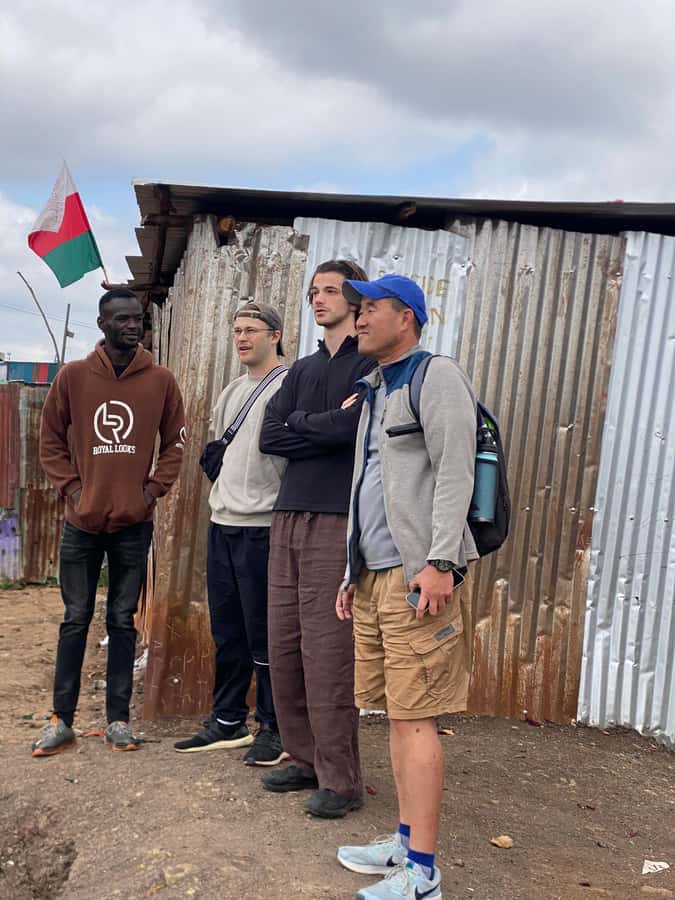
The core of the experience is a walk and sightseeing segment in Kibera, with time for scenic views along the way. The tour is designed for you to move with a guide who can connect what you’re seeing to what it means—socially, economically, and historically.
Here’s what I’d watch for as you go:
- You’ll likely spend more time noticing daily details than taking classic “postcard” photos.
- You’ll want to be ready for conversations that aren’t scripted like a museum talk.
- You may notice how tightly lived-in the space is—homes, small businesses, and community activity often exist close together.
A walk like this can feel intense. Not because the tour is designed to be shocking, but because you’re seeing a place shaped by real constraints. Your best move is to keep your curiosity respectful: ask questions, don’t act like you’re collecting facts for entertainment, and let the guide set the tone.
Empowerment Projects: What “Skills, Education, and Development” Looks Like
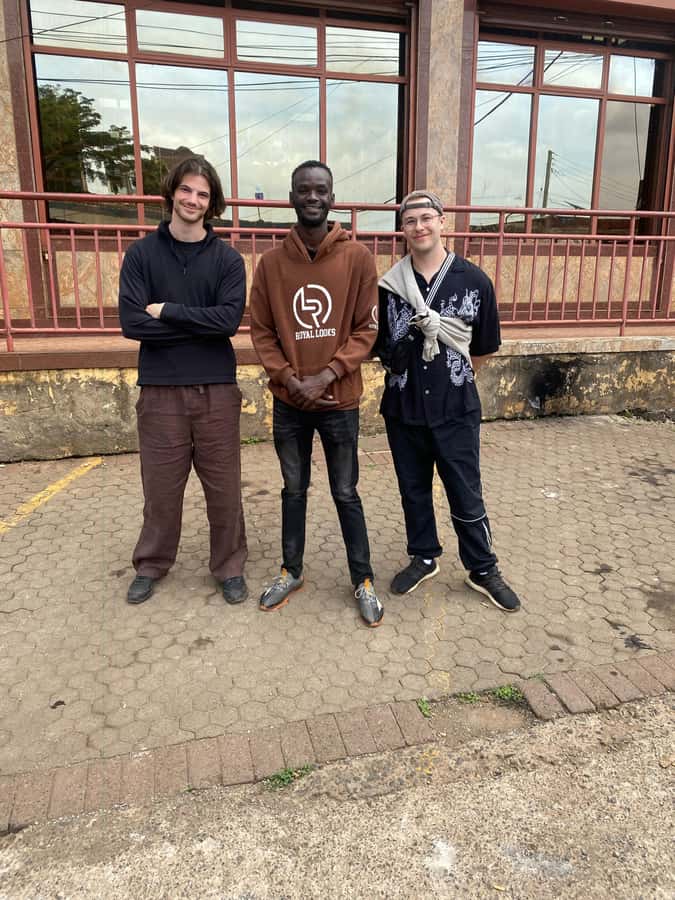
One of the most practical parts of the tour is the focus on empowerment projects and the local organizations or social enterprises working there. This isn’t framed as abstract goodwill. You’re expected to visit initiatives tied to education, skills training, and community development.
That emphasis is where the trip becomes more than a lesson about hardship. It gives you something concrete to understand: how people and organizations work toward stability, opportunity, and long-term change. Even if you can’t grasp every detail in a short visit, you’ll come away with a clearer idea of how support systems operate—who’s working, what the efforts are aiming to improve, and how those efforts fit into everyday life.
This is also the part where responsible tourism matters most. Your presence can become helpful when it supports local priorities and doesn’t interfere with what’s already being done. The guide’s role here is crucial: you’ll want someone who can explain the difference between witnessing and taking over.
Culture on Display: Art, Music, and Everyday Entrepreneurship
The tour includes cultural insights—specifically art, music, and the entrepreneurial spirit people build into their daily routines. This is important because it stops the story from being one-note.
In places like this, art and music aren’t just entertainment. They’re often a way to communicate identity, share experiences, and create social connection. Small-scale entrepreneurship is similar: it’s practical, ongoing, and tied to survival—but also to creativity and skill.
If you want to get the most out of this section, bring a simple mindset. Instead of asking only what people lack, ask what they’re building. And if you’re shown creative work or local commerce, treat it like you would in any community market: be polite, ask before photographing, and support in a way that fits the moment.
Historical Context: Kibera’s Place in Urbanization and Social Challenges
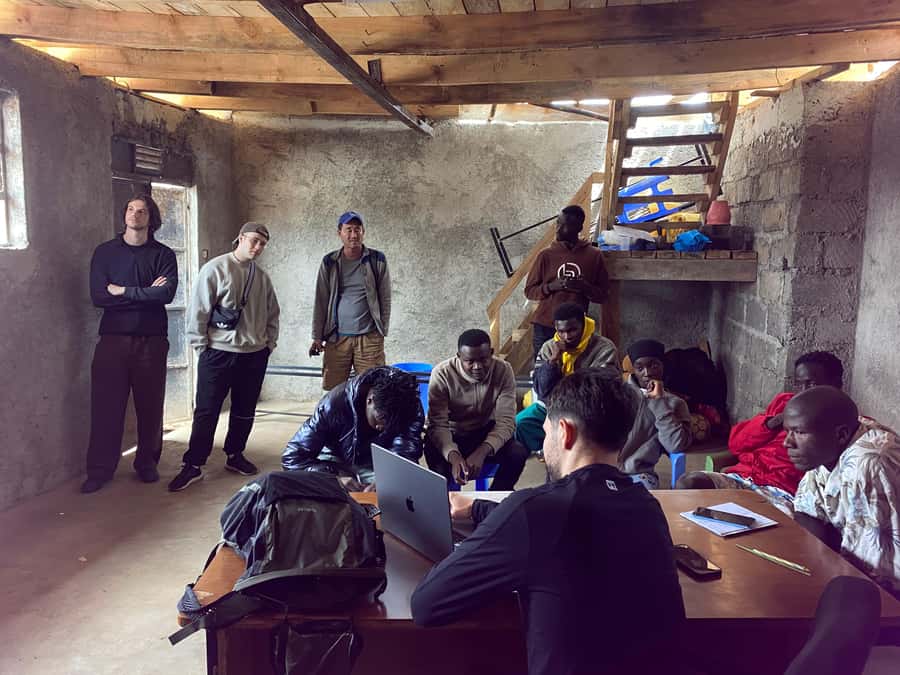
A good Kibera tour isn’t only about present-day life. It should also explain how Kibera fits into bigger patterns of urbanization and social challenges in Kenya. This tour includes historical context around the slum’s development and significance in the broader story.
Why this matters for you: history helps you interpret what you see. When the guide gives context about how the area grew and how conditions have evolved, the details of the walk make more sense. Without context, you might misread the situation as random struggle. With context, you start to see systems—housing pressures, city growth, and the complex reality of informal settlements.
You don’t need to memorize dates. You just need the framework. That’s what turns a one-time visit into understanding you can carry home.
Responsible Tourism, Practical and Non-Negotiable
Responsible tourism is part of what this experience teaches. That’s especially important when you’re visiting a marginalized community. You’re not there to collect pain. You’re there to learn and to respect.
I’d treat the guide’s ethical guidance as instructions, not fluff. In real terms, it means:
- You listen first and ask questions with care.
- You avoid pushing into people’s private space or disrupting ongoing activities.
- You try to understand initiatives rather than judging the challenges from a distance.
- You follow the guide’s pacing and boundaries.
Tone matters. A friendly, professional guide can change the whole feel of the tour, because it sets expectations for how you should behave. In the examples people highlight, a guide named Daniel stands out for being gentle and professional—exactly the kind of approach you want in a place where trust is essential.
Price and Value: Is $25 Fair for 150 Minutes?

The price is $25 per person for 150 minutes, and the tour includes a tour guide. That’s a relatively straightforward setup: you’re paying mainly for the guide-led access to context, community engagement, and structured stops.
To judge value, compare what’s covered:
- Included: live tour guide and the guided experience.
- Not included: entrance fee, pickup.
That “not included” part can shift your true cost, depending on what you need on the day. But even with that, a guide-led, community-focused walking tour can still be good value when it saves you the time and confusion of trying to find context on your own.
One more thing: this is a short time block. For 2.5 hours, you should treat the experience as learning-focused rather than “sightseeing until you’re done.” The more you show up ready to listen, the more worth you’ll get out of the money.
Languages and What That Means for Your Comfort

The tour offers a live tour guide in multiple languages: English, Chinese, Esperanto, German, Italian, Spanish, French. That matters because language affects more than comprehension—it affects how naturally you can ask questions.
If you’re traveling with a language gap, this is a real advantage. A tour that runs well depends on you feeling comfortable enough to engage with residents and leaders, and the guide’s ability to explain history and initiatives clearly. When your language matches your comfort level, you’ll likely enjoy the walk more and misinterpret less.
Who This Kibera Tour Suits Best
This experience makes the most sense if you want more than surface-level sights. You’ll probably enjoy it if:
- You like guided context and structured learning.
- You’re interested in community initiatives, not just street scenes.
- You value responsible tourism practices and respectful interaction.
- You’re traveling with curiosity about how cities work beyond the postcard version.
It may feel heavy if you’re expecting an easy, purely scenic outing. This is built around real challenges and community solutions, and the emotional weight can land differently depending on your mindset.
Should You Book This Kibera Slum Tour?
Book it if you want a guided, community-focused view of Kibera that includes engagement, culture, empowerment projects, and history—all within a 2.5-hour walk. The price structure is simple, and the inclusion of a professional live guide is the heart of the value.
Hold off or rethink if you need pickup or if you’re relying on entrance fees being included, since those aren’t covered. Also, if you know you get uncomfortable with walking tours in tight urban spaces, plan accordingly.
If you do book, go in with patience, respect, and a willingness to learn. Your best souvenirs won’t be photos—they’ll be the clearer understanding you leave with.
FAQ
How long is the Kibera slum tour?
The duration is 150 minutes, or about 2.5 hours.
Where does the tour start and end?
It starts at Equity Ayani and returns to the same place.
How much does the tour cost?
The price is $25 per person.
What is included in the price?
A tour guide is included.
Are pickup services included?
No, pickup is not included.
Are entrance fees included?
No, entrance fees are not included.
Is there a live guide?
Yes, the tour includes a live tour guide.
What languages are available?
The guide is available in English, Chinese, Esperanto, German, Italian, Spanish, and French.
Is free cancellation available?
Yes. You can cancel up to 24 hours in advance for a full refund.
Can I reserve now and pay later?
Yes. You can reserve and pay later, with the option to book your spot and pay nothing today.