REVIEW · LONDON
Melt Chocolate’s Magical Master Class
Book on Viator →Operated by Melt Chocolates Notting Hill · Bookable on Viator
Chocolate class in Notting Hill always sounds fun. This one is different because it’s truly hands-on, from cocoa beans to finished bars. You’ll learn real chocolate techniques (not just watch), including tasting the flavour changes as you go. It also mixes in chocolate history, including the Aztecs and cocoa, so the science feels personal, not textbook.
I like that the class stays small, with a maximum of 6 people, so you get attention when you’re doing things that can go wrong (tempering especially). I also love the value of what you leave with: you’re not walking out with a tiny sample. You’ll make items that work as gifts, packed in Melt’s presentation and brought home in a designer bag.
One thing to think about: you have to make your own way there since transport isn’t included. If you’re relying on public transit, give yourself a little extra time to reach 59 Ledbury Rd and get settled before you start.
4–6 key things to know before you book
- Small group size (up to 6) means more coaching while your chocolate is tempering.
- Bean-to-bar steps: crack and winnow beans, grind them, then see how flavours evolve.
- Tempering practice using professional materials so your finished bars set properly.
- You make the sweet stuff: ganache, bonbons (including praline), and dark chocolate bars.
- Take-home packaging and a designer bag makes gift-giving easy.
In This Review
- Notting Hill Bean-to-Bar Chocolate, Without the Museum Vibe
- Your Hands-On Schedule: From Cocoa Beans to Finished Bars
- Cracking and winnowing cocoa beans (and why you should pay attention)
- Grinding the beans with a pestle and mortar
- Tasting at each stage (so flavour changes don’t feel random)
- Tempering: the stage where patience pays off
- Enrobing and shaping bonbons
- What You’ll Make: Dark Bars, Ganache Bonbons, and Praline Crunch
- Dark chocolate bars: learning the right end result
- Ganache and bonbons: where texture becomes a skill
- Praline bonbon: the crunchy signature
- The History Thread: Aztecs, Cocoa, and Why It Feels More Meaningful
- Why the Small Group (Up to 6) Is More Than a Nice Detail
- Value for Money: $204.39 for 3 Hours of Real Training
- Logistics That Matter: Where to Go, What to Bring, What You Get Back
- Meeting point and end point
- Mobile ticket
- Transport not included
- What you take home
- Who This Tour Suits Best (and Who Might Skip It)
- Should You Book Melt’s Magical Master Class?
- FAQ
- How long is Melt’s Magical Master Class?
- Where does the class start?
- Is the class offered in English?
- What’s the group size?
- What items will I make during the class?
- What’s included in the price?
- Is transport included?
- Will I need paper tickets?
- When will I receive confirmation?
- What if my plans change?
Notting Hill Bean-to-Bar Chocolate, Without the Museum Vibe
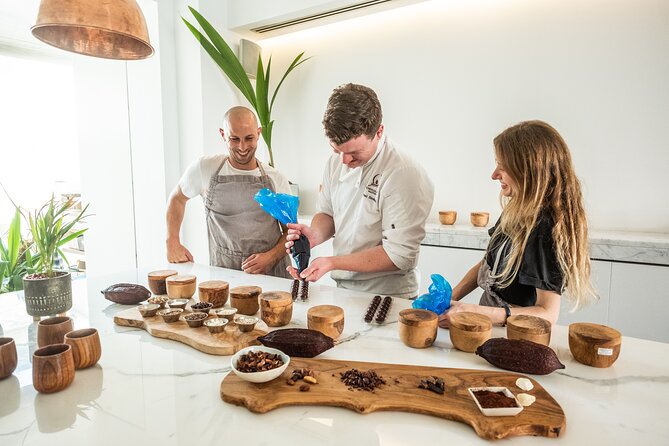
If you like chocolate, you’ll probably think you already know what chocolate is. Then you do this class and realize it’s really a chain of tiny choices: grind size, how the chocolate is handled, temperature control, and even when you taste.
This experience runs about 3 hours in the heart of Notting Hill, starting at 59 Ledbury Rd (W11 2AA). The promise here isn’t just learning terms like tempering and ganache. It’s doing the steps with provided ingredients and professional tools, then leaving with chocolate you made yourself.
For me, the appeal is simple. You get a guided practical workshop where the “magic” is actually repeatable technique. And because the group is kept to six people max, you’re not competing for attention while your chocolate is setting.
Your Hands-On Schedule: From Cocoa Beans to Finished Bars
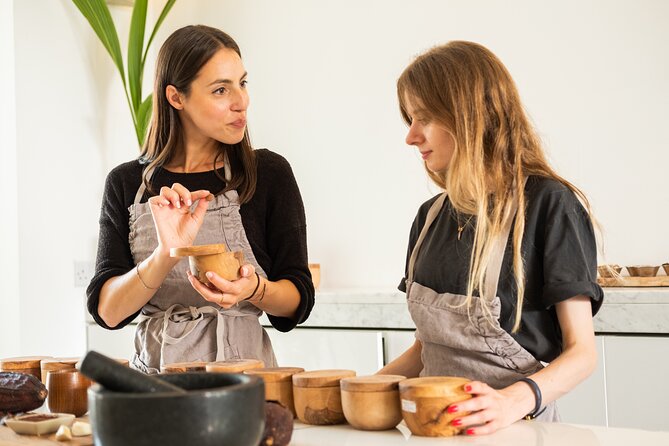
This class is structured around a chocolate making journey, with short moments that help you understand what’s happening. You’ll work through stages like cracking beans, grinding, tasting, tempering, and shaping your final pieces. Along the way, you’ll also learn sweets like ganache-filled bonbons and praline bonbons.
You can also read our reviews of more tours and experiences in London.
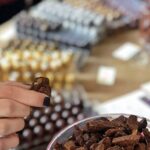

Cracking and winnowing cocoa beans (and why you should pay attention)
You start at the most primal part of the process: cocoa beans. You’ll crack and winnow them, separating what you need from what you don’t. It’s messy in a satisfying way, and it matters because bean quality and handling affect the final flavour.
Right away, you’ll understand something useful for home chocolate making: chocolate isn’t just a bar from a shop. It’s made from components you prepare. This stage also sets the tone for the tasting moments later.
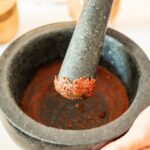
Grinding the beans with a pestle and mortar
Next comes grinding. You’ll use a pestle and mortar to grind the cocoa beans, which is slow enough that you can actually notice texture changes and smell shifts.
This is one of the most memorable parts for many people because it connects senses to process. The aromas feel stronger and more “alive” as the grind develops. It’s also a great reset from London sightseeing mode. This is hands-on focus time.
Tasting at each stage (so flavour changes don’t feel random)
A key feature here is tasting the chocolate as you move through stages. You’ll sample flavours early, then again later, so you can hear (through your mouth) what’s changing over time.
This matters because it makes tempering and shaping make more sense. When you’ve tasted the difference between stages, you stop asking if it’s good and start asking why it tastes the way it does.
Tempering: the stage where patience pays off
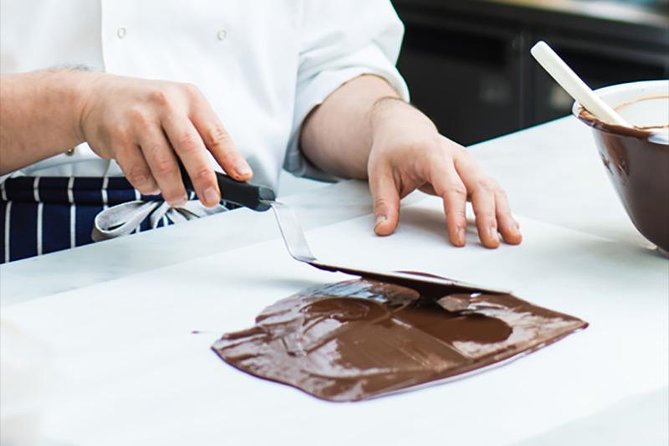
Tempering is where chocolate can turn from glossy and smooth to dull and disappointing. In this class, you’ll learn how to temper and then shape chocolate by piping or moulding into your very own bar.
Temper is temperature management. It’s technique, timing, and not rushing. With a small group, you get coaching during the moments that really matter. If you’ve ever melted chocolate at home and then watched it set weirdly, tempering is the fix—and the reason many workshops teach it.
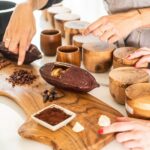
Enrobing and shaping bonbons
After the bar-making part, you’ll move into bonbons. The course includes learning how to prepare chocolate sweets, including enrobing bonbons.
This is a nice balance: bars show you tempering precision, while bonbons show you texture contrast. You get to work with centres and coatings, and that combination is what makes a good box of chocolates feel special.
What You’ll Make: Dark Bars, Ganache Bonbons, and Praline Crunch
The sample menu gives you a clear idea of your outputs. The hosts are able to make two dark chocolate bars, and you’ll learn ganache and create a dozen bonbons. You’ll also learn the signature praline bonbon, including its crunchy texture.
Here’s how to think about that, practically:
Dark chocolate bars: learning the right end result
Dark bars are a clean way to test your tempering skill. If tempering goes well, the bar looks and sets in a way that’s more “professional” than homemade melted-and-poured chocolate.
And because you make them (not just observe), you’ll get feedback in real time. That’s the big advantage of class format versus videos online.
Ganache and bonbons: where texture becomes a skill
Ganache is simple in concept and tricky in practice. The goal is a smooth filling that holds its texture and behaves properly when portioned.
Once you learn ganache and form your bonbons, you’ll see how centres and shells interact—how sweetness, fat, and cocoa notes land differently once they’re layered. Even if you’re not aiming to be a chocolatier at home, this is useful knowledge.
Praline bonbon: the crunchy signature
The praline bonbon is where you get contrast: creamy against crunchy. You learn Melt’s signature chocolate style described as crunchy praline, which is exactly what you want when you’re making chocolates meant to be eaten slowly, or given as gifts.
The “take-home” angle makes this even better. If you’re buying chocolate as a present, a praline-style piece feels more premium than a plain bar.
The History Thread: Aztecs, Cocoa, and Why It Feels More Meaningful
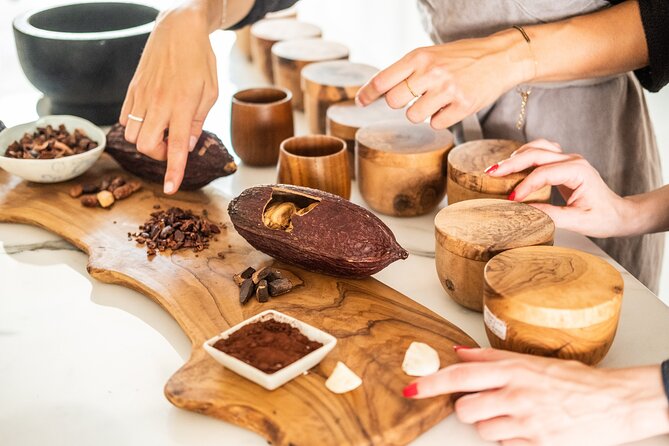
This class doesn’t treat chocolate as a modern product only. You’ll have some history woven into the experience, including the mention that the Aztecs created beautiful cocoa.
I like this approach because it ties the ingredient to a larger story. You’re not just learning to temper; you’re also learning why cocoa matters as a food and craft. When history is lightly threaded through hands-on work, it sticks without turning the room into a lecture hall.
Why the Small Group (Up to 6) Is More Than a Nice Detail
Lots of tours say small group. This one’s small enough to affect what you can do.
With a max of 6 travelers, you can realistically:
- get help when your chocolate hits the wrong temperature
- ask why a step matters while you’re still doing it
- move at a pace that lets technique sink in
This is especially true for tempering. If you’ve ever watched a video and thought, I could do that, but then your chocolate behaves differently at home, you’ll understand why coaching here matters. You’re not just making sweets; you’re learning to control a process.
Value for Money: $204.39 for 3 Hours of Real Training

At $204.39 per person for around 3 hours, this is not a budget activity. But it’s also not just paying for a dessert tasting.
You’re paying for:
- ingredient use (you’re actively making multiple items)
- professional tools and materials
- step-by-step guidance through bean-to-bar style work
- a small-group environment
- take-home packaging and a designer bag
If your goal is learning, the pricing makes more sense. One chocolate maker workshop can save you money later by helping you avoid failed attempts at home. And if your goal is gift-making, you’re leaving with multiple pieces you didn’t previously own.
Also, it’s often booked about 18 days in advance on average. That’s a good sign for demand, and it’s a reminder to reserve early if you’re traveling during a busy season.
Logistics That Matter: Where to Go, What to Bring, What You Get Back
Meeting point and end point
You’ll meet at 59 Ledbury Rd, London W11 2AA, and the class ends back at the meeting point. There’s no tricky “meet here then transfer somewhere else” energy.
Mobile ticket
You’ll get a mobile ticket. Bring your phone and make sure you can access the ticket without signal drama.
Transport not included
Transport isn’t included, so plan your route to Notting Hill yourself. If you’re walking from nearby areas, give yourself a few buffer minutes so you don’t arrive rushed.
What you take home
You take home your own unique chocolate bar and other made sweets. Packaging is described as beautiful, and you also get a designer bag, which is a big deal if you’re finishing your day and heading to dinner or shopping.
Who This Tour Suits Best (and Who Might Skip It)
I’d point you here if:
- you love chocolate and want to understand it as a craft
- you like hands-on lessons more than watching
- you’re interested in tempering and making sweets that look gift-ready
- you want something fun to do in Notting Hill that feels like more than a meal
I’d think twice if:
- you’re looking for a quick tasting only (this is about technique and making)
- you dislike any hands-on kitchen mess, even if it’s controlled
- you want transport handled for you (it’s not included)
Should You Book Melt’s Magical Master Class?
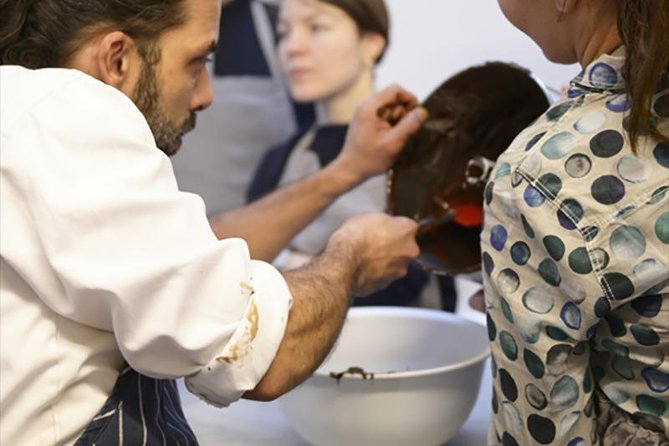
Yes, if you want a small-group chocolate workshop that teaches real technique and gives you plenty of what you made to enjoy (or gift). The combo of bean-to-bar steps, tempering practice, and bonbon-making is the kind of mix that makes the time feel worth it.
I’d book early because it’s capped at 6 and tends to fill (about 18 days in advance on average). And if you’re the type who likes learning by doing—this is exactly that.
FAQ
How long is Melt’s Magical Master Class?
It runs for approximately 3 hours.
Where does the class start?
The meeting point is 59 Ledbury Rd, London W11 2AA, UK.
Is the class offered in English?
Yes, it’s offered in English.
What’s the group size?
The class has a maximum of 6 travelers.
What items will I make during the class?
You’ll learn to make a dark chocolate bar, make ganache and create a dozen bonbons, and learn the praline bonbon.
What’s included in the price?
The class includes the chocolate class and chocolate ingredients.
Is transport included?
No, transport is not included.
Will I need paper tickets?
No. It’s a mobile ticket experience.
When will I receive confirmation?
You’ll receive confirmation at the time of booking.
What if my plans change?
You can cancel for a full refund up to 24 hours in advance of the experience start time.