REVIEW · LIMON
Puerto Viejo hands on chocolate making class. From bean to bar, get chocolatey!
Book on Viator →Operated by Talamanca Chocolate · Bookable on Viator
Chocolate starts on a tree, not a bar.
In Puerto Viejo (Limon), this hands-on class walks you from cacao history to fermentation, then turns the process into something you can actually do yourself—yes, with plenty of tasting along the way.
I especially like that it’s truly bean-to-bar education: you see the steps in order, learn what matters, and then make a bar using beans from their farm. Another big win is the amount of chocolate you get to sample, from different styles like bars and truffles to the chocolate you create at the end.
One thing to consider: this is a real outdoor farm setup. If you’re sensitive to bugs or you strongly dislike being around farm animals, plan accordingly, because the setting is part of the experience.
In This Review
- Key things I’d circle on your plan
- Why this cacao tree visit changes how you taste chocolate
- From cacao seeds to fermentation: where the magic really happens
- The hands-on bar-making part (and what you’ll actually learn)
- Tastings that make the process click: truffles, bars, and stage flavors
- What you take home: roasted cacao beans and fine chocolate
- Price and timing: how $47.37 holds up in real life
- Meeting point and getting there from Puerto Viejo
- Group size, vibe, and why this works for both adults and kids
- Possible watch-outs: outdoor farm life and chocolate expectations
- Who should book this Puerto Viejo cacao class
- Should you book it? My honest recommendation
- FAQ
- FAQ
- How long is the Puerto Viejo hands-on chocolate making class?
- What time does the tour start?
- Where does the class meet?
- What will I learn during the class?
- Will I make chocolate and take any home?
- Is this class good for kids?
- What’s the maximum group size?
- What if the weather is bad?
- Are service animals allowed?
Key things I’d circle on your plan
- Cacao tree first: history, culture, and even medicinal uses come before you touch the chocolate.
- Fermentation focus: you learn why this step shapes flavor, not just how to grind and mix.
- Make your own bar: you’ll work through the process step by step and leave with what you make.
- Lots of tasting: bars and truffles are part of the samples, not just one quick bite.
- Small groups: capped at 18 people, which keeps things personal.
- You leave with goodies: roasted beans and fine chocolate are included.
Why this cacao tree visit changes how you taste chocolate
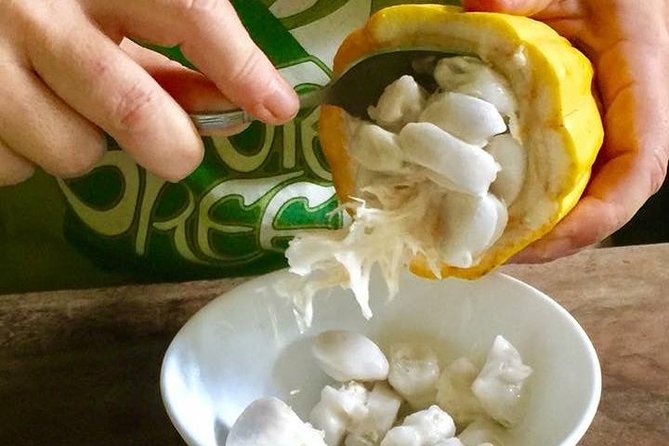
The class starts outdoors, with a walk to the cacao tree. It’s not a quick photo stop. You learn how cacao fits into local culture and traditions, plus how people have used cacao for medicinal purposes over time.
This matters because chocolate in a supermarket is basically a finished product. Here, you’re learning the plant’s story first, so when you taste later, you can connect flavor to decisions made during fermentation and processing. It turns chocolate from a treat into a food system.
Also, the instructor running the show—Ansel—brings the story with warmth and humor. The vibe stays relaxed, even when the info gets detailed, because you’re moving from concept to the real plant as the class unfolds.
You can also read our reviews of more tours and experiences in Limon.
From cacao seeds to fermentation: where the magic really happens
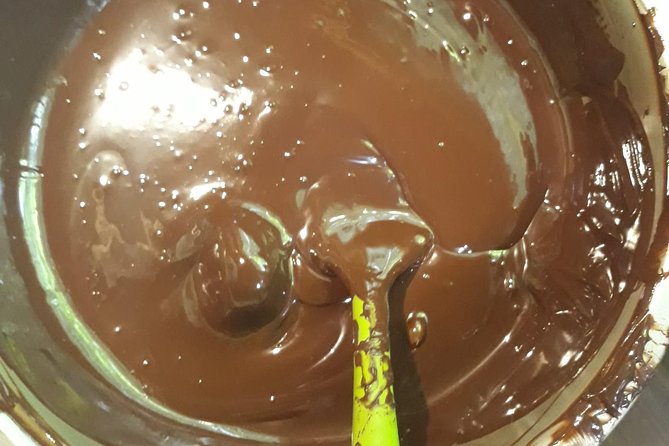
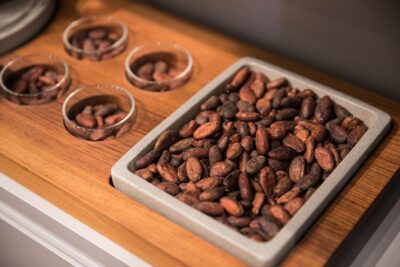
After the tree visit, you move to the chocolate making facility. This is where the lesson gets practical. You’ll learn about fermentation and the sequence that transforms cacao seeds into something you can roast, grind, and shape into chocolate.
Fermentation is the part most people skip when they think about chocolate. In this class, you don’t. You learn how fermentation affects flavor and why the timing and handling of beans matters. Even if you never plan to make chocolate at home, you’ll taste differences later with that context in your head.
The best part is that it’s not just talk. You get hands-on time that follows the steps the facility uses daily, and that structure makes the whole process feel logical. If you like learning by doing, this is your kind of workshop.
The hands-on bar-making part (and what you’ll actually learn)
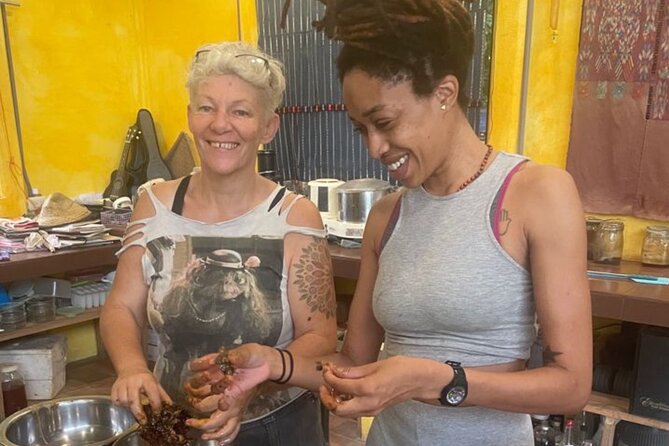
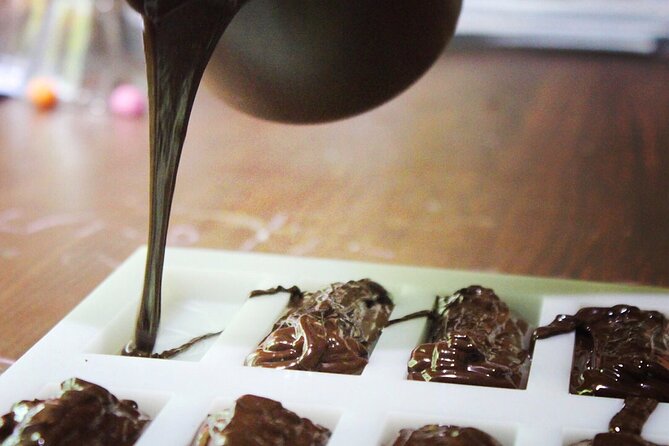
Then you make chocolate. The class centers on making a bar from beans they use from their own farm, working through the process step by step.
What you’re learning is more than a recipe. You’re picking up practical technique: how beans are handled through the stages, how roasting and processing affect the end result, and what changes when you prepare ingredients in the right order. You’ll also learn how they treat beans so the final chocolate tastes fine, not harsh or flat.
By the end, you’ll have created your own bar, plus you’ll have roasted beans as part of what you take home. That’s important. Many food tours end with you watching someone else cook. Here, you leave with the evidence that you can make it—at least the basics—yourself.
Tastings that make the process click: truffles, bars, and stage flavors
Sampling is built into the experience, not treated like a bonus. You’ll try multiple types of chocolate along the way, including items such as truffles and bars.
I like tasting in this context because it helps you understand what each stage is doing. Fermentation isn’t an abstract science lesson here. When you taste cacao and chocolate at different points, you start to notice how bitterness, sweetness, and aroma shift as the product changes.
One practical note: this class focuses on chocolate made from cacao, and you might find that the chocolate style is darker than what some people expect. If you’re a milk-chocolate-only person, you should know in advance that you may prefer the samples more than the final bar.
What you take home: roasted cacao beans and fine chocolate
You won’t leave empty-handed. You’ll take home roasted beans and fine chocolate, including chocolate you made during the workshop.
That take-home factor is where the value really shows up. For $47.37, you’re not only buying a class and tasting. You’re paying for ingredients and time that result in something you can keep: roasted beans (so you have the cacao basics) and chocolate you produced.
It’s also a great souvenir that’s less generic than packaged sweets. You can trace the story of your bar back to the tree and fermentation steps you learned that morning.
Price and timing: how $47.37 holds up in real life
At $47.37 per person, this is a mid-priced culinary activity, not a throwaway snack tour. The reason it feels fair is that you’re getting multiple layers for your money: education, hands-on work, and multiple tasting samples, plus a meaningful take-home.
Timing-wise, the duration is about 2 hours 15 minutes (approx.). In practice, food and conversation classes can run a bit longer, especially when questions keep coming. So I’d plan a flexible morning on either side of the 10:00 am start.
You’ll also want to book ahead. This one is commonly reserved about 15 days out on average, so if your trip dates are tight, lock it in early.
Meeting point and getting there from Puerto Viejo
The meeting point is listed at M64V+GM6, Limón Province, Puerto Viejo de Talamanca, 70403, Costa Rica. It also notes that the activity is near public transportation.
If you’re staying in Puerto Viejo proper, you may be able to reach it on foot depending on where you base yourself. If you’re using a scooter or bike, it’s easy to reach. If you’re relying on local transit, build in a little extra buffer just like you would for any morning tour.
The good news: the experience ends back at the meeting point, so you’re not stuck figuring out transport after class.
Group size, vibe, and why this works for both adults and kids
The class caps at 18 travelers. That limit is what keeps the session friendly instead of chaotic. In a group that small, questions are easier to answer, and you spend more time doing than waiting.
It’s described as good for both adults and kids. That makes sense for a cacao class: there’s a simple sensory element (taste), a visible process (seeds to chocolate), and a story thread (cacao history and use). Kids usually latch onto the making part fast, while adults often love the cultural context and the science of fermentation.
The atmosphere tends to feel relaxed. If you prefer a calm, hands-on food lesson instead of a fast-moving crowd tour, this fits that style well.
Possible watch-outs: outdoor farm life and chocolate expectations
This is the one section where I’d be blunt, because it can affect your day.
First, the setting is on a working farm outdoors. You should expect an environment with farm animals and insects around. If you hate flies, feel uneasy around animals, or are picky about how busy stations look, you might find the experience stressful rather than charming.
Second, there can be a lot of explaining. Some people love that depth. Others want more hands-on time sooner. If you’re someone who gets restless with long lectures, give yourself permission to refocus on the steps you’ll be practicing.
Finally, chocolate expectations: the class includes different chocolate forms, but you should assume it’s cacao-forward. If you need milk chocolate as your anchor flavor, you may be happier choosing smaller tastings and saving your favorite bites for later.
Who should book this Puerto Viejo cacao class
Book it if you want a food experience with real process, not just snacks. It’s perfect for:
- Food lovers who enjoy learning why flavors happen
- Families looking for a structured activity that’s still fun
- Adults who like hands-on workshops and want skills they can reuse later
It might not be your best match if:
- You strongly dislike outdoor farm conditions
- You expect a highly indoor, spotless kitchen vibe
- You only like milk chocolate and avoid darker styles
Should you book it? My honest recommendation
If you’re in Puerto Viejo and you care about chocolate beyond taste alone, this is an easy yes. The structure—tree history, fermentation education, then making your own bar—creates a strong learning arc. Add small group size, real hands-on work, and take-home roasted beans, and it becomes one of those morning activities that actually sticks with you.
I’d book with confidence if you can handle an outdoor farm environment and you’re open to darker, cacao-forward chocolate. If you’re not sure, check your own tolerance for bugs and animals before you commit.
FAQ
FAQ
How long is the Puerto Viejo hands-on chocolate making class?
It runs for about 2 hours 15 minutes (approx.).
What time does the tour start?
The start time is 10:00 am.
Where does the class meet?
The meeting point is M64V+GM6, Limón Province, Puerto Viejo de Talamanca, 70403, Costa Rica.
What will I learn during the class?
You’ll visit a cacao tree and learn about cacao history, culture, and medicinal uses. You’ll also learn about fermentation and the process of turning cacao seeds into a chocolate bar.
Will I make chocolate and take any home?
Yes. You’ll make a bar during the class, and you’ll leave with roasted beans and fine chocolate.
Is this class good for kids?
It’s described as great for both adults and kids.
What’s the maximum group size?
The maximum group size is 18 travelers.
What if the weather is bad?
This experience requires good weather. If it’s canceled due to poor weather, you’ll be offered a different date or a full refund.
Are service animals allowed?
Yes, service animals are allowed.