REVIEW · MINCA
Trekking History and Indigenous Heritage in Minca + Cacao & Coffee + Waterfall
Book on GetYourGuide →Operated by Macondo Project Tourism · Bookable on GetYourGuide
Jungle paths carry stories older than Minca. I love how this hike follows historic trails connected to Tayrona heritage, and how the stops explain the living legacy of indigenous communities like the Kogui, Wiwa, Arhuacos, and Kankuamos through everyday nature knowledge. One thing to consider: it’s a medium-difficulty trek, and food/transport aren’t included, so you’ll want to plan around that.
The farm visit is the other big win for me: you get a guided look at how cacao and coffee are grown and transformed by an Arhuaco family, plus a traditional tasting and time to talk with community members. You’ll also be in bilingual hands; guides such as Jorge, Andres, and Santiago have a reputation for explaining things clearly and sharing helpful context for your Santa Marta area stay. The main drawback is simple: you’ll want to respect the rules around culture and the fact that it runs rain or shine.
If you’re the type of traveler who likes your experiences grounded in place—trail history, real people, practical learning—this tour fits well. The waterfall finish is usually a highlight too, and since you may find a waterfall along the way, bring a swimsuit so you can actually use it when the moment shows up.
In This Review
- Key things I think are worth your attention
- Trekking Minca’s Tayrona-era trails: what the hike teaches you
- A realistic note on pace
- Cacao & coffee with an Arhuaco family: more than a farm stop
- The conversation is part of the value
- What you actually learn at the farm: cultivation, transformation, and worldview
- Tasting isn’t an afterthought
- The waterfall moment: why you should plan for water on the hike
- Price and logistics: how $41 adds up (and where it doesn’t)
- Timing matters
- What to pack for a medium hike in the Minca jungle
- Who this tour is best for (and who should skip it)
- Should you book Trekking History and Indigenous Heritage in Minca?
- FAQ
- Where do we meet for the tour?
- How long is the activity?
- What languages are available?
- How difficult is the hike?
- What should I bring if I want to enjoy the waterfall?
- Is food included?
- Can I cancel and get a refund?
Key things I think are worth your attention
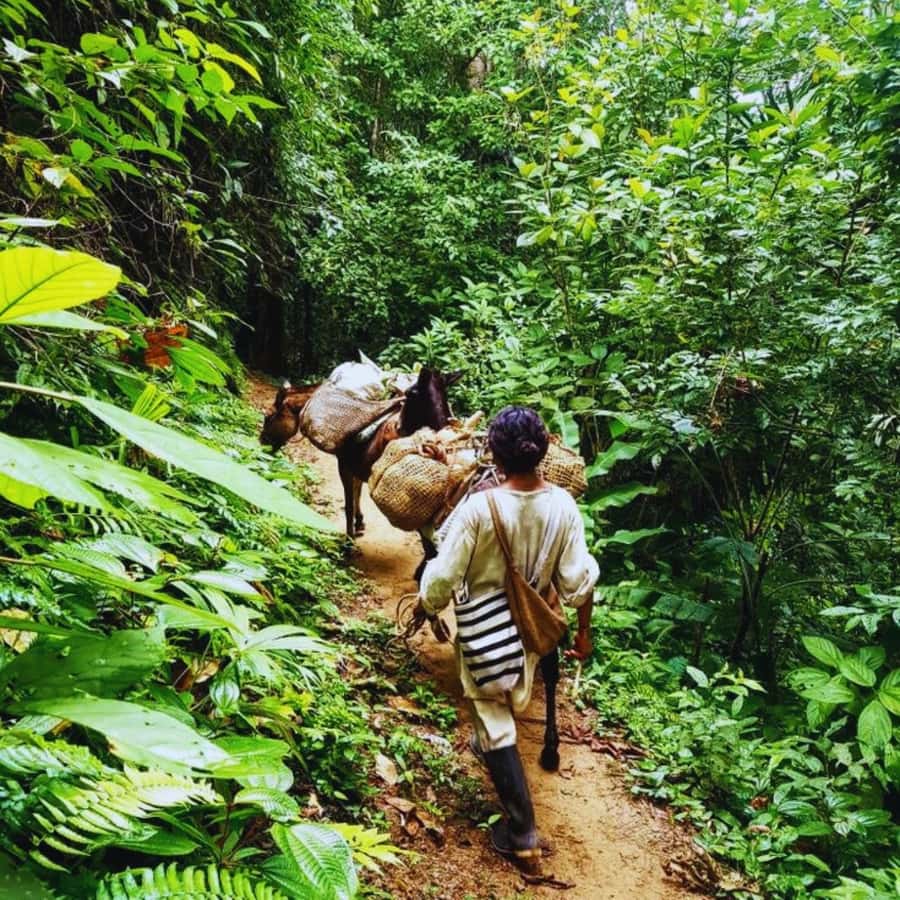
- Historic Tayrona-linked trails that make Minca feel layered, not random
- Arhuaco cacao and coffee taught through cultivation, transformation, and worldview
- Time for tasting and conversation, not just a quick photo stop
- Biodiversity on the way where the ecosystem and traditional practices connect
- A natural waterfall where cooling off is part of the design
Trekking Minca’s Tayrona-era trails: what the hike teaches you
The day starts at Parque de Minca, meeting your guide at the central park by the chapel. Right away, you’re not just walking to get a view. You’re walking to understand how indigenous communities held knowledge in the land long before tourism existed in this shape.
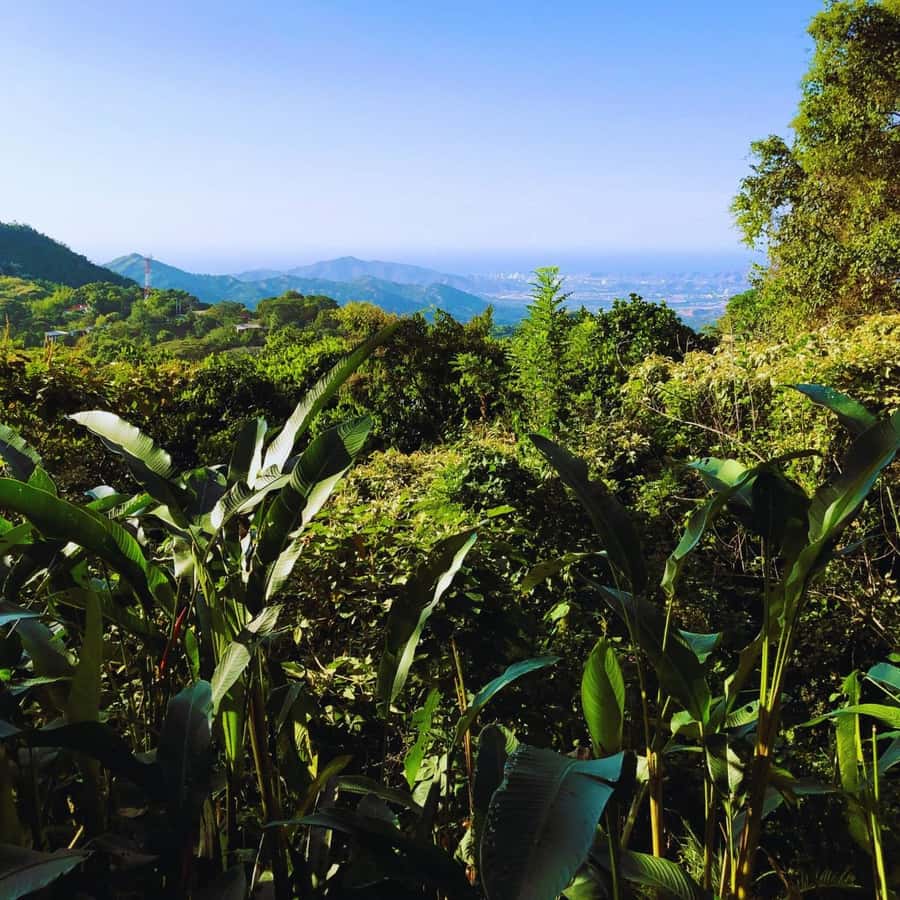
What makes the trail important is the way it’s described: the trek follows historic routes tied to the legacy of the Tayrona people, and it connects that legacy to communities who maintain ancestral knowledge today. You’ll hear about the Kogui, Wiwa, Arhuacos, and Kankuamos, and you’ll also learn how those connections show up in practical ways—how people move through the terrain, how they treat native vegetation as more than scenery, and how the ecosystem and traditional practices interact over centuries.
I like that this isn’t presented as museum history. It feels more like field notes: you’re noticing the environment while someone explains why it matters to the communities descended from the Tayrona. If you’re hoping for big, dramatic ruins, you won’t get that. But if you want the kind of understanding that makes Minca click, the trail does the heavy lifting.
A realistic note on pace
The tour is listed as medium difficulty, and the total time sits around 4–5 hours. That usually means steady walking, likely some steep sections, and the need to wear proper footwear—not fashion sneakers. If you’re easily wiped out on moderate hikes, you may feel it by the time you reach the farm and the waterfall. If you’re in decent shape, you should be fine, especially because there’s cultural context woven through the walk.
Cacao & coffee with an Arhuaco family: more than a farm stop
The main destination is Cabanas Bosque Cacao, where the guided portion runs for about four hours. This is where the tour shifts from trekking history to living practice.
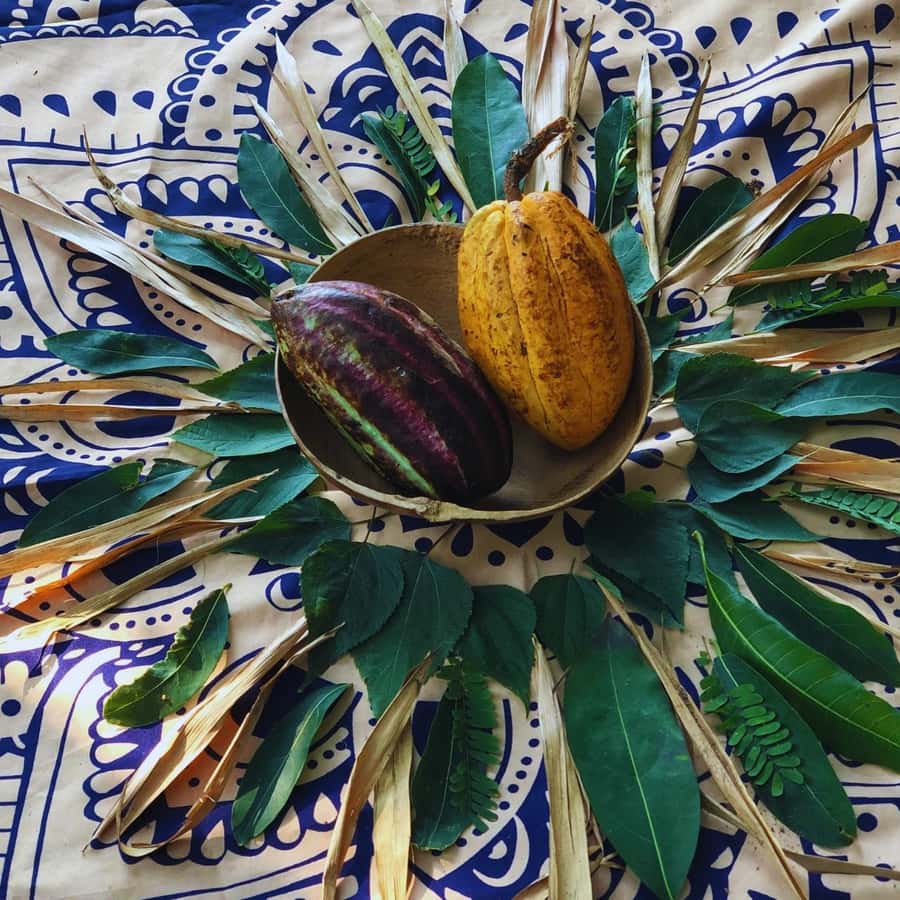
You’ll visit a cacao and coffee farm managed by an Arhuaco family. This matters because it’s not just about how cacao trees or coffee shrubs grow. You’ll hear about the family’s relationship with the land, how they cultivate and transform cacao and coffee, and how those activities fit into the indigenous worldview.
From a traveler’s point of view, that’s the real difference between a standard “coffee tasting” tour and a heritage-focused one: you’re not only learning steps in a production process. You’re learning why the process exists as part of cultural continuity—especially how traditions persist even as sociocultural changes happen around the territory.
The conversation is part of the value
You’ll also get time to talk with members of the Arhuaco community. In practice, this turns the visit from a lecture into a two-way exchange. I like that the experience gives you room to ask questions and get answers in a way that feels respectful rather than scripted.
In the best versions of this kind of tour, a family member explains things with warmth and patience. In the feedback I’ve seen, guides and community members like Jorge, Andres, and Santiago (and family members who explain clearly in English as needed) are praised for making the learning feel approachable, not rushed.
What you actually learn at the farm: cultivation, transformation, and worldview
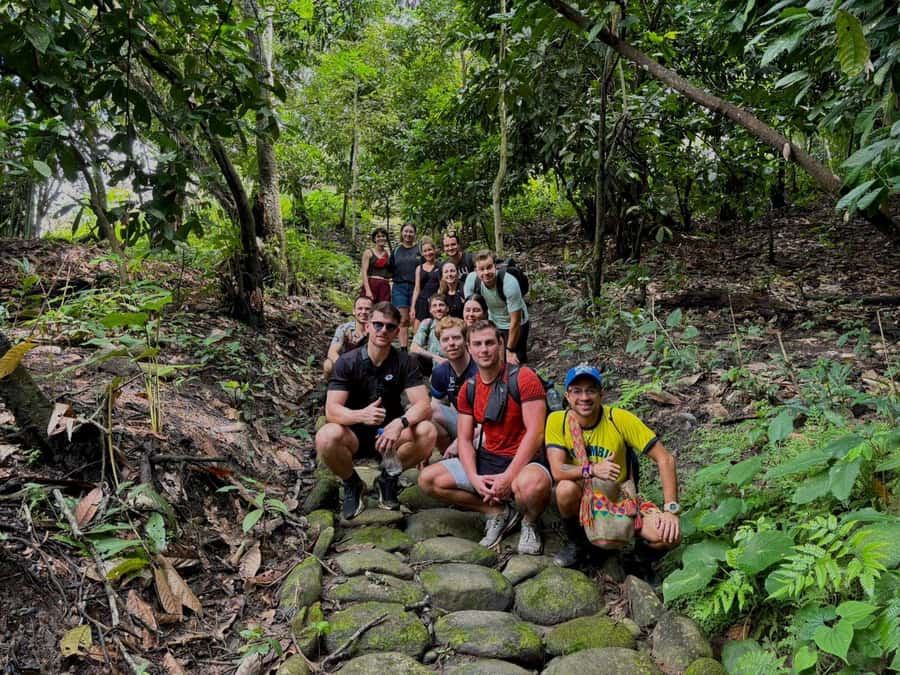
A lot of “coffee and cacao” tours stop at flavor. This one adds layers: cultivation and transformation, plus the indigenous meaning behind both.
Here’s what you should expect to learn:
- How cacao and coffee are grown within a family’s land practices
- How the products are transformed after cultivation (the basic process, explained on-site)
- How those products are used within the indigenous worldview
- How traditions have endured through social and cultural changes in the territory
That worldview piece is often the missing ingredient in typical tasting tours. Instead of treating cacao and coffee like random commodities, you’ll hear them framed as connected to identity, relationships with nature, and knowledge passed through generations.
Tasting isn’t an afterthought
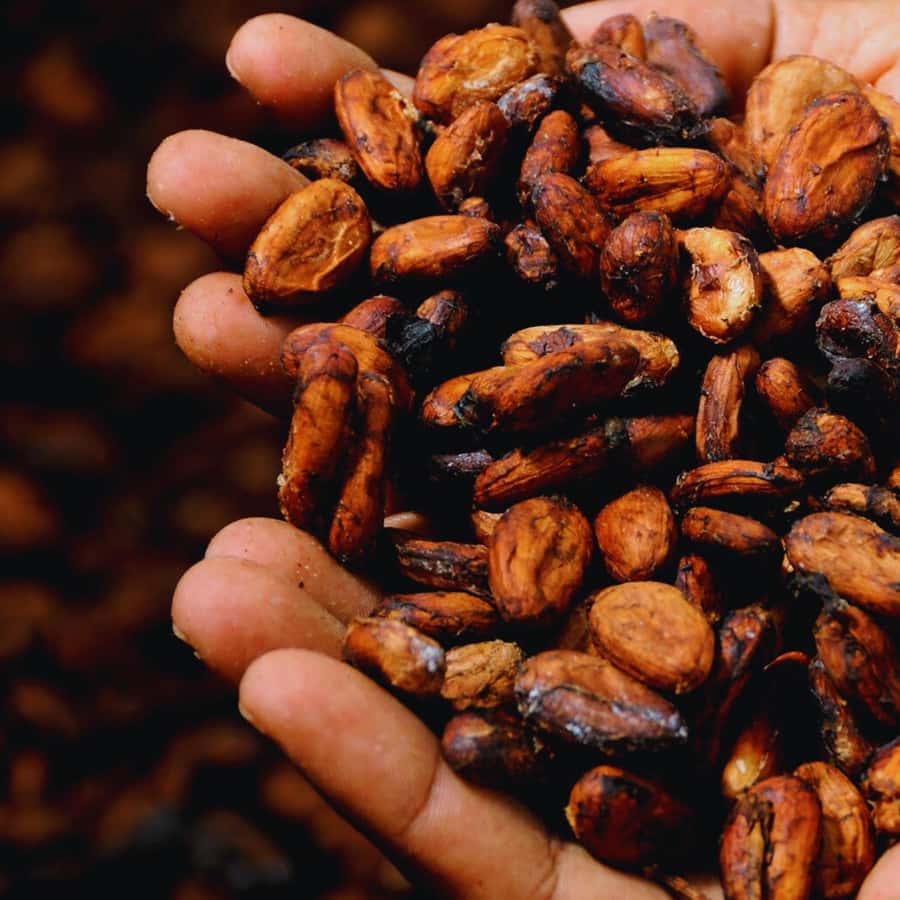
You’ll have traditional cacao and coffee tasting as part of the experience. It’s not the full meal replacement that some tours accidentally become; it’s a tasting. But it gives you a chance to pair what you hear with what you taste, which is how the learning sticks.
If you’re the type who likes asking, bring curiosity. Ask what surprised them about keeping these traditions, how they decide what to plant, or what they want outsiders to understand about the land.
The waterfall moment: why you should plan for water on the hike
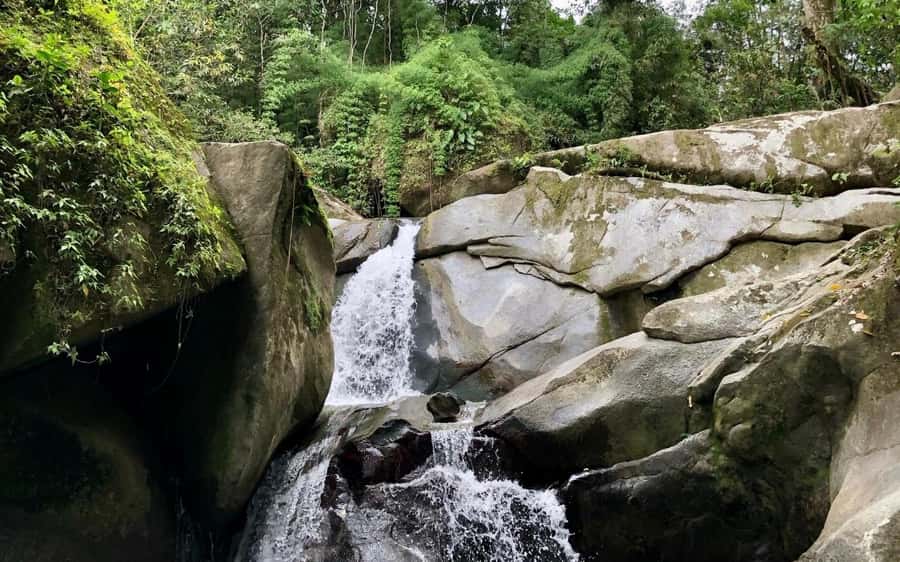
The tour doesn’t end the moment the farm visit finishes. You’ll get time to relax at a natural waterfall, and the experience treats that pause as part of the meaning—where the landscape and identity of the place are meant to connect.
There’s also an important detail: you may encounter a waterfall along the way, so you should bring swimwear. That’s not just a suggestion to keep things comfortable. It affects what you can actually do during the experience. If you leave your swimsuit at the lodge, you can still enjoy the waterfall area, but you’ll miss the chance to cool off if the opportunity appears.
In the feedback around this tour, the waterfall has been described as a perfect cooling stop after hiking down. That matches the design: the activity mixes walking effort with a natural reward, so you don’t have to imagine how it might feel. It’s meant to be used.
Price and logistics: how $41 adds up (and where it doesn’t)
At $41 per person for roughly 4.5 hours, this tour is priced like a mid-range experience for Colombia’s adventure-and-culture style. Here’s how the value math usually works out:
What you’re getting for the price:
- An experienced bilingual local guide specialized in indigenous history and culture
- A guided hike along nature trails with Tayrona heritage
- A visit to an indigenous coffee and cacao farm
- Explanations of cultivation and the indigenous worldview
- Traditional cacao and coffee tasting
- Time to talk with community members
- Access to a natural waterfall
- Direct contribution to indigenous community projects
- Assistance insurance during the activity
Where the cost doesn’t cover everything:
- Food and beverages are not included
- Transportation to/from Minca isn’t included (though you can request private driver contact info if you need help from Santa Marta to Minca or vice versa)
So, if you budget smart, it’s a strong deal. Plan to cover your own snacks or lunch. If you’re coming from Santa Marta, build in transport time and cost so you don’t scramble at the last minute.
Timing matters
Starting times vary, but the duration is listed as about 4.5 hours. That means you’ll want to keep your other plans flexible for the rest of the day—especially since it runs rain or shine except in extreme conditions.
What to pack for a medium hike in the Minca jungle
Packing isn’t optional here; it’s how you stay comfortable for a few hours outdoors. Use the tour’s guidance as your checklist and you’ll be set.
Bring:
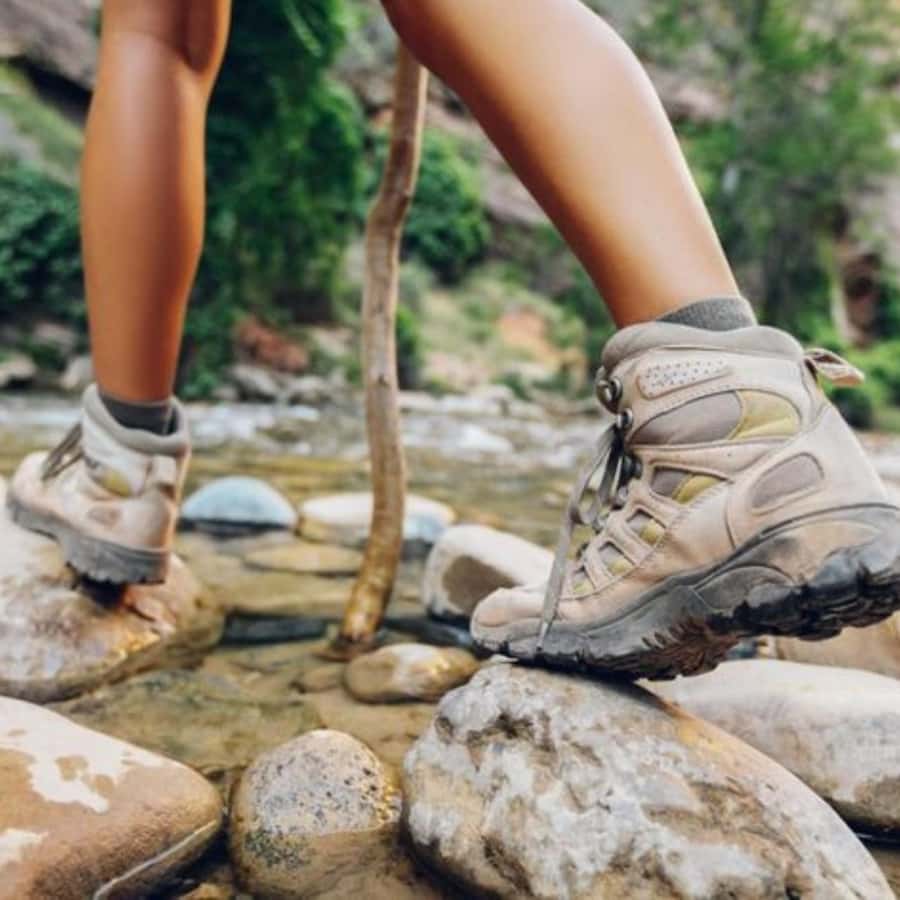
- Comfortable shoes (and/or hiking shoes)
- Sun hat
- Suncreen plus biodegradable sunscreen
- Swimwear (because a waterfall may show up)
- Biodegradable insect repellent
- Hiking pants
- Reusable water bottle
- Trekking gear if you have it
Also keep the rules in mind:
- No weapons or sharp objects
- No intoxication or alcohol/drugs
- No littering
- No nudity
And one more practical note: since the tour is cultural and community-focused, you’ll want to follow instructions from the indigenous community staff during the farm visit. When that happens smoothly, the whole day feels more respectful and more enjoyable.
Who this tour is best for (and who should skip it)
This is ideal if you want a mix of:
- Culture + biodiversity
- A real learning experience around cacao and coffee
- A hike that’s not extreme, but still active
- A waterfall finish that feels earned
It’s not the best fit if:
- You need wheelchair accessibility (it’s not suitable)
- You’re traveling with children under 12 years (not suitable)
- You’re aiming for a very easy walk with minimal walking (difficulty is medium)
- You’re outside the age guidance (not suitable for people over 95 years)
If you’re comfortable walking for several hours and you like learning from local experts, you’ll probably get a lot out of this. If you’re more into purely laid-back Minca wandering, you might prefer a shorter, lower-effort plan.
Should you book Trekking History and Indigenous Heritage in Minca?
Book it if you want Minca to mean something beyond “green views.” This tour connects trails, indigenous heritage, and a farm visit to show how knowledge lives in everyday work—especially through cacao and coffee. The waterfall stop adds a satisfying payoff, and the guided nature of the experience keeps you from missing the story while you walk.
Skip it if you’re mainly chasing a light stroll or if you don’t like hikes with a steady pace. Also, because food and beverages aren’t included, make sure you’re ready to handle your own meals so the day doesn’t feel underpowered.
If you value respectful cultural context, practical learning, and a day that feels grounded in place rather than staged, I think you’ll be happy you booked.
FAQ
Where do we meet for the tour?
You meet the guide at Minca Central Park, where the central chapel is located. The tour ends back at the same meeting point.
How long is the activity?
The activity lasts about 4.5 hours (the info notes approximately 4–5 hours total). Check availability for the specific starting times.
What languages are available?
The live guide is available in English and Spanish.
How difficult is the hike?
The difficulty level is listed as Medium. Good physical condition is recommended.
What should I bring if I want to enjoy the waterfall?
Bring swimwear, since you may encounter a waterfall along the way. Also pack items like sunscreen (biodegradable), biodegradable insect repellent, and comfortable hiking shoes.
Is food included?
No. Food and beverages are not included, so plan to bring or buy your own.
Can I cancel and get a refund?
Yes. The tour offers free cancellation up to 24 hours in advance for a full refund.