REVIEW · MEDELLIN
Coffee & Chocolate Private Tour in Medellin: Genuine Experience
Book on Viator →Operated by MedellinDayTrips · Bookable on Viator
Food tastes better when you earn it uphill. This private Medellín outing pairs hands-on coffee and cacao with real farm families and countryside views. You get door-to-door pickup in El Poblado or Laureles, so the day feels easy from the first minute.
I love how much of the process is practical, not just watch-and-photos. You’ll drink Colombian coffee, pick beans by hand, then move to cacao to learn harvesting, fermentation, drying, wood-fire roasting, and grinding. I also like that the guide is with you the whole time as a true private group, so you can ask questions and go at your pace.
The main drawback to plan for is the steep 800-foot hike to reach the coffee area. It’s short, but it’s on natural terrain and can be slick if it’s wet, so good shoes matter.
In This Review
- Key things that make this tour worth it
- Private pickup and the mountain drive north of Medellín
- Reaching the coffee farm: the short steep hike and what to wear
- Picking beans and learning traditional coffee processing
- Coffee brewing and an authentic farm lunch with lemonade
- Cacao farm learning: pests, plantation care, and harvesting cacao pods
- Fermenting, drying, wood-fire roasting, and grinding cacao
- Crafting your own chocolate bar: flavors, molding, and setting
- Value check: is $179 a good deal for a private day out?
- Who should book this tour (and who should think twice)
- Should you book Coffee & Chocolate Private Tour in Medellín?
- FAQ
- How long is the coffee and chocolate private tour in Medellín?
- Is this a private tour?
- Where do you get picked up and dropped off?
- What’s included in the price?
- Is breakfast included?
- Is there hiking involved?
- What should I wear for the hike?
- Can I buy coffee or chocolate during the tour?
- What happens if the weather is poor?
- What’s the cancellation window?
Key things that make this tour worth it
- Private time with a bilingual guide from hotel pickup to drop-off
- A real uphill hike (about 800 feet) to get to the coffee farm views
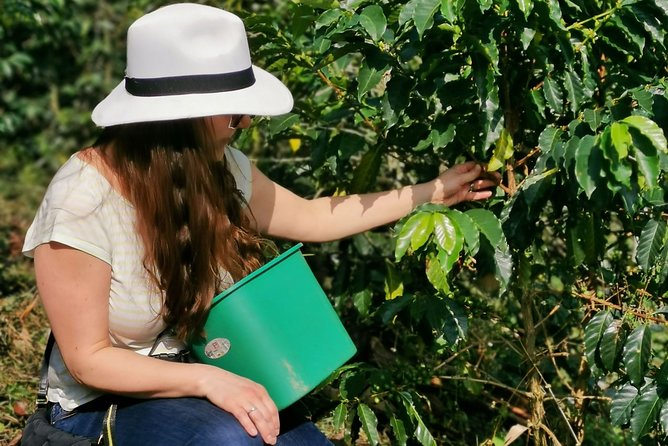
- Hand-harvest coffee and cacao pods so you’re not just observing
- Traditional farm processing steps, from depulping and fermenting to wood-fire roasting
- You make your own chocolate bar, mixing flavors and molding it fresh
- Lunch with farm-made lemonade and a mountain view, not a generic restaurant meal
Private pickup and the mountain drive north of Medellín
This is the kind of day trip that starts feeling good before you even reach the farms. If you’re staying in El Poblado or Laureles, pickup is arranged so you don’t have to figure out a meeting point or fight traffic. From there, your driver takes over, which means you can actually look out at the scenery instead of white-knuckling navigation.
You’re heading north from Medellín, and the change in setting is part of the point. The farms aren’t right beside the city. You’re going into the hills where coffee and cacao are grown the way it’s been done for generations—because that’s where the plants are, not because it’s convenient for tourists.
It’s also a small detail that adds up: you’re in an air-conditioned vehicle. Medellín weather can be unpredictable, and on a long day out, having comfort on the road helps you stay present when you start walking, tasting, and learning.
If you care about agriculture, this format works well. You’ll have uninterrupted guide time on the route (questions, context, and the “why” behind the craft), and you won’t feel rushed between stops.
You can also read our reviews of more tours and experiences in Medellin.
Reaching the coffee farm: the short steep hike and what to wear
The coffee experience begins with cacao farmers and a trail setup that’s very “farm real,” not road-access easy. First, you park your vehicle at the cacao area and start a hike up toward the coffee farm. The climb is about 800 feet (around 250 meters). The time is short—roughly 10–15 minutes uphill—but the terrain is natural and can be steep.
This is the moment where I’d plan like a responsible adult: wear trekking boots or shoes with good grip. If there’s been rain, the trail can be slick. You can take breaks as needed to catch your breath and enjoy the views. That flexibility matters, because the trail isn’t designed to be a “beat the clock” challenge.
Once you arrive at the coffee farm, it’s more than a scenic photo stop. You’re greeted with a cup of premium Colombian coffee, which sets the tone. Then a coffee expert explains Colombia’s coffee culture in a way that connects to what you’ll do next.
If you’ve only had coffee as a beverage, this part helps you see it as a system: plant care, harvest timing, and processing methods all affect flavor. You don’t need to be a coffee nerd to get it—your guide will make the steps clear and connected.
Bottom line: this segment is the strongest argument for packing right. You’ll enjoy the rest more because you’ll feel steady on your feet.
Picking beans and learning traditional coffee processing
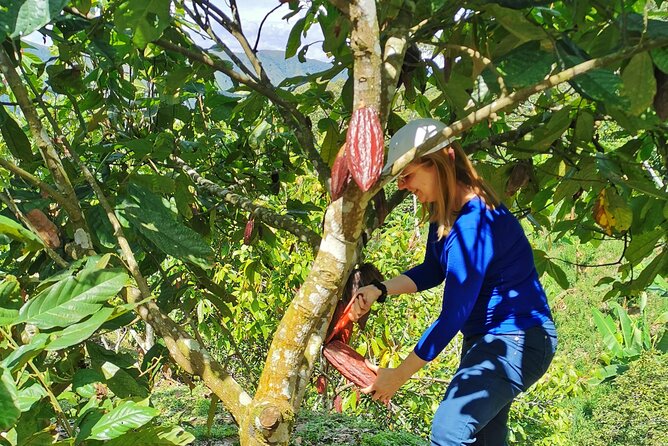
After the intro coffee, you shift from tasting to doing. At the coffee plantation, you pick beans by hand. That hands-on step is small, but it changes how you understand coffee. You start to notice that it’s not one “thing.” It’s careful selection and the right ripeness.
Then you learn how coffee gets processed through traditional artisanal methods—specifically the steps tied to depulping, fermenting, and drying. You’ll hear how each stage supports flavor and reduces issues. The important takeaway isn’t just the checklist. It’s that coffee is a timing-and-control craft: ferment too long or dry too unevenly, and the cup can change.
One of the best parts of this day is that you’re not only walking through stages. The guide ties the work to what you’ll taste later. When you return to the brewing part of the day, it makes more sense because you’ve already seen what produces the raw material.
And because this is private, you can ask follow-up questions without feeling like you’re interrupting a group flow. That’s often what turns a “good day trip” into a day you actually remember.
Coffee brewing and an authentic farm lunch with lemonade
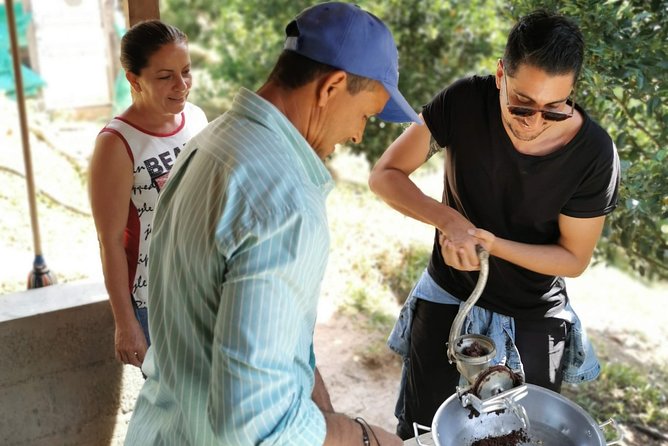
At some point after the coffee work, you’ll brew coffee using two traditional methods. This matters because it shows how preparation can pull different flavors out of the same beans. It’s also a good reset between hands-on tasks—your senses can catch up.
Then comes lunch, and this is one of the highlights. You get a regional meal with a stunning view, plus fresh farm-made lemonade. This isn’t framed as a fancy show. It’s framed as a family meal tied to farm life. That’s why it tends to feel more authentic than the usual “tourist lunch with a view.”
After lunch, there’s an extra practical perk: you can buy freshly roasted coffee from the people producing it. That’s a real value moment for me. You’re not relying on a souvenir shop label. You’re tasting something, learning how it’s made, and then having the option to take that taste home while it’s still fresh.
You’ll also be walking briefly toward the cacao experience afterward—another reminder that this is an active day, not a sit-down tour.
Cacao farm learning: pests, plantation care, and harvesting cacao pods
After coffee, the day pivots to chocolate in a way that makes sense: cacao is the plant, the plantation is the ecosystem, and production starts long before anyone grinds cocoa.
You’ll get an introduction that covers:
- global history and how chocolate is produced
- how to maintain a healthy cacao plantation
- common cacao pests and sustainable ways to handle them
That’s a lot of information, but the point isn’t memorizing terms. It’s understanding that chocolate quality depends on the health of the trees and the care farmers put into managing problems without wrecking the plantation.
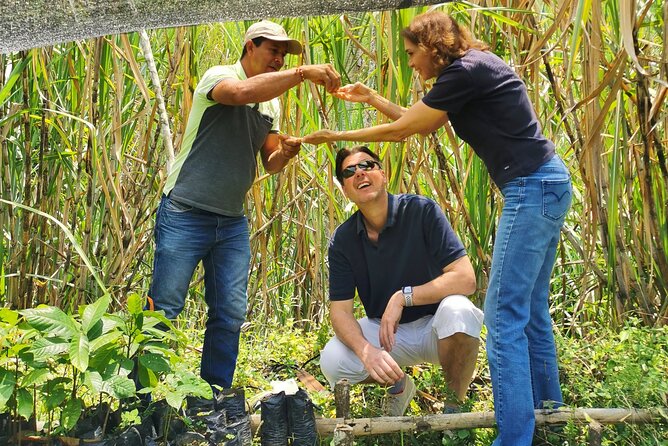
Then you step into harvesting cacao. You stroll through the plantation and look at cacao plants in their natural environment, alongside other local crops. This helps you see cacao as part of a mixed farm system rather than a single-purpose factory crop.
What I like here is the balance: you get practical context (what can go wrong, how farmers work around it), then you move into the physical reality of the pods. It’s a smooth transition from theory to hands-on work.
And if you care about sustainable farming, this section gives you enough grounding to talk about it intelligently, not just repeat slogans.
Fermenting, drying, wood-fire roasting, and grinding cacao
Back at the cacao farm, you work through the stages that turn raw cacao into chocolate. The first step is extracting the sweet raw seeds from the cacao pods. You can taste the raw seeds too. That flavor contrast is one of the clearest ways to understand why processing matters.
Then the seeds go into wooden boxes for fermentation for six days, followed by drying for 5–10 days in a solar greenhouse called a marquesina. Hearing the timeline is useful because it explains why chocolate production isn’t fast. It’s patience plus controlled conditions.
Next comes roasting over a wood fire. This gives the chocolate a subtle smoky flavor, and it also signals something important: farmers use local heat sources and traditional techniques, not only industrial equipment.
After roasting, you remove the husks by hand—yes, with your nails—and then grind the beans until they melt from the friction. It’s a hands-on moment that turns abstract chocolate into a real food process.
This is also where your senses kick in: you’ll smell the roast, feel the transformation, and understand why chocolate can taste different across regions and farming practices. You’re not just “making chocolate.” You’re witnessing why flavor is built step by step.
Crafting your own chocolate bar: flavors, molding, and setting
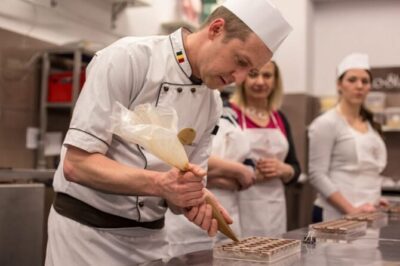
Now for the fun part: creating your own chocolate mixture. Your guide provides ingredients, and you mix freshly ground chocolate with options like powdered milk, vanilla, green pepper, salt, lemon zest, or ginger—choose based on what sounds good to you.
This section is practical and playful. It’s not a chemistry lecture. It’s flavor experimentation with real input from the process you just watched. If you’ve ever wondered how chocolate flavor profiles change, this is a hands-on answer.
Once you’ve mixed your chocolate, you’ll mold it and place it in the fridge to set. That last step is what makes it feel complete. You leave with something tangible: your chocolate, made from beans that were processed through the steps you just saw.
I also appreciate that this experience doesn’t make chocolate feel distant. It’s food grown, processed, and crafted by farmers with daily routines. That’s the “non-touristy” value here—less performance, more reality.
Value check: is $179 a good deal for a private day out?
At $179 per person, you’re paying for a private, full-day farm experience—not just transportation. Here’s what you’re getting that supports the price:
- Private bilingual guide for the day
- Air-conditioned vehicle
- Pickup and drop-off at your place in El Poblado or Laureles
- Entrance fees for coffee and cacao farms
- Lunch (plus fresh farm lemonade)
- Hands-on experiences tied to both coffee and cacao
The cost makes more sense when you consider what’s usually extra on similar days: farm entrances, guide time, and a proper meal. You also get more than one “activity.” You get coffee processing, brewing, then cacao processing through fermentation, drying, roasting, grinding, and bar-making.
Yes, you’ll spend part of the day hiking and walking between stops. But that physical element is what keeps the experience grounded in real farm work.
This is also a small group by design. Your private setup means you’re not fighting for attention, and that’s where you get the most value: ask questions, slow down when you need to, and actually connect the steps.
Who should book this tour (and who should think twice)
This tour is a strong fit if you:
- love coffee and want to understand how flavor is made
- enjoy hands-on food experiences more than museum-style watching
- want a private day trip with hotel pickup in Medellín
- care about how cacao is farmed and processed, not just the final chocolate
It’s not ideal if you:
- have trouble walking steep natural trails
- hate hikes in uneven terrain (even though this one is relatively short)
- expect a fully flat, low-movement day
A quick practical note that comes up in real-world planning: sunscreen and insect repellent can help, since you’re outdoors during hikes and farm walks. Bring light layers too, because hill weather can shift.
Should you book Coffee & Chocolate Private Tour in Medellín?
If you’re deciding between another city activity and a day in the hills, I think this is a book-now choice—with one condition: respect the hike.
For the price, the best part isn’t only that you taste coffee and chocolate. It’s that you see the full chain from plant to processing to finished product. The private setup (with guides such as Lau, Laura, or Sara, based on past departures) also makes the day feel personal and paced to your questions, not a script.
If your body can handle a short steep trail and you’re excited to get hands-on, this is the kind of tour that turns cravings into knowledge—and gives you chocolate and coffee with a story behind it.
FAQ
How long is the coffee and chocolate private tour in Medellín?
It runs about 8 hours 30 minutes.
Is this a private tour?
Yes. Only your group participates.
Where do you get picked up and dropped off?
Pickup and drop-off are included for stays in El Poblado or Laureles.
What’s included in the price?
The tour includes lunch, air-conditioned private transportation, pickup/drop-off, a private bilingual guide, and entrance fees for the coffee and cacao farms.
Is breakfast included?
No, breakfast is not included.
Is there hiking involved?
Yes. There’s an about 800-foot steep hike to reach the coffee farm area. You can stop as much as you need, but you should be prepared for uneven terrain.
What should I wear for the hike?
Wear trekking boots or shoes with good grip, especially if the ground is wet.
Can I buy coffee or chocolate during the tour?
Yes. There’s an opportunity to purchase freshly roasted coffee, and you can also buy coffee and chocolate made at the farms.
What happens if the weather is poor?
The experience requires good weather. If it’s canceled due to poor weather, you’ll be offered a different date or a full refund.
What’s the cancellation window?
You can cancel up to 24 hours in advance for a full refund.