REVIEW · PARIS
Become a Chocolate Master! Chocolate Bar Workshop in Paris
Book on Viator →Operated by Rrraw Cacao · Bookable on Viator
You can watch chocolate become chocolate—fast. This Paris workshop takes you from cacao to bar with hands-on steps, plus tasting comparisons. You get a small group, guided in English, so questions don’t float off into the ether.
I especially love the clear, step-by-step workflow (melting, tempering on marble, filling molds) and the fun tasting part where you compare cocoa in different forms. One thing to keep in mind: the chocolate used can be pretty dark, so if you prefer very sweet milk chocolate, you may want to plan for a more intense flavor profile.
In This Review
- Key things to know before you go
- A small-group chocolate workshop on Rue de Mulhouse
- From cacao tree to chocolate bar in about 2 hours
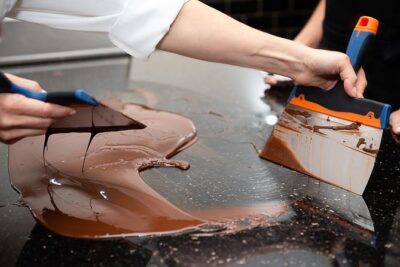
- Tempering on marble: the skill behind the snap
- Melting, molding, and decorating your own bars
- Cocoa tastings: raw vs roasted vs bar vs truffles
- Who teaches and why it feels personal (Hugo and Sébastien)
- Price and value: is $117.16 worth it?
- What to expect on the day: timing, pace, and comfort
- Who should book this chocolate bar workshop?
- Should you book Rrraw Cacao’s Chocolate Bar Workshop?
- FAQ
- Where does the chocolate bar workshop start?
- How long is the workshop?
- What language is the workshop taught in?
- How big is the group?
- What will I learn and make?
- Is there tasting during the workshop?
- What time options are available?
- How much does it cost?
- What is the cancellation policy?
Key things to know before you go
- Small group up to 7 people means more instructor attention and less waiting around
- Marble tempering is the practical skill you’ll get to try, not just watch
- Make your own bars with toppings, so you leave with something you crafted
- Cocoa tastings include raw beans, roasted beans, bar chocolate, and truffles
- Morning or afternoon times let you fit it into your Paris day
A small-group chocolate workshop on Rue de Mulhouse
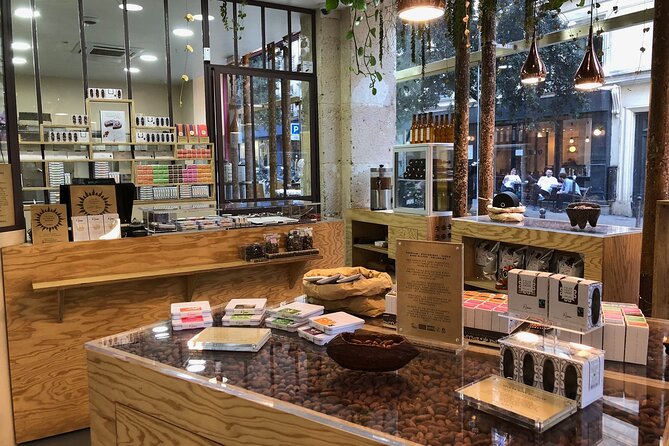
The workshop starts at 8 Rue de Mulhouse in the 2nd arrondissement, near public transportation. The location is convenient for building a chocolate session into a normal Paris itinerary—no long hops, no awkward “where exactly is this?” scavenger hunt.
You’ll be in a group capped at 7 travelers, which matters more than it sounds. Chocolate-making is hands-on, and real tempering requires attention. With a smaller class size, you’re more likely to get individual help when something looks or feels off (and it’s normal for it to be a little tricky the first time).
This is an English-taught experience, and you’ll get a mobile ticket. If you’re the type who likes to plan, note that confirmation is provided within 48 hours of booking, based on availability.
You can also read our reviews of more tours and experiences in Paris.



From cacao tree to chocolate bar in about 2 hours
This is not a lecture tour. It’s a guided process where you learn the chain of decisions that turns cacao into a bar you can eat without it turning grainy or dull.
Here’s the flow, in plain terms:
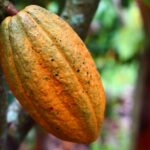
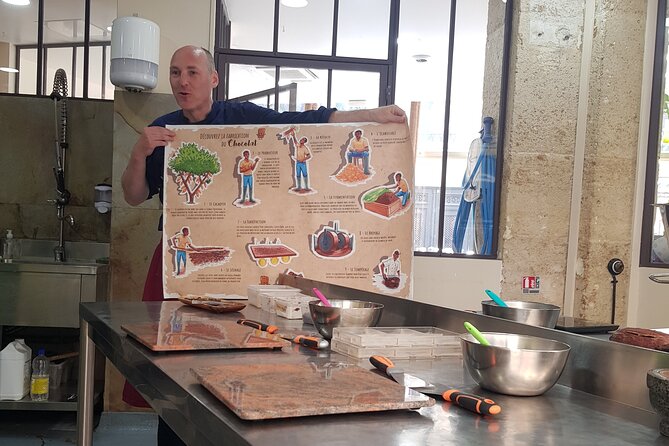
You start with context: the history of chocolate and what’s really happening between the cacao tree (Theobroma cacao) and the chocolate bar. That background helps you understand why the later steps are so specific—chocolate isn’t just melted sweets. It’s a system of cocoa solids and cocoa butter that needs the right handling.
Then you move into the practical portion. You’ll learn the main stages, including:
- melting the chocolate
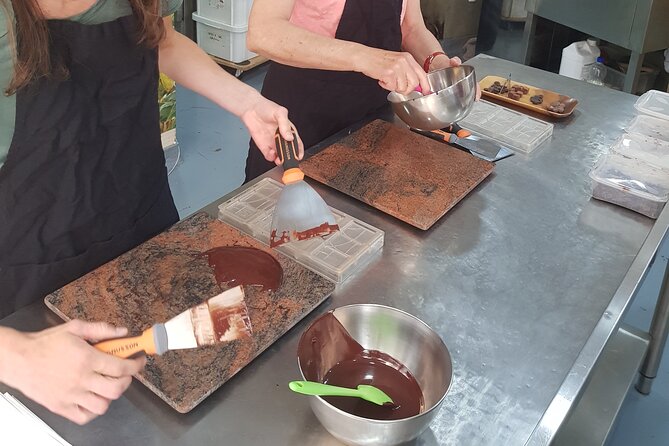
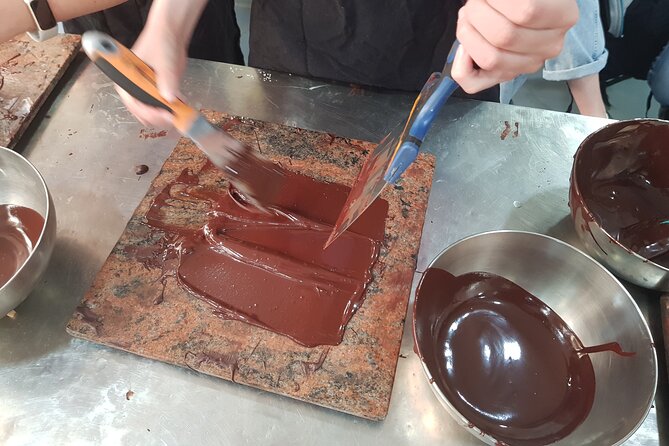
- tempering it (the key technique) on a marble
- filling the molds
- adding toppings and finishing your bars
It’s paced for a 2-hour format, so you won’t get bored. You’ll also see how the workshop breaks the process into small steps you can actually follow.
Tempering on marble: the skill behind the snap
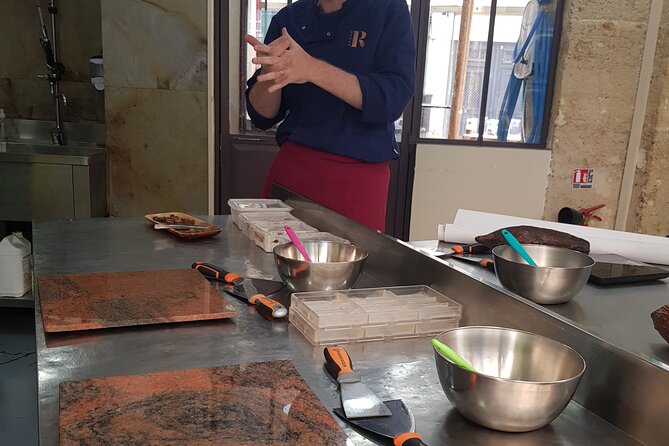
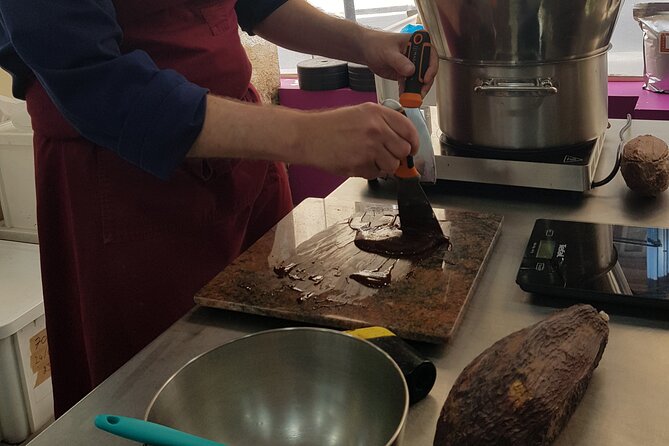
If there’s one moment that feels most “wow, I get it now,” it’s tempering on a marble. Tempering is what helps chocolate set with the right texture—so it has that satisfying snap and a more polished look. It also helps explain why chocolate can go wrong when it’s treated like normal candy.
Even if you’re not a cooking person, this is the part where the instructor’s guidance earns its keep. Tempering isn’t just technique. It’s timing and temperature control, plus attention to how the chocolate behaves.
In the workshop, you’ll learn the steps and then put them into practice. You’ll work with chocolate through the tempering stage, then move on to filling molds. It’s a short experience, so you’re not going to become a chocolatier overnight—but you will leave knowing what tempering is trying to accomplish, not just copying a motion.
Melting, molding, and decorating your own bars
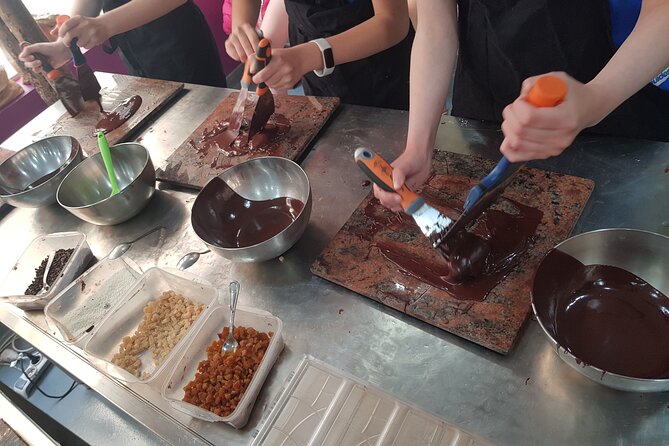
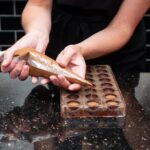
After tempering, the workshop shifts from technique to creativity. You’ll fill the molds and then decorate your bars. That’s where the experience turns into something personal: you’re not waiting for a product to appear. You’re producing it.
Based on past participants, you can make multiple bars and add toppings. One review specifically noted making four bars with yummy toppings. That’s the kind of payoff that makes a workshop like this feel more than just a tasting event.
Also pay attention to the style of chocolate you’re working with. In at least one experience, participants mentioned the chocolate was pretty dark. If you like intense cocoa flavors, great. If you’re mostly a milk-chocolate person, you might find it more satisfying to look at the toppings you can add as part of balancing the taste.
Cocoa tastings: raw vs roasted vs bar vs truffles
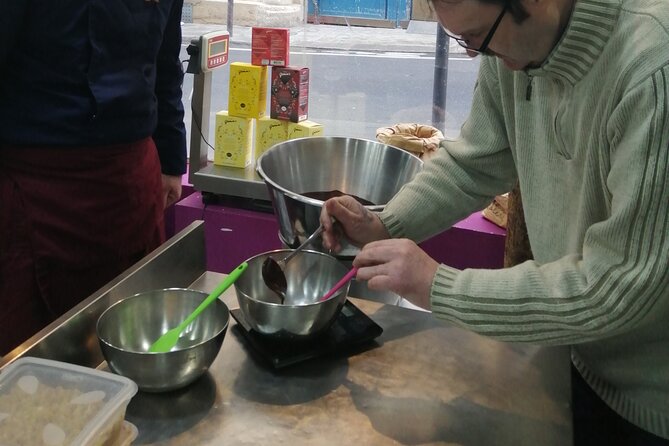
The tasting isn’t random samples. It’s structured so you can taste the differences cocoa changes through processing and form.
You’ll get to degust different types of cocoa, including:
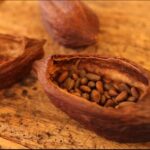
- cocoa beans raw
- roasted cocoa beans
- chocolate bars
- truffles
This is surprisingly educational. Raw cacao tends to taste more vegetal or earthy. Roasted beans move toward deeper, toasted, and more chocolate-forward flavors. Then you taste bar chocolate and truffles, and you can link how processing and added ingredients change what ends up on your tongue.
If you’ve ever wondered why the same “cocoa” can taste completely different, this part gives you a direct answer you can remember later when you’re picking bars in Paris.
Who teaches and why it feels personal (Hugo and Sébastien)
The best kind of small workshop is the one where the guide can handle questions without rushing. This experience is taught by Sébastien (and also includes Hugo in past groups), and the teaching style described in feedback is exactly what you want for something technical like tempering.
In English, you should expect explanations that connect history and sourcing to what you’re physically doing. One participant highlighted that the instructor didn’t stop at the how-to. They covered topics like fair trade, bean harvesting, and myth-busting around the wellness angle of cacao handling. Even if you only catch part of that during a busy class, the big takeaway is clear: you’re learning chocolate as a real product with real choices behind it.
That also helps with the tasting portion. When you understand how beans are handled and processed, differences stop feeling mysterious.
Price and value: is $117.16 worth it?
At $117.16 per person for about 2 hours, this isn’t a budget-only activity. But it also isn’t a vague “watch and snack” experience. You’re paying for a compact, skill-based class, materials, and a guided workflow that takes you from beans to bar.
Here’s what you’re really buying:
- hands-on instruction (not just observation)
- all raw materials and guidance provided
- access to a practical process like tempering on marble
- a tasting set that includes multiple cocoa forms
- the small-group size (max 7), which protects your attention time
If you love food workshops and you want something that feels genuinely different from another museum stop, this can be good value. If you’re mainly looking for a quick sugar hit with no technique, you might decide to buy a bar or two on your own instead.
What to expect on the day: timing, pace, and comfort
The workshop runs about 2 hours and offers morning or afternoon start times. That flexibility helps because chocolate-making fits nicely into either a morning reset or a later-day fun block.
You’ll start and end at the same point: 8 Rue de Mulhouse. So you don’t need to plan a second location.
Dress-wise, you don’t need to overthink it based on the information provided, but chocolate can get messy in the real world. Wear something you’re comfortable with near kitchen-type tasks.
And keep your expectations realistic. Even with the best instruction, chocolate-making is touchy. The goal isn’t perfection; it’s understanding and making something you can eat proudly because you made it.
Who should book this chocolate bar workshop?
This workshop is a great match if you:
- want a hands-on food experience in Paris (not just tasting)
- like the idea of learning a real skill like tempering
- enjoy cocoa and want to taste differences across raw and roasted beans, plus bar and truffles
- travel with family and want an interactive activity
Past feedback mentioned young families doing well with this format, including kids around ages 9 to 12. That’s a good sign that it’s engaging without being too technical to enjoy.
It may be less ideal if:
- you strongly prefer milk chocolate sweetness over darker cocoa
- you want an experience that is mostly sightseeing with light learning
Should you book Rrraw Cacao’s Chocolate Bar Workshop?
I think you should book if you want a chocolate experience that teaches you something you’ll actually remember—and not just where to find the best chocolatier in Paris. The combination of small-group help, marble tempering, and structured cocoa tastings makes it feel like value, not a gimmick.
I’d skip or at least mentally adjust expectations if dark chocolate isn’t your thing. The chocolate can be pretty dark, and that flavor shows up during both making and tasting.
If you’re on the fence, here’s an easy decision rule: if you’d enjoy cooking class energy in a compact 2-hour format, this is worth it.
FAQ
Where does the chocolate bar workshop start?
It starts at 8 Rue de Mulhouse, 75002 Paris, France, and it ends back at the same meeting point.
How long is the workshop?
The experience lasts about 2 hours.
What language is the workshop taught in?
The workshop is offered in English.
How big is the group?
The workshop has a maximum of 7 travelers.
What will I learn and make?
You’ll learn the process from cacao (Theobroma cacao) to chocolate bar, including melting, tempering on a marble, filling molds, and then creating your own bars.
Is there tasting during the workshop?
Yes. You’ll degust different cocoa forms, including raw cocoa beans, roasted beans, chocolate bar, and truffles.
What time options are available?
You can choose either a morning or an afternoon tour time.
How much does it cost?
The price is $117.16 per person.
What is the cancellation policy?
You can cancel for free up to 24 hours in advance for a full refund. If you cancel less than 24 hours before the start time, the amount paid is not refunded.