REVIEW · DOMINICAN REPUBLIC
Cacao Plantation and Chocolate Factory Tour- Chocolate Lovers
Book on Viator →Operated by Cacao Chocolate Tours · Bookable on Viator
A cacao plant, a chocolate bar, and lunch. That combo is why this Dominican Republic tour works so well for chocolate lovers. You’ll learn how fine cacao grows in the local ecosystem, then you’ll see how it gets turned into a high-quality bar at the La Esmerelda factory. One reason I like it: it’s not just watching. You get hands-on moments.
I also like that the tour keeps the story practical: sowing, harvesting, fermentation, and drying on the plantation side, then the steps of bar-making at the factory. And yes, you get a buffet lunch with a cup of local hot chocolate to ground all that learning in something you can actually taste.
One possible drawback to plan for: the format includes walking around the plantation area and a smart dress code. If you were hoping for a totally casual day, you’ll want to bring something nicer than jeans or sportswear.
In This Review
- Key highlights at a glance
- Meeting at El Sendero del Cacao: timing, vibe, and what to wear
- El Sendero del Cacao: learning cacao production from seed to pod
- La Esmerelda factory tour: how cacao becomes a chocolate bar
- Your chocolate buffet lunch and hot chocolate cup
- Price and value: is $84 worth it?
- Who this tour fits best (and who might prefer something else)
- Final verdict: should you book this cacao and factory tour?
- FAQ
- How long is the cacao plantation and chocolate factory tour?
- What time does the tour start?
- Where does the tour start?
- Is transportation included?
- What’s included in the tour price?
- Can I choose a vegetarian lunch?
- What should I wear?
- Is the tour suitable for children?
- What fitness level is required?
- What are the cancellation terms?
- Can the guide be in more than one language?
Key highlights at a glance
- Organic cacao plantation education: sowing, harvesting, and post-harvest fermentation and drying
- La Esmerelda factory tour: see the steps that lead to a high-quality chocolate bar
- Make-your-own chocolate moment: you’ll get a chance to create one of your own bars
- Hot chocolate and buffet lunch: included, with a vegetarian option if requested
- Guides and flexible language: multi-lingual guide may operate the tour
- Smart starting point: meeting at El Sendero del Cacao in Las Pajas, with a 10:30 am start
Meeting at El Sendero del Cacao: timing, vibe, and what to wear
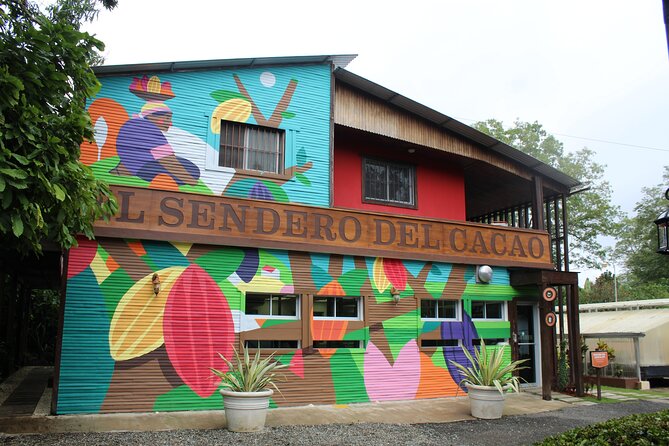
This tour is based around El Sendero del Cacao in Las Pajas, near San Francisco de Macorís. The start time is 10:30 am, and the activity ends back at the meeting point. Expect the day to feel like a full, structured half-day: you’re going out to see cacao, then you’re transitioning into the factory experience, and you’ll wrap up with lunch.
The tour is set for people with a moderate physical fitness level. That usually means you should be comfortable walking outdoors and moving around during the plantation portion. It’s also described as family-friendly in structure, with the rule that children must be accompanied by an adult.
Dress code is the big “read this twice” item. You’re asked for smart dress and told not to wear casual items like jeans, sportswear, joggers, or sneakers. If you’re traveling light, plan your clothes around this requirement rather than assuming you can blend in.
One more practical thing I appreciate: the tour uses a mobile ticket, so you don’t need to hunt for paper. And it’s capped at a maximum group size of 300 people, so you’re not likely to feel lost in a massive crowd.
You can also read our reviews of more tours and experiences in Dominican Republic.

El Sendero del Cacao: learning cacao production from seed to pod
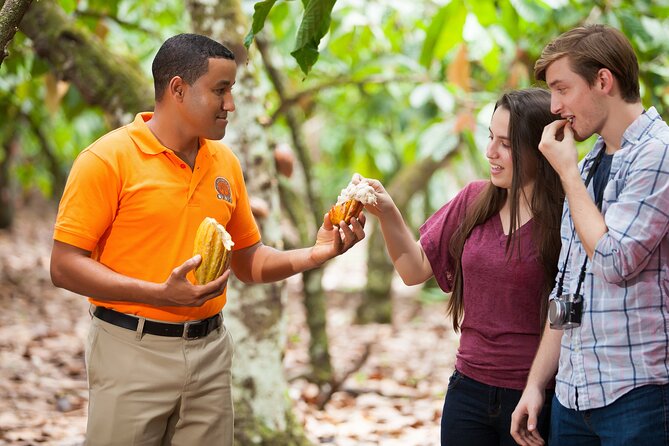
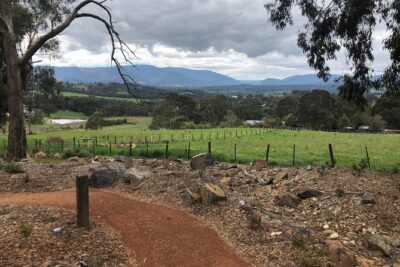
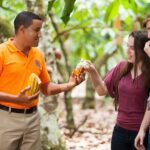
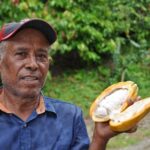
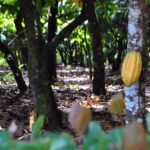
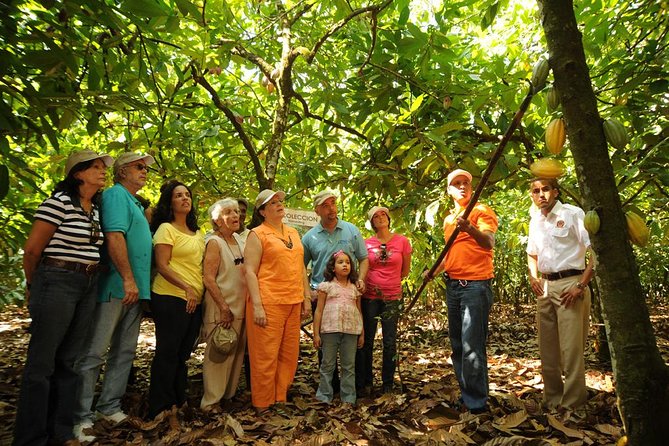
The plantation portion is where the tour earns its name as a true chocolate experience, not just a photo stop. You’ll be with a local cacao expert and guide, and the focus is the full chain of how cacao becomes fine chocolate.
Here’s the learning flow you can expect:
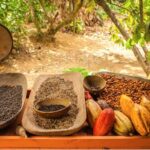
First comes the sowing process. Instead of vague “cacao grows here,” you’ll learn how cacao is started and what sowing looks like in practice. The guide also covers how to sow your own cacao plant, at least as instruction and method, so you understand what farmers are doing before anything gets harvested.
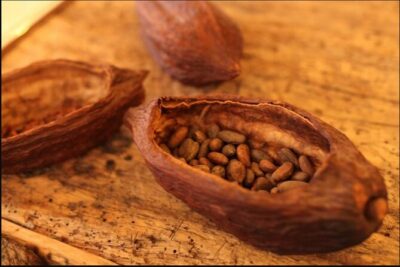
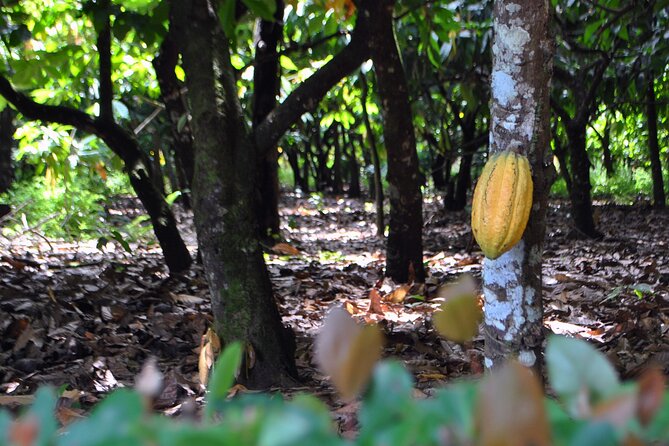
Then you move to the harvesting process. The key detail is that harvesting includes cutting pods and extracting the beans from inside. That matters because cacao is a bean-based crop, and how those beans are handled right away affects quality later.
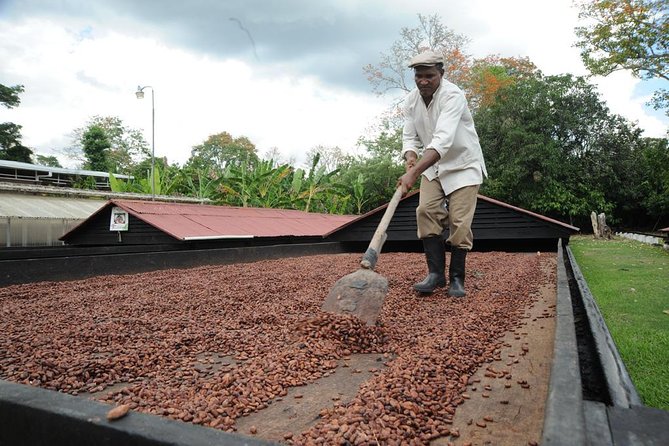
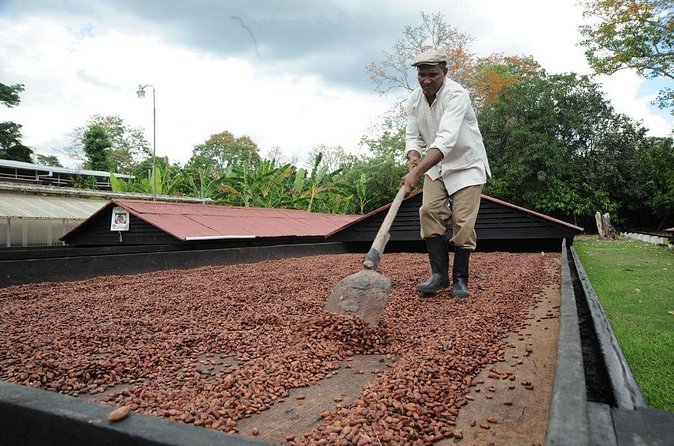
After harvest, you get the post-harvest steps: fermentation and drying. These are the parts most people skip in casual chocolate tours, but they’re essential. Fermentation is where the beans develop the flavors that chocolate makers look for, and drying is how you stabilize the beans so they can be processed into bars.
What I find especially valuable is the ecosystem piece. You’ll learn how the Dominican Republic ecosystem fits cacao growing, and why conditions on the island are considered ideal for fine cacao. Even if you’re not going home to farm, that context helps you understand why cacao from one place can taste different from another.
Practical note: this portion sets expectations for the factory. If you pay attention to fermentation and drying concepts on the plantation side, the factory steps later will make much more sense when you see them in action.
La Esmerelda factory tour: how cacao becomes a chocolate bar
After the plantation learning, you go into the La Esmerelda Chocolate Factory for the transformation phase. This is where the experience turns from biology to craft.
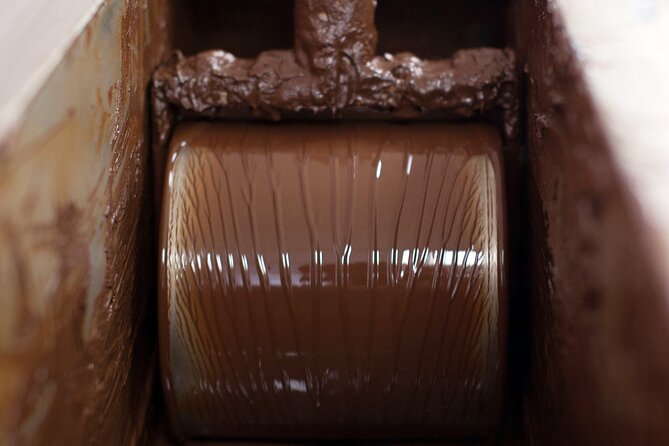
Inside, you’ll discover the steps needed to make a high-quality chocolate bar. The key idea isn’t just that machines exist—it’s that chocolate quality depends on controlling each step after the beans leave the plantation. Because the tour has already walked you through fermentation and drying, you’re better able to follow the logic of what comes next.
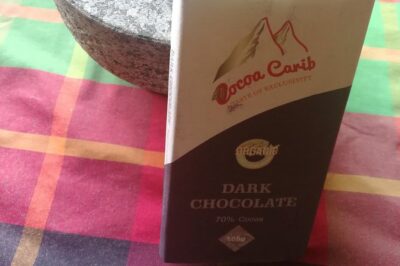
Then there’s the moment many people come for: you get a chance to make your own chocolate. The data doesn’t spell out whether it’s molding, assembly, or another specific process, but the promise is clear: you’ll do hands-on bar-making rather than only watch.
One extra detail worth mentioning: the experience includes clear attention to hygiene rules. One of the recurring themes in the experience feedback is that cleanliness and rules are handled well, which is exactly what you want in a factory setting where food safety matters.
If you’re the type who likes to understand the “why” behind taste, this is the right sequence. The plantation portion sets the ingredients and early processing, and the factory portion shows the practical steps that turn those inputs into something you can hold.
Your chocolate buffet lunch and hot chocolate cup
You’ll be seated for a buffet-style lunch after the factory experience. It also includes a cup of local hot chocolate, which is a nice bridge between the process and the product.
Why I like this structure: it prevents the day from feeling like back-to-back stations with no payoff. You learn cacao steps, you watch chocolate creation, then you get food where the flavors finally land. The hot chocolate is included specifically, so you can treat it as part of the lesson rather than an optional extra.
There’s also a vegetarian option available if you advise the operator at booking. If you follow a vegetarian diet, don’t assume the default menu will automatically cover you—request it in advance so the lunch portion stays smooth.
Timing-wise, plan to eat well before your start time isn’t required, but you should expect lunch as a real meal, not a snack. This is helpful if you’re coordinating with other Dominican Republic plans later the same day.
Price and value: is $84 worth it?
At $84.00 per person, the value here comes from how many real components you get in one outing:
- Plantation education at El Sendero del Cacao, including cacao growing and post-harvest processes (sowing, harvesting, fermentation, drying)
- Entry and guided time at the La Esmerelda factory
- A chance to make your own chocolate bar
- A buffer lunch plus an included cup of hot chocolate
- A local guide throughout
On top of that, transportation is offered if you choose it. So if your schedule needs a pickup, this tour format can reduce your coordination stress and keep the day from turning into a self-planned logistics puzzle.
When I think about $84 value, I focus less on the ticket and more on what you’d pay separately: farm entry with a guide, factory admission, lunch, and a structured hands-on chocolate activity. Bundling those into one guided afternoon is where the price starts to make sense, especially for couples or families who want one planned activity instead of two or three separate ones.
Booking is also described as commonly happening about 9 days in advance on average. If you’re traveling during a busy period, I’d treat that as a sign to reserve early, especially because the experience has a maximum capacity.
Who this tour fits best (and who might prefer something else)
This is a strong match for:
- Chocolate lovers who want more than tasting and photos
- People who like learning how food connects from raw ingredient to final product
- Families with older kids who can handle a couple of hours of guided walking and indoor time
- Travelers who appreciate a guided day with built-in lunch and included drinks
It may be less ideal if:
- You want a totally casual, no-rules outing. The smart dress code matters.
- You don’t want any walking outdoors. Even with moderate fitness requirements, the plantation stop is still outdoors.
Language can matter too. The tour may be operated by a multi-lingual guide, which is useful if you’re not fluent in Spanish. Still, if language comfort is a dealbreaker for you, it’s smart to confirm what languages are supported when you book.
For many people, the real deciding factor is the pairing of the plantation process with the factory bar-making. If you like seeing how the same crop changes across stages, this tour delivers that in one block of time.
Final verdict: should you book this cacao and factory tour?
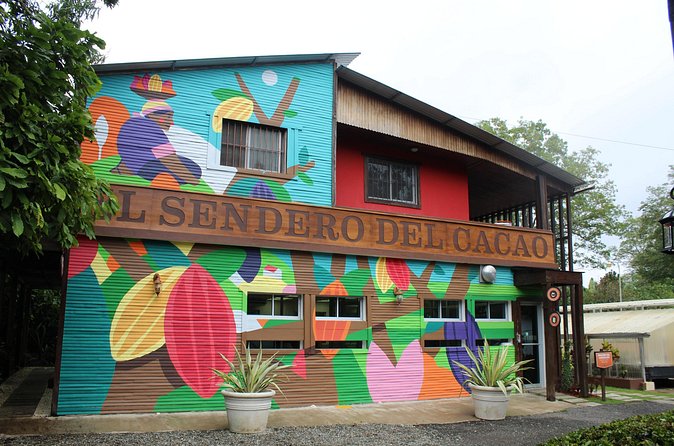
I’d book this tour if you want a structured, hands-on chocolate day that goes beyond tasting. The best part is the sequence: cacao growing and post-harvest work on the plantation side, then the factory steps that connect those inputs to the bar you’ll make and eat. Add lunch and a hot chocolate cup, and you get a complete experience without needing extra planning.
I’d hesitate only if you’re resistant to smart dress requirements or you prefer more free time and fewer guided steps. Otherwise, at $84 with lunch, included hot chocolate, and a factory activity, it’s a practical pick for a Dominican Republic chocolate-focused day.
One last tip: if your schedule is flexible, take advantage of free cancellation up to 24 hours in advance. That lets you book now and adjust if other plans change.
FAQ
How long is the cacao plantation and chocolate factory tour?
The duration is listed as about 3 hours 30 minutes (approx.). The tour program is described as around 2.5 hours.
What time does the tour start?
The start time is 10:30 am.
Where does the tour start?
The meeting point is El Sendero del Cacao, Las Pajas, San Francisco de Macorís 31000, Dominican Republic.
Is transportation included?
Transportation is included if you choose it. Otherwise, you’ll meet at the starting location.
What’s included in the tour price?
It includes a local guide, a lunch buffet, a cup of local hot chocolate, and admission tickets. A mobile ticket is used.
Can I choose a vegetarian lunch?
Yes. A vegetarian option is available if you advise at the time of booking.
What should I wear?
The dress code is smart. You’re asked not to wear casual clothes like jeans, sportswear, joggers, or sneakers.
Is the tour suitable for children?
Children must be accompanied by an adult.
What fitness level is required?
The tour calls for a moderate physical fitness level.
What are the cancellation terms?
Free cancellation is available. You can cancel up to 24 hours in advance for a full refund.
Can the guide be in more than one language?
The tour may be operated by a multi-lingual guide.