REVIEW · MERIDA
Casa Cacao – Journey From Cacao Bean to Chocolate
Book on Viator →Operated by Josh Nisenfeld · Bookable on Viator
Chocolate starts as a bean, not a candy. Casa Cacao in Mérida turns that idea into a friendly hands-on session, where you grind roasted cacao and then taste a traditional Mexican cacao drink. I love the chance to make your own chocolate bar to bring home, not just watch. One possible drawback: it runs as a small, scheduled class, so you’ll want to match your day to the available time slots.
In this English-language experience (max 7 people), you’ll also learn how cacao travels from plantation life to modern chocolate. The vibe feels personal because the host, Josh Nisenfeld, teaches in a calm, question-friendly way—and the space is in an older, generations-old building in a well-known neighborhood. If you’re traveling with kids, it’s also the kind of activity that turns chocolate into a culture lesson without feeling like homework.
In This Review
- Key highlights you shouldn’t miss
- Chocolate in Mérida: why Casa Cacao feels worth your time
- Where to meet at Parque Santa Ana (and how to plan your arrival)
- The bean tasting lesson: what cacao should taste like before it becomes chocolate
- Plantation to processor: understanding the process behind your cup
- Grinding roasted beans: the part you can actually do
- Sipping Mexican cacao: what to expect from the beverage tasting
- Making your own bar: turning lesson into a take-home souvenir
- Josh Nisenfeld and the small-group vibe (max 7 people)
- Price and value: what you’re actually paying for
- Who this tour suits best (and who might not love it)
- Quick FAQ
- FAQ
- Do I need to book in advance?
- How long is the Casa Cacao class?
- What’s the group size limit?
- What language is the tour offered in?
- Where do we meet?
- Is there a take-home item?
- Is mobile ticketing used?
- Can I cancel for a full refund?
- Should you book Casa Cacao in Mérida?
Key highlights you shouldn’t miss
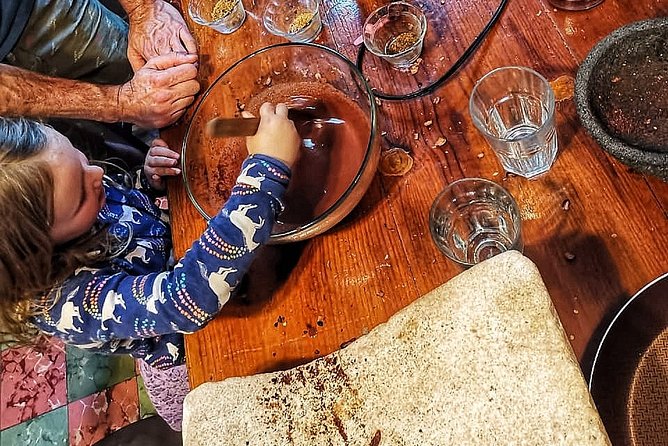
- Hands-on grinding of roasted beans, so you feel each step, not just hear about it
- Traditional Mexican cacao drink tasting, made from cacao plus classic ingredients
- Modern chocolate making: learn the bridge from old recipes to today’s bars
- Take-home chocolate bar you make yourself, not a packaged souvenir
- Small group size (7 max) for more time to ask questions and taste thoughtfully
Chocolate in Mérida: why Casa Cacao feels worth your time
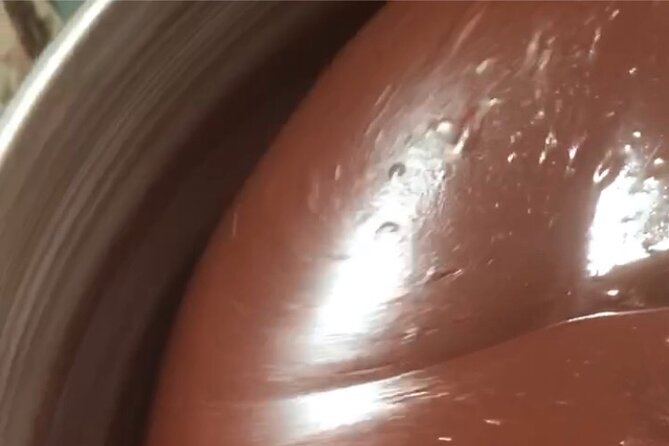
If you’re the type who wants more than a sweet snack, Casa Cacao hits a good sweet spot. You come in expecting chocolate. You leave understanding cacao. That difference matters, because you’re not just tasting; you’re learning how beans become flavor—slow, physical steps, plus the choices that shape the final chocolate.
I like that the class is designed around real actions. You get to grind roasted cacao beans and mix them with traditional ingredients, then taste the beverage that has been part of Mexican food culture for a very long time. And you also get the modern side of chocolate production, with instructions for making your own chocolate bar to take with you.
The small-group setup (maximum 7 travelers) is a practical plus. It tends to mean you can ask follow-up questions without waiting your turn for the whole group to catch up.
You can also read our reviews of more tours and experiences in Merida.
Where to meet at Parque Santa Ana (and how to plan your arrival)
You’ll start at C. 49 499b, Parque Santa Ana, Centro, 97000 Mérida, Yuc., Mexico. The activity ends back at the same meeting point, which is helpful if you’re building the rest of your day around it.
With a duration of about 2 hours, this fits neatly between other Mérida plans. It’s also offered on Monday through Friday across several windows (including late-afternoon and early-evening slots). So if your mornings are packed—maybe with archaeology plans or market wandering—you can still work this into the day.
One small planning note: since you’re working on a tight timetable, it helps to arrive a few minutes early. That way you don’t feel rushed when the group begins the tasting and mixing steps.
The bean tasting lesson: what cacao should taste like before it becomes chocolate
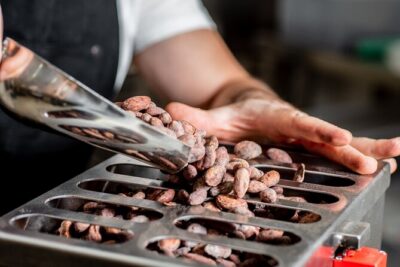
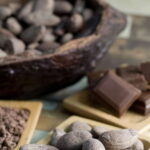
The first part of the experience is all about the foundation: cacao beans themselves. You’ll examine various types of cacao beans, then connect those differences to the way chocolate ends up tasting.
Why this matters: most people only know chocolate as a finished product—sweet, milky, or dark. This class flips the order. You start with the ingredients and learn what they contribute to flavor. That makes the later steps—roasting, grinding, mixing—feel logical instead of mysterious.
This is also a nice intro if you’re not a “food science” person. You don’t need technical vocabulary. You just need your senses and curiosity. The setup encourages you to pay attention to smell and taste in a guided way, which turns what could be a quick demo into a real learning moment.
Plantation to processor: understanding the process behind your cup
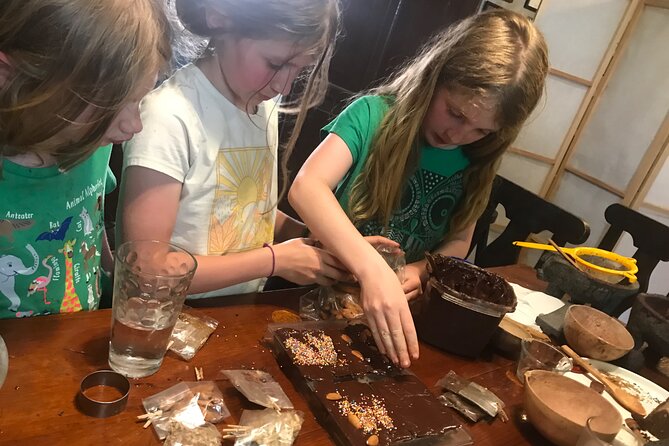
After you work with the beans, you’ll learn the process that happens on the plantation before the cacao becomes chocolate. The goal isn’t to give you a farming textbook. It’s to show how cacao moves from where it grows into the chain of steps that shapes what you eventually sip or bite.
This “from plantation to chocolate” context is one of the big reasons I think this experience is a smart pick in Mérida. You’re not taking chocolate as a product name; you’re learning the story of a crop that’s tied to Mexican culture. In the class, you’ll also pick up connections to Maya and broader Mexican traditions around cacao and food.
If you like travel experiences that explain local culture through everyday life (not just through artifacts), this part lands well. It turns chocolate into something you can talk about at dinner afterward—because you’ll know what changed between the bean and the finished treat.
Grinding roasted beans: the part you can actually do
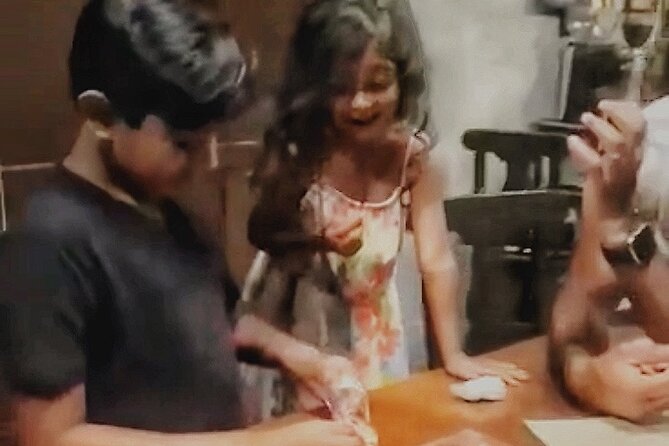
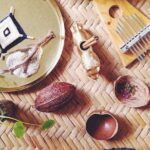
Next comes the tactile work: you grind roasted beans and mix them with traditional ingredients. This is the stage that most people remember because it makes the process physical. You’re not just watching someone else do it.
I like this kind of hands-on step because it creates a clearer connection between actions and results. Grinding affects texture and aroma. Mixing with classic ingredients affects how the beverage tastes and how it feels in your mouth.
It also helps you slow down. Instead of rushing from one stop to the next, you’re doing one focused activity for a couple of hours. That can be a real reset in a busy travel schedule.
Sipping Mexican cacao: what to expect from the beverage tasting
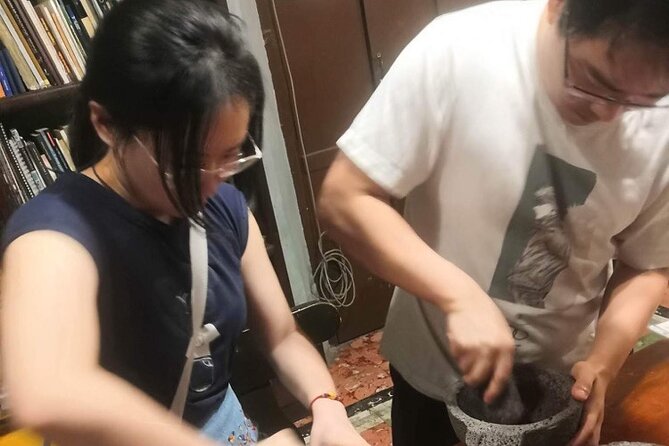
Once the grinding and mixing are done, you get to taste the beverage. It’s based on the cacao drink that has been consumed in Mexico for millennia. That’s a bold claim, but the practical takeaway is simpler: you’re sampling a traditional style of cacao drink, not just modern hot chocolate.
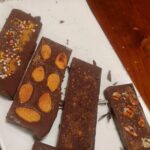
In the tasting portion, the experience also includes dark, milk, and white chocolate as sample options. That part is great because it gives you a quick reality check on preferences. You can compare styles side by side, and you’ll likely notice how sweetness and texture change from one to another.
If you’re sensitive to sweetness, start with the dark options. If you prefer mellow flavors, the milk and white will likely feel more familiar. Either way, the point is to taste with intention, not just to check off a box.
Making your own bar: turning lesson into a take-home souvenir
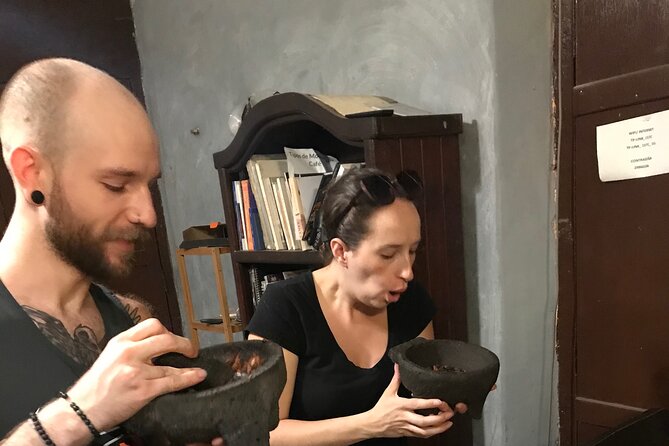
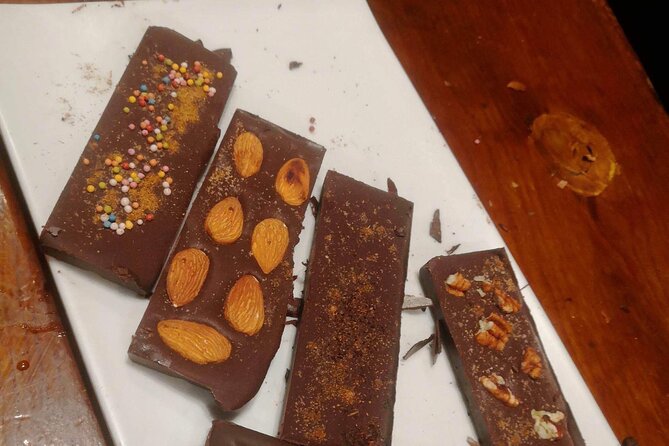
Here’s the payoff: you’ll learn how to make your own chocolate bar to take with you. This is where the class stops being just educational and becomes truly personal.
Why a take-home bar is such a strong value: it gives you a physical reminder of what you learned. More importantly, it turns the session into a mini craft project. You’ll remember the steps because you did them, not because someone described them.
There’s also a confidence boost in finishing with something you can hold. Food tours sometimes end with tasting only. This one ends with creation.
Josh Nisenfeld and the small-group vibe (max 7 people)
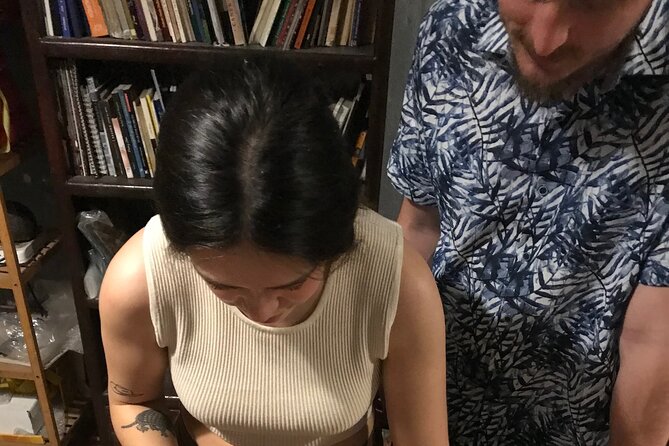
The host for this experience is Josh Nisenfeld, and the overall style comes through in the way the class is described: warm, calm, and question-friendly. People mention Josh as a patient guide who can explain the history and process of chocolate making without making you feel behind if you don’t already know the terms.
The group limit—7 travelers max—matters more than it sounds. It supports a kinder pace, especially during tasting and hands-on work. It also gives you more opportunity to ask about details, like how ancient and modern methods connect.
A small extra: one hint from the class vibe is that you can ask questions beyond chocolate. Some people noted advice for where to eat and what to do in Mérida, plus curiosity about topics like honey bees. If that sounds like your style—food plus place—this tour fits.
Price and value: what you’re actually paying for
We don’t get a specific price here, but you can still judge value by what’s included. You’re paying for more than a tasting. You’re getting:
- guided learning about cacao types and the transformation process
- hands-on grinding and mixing
- tasting of a traditional cacao beverage plus dark, milk, and white chocolate
- instruction to make a chocolate bar you can take with you
That’s a lot of “active” time for about 2 hours, and the small group size helps protect the experience quality. If you’re deciding between a quick chocolate shop stop and a structured class, Casa Cacao is the one that turns chocolate from a purchase into a story you can understand.
Who this tour suits best (and who might not love it)
This class is a great fit if you want:
- hands-on food experiences in Mérida
- a cacao-focused lesson that connects to Mexican culture
- a small-group environment with time to ask questions
- a take-home edible souvenir you actually made
It’s also a strong pick for families and kids, since the format is practical and tasting-based. You’re learning through doing, not through long lectures.
You might think twice if you prefer fast-paced sightseeing or you hate anything hands-on with food textures. Also, because it’s offered on specific days and within multiple daily time windows, you’ll want to align your schedule rather than expecting a walk-up slot.
Quick FAQ
FAQ
Do I need to book in advance?
Yes. The experience requires a booking, and confirmation is received within 48 hours of booking, depending on availability.
How long is the Casa Cacao class?
It runs for about 2 hours (approx.).
What’s the group size limit?
This activity has a maximum of 7 travelers.
What language is the tour offered in?
It’s offered in English.
Where do we meet?
You meet at C. 49 499b, Parque Santa Ana, Centro, 97000 Mérida, Yuc., Mexico.
Is there a take-home item?
Yes. You learn how to make your own chocolate bar to take with you.
Is mobile ticketing used?
Yes, a mobile ticket is used.
Can I cancel for a full refund?
Free cancellation is available. You must cancel at least 24 hours before the start time for a full refund.
Should you book Casa Cacao in Mérida?
I’d book it if you want a cacao-to-chocolate experience that’s hands-on, culturally connected, and not just a quick tasting. The combination of grinding roasted beans, tasting a traditional cacao drink, and making a bar you can take home is what makes this feel practical and memorable.
I’d skip it if your main goal is big sightseeing mileage or if you’re trying to keep your schedule very flexible. This one works best when you pick a time slot, show up a little early, and give the full two hours your attention.
If you’re in Mérida for a few days and you like food that has a story, Casa Cacao is a smart use of time. It’s the kind of class that turns chocolate into something you’ll be able to explain afterward.