REVIEW · PARIS
Expert-Led Sweet Secrets of Paris Pastry & Chocolate Marathon
Book on Viator →Operated by Sweet Secrets of Paris · Bookable on Viator
A sweet Paris walk is one of the best ways to learn the city. This private Seven-Stop Sweet Secrets marathon mixes serious pastry stops with Left Bank storytelling, so you taste and understand Paris at the same time. It starts in Saint-Germain-des-Prés and moves through streets where history and mouthwatering desserts share the same sidewalk.
What I really like is the private, one-on-one pace and the way you get a true tasting run, not tiny “one bite” crumbs. I also like that the tour includes a 7-course dessert tasting menu with generous portions, plus one hot drink (coffee and/or tea) to keep you moving comfortably.
One possible drawback: at this price point, you’ll want to be sure you love desserts enough to eat a lot in a short window. Also, the route works best with good weather, since it’s a walking tour.
In This Review
- Key things to know before you go
- Saint-Germain-des-Prés on a sugar mission
- Where the tour begins by Hotel Lutetia
- Stop 2 on Rue du Cherche-Midi: street stories with a sweet payoff
- Théâtre du Vieux Colombier and the chocolate bonbon twist
- Place Saint-Sulpice: entremets and a cake that’s yours
- Rue du Four: chocolate from bean to bar (with working temps)
- Rue de Buci: history, a little competition, and more surprises
- Cour du Commerce Saint-André: from Roman traces to a literature stop
- The 7-course dessert rhythm (and how to pace it)
- Price and value for a private 3-hour pastry marathon
- Logistics that make the day easier
- Who should book Sweet Secrets of Paris
- Should you book this tour?
- FAQ
- How long is the Sweet Secrets of Paris Pastry & Chocolate Marathon?
- How many places will I visit during the tour?
- What’s included in the price?
- Do I need to bring anything with me?
- Where do I meet the guide, and where does the tour end?
- Is this a private tour?
- What happens if the weather is bad?
- Can I cancel and get a refund?
Key things to know before you go
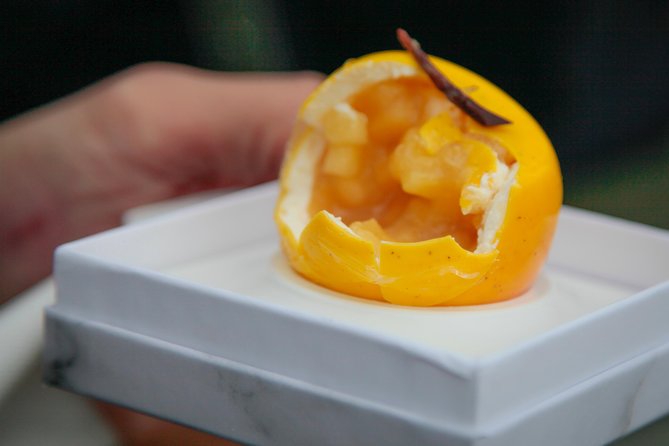
- Seven patisseries and bakeries in 3 hours means you cover a lot without feeling stuck in one shop.
- A private guide lets you slow down, ask questions, and tailor what you’re most curious about.
- Real chocolate and pastry focus includes bean-to-bar ideas and how temps matter for working chocolate.
- You get your own cake pieces at one stop, so you’re not stuck waiting for shared bites.
- Coffee and/or tea are included, which helps when you’re tasting course after course.
- Bring a bottle of water because you’ll have chances to refill during the walk.
Saint-Germain-des-Prés on a sugar mission
This tour is built for people who want Paris pastries the smart way: with structure, expert guidance, and enough tasting to actually compare styles. You’ll meet in the Saint-Germain-des-Prés area and follow your guide through a mix of classic streets and quieter corners that feel local instead of staged.
You also get the benefit of context. The guide doesn’t just say what to eat; they connect the desserts to neighborhood quirks and landmarks you pass. That makes the whole experience stick in your memory longer than a simple pastry stop.
And yes, you should come hungry. The plan is heavy on dessert, and the servings are described as generous, which is exactly what you want when the goal is a “marathon” rather than a nibble.
You can also read our reviews of more tours and experiences in Paris.



Where the tour begins by Hotel Lutetia
You start near Square Boucicaut, just across from the Hotel Lutetia area, with the group gathering in the 2 Pl. le Corbusier area (right in the broader 7th arrondissement zone that feeds into the Left Bank). This first stretch is useful because your guide sets the scene—what the neighborhood is like now, and what it was like in the past—so you can read the streets as you walk.
Then you jump straight into the first tasting at an award-winning French pastry chef’s stop. That opener matters. It gets you into a pastry mindset fast, and it gives you something to compare against later when you see other styles of chocolate and cake.
Tip: If you’re sensitive to sweetness, plan to pace yourself during the first tasting rather than “front-load” your favorites. The tour keeps coming.
Stop 2 on Rue du Cherche-Midi: street stories with a sweet payoff
Rue du Cherche-Midi is one of those streets where the character comes from the details: shops, small institutions, and the way the block feels like it belongs to locals. Your time here is shorter, but it’s not just “walk and look.” Your guide uses this stop to share stories about the street and what makes it special.
After that kind of orientation, the next landmark stop feels more meaningful. You’re not just moving from one dessert counter to the next; you’re building a mental map of the Left Bank.
Best for: people who like history and atmosphere between tastings, without turning the day into a museum crawl.
Théâtre du Vieux Colombier and the chocolate bonbon twist
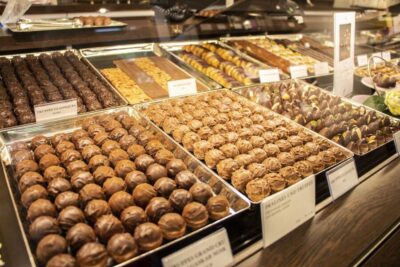
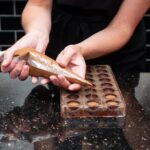
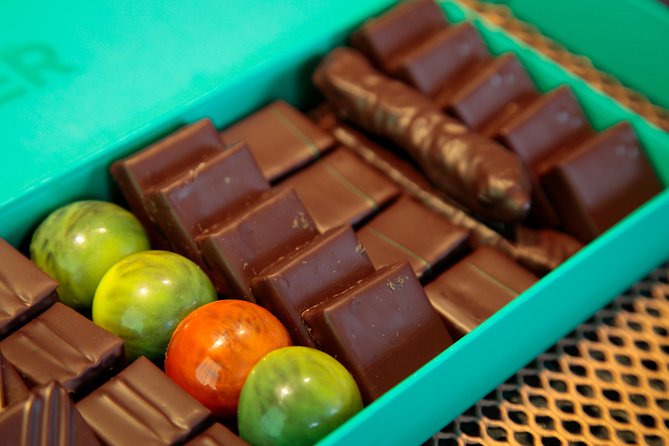
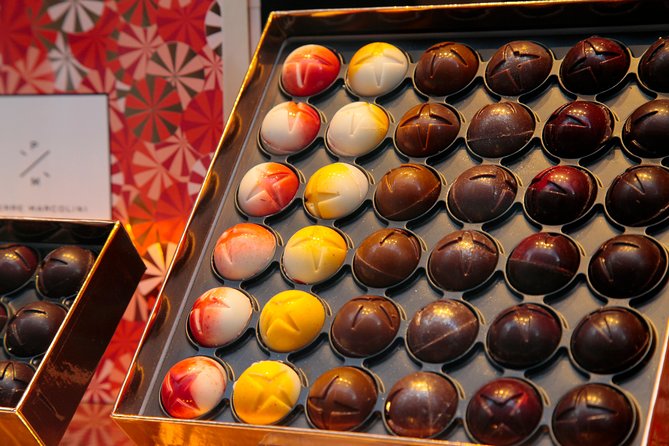
At the Théâtre du Vieux Colombier area, the tour shifts into a very focused chocolate moment. You’ll find the modern version of chocolate bonbons here, described with a unique twist. The key idea is that you’re learning how chocolate can be reimagined beyond the usual box assortment.
This stop is also framed as a sweet secret—something the locals may not all be familiar with. Even without tasting a hundred chocolates, that kind of guidance helps you spot what makes one bonbon different from another: texture, shape, and how flavors are built.
What to pay attention to: how the chocolate bonbon changes in your mouth. Is it softer or snappier? Do you get caramel notes first, or does it land later?
Place Saint-Sulpice: entremets and a cake that’s yours
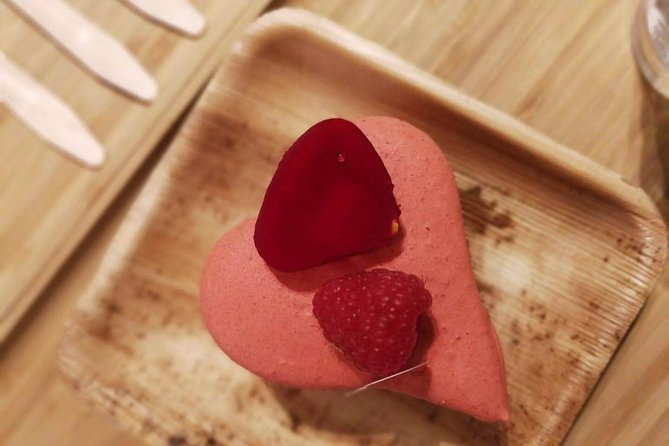
Place Saint-Sulpice is the kind of setting that automatically ups your sense of place. Your guide brings in the French Revolution era, plus secrets tied to the second largest church in Paris. That background matters because it explains why this space feels so important before you even start eating.
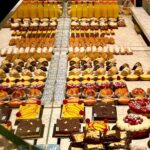
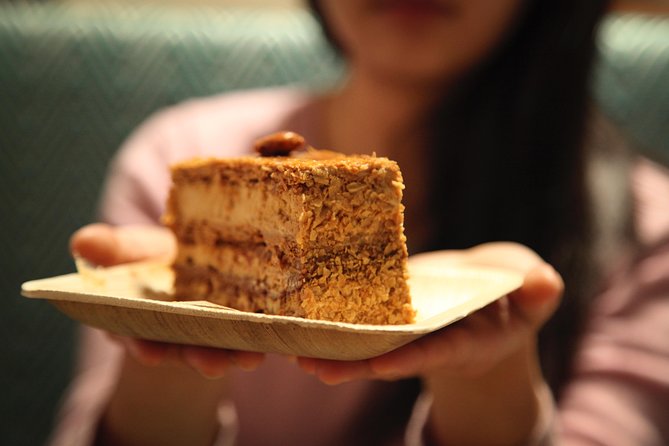
Then comes the dessert highlight: you continue tastings with entremets or individual pastries from top French pastry champions, listed as 2–3 star. One of the best practical details here is that you get your own pieces of cake, not a tiny shared sampling portion.
That changes the experience. If you like a specific style, you can actually taste it properly. And if you don’t, you can still move on without feeling stuck waiting for someone else to finish.
Small consideration: the tour notes the stars can vary by opening hours, so the exact pastry-level lineup may depend on what’s available that day.


Rue du Four: chocolate from bean to bar (with working temps)
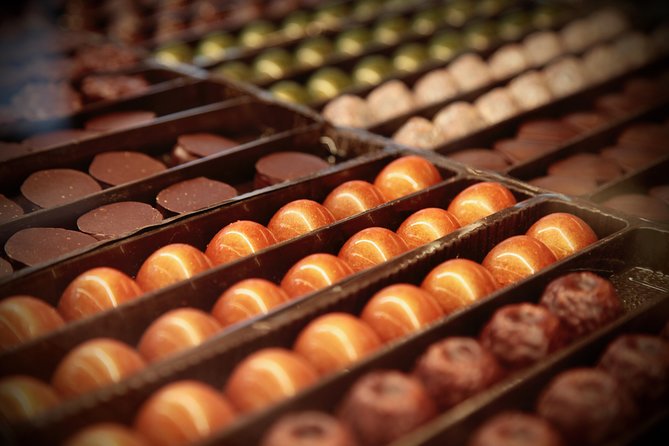
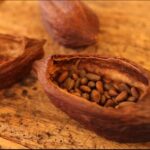
Rue du Four is famous in pastry circles, and this part of the walk is where the tour gets extra hands-on, at least in concept. You’ll be guided through the world of chocolate—starting with bean to bar ideas and including practical points like the right working temperature.
This is the section that helps you understand why two chocolates can look similar but taste different. Temperature affects texture and setting, and your guide uses that to connect the science to what’s in front of you.
Then you get more chocolate treats at the end of this segment. By now, you’ve tasted enough to notice patterns: creamy versus firm, and sweetness levels that feel balanced versus heavy.
If you’re a chocolate lover: this is the stop to ask questions at. You’ll get more out of it if you say what you usually like—dark, milk, caramel notes, fruit, or pure chocolate flavor.
Rue de Buci: history, a little competition, and more surprises
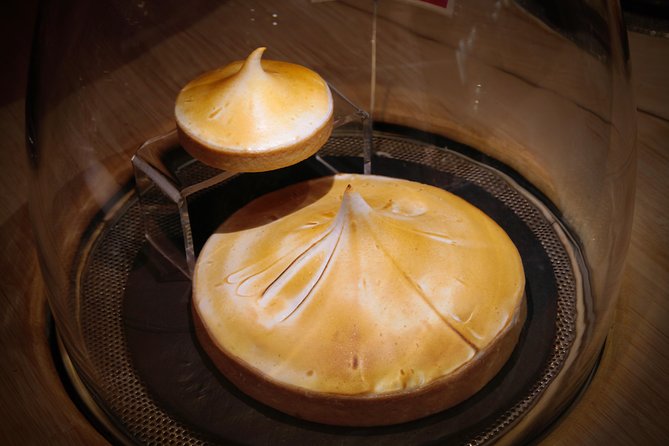
Rue de Buci is where the tour keeps the pace moving while adding texture. You’re told to expect history and a bit of competition, plus more hidden treasures in the heart of the Left Bank.
This stop works well because it breaks the rhythm. After chocolate-focused thinking in Rue du Four, Rue de Buci gives you energy: stories, little comparisons, and a sense that Paris pastry isn’t random. There’s craft, pride, and local standards.
You’ll only spend a short chunk of time here, but it helps keep the tour from feeling like a straight line of shops.
Cour du Commerce Saint-André: from Roman traces to a literature stop
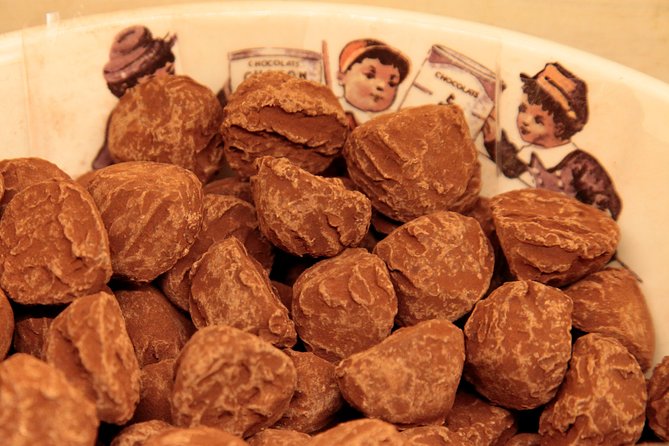
As you stroll from Odeon toward Notre Dame Cathedral, the route threads through a picturesque little alleyway and onto Boulevard Saint Germain. The guide adds layered context, including traces of the first Roman settlers, then moves into a themed stop tied to literature.
The end of this segment includes a garden where the oldest tree in Paris is found. Even if you’re not a plant person, this kind of pause is useful during a dessert marathon. It gives your brain a reset so the final stretches don’t feel like one sugar blur.
How I’d plan it: think of the last hour as your “digest and reflect” window. You’ll still eat, but you’ll also get the calm, scenic moments that make the whole thing enjoyable.
The 7-course dessert rhythm (and how to pace it)
The tour is described as a 7-course dessert tasting menu with generous portions. In practical terms, that means you’ll likely have more than one bite at multiple stops, not just one quick taste.
A good way to handle this is to treat each stop as a category:
- one stop to compare pastry styles,
- one stop for chocolate texture,
- one stop for cake structure and filling,
- and one stop to check how sweetness balances with butter, cocoa, or caramel.
Because you also get coffee and/or tea, you can use a hot drink like a palate reset. Tea especially can soften the sugar intensity if you start to feel overloaded.
Smart move: bring a bottle of water. The tour notes there are a few stops to fill it up, and hydration makes dessert tasting feel less like a challenge and more like a treat.
Price and value for a private 3-hour pastry marathon
The price is $173.64 per person for an approximately 3-hour private tour. That sounds steep until you look at what you’re actually buying: seven tasting stops plus guide guidance, plus a hot drink included, in one compact time window.
The best value angle here is the private format. If you’re traveling with a small group and you care about learning the difference between chocolates and pastries, this is one of the more efficient ways to get it without spending your whole day bouncing between shops you may not choose well.
Also, the tour emphasizes generous portions, and the Place Saint-Sulpice stop is specifically described as giving you your own cake pieces. When you get your own portion, you get better tasting value because you’re not sharing a small amount that disappears too fast.
If your travel style is more about grabbing a single iconic pastry and keeping moving, this may feel like too much. But if you want a structured “dessert course” experience in walking form, the value can make sense quickly.
Logistics that make the day easier
The meeting point is in the 2 Pl. le Corbusier area (near the start by the Lutetia district). The tour ends around 2 Pl. Saint-Michel in the 6th arrondissement, and it’s normally between Odeon and Saint-Michel station.
That’s helpful because it lets you tack on other Left Bank plans afterward without a long transit. Still, it’s smart to be flexible. If you have something timed right after, you’ll want the guide to adapt the ending point if needed.
You’ll also want to wear comfortable shoes. This is a walking tour with multiple stops, and you’ll be moving constantly between tastings.
Who should book Sweet Secrets of Paris
This is a great fit if you:
- want a private experience instead of a large group,
- love chocolate and pastry craft enough to ask questions,
- and enjoy mixing food with neighborhood context in Saint-Germain-des-Prés.
It’s also a nice option for people who enjoy ordering with confidence. The guide’s job is to steer you toward what’s worth tasting and explain what you’re eating in plain language.
One additional comfort point: past participants have praised guides for making the experience kind and convivial. One account specifically mentioned a guide named Olivia who was attentive and helped a mom pick treats along the way, with a warm, personal feel while still keeping the pace flowing.
Should you book this tour?
If you’re in Paris for only a short time and you want the best shot at a meaningful dessert day, this is a strong booking. The combination of seven tasting stops, generous portions, and a private guide who connects food to place is exactly how you turn “I like pastries” into “I understand why these pastries matter.”
Skip it if you’re on a strict dessert-light plan, or if you’d rather taste just one or two famous items. Also, since the tour requires good weather, check the forecast and be ready to adjust.
If dessert is your thing and you want it organized, this private “sweet secrets” route is a smart use of a few hours.
FAQ
How long is the Sweet Secrets of Paris Pastry & Chocolate Marathon?
It lasts about 3 hours.
How many places will I visit during the tour?
You’ll visit seven different patisseries and bakeries.
What’s included in the price?
The tour includes a 7-course dessert tasting menu with generous portions, plus one hot drink (coffee and/or tea).
Do I need to bring anything with me?
You should bring a bottle of water. The tour notes you can fill it up at a few stops.
Where do I meet the guide, and where does the tour end?
You start at 2 Pl. le Corbusier, 75007 Paris, and the tour ends at 2 Pl. Saint-Michel, 75006 Paris.
Is this a private tour?
Yes. It’s private, and only your group participates.
What happens if the weather is bad?
The experience requires good weather. If it’s canceled due to poor weather, you’ll be offered a different date or a full refund.
Can I cancel and get a refund?
You can cancel for a full refund up to 24 hours in advance. If you cancel less than 24 hours before the start time, the amount paid will not be refunded.