REVIEW · PARIS
Paris Small-Group Montmartre Chocolate & Pastry Walking Tour
Book on Viator →Operated by Do Eat Better Experience · Bookable on Viator
If you like Paris, this route tastes like it. This small-group walk ties classic pastries to Montmartre landmarks, with enough stops to feel like a proper morning plan without turning into a sugar blur. I love the way the itinerary mixes flavor with stories—places like Rue Lepic and Place du Tertre come with context, not just samples. One thing to plan for: Montmartre is a hill, so you’ll want to be ready for some ups and downs.
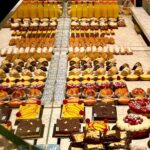
You’ll also like how the food is handled for you. Croissant or pain au chocolat, an eclair, chocolate tasting, madeleine and macaron, a crêpe, and coffee are all included, so you’re not budgeting mid-walk or second-guessing what to order. A possible drawback is dietary fit: it’s not suitable for lactose intolerance, and it’s not for people with gluten or nut allergy (and severe, life-threatening allergies can’t join).
In This Review
- 6 key reasons this Montmartre pastry tour works
- Entering Montmartre with a 10:00 a.m. sweet plan
- The price: what $102.35 buys you (and why it’s not just sweets)
- A stop-by-stop walk through Montmartre’s best-known treats
- Stop 1: Montmartre pastries that set the tone early
- Stop 2: Moulin Rouge to Rue Lepic pastries on the walk
- Stop 3: Rue Lepic and a chocolate tasting in an old-school spot
- Stop 4: Place des Abbesses, where éclairs hit their best-known fame
- Stop 5: Le Mur des Je t’aime with warm madeleines
- Stop 6: Place du Tertre and macarons in the street-art heart
- Stop 7: Sacré-Cœur area with crêpes and a view
- Who this tour suits best (and who should skip it)
- Comfort tips so the hill doesn’t ruin your morning
- What makes the guide experience matter here
- So, should you book this Montmartre chocolate & pastry tour?
- FAQ
- How long is the Paris Small-Group Montmartre Chocolate & Pastry Walking Tour?
- What time does the tour start, and where does it meet?
- What’s included in the tastings?
- Where does the tour end?
- Is the tour suitable for lactose intolerance, gluten allergy, or nut allergy?
- How much walking is involved?
- What happens if the weather is bad or I cancel?
6 key reasons this Montmartre pastry tour works
- Small group pacing: max 12 people, so the tour keeps moving without feeling rushed.
- Food coverage that actually makes sense: croissant/pain au chocolat plus eclair, then chocolate, then sweets that round out the story.
- Montmartre landmarks paired with desserts: you connect tastings to places like Moulin Rouge, Place des Abbesses, and Sacré-Cœur.
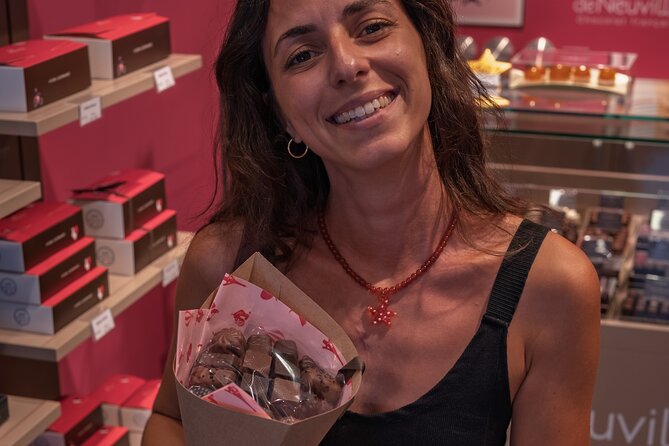
- A real chocolatiers story at Rue Lepic: you stop at an old-school chocolate address (founded in 1761).
- Coffee included: it’s not just sweets; you get a proper start to your energy.
- Hill logistics are part of the deal: moderate fitness helps, and you’ll walk up and down.
Entering Montmartre with a 10:00 a.m. sweet plan
This tour starts at 82 Bd de Clichy at 10:00 am, and it ends in front of Sacré-Cœur (the end spot can shift a little depending on partner availability). It’s about 3 hours, and you’ll do it on foot in the Montmartre area—an ideal length for first-timers who want taste + place, not just photos.
The small-group size (max 12 people) matters. In a neighborhood like this, crowds can slow things down, and you want a guide who can keep you moving. With this format, you also get a steadier rhythm: sample, listen, walk, repeat. The group moves as a unit, and you’re not left figuring out where to go next.
One practical detail that helps: your ticket is mobile, so you don’t need to hunt for paper. The guide offers English (and may also speak some French), which is useful because Montmartre can get noisy and fast-moving near major sights.
And yes, expect some walking. Montmartre is a hill, and the itinerary includes ups and downs. If your day involves lots of stairs already, you’ll feel it. A review note captured it well: treat this like a light workout, not a couch day.
You can also read our reviews of more tours and experiences in Paris.



The price: what $102.35 buys you (and why it’s not just sweets)
At $102.35 per person, the big question is simple: does it feel worth it compared to buying things one by one?
Here’s what’s included:
- Croissant or pain au chocolat
- Eclair
- Chocolate tasting
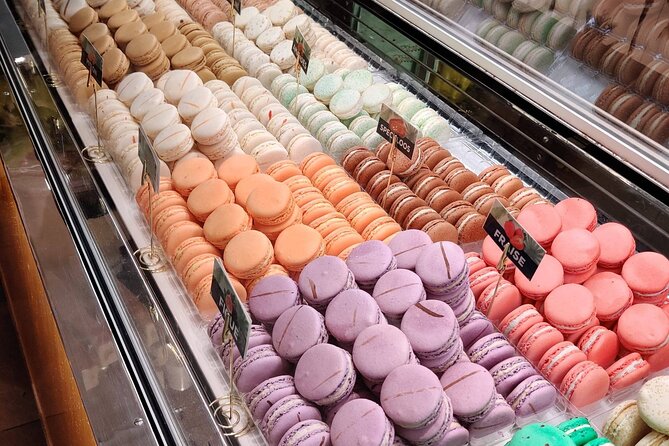
- Madeleine and macaron
- Crêpe
- Coffee
That’s not a few bites in passing. You’ll get a spread that covers pastry types across morning-to-afternoon styles: flaky, choux, chocolate-forward, butter-biscuit, almond meringue, and crêpe. In Paris, those items add up quickly when you’re paying individually.
On top of the food, you’re paying for the guided structure: the tour connects each sweet to a specific Montmartre spot and adds local context. That turns the day from random snacking into a guided route you can remember.
A stop-by-stop walk through Montmartre’s best-known treats

Stop 1: Montmartre pastries that set the tone early
You start with the broad theme of French patisserie right away. The first stop is in Montmartre, where you’ll sample a variety of local pastries and desserts. The exact menu can shift based on availability and season, so don’t be surprised if the exact items vary slightly.
This opening matters. It warms your palate and gives you a baseline for what you’ll compare later—chocolate intensity, butteriness, sweetness level, and textures. If you’re someone who likes to notice how pastry styles differ, starting with a small spread is a smart move.
Quick consideration: don’t arrive hungry in a way that makes you over-order later. One review advice fits here: don’t show up with a big breakfast already in your stomach. You want room.
Stop 2: Moulin Rouge to Rue Lepic pastries on the walk
Next, the tour moves toward Moulin Rouge, with a focus on classic “must-tastes” like croissant options—specifically croissant, pain au chocolat, or pain aux raisins. You’ll also do a short stroll starting from near Moulin Rouge to Rue Lepic.
This leg is fun because it’s both scenic and practical. You get an iconic Montmartre landmark in motion, then you transition into the tighter, more story-rich streets where patisseries cluster.
Why it works: pastries like these are quick, easy to eat on foot, and they reset you for the deeper chocolate stop coming next.



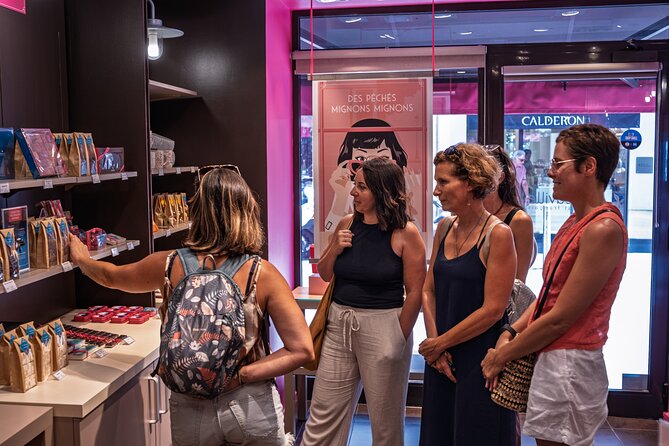
Stop 3: Rue Lepic and a chocolate tasting in an old-school spot
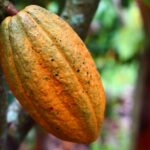
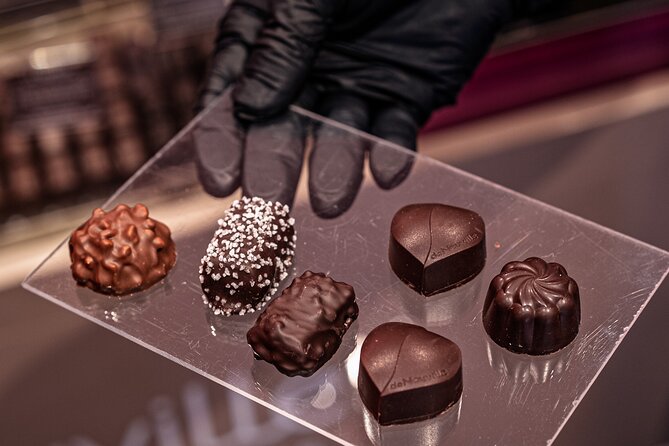
Rue Lepic is where the tour turns chocolate-centric. You’ll visit a historical chocolaterie—founded in 1761—and take a tasting that focuses on the aromatic richness of chocolate and the finesse of master chocolatiers.
If you care about flavor beyond “sweet,” this is one of the highlights. A proper chocolate tasting isn’t about quantity; it’s about noticing differences: cocoa notes, sweetness levels, and how the aroma changes as you taste. Even if you don’t consider yourself a chocolate person, this stop usually makes you one.
Because the tour includes this tasting as part of the experience, you’re not hunting for the right shop. The guide does the work: you just show up and taste.
Stop 4: Place des Abbesses, where éclairs hit their best-known fame
At Place des Abbesses, you’ll learn that the place is named after the abbesses who ran the Royal Abbey of Montmartre from the 12th century until 1790. Today, it’s one of the corners that feels distinctly Montmartre—pretty, compact, and full of local character.
Then you get the payoff: in a local patisserie, you’ll try eclairs. Eclairs are classic for a reason: filled with smooth cream and topped with a glossy glaze. The name means lightning, supposedly because people eat them fast enough to make them vanish quickly.
This stop is good for two reasons. First, it’s a real cultural anchor—abbey-era naming ties the neighborhood to longer timelines. Second, eclairs make a great “mid-tour anchor” sweet because they’re structured: you can taste the pastry shell, cream filling, and glaze as separate components.
Stop 5: Le Mur des Je t’aime with warm madeleines
Now you move to Le Mur des Je t’aime, the wall with the phrase I love you in more than 250 languages. It’s one of those Paris spots that’s simple on paper but memorable in the moment because it’s public, playful, and easy to feel the romance without trying too hard.
Along the way, you’ll enjoy madeleines—delicately buttery, soft, and typically lightly sweet (and sometimes with lemon or vanilla notes). You get them warm from an adorable boutique near the wall.
This is a comfort stop. Madeleines are not flashy like macarons, but they’re deeply “Paris morning” in flavor. Warm cookies also help you reset your palate so the next stop doesn’t feel like one endless sugar line.
Stop 6: Place du Tertre and macarons in the street-art heart
At Place du Tertre, you’ll see the Montmartre energy: street artists and classic brasseries. Then comes macarons—colorful almond shells filled with flavored ganache.
You’ll also get some context for why macarons became such a French symbol. One story tied to them is that Catherine de’ Medici brought them to France in the 16th century. Whether you’re into royal food legends or not, this kind of story makes the macaron feel more like culture and less like just candy.
This stop is also a good “people-watching break.” Take a second, stand where the sight lines work, and enjoy the surrounding atmosphere—then go back to tasting.
Stop 7: Sacré-Cœur area with crêpes and a view
Finally, the tour heads toward the Basilique du Sacré-Cœur de Montmartre area. You’ll get crêpes, which you can enjoy sweet—simple, or with chocolate or jam options.
This last part is where the day cashes out. You’ll eat your crêpe with a breathtaking view over the basilica area. It’s the moment that turns the tasting walk into a “Montmartre day” rather than only a food errand.
Practical note: by the end, your legs will know they’ve been climbing. Crêpe + view is a great reward, but it also means you should plan for a slow finish.
Who this tour suits best (and who should skip it)
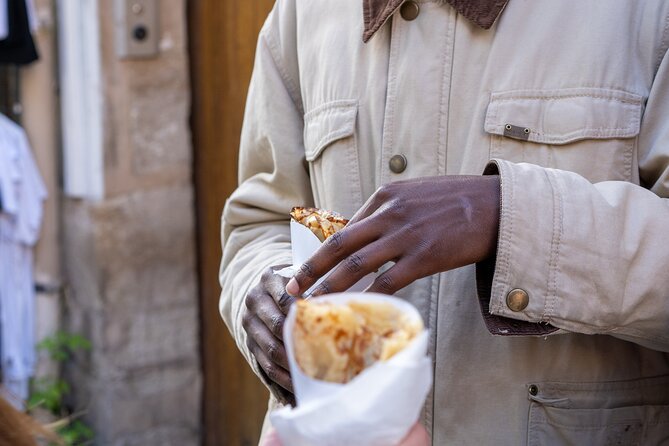
This is a great match if you want a structured Montmartre experience without doing a lot of planning. You’ll get a guided route, you’ll learn little pieces of context at key stops, and you’ll leave with a full set of pastry benchmarks for your trip—croissant, eclair, chocolate, madeleine, macaron, and crêpe.
It’s also a solid pick if you travel with someone who likes food but doesn’t want to spend the entire day hunting down the right shop. Here, your guide does the hard part.
But be careful with dietary needs. The tour isn’t suitable for lactose intolerant people and it’s not for people with gluten or nut allergy. For safety reasons, people with severe or life-threatening food allergies can’t participate.
If your diet is restrictive in other ways, it’s worth contacting the provider before booking—there’s a clear instruction to reach out for food restrictions.
Comfort tips so the hill doesn’t ruin your morning
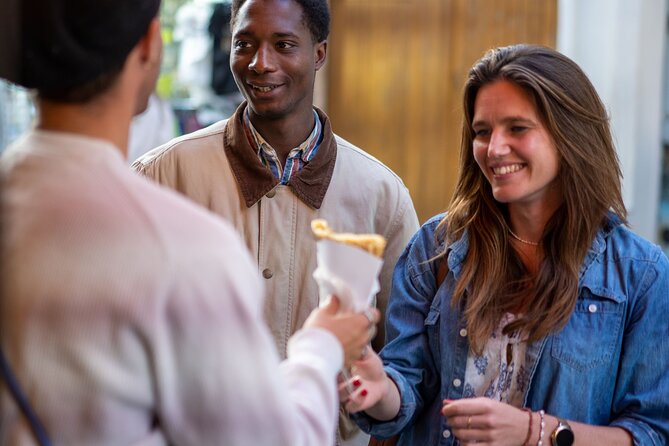
Montmartre’s ups and downs are part of the experience, but you can reduce the discomfort.
- Wear comfortable shoes with good grip. The streets can be uneven.
- Don’t eat a huge breakfast before the start time. Plan to arrive with a normal appetite. One key piece of advice from real feedback was to avoid a heavy breakfast.
- Bring water. Coffee is included, but you might still want water during the walk.
- If you’re sensitive to walking, consider whether moderate fitness is enough for your comfort. The tour is labeled moderate.
Also keep an eye on weather. This experience requires good weather, so if conditions are off, the tour may be canceled and you’ll be offered a different date or a full refund.
What makes the guide experience matter here
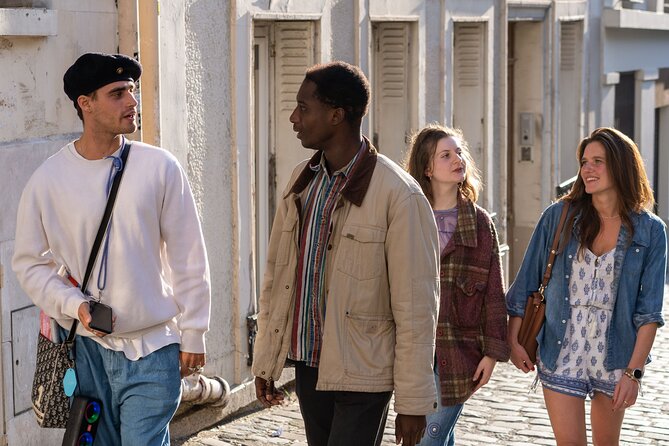
This tour is offered in English with an English-speaking local guide. The guide may speak English and French, which is a helpful bonus in Paris. The tour format is designed around short stops—about 15 to 30 minutes each—so you’re not stuck waiting long at one spot.
The best part is the pairing of sweets and place. You aren’t just eating; you’re connecting the taste to what you see around you: Montmartre as a postcard-looking district, Moulin Rouge as a recognizable anchor, Rue Lepic as a chocolate-focused street, Place des Abbesses as a historic namesake, and Sacré-Cœur as the payoff view.
So, should you book this Montmartre chocolate & pastry tour?
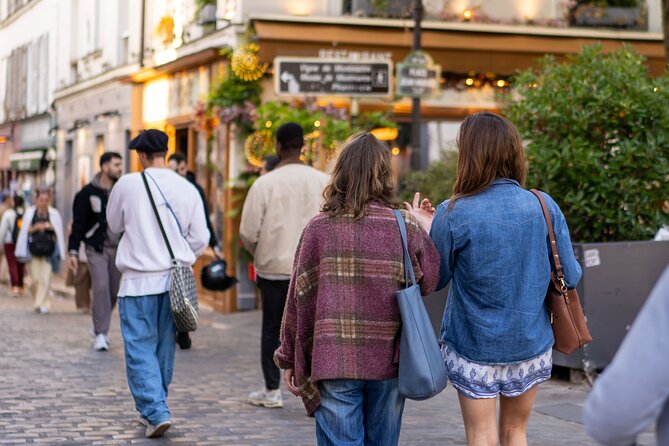
I’d book it if you’re:
- Visiting Montmartre for the first time and want a guided tasting route
- Interested in how French pastries differ by type and texture
- Planning a morning that mixes food + landmark sights
- Looking for a small-group tour with a clear, included menu
I’d think twice if you:
- Have lactose intolerance, or gluten/nut allergies
- Don’t handle hills and uneven streets comfortably
- Prefer to shop and order everything yourself without a structured pace
At the price, the included pastries and coffee make it feel like a packaged experience rather than random purchases. And with a 5/5 rating and a strong recommendation rate, the style of the tour clearly lands well—especially the mix of sweets, stories, and that light “exercise” vibe.
FAQ
How long is the Paris Small-Group Montmartre Chocolate & Pastry Walking Tour?
It lasts about 3 hours.
What time does the tour start, and where does it meet?
It starts at 10:00 am. The meeting point is 82 Bd de Clichy, 75018 Paris, France.
What’s included in the tastings?
You get a croissant or pain au chocolat, an eclair, a chocolate tasting, madeleine and macaron, a crêpe, and coffee.
Where does the tour end?
The tour ends in front of Sacré-Cœur at 1 Parv. du Sacré-Cœur, 75018 Paris, France. The exact end point may shift slightly based on partner availability.
Is the tour suitable for lactose intolerance, gluten allergy, or nut allergy?
No. It is not suitable for lactose intolerant people, and it is not suitable for people with gluten or nut allergy.
How much walking is involved?
The tour is designed for people with moderate physical fitness. Montmartre is on a hill, so expect ups and downs.
What happens if the weather is bad or I cancel?
The tour requires good weather. If it’s canceled due to poor weather, you’ll be offered a different date or a full refund. You can cancel for free up to 24 hours in advance for a full refund.